Archive: 2026/01
Prednisone and Prednisolone Side Effects: What to Expect Short-Term and Long-Term
Prednisone and prednisolone are powerful steroids used to treat inflammation and autoimmune conditions. While effective, they carry serious short-term and long-term side effects - from weight gain and mood swings to osteoporosis and adrenal suppression. Learn what to expect and how to reduce the risks.
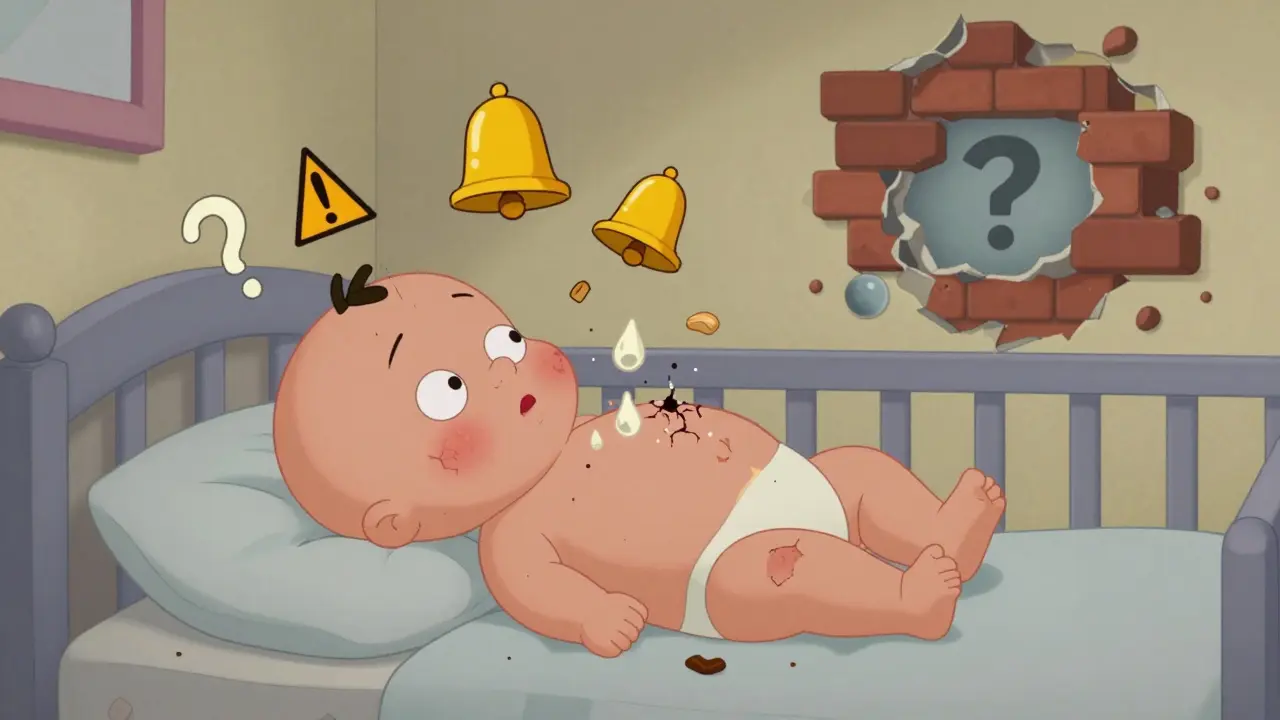
Eczema and Allergies: Understanding the Atopic March and How to Protect Your Child’s Skin Barrier
Eczema often starts the atopic march - a chain of allergic conditions like food allergies and asthma. Protecting your child's skin barrier early with moisturizers and safe allergen introduction can reduce the risk of progression.
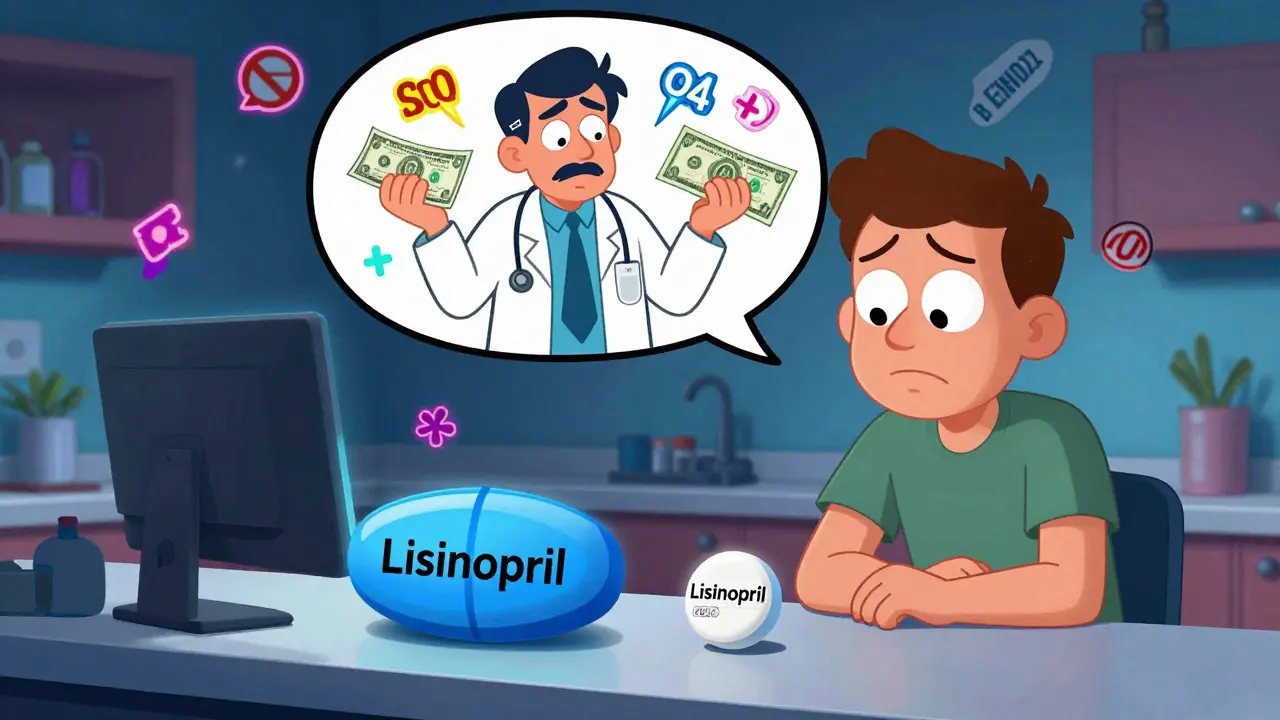
Why Doctors Recommend Generic Medications - And Why Patients Still Hesitate
Doctors overwhelmingly recommend generic medications because they're just as effective and save patients up to 90% on costs. Yet many still hesitate to use them. Here's why science and perception are at odds - and what you can do about it.
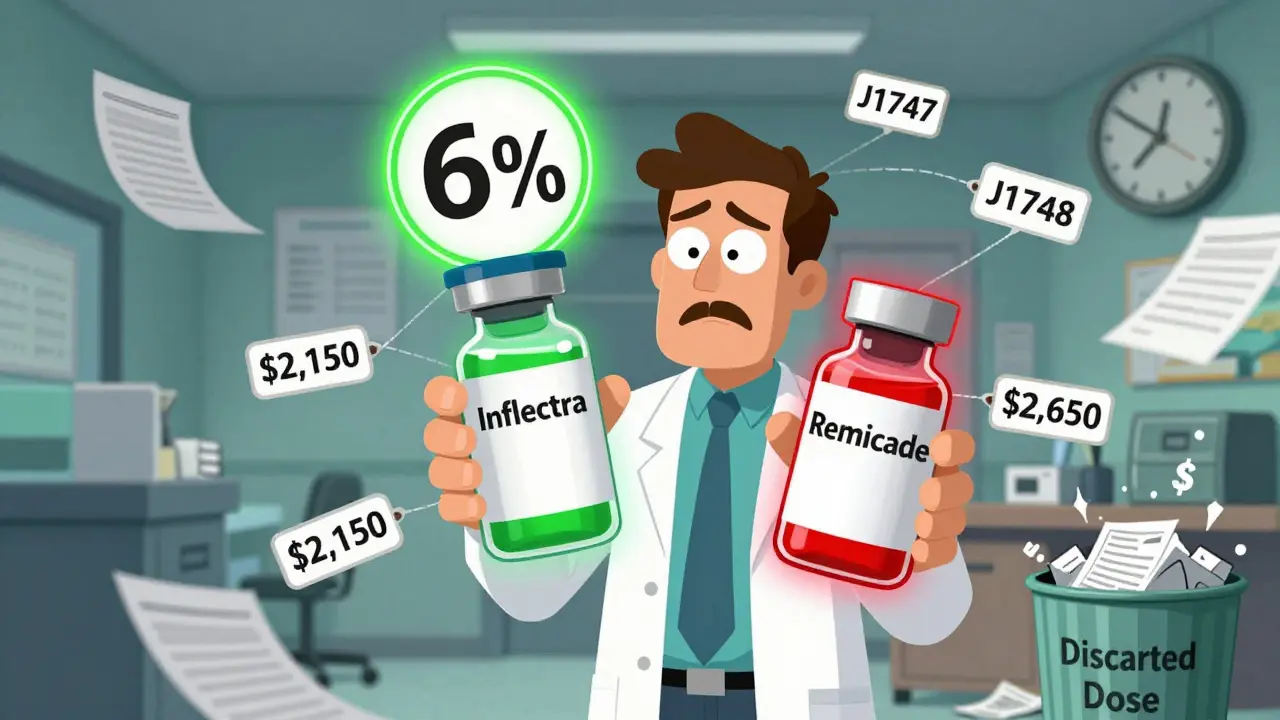
Reimbursement and Coding for Biosimilars: How Billing Works Under Medicare Part B
Biosimilars are billed using unique HCPCS codes and reimbursed at 100% of their ASP plus 6% of the brand-name drug’s price. This system creates a financial disincentive for providers to switch, slowing adoption despite lower drug costs.
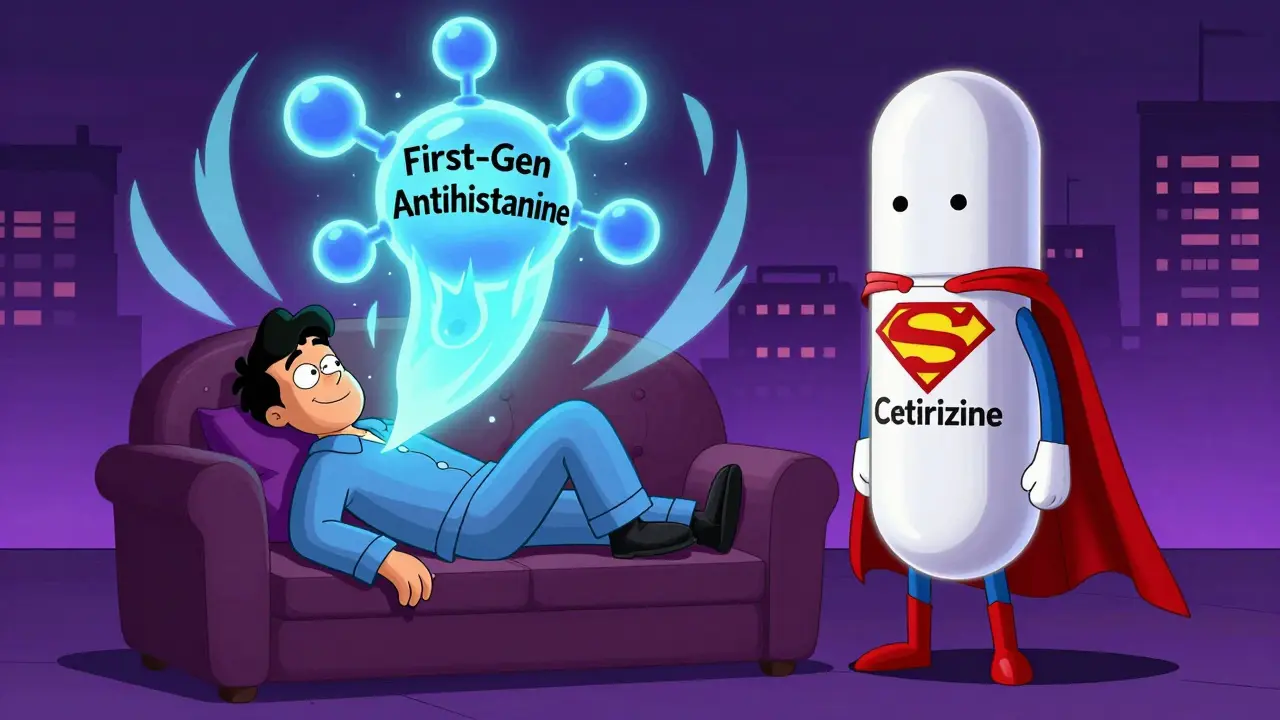
Second-Generation Antihistamines: Safer, Non-Drowsy Allergy Relief You Can Trust
Second-generation antihistamines like cetirizine, loratadine, and fexofenadine offer effective allergy relief without the drowsiness of older meds. Learn how they work, which one suits you, and why nasal sprays are still often needed.
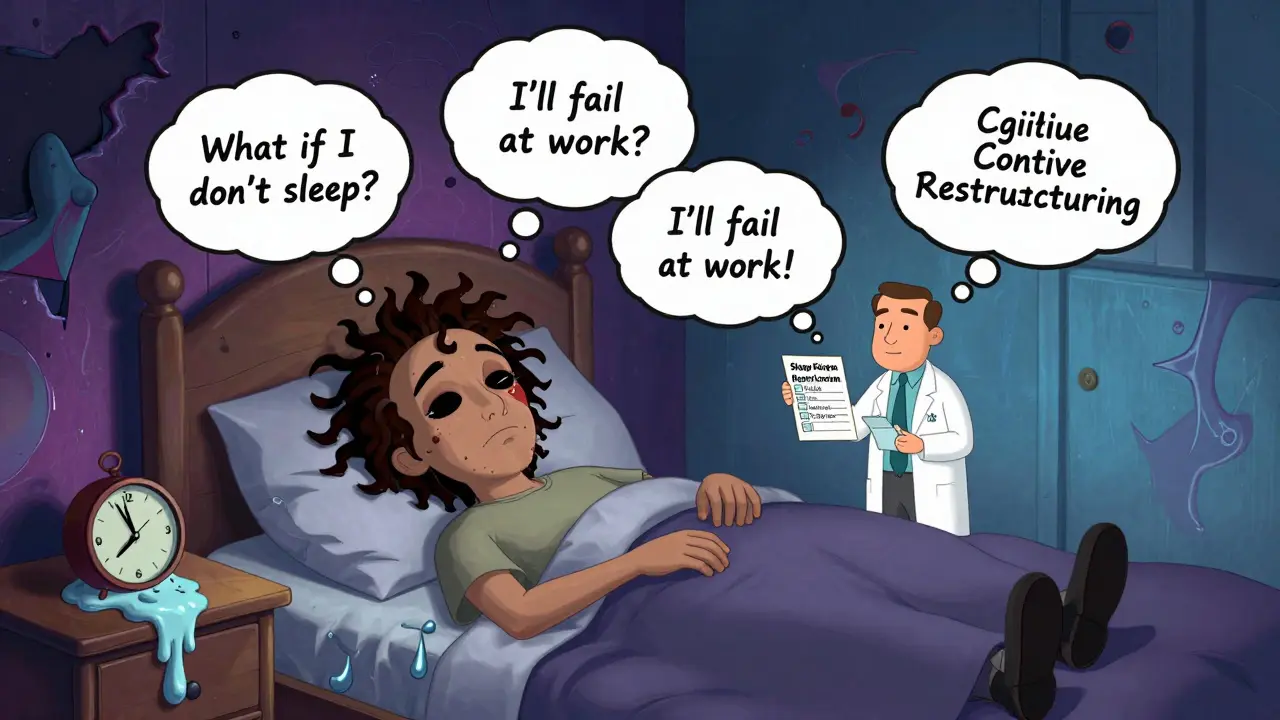
Insomnia: Why Cognitive Behavioral Therapy Beats Sleep Medications Long-Term
CBT-I is the most effective long-term treatment for insomnia, outperforming sleep medications in durability and safety. Learn how it works, why it beats pills, and how to start today.
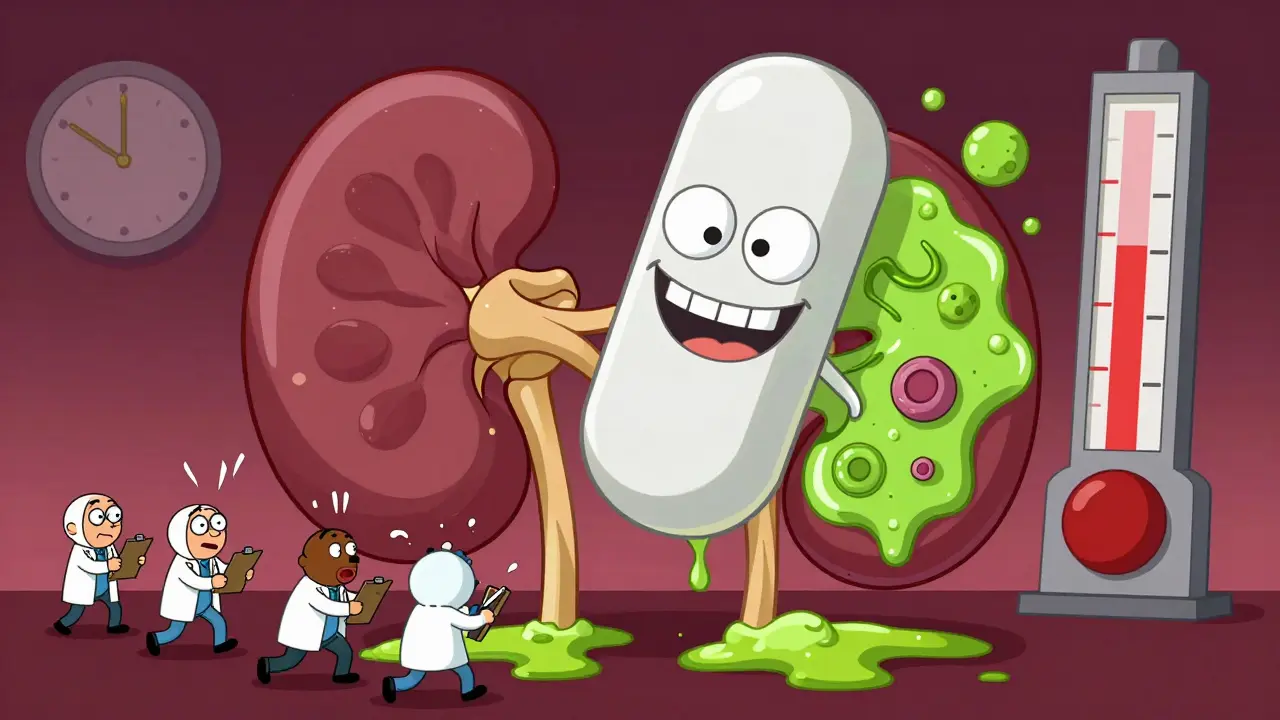
Aminoglycoside Antibiotics and Kidney Damage: What You Need to Know About Nephrotoxicity
Aminoglycoside antibiotics like gentamicin and amikacin are lifesavers for severe infections but carry a 10-25% risk of kidney damage. Learn how they harm the kidneys, who’s most at risk, and how to prevent lasting injury.
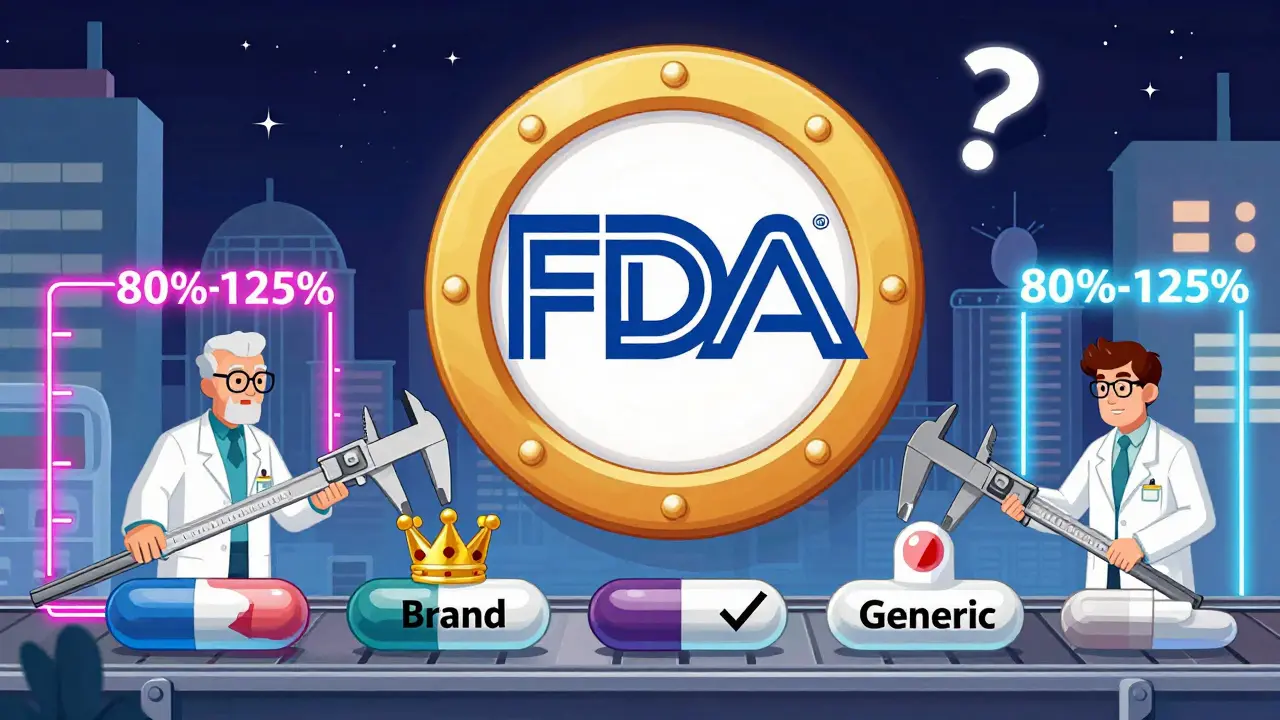
How the FDA Ensures Generic Drugs Work the Same as Brands
The FDA ensures generic drugs work the same as brand-name drugs through strict bioequivalence testing, identical active ingredients, and rigorous manufacturing standards. Over 90% of U.S. prescriptions use generics, saving billions annually.
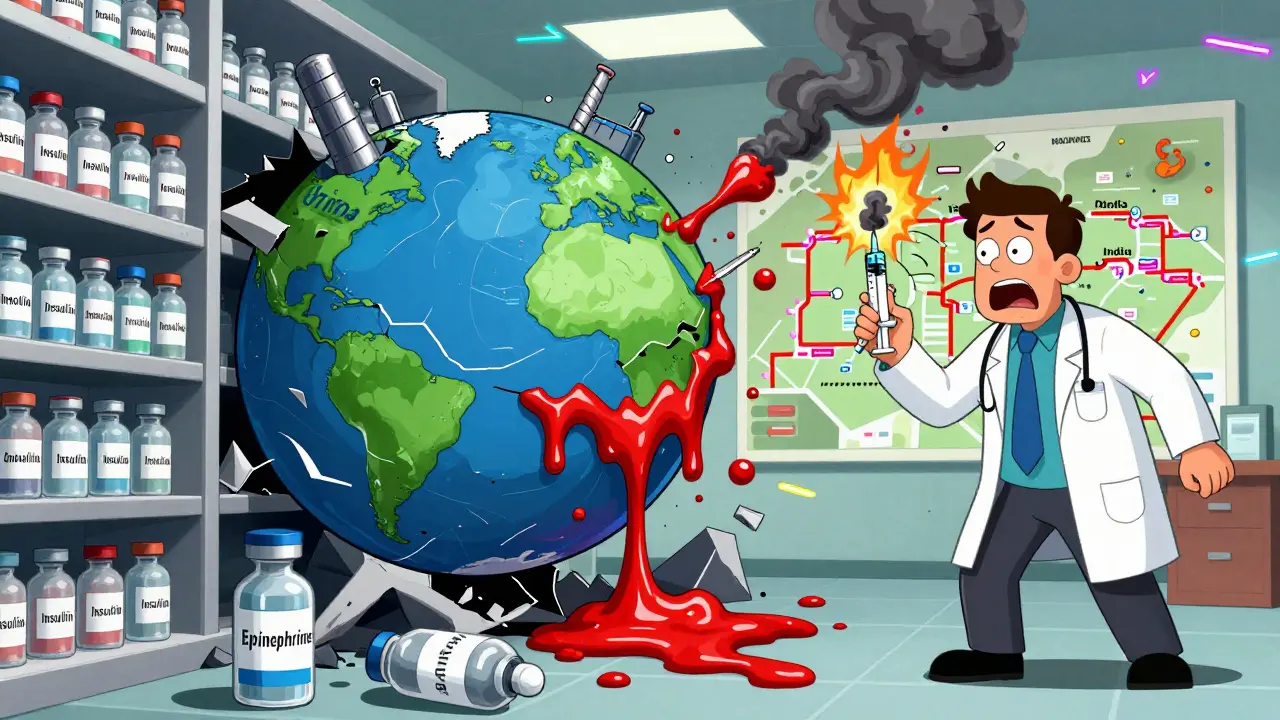
Long-term Solutions: Building Resilience into the Drug Supply
Drug shortages are a growing crisis caused by fragile global supply chains. Long-term solutions include diversifying suppliers, stockpiling critical drugs, using AI for risk prediction, and enforcing cybersecurity standards to ensure patients always have access to essential medicines.
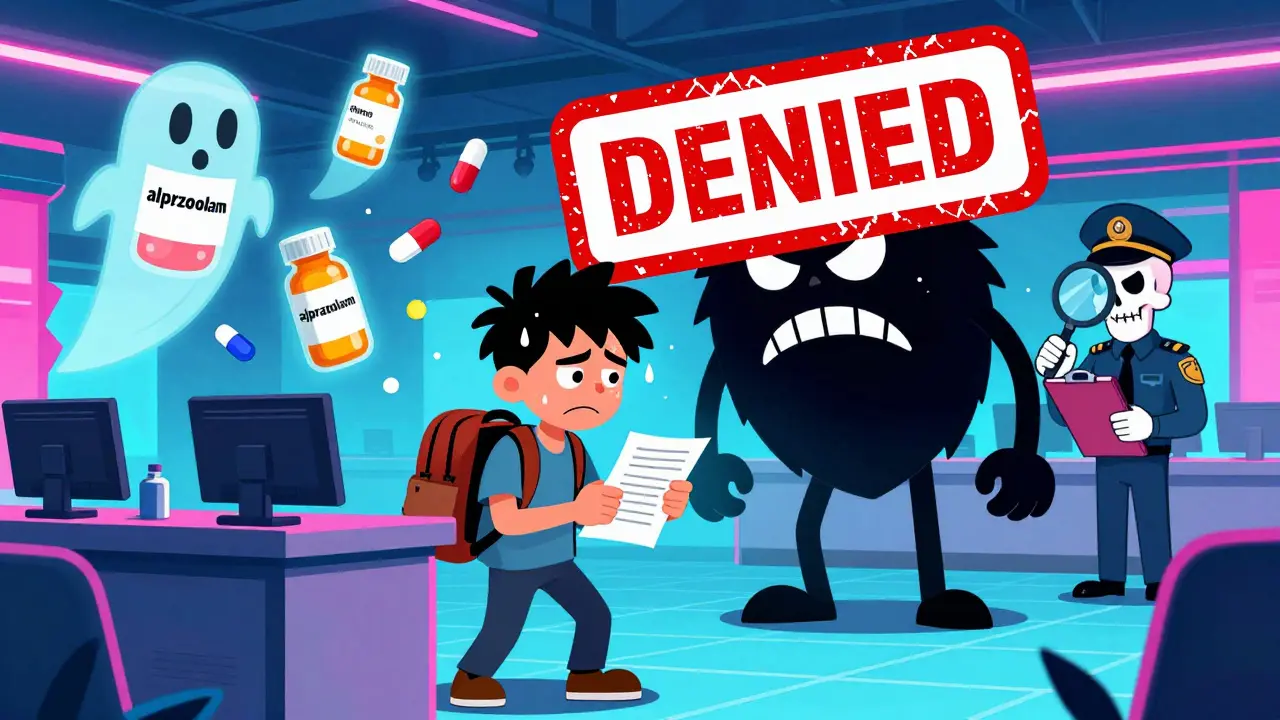
Doctor's Letter for Controlled Substances During International Travel: What You Must Know
A doctor's letter for controlled substances is essential for international travel with prescription meds like opioids, ADHD drugs, or benzodiazepines. Without it, you risk detention, fines, or confiscation. Learn what the letter must include and how to avoid common mistakes.
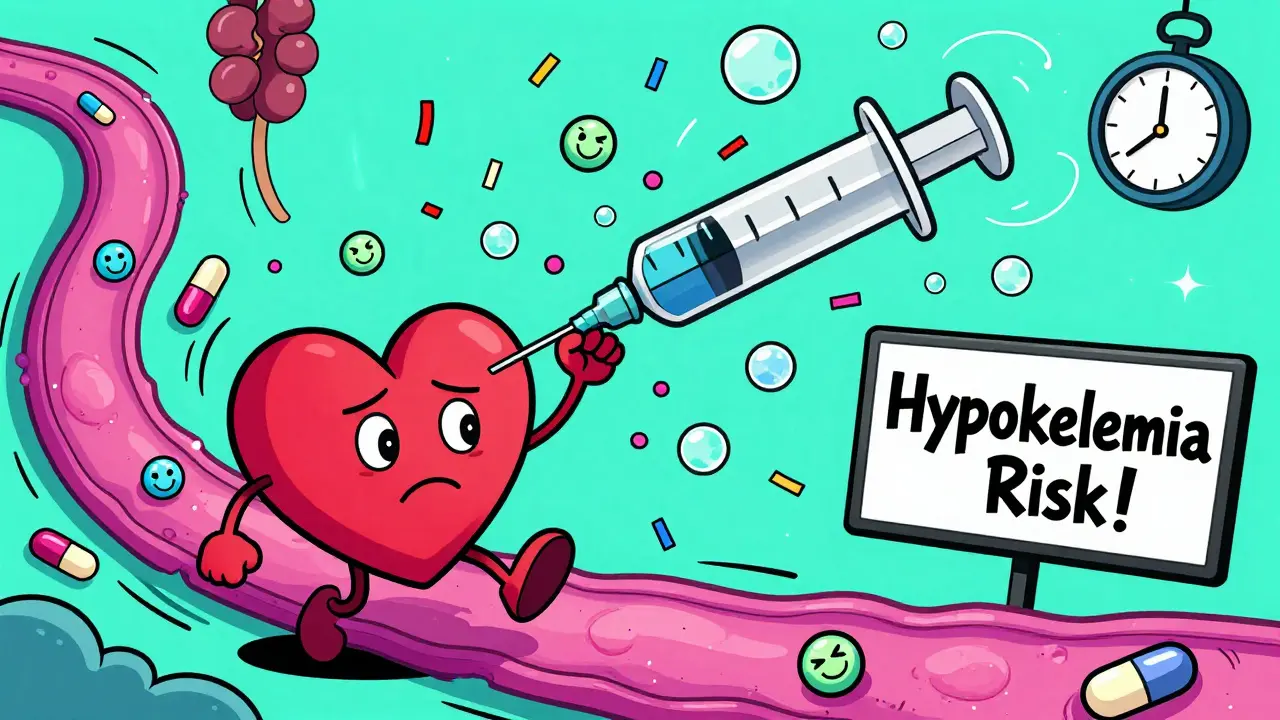
Managing Diuretics and Hypokalemia in Heart Failure Patients: Practical Tips
Diuretics are vital for heart failure patients but often cause dangerous low potassium levels. Learn how to manage hypokalemia with MRAs, SGLT2 inhibitors, dosing strategies, and dietary tips to protect heart rhythm and improve outcomes.

Antihistamines and Dementia Risk: What Older Adults Need to Know
First-generation antihistamines like Benadryl may increase dementia risk in older adults due to anticholinergic effects. Second-gen options like Claritin and Zyrtec are safer. Learn what the latest research says and how to protect your brain.