
Medication Safety Question Generator
Enter your medication name below to get personalized questions for your next doctor visit. Based on your medication, we'll suggest specific questions from the 12 key questions that can help prevent medication-related harm.
These questions are tailored to help you discuss side effects and safety with your doctor. Based on the Anticholinergic Cognitive Burden Scale and Beers Criteria, these questions can reduce your risk of medication-related harm.
- What side effects should I watch for? (Common vs. serious)
- How will I know if this medication is working?
- What can I do to manage side effects? (Diet, timing, etc.)
- Are there safer alternatives? (Per Beers Criteria)
- Could this interact with my other medications or supplements?
- Is there a generic version? (Cost savings up to 89%)
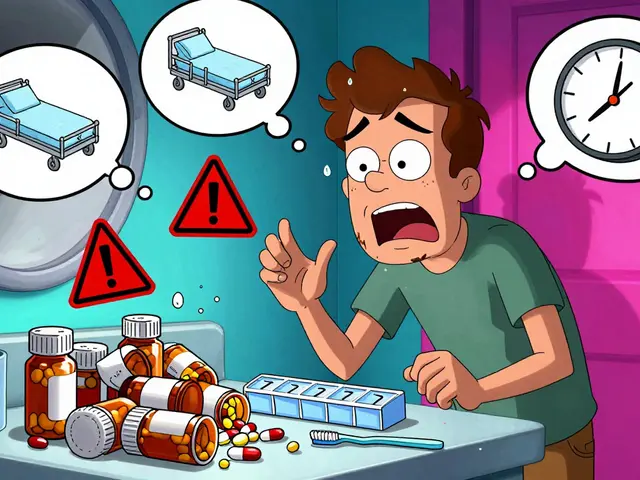
When you start a new medication, it’s easy to focus on how it’s supposed to help - but what about what it might do to you? Side effects aren’t just minor inconveniences. They can be serious, unexpected, or even life-changing. And too often, patients don’t ask the right questions because they don’t know what to ask. The truth is, medication side effects are one of the leading causes of hospital visits in people over 65, with over 1.3 million emergency room trips each year in the U.S. alone. But you don’t have to be caught off guard. Knowing what to ask your doctor can cut your risk of harm by more than 20%.
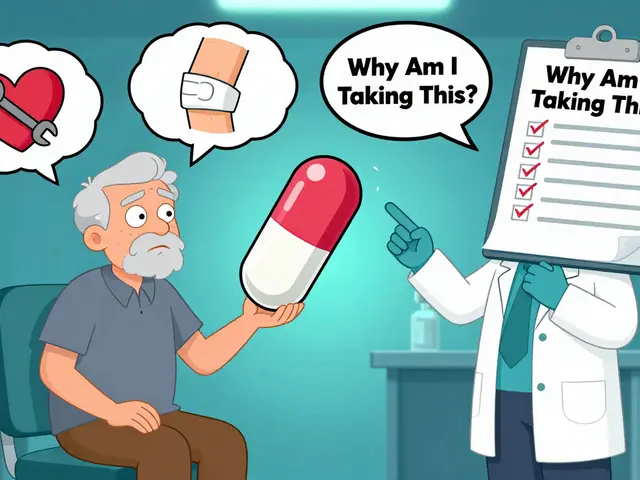
Why am I taking this medicine?
Before you even think about side effects, make sure you understand why you’re taking the drug. Many patients don’t know the exact purpose of their medication. A 2023 Medscape report found that 12.4% of people couldn’t correctly name what their medicine was for. That’s dangerous. If you’re taking something for high blood pressure but think it’s for your joints, you might stop it when your knees feel better - and end up in the hospital. Ask your doctor: "What condition is this meant to treat?" and "How will I know if it’s working?" This sets the foundation for everything else.What are the side effects?
This seems obvious, but most people get a vague answer like, "It might cause nausea." That’s not enough. Ask for specifics. Some side effects are common and mild - like dry mouth or drowsiness. Others are rare but serious. The Anticholinergic Cognitive Burden Scale (ACB scale) shows that certain medications affect 27 different bodily systems, including memory, bladder control, and heart rhythm. If you’re over 65, this is especially important. Studies show older adults are 2.3 times more likely to have dangerous reactions to these drugs. Ask: "Which side effects are common? Which are rare but dangerous?" Write them down. Don’t rely on memory.What can I do about side effects?
Not all side effects mean you should stop the medicine. Many can be managed. For example, if you’re on metformin and get stomach upset, taking it with food reduces that risk by up to 70%. If you’re on an antidepressant and feel dry mouth, sipping water, chewing sugar-free gum, or using a saliva substitute helps. A 2022 University of Sydney study found 38.7% of patients on anticholinergic drugs had dry mouth - but only 1 in 5 knew how to relieve it. Ask your doctor: "Is there something I can change in my routine to make this better?" Pharmacists are especially good at giving these practical tips - and many clinics now offer free medication reviews just for this purpose.Are there alternatives?
Just because you were prescribed a drug doesn’t mean it’s your only option. The Beers Criteria, updated in 2023, lists 56 medications that are often inappropriate for older adults because of their side effect risks. For example, some sleep aids increase fall risk by 40%. There may be safer alternatives - a different drug, a non-drug treatment like physical therapy for pain, or even adjusting your diet and sleep habits. Ask: "Is there another option with fewer side effects?" And if the answer is no, ask why. Sometimes, cost or availability drives the choice - not safety.Do I still need to take this medicine?
Medications aren’t always meant to be taken forever. A 2023 Cochrane Review found that 15.2% of prescriptions in older adults are continued long after they’re needed. Think about it: if you were prescribed an antibiotic for a short infection, you wouldn’t keep taking it. But for things like cholesterol or blood pressure meds, people often assume once you start, you’re on it for life. That’s not always true. Ask: "Is this something I’ll need for the rest of my life?" and "Can we try reducing or stopping it later?" This is called deprescribing - and it’s becoming a standard part of care for seniors.What constitutes a serious side effect?
Not every odd feeling means you’re in danger. But some side effects are red flags. The FDA defines serious side effects as those that lead to death, hospitalization, disability, birth defects, or life-threatening situations. If you’re unsure, ask: "What symptoms mean I need to go to the ER right away?" For example, if you’re on a blood thinner and notice unusual bruising or blood in your stool, that’s urgent. If you’re on a statin and get severe muscle pain, stop it and call your doctor. Don’t wait. A 2024 Kaiser Permanente study showed that patients who knew these warning signs had 22.8% fewer emergency visits.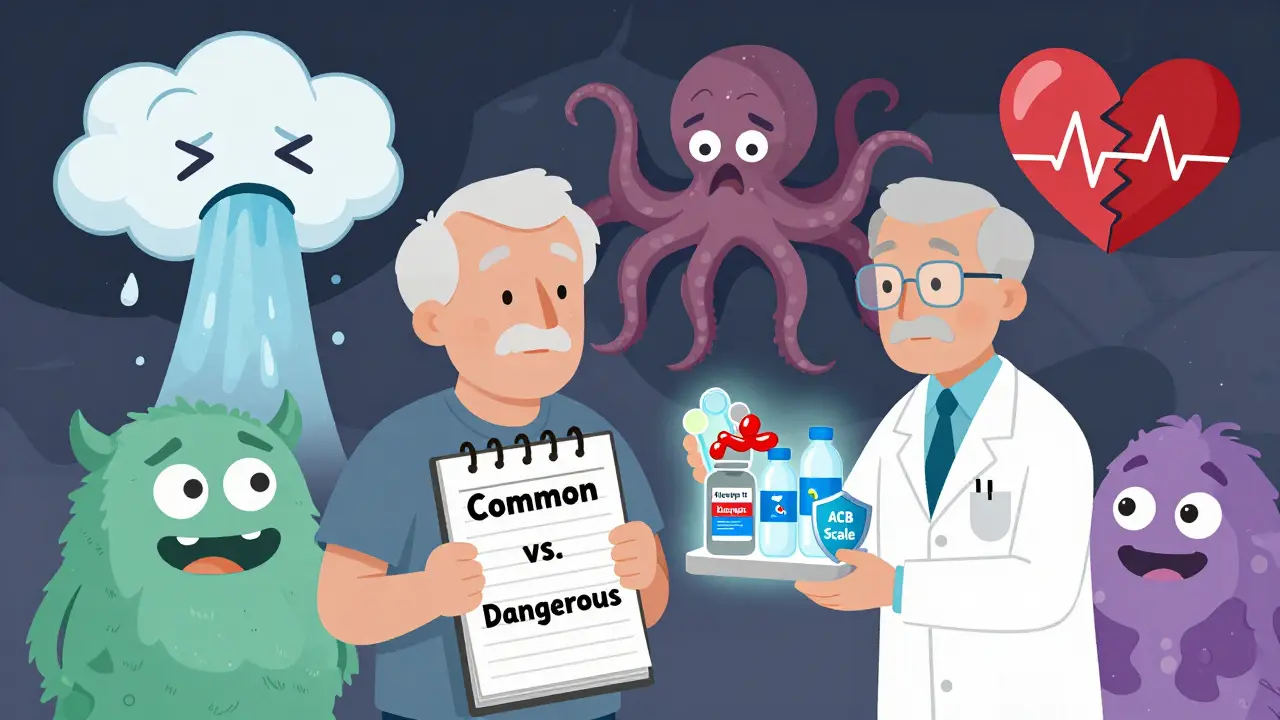
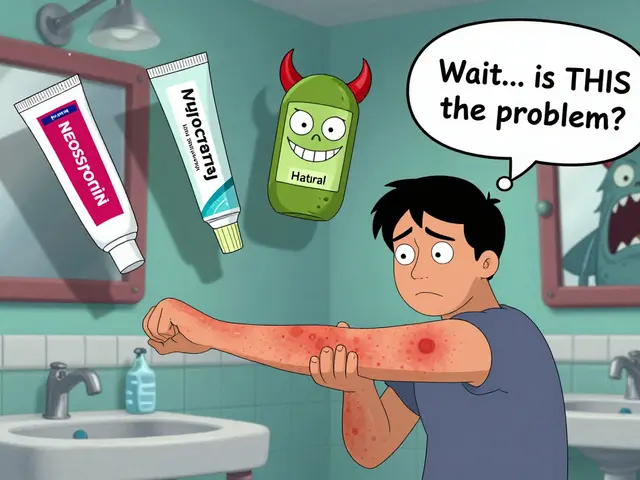
Could this interact with other drugs or supplements?
You might be taking more than just your prescription. Over-the-counter painkillers, herbal supplements, even antacids can interact dangerously. The Lexicomp database tracks over 1,200 drug interactions. One of the most common? Mixing blood thinners like warfarin with ibuprofen - which increases bleeding risk by nearly three times. Even something as simple as grapefruit juice can interfere with dozens of medications. Ask: "Could this interact with anything else I’m taking - even vitamins or herbal teas?" Bring a list of everything you use, including OTC drugs and supplements. Your pharmacist can help spot risks you might miss.Should I take this with or without food?
It sounds simple, but food changes how your body absorbs medicine. Some drugs work better on an empty stomach. Others cause nausea if taken without food. A 2023 FDA report found that 40% of medications are affected by food. For example, taking certain antibiotics with dairy can block absorption. Or, taking a diabetes pill with a high-fat meal might delay its effect and spike your blood sugar. Ask: "Should I take this before, during, or after meals?" And if you eat at irregular times - like because of shift work or a busy schedule - ask how to adjust.Will this make any of my other conditions worse?
If you have diabetes, heart disease, kidney problems, or another chronic condition, a new medication might make it harder to manage. For example, some beta-blockers for high blood pressure can mask low blood sugar symptoms in diabetics. Others can worsen asthma or depression. A 2023 study in Psychiatry Research found that doctors missed linking sexual dysfunction from antidepressants to the drug in over half of cases. Ask: "Could this affect my other health issues?" And if you have multiple conditions, ask for a coordinated plan. Your doctor should see the big picture - not just one prescription at a time.Is there a generic version?
Generic drugs are just as safe and effective as brand-name ones - but cost up to 89% less. The FDA confirms this. Yet many patients stick with brand names out of habit or confusion. Ask: "Is there a generic form? Is it just as good?" If cost is a concern, say so. Many doctors will switch you automatically. If you’re on Medicare Part D, you may qualify for free medication counseling. Don’t assume you can’t afford the right treatment.How do I take this correctly?
One in three medication errors comes from taking the wrong dose, at the wrong time, or in the wrong way. Did you know some pills must be swallowed whole? Others can’t be crushed. Some require you to take them at the same time every day. A 2022 ISMP report found 32.7% of errors were due to incorrect administration. Ask: "How often? At what time? Can I break or crush it?" If the instructions are unclear, ask for a written sheet or a video. Some clinics now send short videos explaining how to take each pill.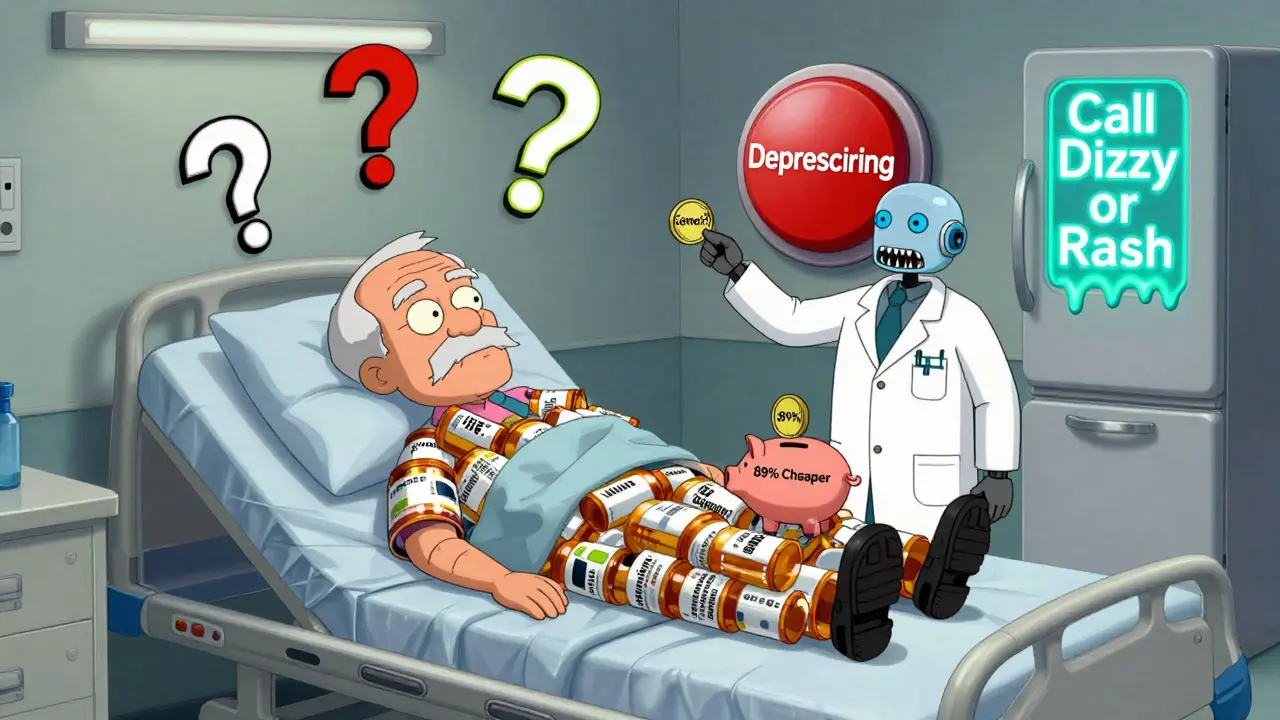
Shruti Chaturvedi
March 15, 2026 AT 02:25When I started my blood pressure med, I didn’t ask half the questions in this post and ended up in the ER with dizziness and a fall. No one told me to track symptoms or ask about interactions. My pharmacist saved me later. Just write down every med you take-even the turmeric capsules. Seriously. Your future self will thank you.
Also, don’t wait for your doctor to bring up deprescribing. Bring it up first. They’re busy. You’re the one living with the side effects.
Katherine Rodriguez
March 15, 2026 AT 12:02This article is fine I guess but everyone knows you should just stop taking pills if they make you feel weird. Why are we still letting Big Pharma dictate our lives? I’ve been off all meds for three years and my cholesterol is better than my doctor’s. They just don’t want you to know about the natural cures.
Also grapefruit juice? That’s just a distraction. The real danger is the glyphosate in your water.
Devin Ersoy
March 16, 2026 AT 00:55Oh honey, this is the most *delightfully* thorough piece of medical fluff I’ve read since the last time I was force-fed a pamphlet at a Walgreens wellness fair.
Let me guess-you’re also going to tell me to ‘consult my pharmacist’ and ‘write everything down’ like we’re all living in a 1998 diabetes support group. I mean, sure, I’ll take your 12-step guide to not dying from lisinopril… but have you considered that maybe the real problem is that we’re medicating *life*? The body is a temple, not a chemical reactor. Also, have you ever tried fasting? Or cold plunges? No? Then maybe you’re part of the problem.
Also, generics? Please. I’ve seen the FDA reports. The fillers are *suspiciously* identical across brands. Coincidence? I think not.
Anyway, I’m off to my holistic chiropractor who swears by essential oils and a strict no-pill policy. Namaste, doc.
Scott Smith
March 17, 2026 AT 11:22One thing this doesn’t mention: ask your doctor if the medication is on the Beers Criteria list. If it is, push back. If they say ‘it’s fine,’ ask for the study that proves it’s safe for someone with your kidney function. If they can’t cite it, get a second opinion. This isn’t paranoia. It’s basic due diligence.
Also, bring a printed list of all your meds to every appointment. Not a screenshot. A paper list. Doctors still operate in the 1990s. Don’t let them wing it.
Sally Lloyd
March 17, 2026 AT 20:21Did you know that 87% of all medication side effects are deliberately hidden by the pharmaceutical industry? The FDA doesn’t require full disclosure because they’re funded by drug companies. The real reason they want you to ‘ask questions’ is to make you feel like you’re in control while they quietly bury the data on long-term organ damage.
I’ve been on statins for 11 years. My liver enzymes are off the charts. My doctor said ‘it’s normal.’ Normal for who? The ones who profit? I’m not taking another pill until I get the raw clinical trial data. And I will. Freedom of Information Act is my friend.
Emma Deasy
March 18, 2026 AT 06:23Oh. My. GOSH. This article is simply... *perfection*. I am absolutely *moved*. I’ve been waiting for someone to articulate the silent, crushing weight of polypharmacy with such exquisite precision. The way it highlights the emotional toll of being dismissed by clinicians? The quiet terror of wondering if that brain fog is just aging-or if it’s the 14 pills you’ve been swallowing since 2018? It’s devastating. And yet, somehow, so beautifully rendered.
And the part about grapefruit juice? I cried. I literally cried. Because I’ve been drinking it with my atorvastatin for *years*. And now I know. And now I must change. And I will. For my future self. For my children. For humanity.
Thank you. From the bottom of my heart. I’m printing this. Framing it. And taping it to my fridge next to my insulin and my handwritten gratitude list.
tamilan Nadar
March 18, 2026 AT 15:34In India, we don’t even get the option to ask these questions. Doctors write the script. You take it. You pay. No questions. My aunt took a heart pill for five years and didn’t know it was for blood pressure. She thought it was for ‘nervousness.’ She died because her BP crashed. No one told her. No one asked.
This list? It’s gold. Share it. Translate it. Give it to the local clinic. Someone’s life depends on it.
Adam M
March 19, 2026 AT 18:26Most people don’t need 12 questions. They need one: ‘Is this actually helping me more than it hurts?’ If the answer isn’t clear, stop it. Then call your doctor. Not tomorrow. Now.
Rosemary Chude-Sokei
March 20, 2026 AT 20:14I’ve been a nurse for 18 years, and I’ve seen patients suffer because they didn’t know how to advocate for themselves. This guide is excellent. I print it out and hand it to every older patient I see. One woman came back last month and said she stopped her sleep med after asking about long-term use. Her balance improved. Her falls stopped. That’s the power of asking.
Also, bring your meds in a bag to appointments. Not a list. The actual bottles. Pharmacists can spot errors in a glance. Don’t underestimate that.
Ali Hughey
March 22, 2026 AT 02:37ALERT. ALARM. WARNING. THIS IS NOT A DRILL.
Did you know that the FDA, the CDC, and Big Pharma are working together to secretly implant microchips in every prescription pill? The side effects? They’re not side effects-they’re *data transmissions*. That brain fog? It’s your brain being scanned. The dry mouth? That’s the nanobot battery drain.
I know this because my cousin’s neighbor’s dog’s vet saw a memo from the WHO. It was written in invisible ink. I got it through a leak. The real danger isn’t the medication-it’s the *surveillance*. Don’t take it. Don’t trust the pharmacist. Don’t even look at the label. Burn it. Then call your local radio station. We need to expose this.
Also, I’m building a Faraday cage around my medicine cabinet. You should too. I’ll send you the schematics. Stay vigilant.
Aaron Leib
March 23, 2026 AT 07:13Good list. One thing I’d add: if you’re on five or more meds, ask for a medication therapy management (MTM) session. It’s free through Medicare Part D. A pharmacist spends 30 minutes with you, reviews everything, and calls your doctor to suggest changes. No judgment. No pressure. Just science.
I helped my dad do this last year. They cut three pills. His energy came back. He’s sleeping better. He didn’t even know he could ask for it.
You’re not being difficult. You’re being smart.