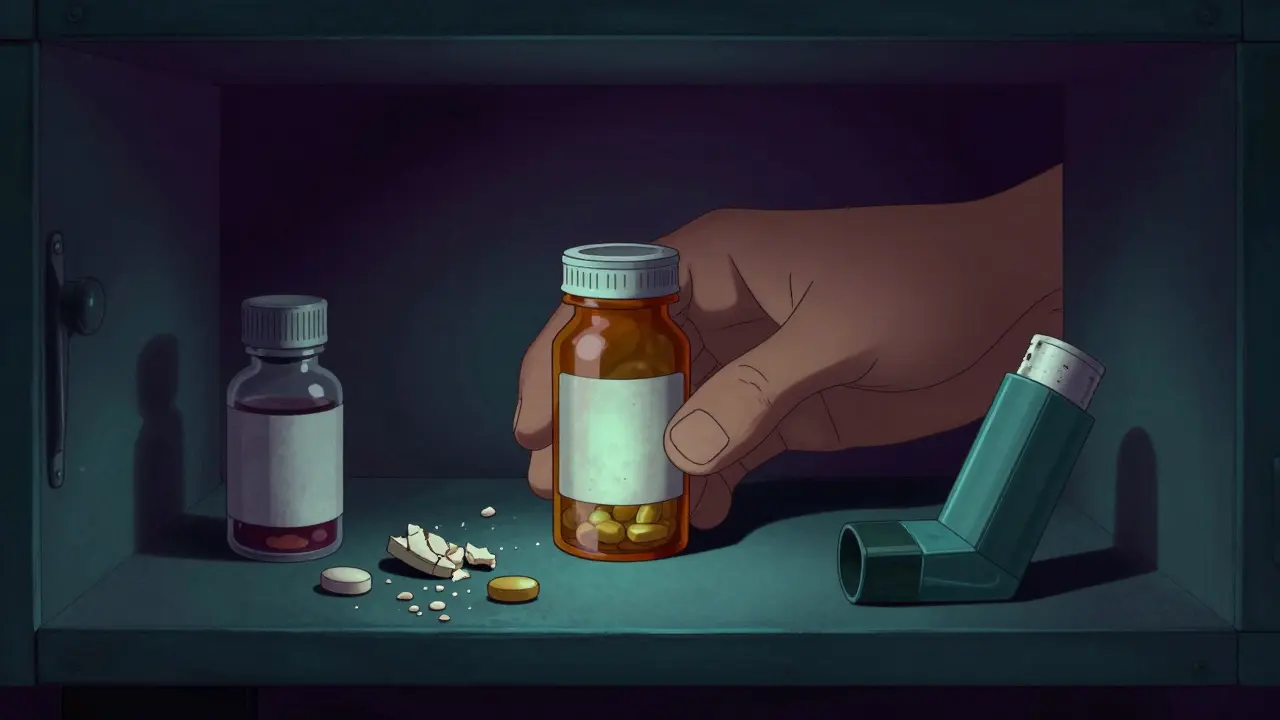
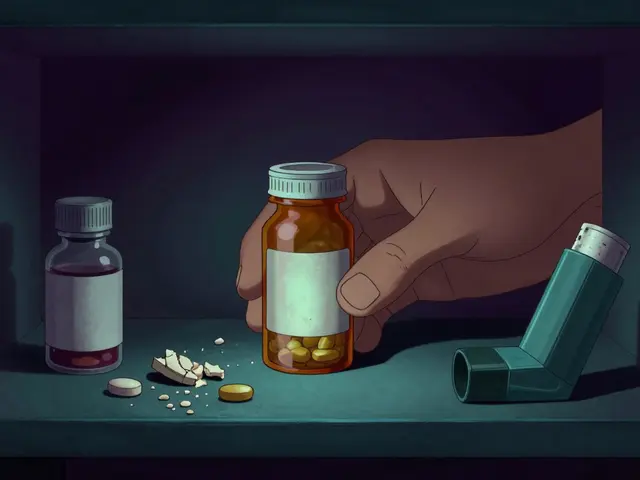
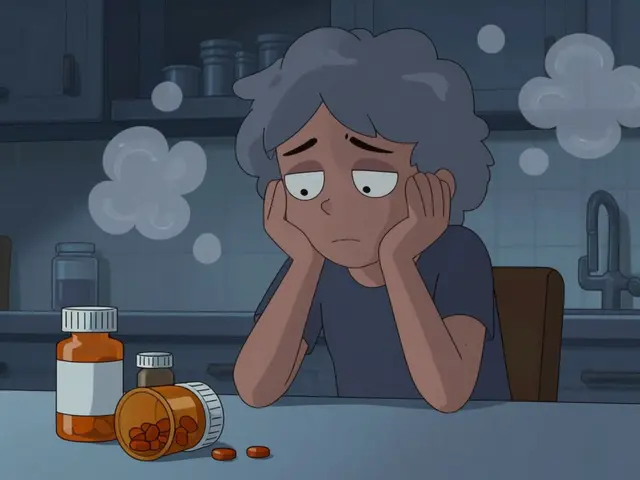
Have you ever dug through your medicine cabinet and found a bottle of pills with an expiration date from two years ago? You aren't alone. Most of us have faced that moment of hesitation: throw it away or take the risk? The short answer is complicated. For most common pills, taking an expired medication might not kill you, but it could fail to cure your illness. For others, like insulin or nitroglycerin, using them past their date can be dangerous or even life-threatening.
The expiration date on your medication isn't just a random number printed by a manufacturer hoping to sell you more drugs next year. It represents a specific scientific guarantee. Understanding what that guarantee actually means-and where it breaks down-can help you make smarter decisions about your health and save money without compromising safety.
The Science Behind the Date: Stability Testing
To understand why dates matter, we need to look at how they are determined. Since 1979, regulations in the United States (specifically FDA regulations under 21 CFR 211.137) have required pharmaceutical companies to test how long their drugs remain stable. This process is called stability testing.
Manufacturers subject drug products to extreme conditions to predict how they will degrade over time. They store samples at high temperatures (around 40°C or 104°F) and high humidity to accelerate aging. The expiration date is set as the point when the active ingredient drops below 90% of its labeled potency. If a pill is supposed to contain 500mg of antibiotic, the manufacturer guarantees it will still have at least 450mg until that date.
| Factor | Standard Condition | Impact on Shelf Life |
|---|---|---|
| Temperature | 25°C ± 2°C (77°F) | Higher temps speed up degradation by 40-60% |
| Humidity | 60% RH ± 5% | High moisture causes tablets to crumble or dissolve |
| Potency Threshold | 90% of labeled amount | Date set when drug falls below this level |
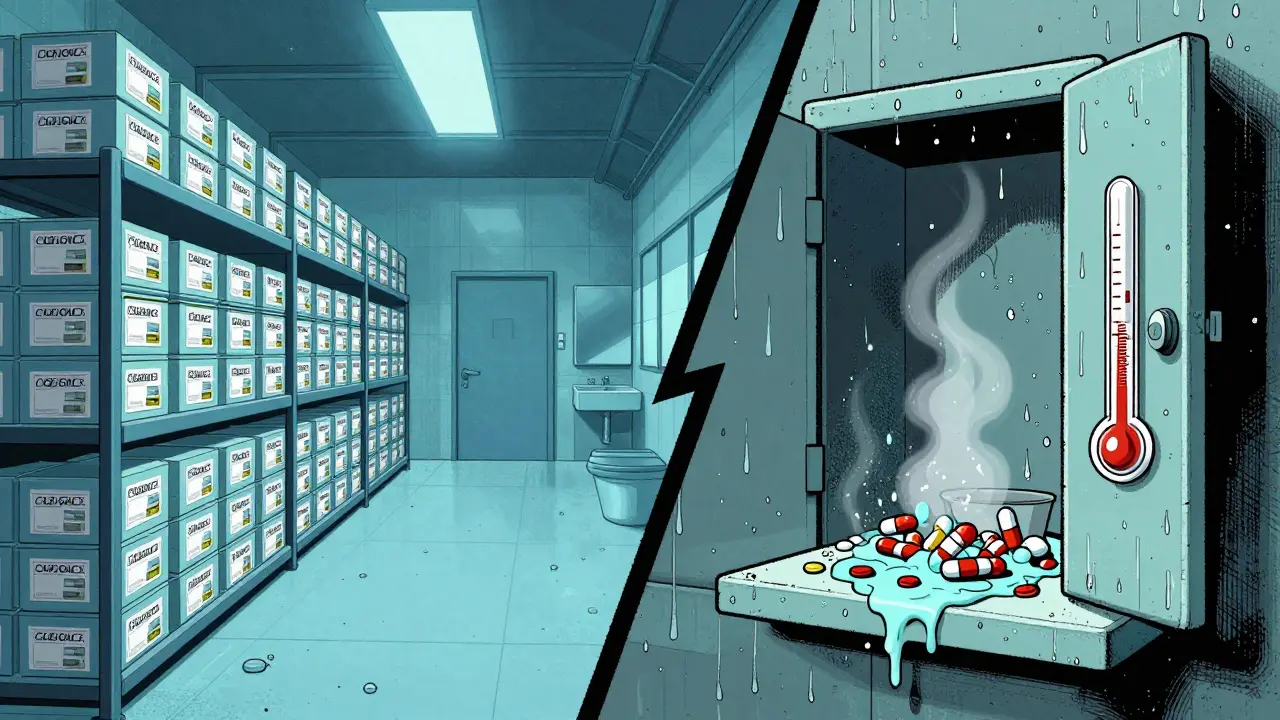
This conservative approach ensures that when you take the pill, it works exactly as prescribed. However, this testing assumes "ideal" storage conditions. If you keep your meds in a hot car or a humid bathroom, that clock starts ticking much faster.
The Military Study: Do Drugs Last Longer?
You may have heard rumors that expired drugs are fine because the military keeps stockpiles for decades. There is truth to this, but context matters. Between 1985 and 2006, the U.S. Department of Defense ran the Shelf Life Extension Program (SLEP). They tested over 122 different drug products stored in ideal, controlled conditions.
The results were surprising. Approximately 88% of those medications remained effective 15 years beyond their original expiration dates. For example, ciprofloxacin maintained 97% of its potency 12 years after expiry. Amoxicillin retained 94% effectiveness 8 years later. Dr. Lee Cantrell, Director of the California Poison Control System, published data showing some prescription drugs retained 90% potency 28 to 40 years past expiration.
However, there is a major catch. These drugs were stored in sealed, climate-controlled warehouses, not in your kitchen drawer. The SLEP program saves the government billions by extending shelf lives for emergency stockpiles, but civilian consumers rarely replicate these perfect conditions. Relying on this data for your home medicine cabinet is risky because you cannot verify if your specific bottle was exposed to heat or humidity during transport or storage.
The Dangerous Exceptions: When Expired Means Unsafe
While many solid oral medications (like pain relievers or vitamins) might lose potency slowly, some drugs degrade quickly or break down into harmful substances. Using these past their expiration date is never worth the risk.
- Nitroglycerin: Used for chest pain (angina), sublingual nitroglycerin tablets lose 50% of their potency within 3-6 months of opening the bottle, often before the printed expiration date. In a heart attack scenario, reduced potency can be fatal.
- Insulin: This protein-based hormone degrades rapidly. Studies show it loses 1.5-2.5% potency per month if exposed to temperatures above 8°C (46°F). Expired insulin can lead to dangerously high blood sugar levels.
- Liquid Antibiotics: Reconstituted antibiotics like amoxicillin-clavulanate suspension become ineffective within 14 days of mixing, regardless of the bottle's print date. Taking weak antibiotics can lead to treatment failure and antibiotic resistance.
- Epinephrine (EpiPens): Auto-injectors lose 15-20% potency annually after expiration. During anaphylaxis, every microgram counts. An under-dosed EpiPen can result in severe allergic reactions or death.
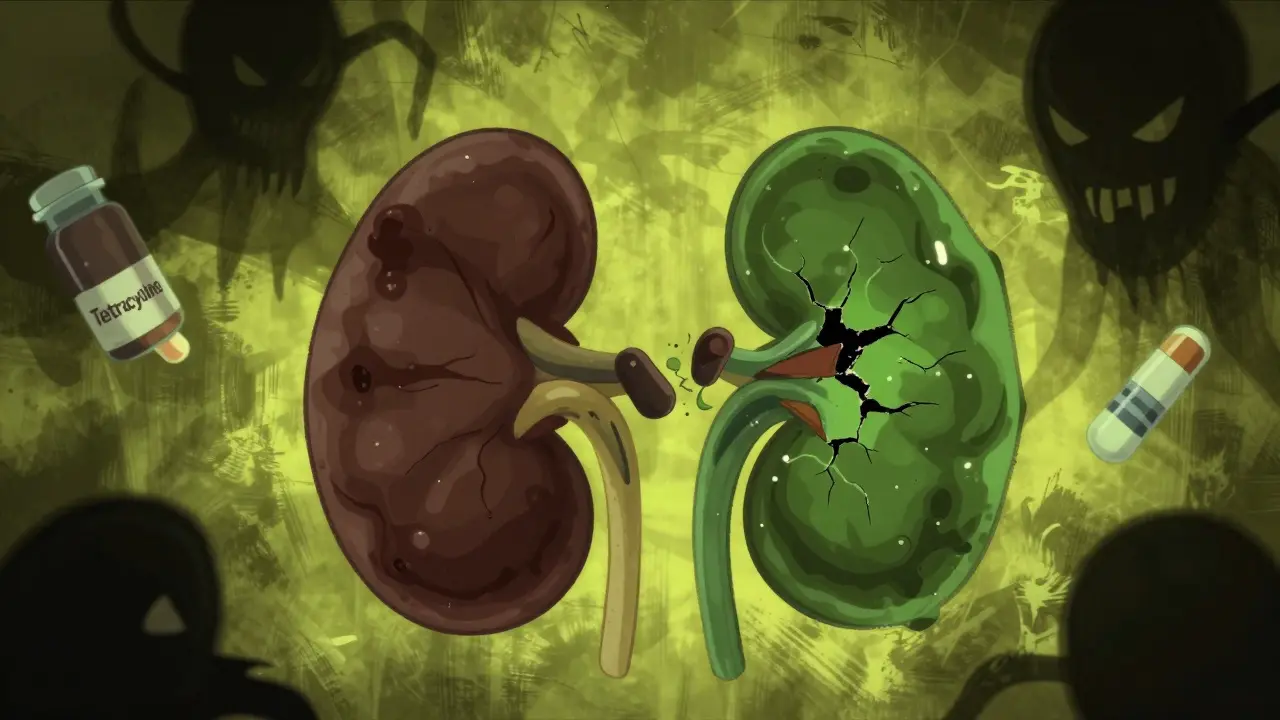
- Tetracycline: Older studies suggested this antibiotic could turn toxic and damage kidneys when expired. While modern formulations are more stable, the risk remains significant enough to avoid use entirely.
If you are treating a serious condition like seizures, heart disease, or infections, do not gamble with expired meds. The Institute for Safe Medication Practices (ISMP) categorizes these as "high risk" or "moderate risk" where reduced potency leads to immediate danger or treatment failure.
Storage Matters More Than You Think
The biggest enemy of medication longevity isn't time; it's environment. The standard expiration date assumes your drug is stored at room temperature (around 25°C) with low humidity. Most homes violate this rule.
Average bathroom humidity sits between 75-85% RH during showers. This moisture seeps into bottles, causing tablets to crumble, capsules to stick together, and chemicals to break down. A study by the European Medicines Agency found that medications stored at 30°C (86°F) degrade 40-60% faster than those at 25°C.
To maximize shelf life:
- Keep meds in their original containers with child-resistant caps sealed tight.
- Store them in a cool, dry place away from direct sunlight. A bedroom closet is better than a bathroom cabinet.
- Avoid the refrigerator unless specifically instructed (e.g., for certain insulins or eye drops). Condensation from taking cold meds out can introduce moisture.
- Check for visible changes. Discoloration (white tablets turning yellow), unusual odors, or crystallization mean the drug has degraded and should be discarded immediately.
How to Dispose of Expired Medications Safely
Once you decide to toss expired drugs, don't just flush them down the toilet or throw them in the trash without preparation. Improper disposal harms the environment and poses risks to children or pets.
The FDA recommends specific methods based on the drug type. For high-risk medications like fentanyl patches or oxycodone, flushing is recommended to prevent accidental ingestion. Check the FDA's Flush List for specifics. For most other medications, the best option is a take-back program.
In the United States, the DEA hosts National Prescription Drug Take-Back Days twice a year. In 2023, nearly 6 million pounds of unused medications were collected. Many local pharmacies also have drop-off boxes available year-round. If no take-back option exists, mix the pills with unappealing substances like dirt, cat litter, or used coffee grounds in a sealed plastic bag before throwing them in the trash. Remove all personal information from the bottle label first.
The Economic Impact of Expiration Dates
Expiration dates drive significant waste. The FDA estimates that $765 billion worth of medications are discarded annually in the U.S. due to expiration, representing 13-15% of total pharmaceutical spending. This waste affects everyone, from individuals throwing away leftover antibiotics to hospitals discarding bulk supplies.
New technologies aim to solve this. Companies like Vesta Inc. are developing smart packaging with time-temperature indicators (TTIs) that change color if a drug has been exposed to unsafe conditions. The FDA is also piloting real-time stability monitoring using Bluetooth sensors, which could update expiration dates dynamically based on actual storage history rather than fixed dates. Early trials suggest this could reduce unnecessary discards by 22%, particularly for sensitive biologics like insulin.
Is it safe to take expired Tylenol or Ibuprofen?
For most people, taking expired acetaminophen (Tylenol) or ibuprofen (Advil/Motrin) is unlikely to cause harm, but it may be less effective. These solid oral dosage forms are generally stable. However, if the pills look discolored, crumbly, or smell odd, discard them. Never use expired medication for critical conditions like severe pain management where precise dosing is vital.
Why do liquid antibiotics expire so quickly after mixing?
Liquid antibiotics start as powders to preserve stability. Once mixed with water, the chemical structure becomes vulnerable to degradation and bacterial growth. Most reconstituted suspensions lose efficacy within 7-14 days, regardless of the original bottle's expiration date. Always follow the pharmacist's instructions for disposal after this period.
Can I store my medications in the freezer to extend their life?
Generally, no. Freezing can alter the chemical structure of many medications, especially liquids and creams. Unless the label specifically says "freeze," store meds at room temperature. Extreme cold can cause capsules to crack or emulsions to separate, rendering the drug ineffective.
What does "Beyond-Use Date" mean on pharmacy labels?
When a pharmacist dispenses medication from a large stock bottle, they assign a "beyond-use date." This is typically one year from dispensing for solid pills, or 30 days for eye drops. This date is shorter than the manufacturer's expiration date because the drug has been exposed to air and handling during dispensing. Always follow the date on your pharmacy label, not the original box.
Are generic drugs less stable than brand-name medications?
No. Generic drugs must meet the same FDA stability testing requirements as brand-name equivalents. They contain the same active ingredients and must demonstrate equivalent potency and shelf life. Any differences in expiration dates are due to specific formulation tests, not quality inferiority.

Stephanie Francis
June 5, 2026 AT 15:08Daniel Tremblay
June 6, 2026 AT 11:51Henri-Paul Soulodre
June 7, 2026 AT 16:48Lenny Cruz
June 7, 2026 AT 23:07Alyssa Zucker
June 8, 2026 AT 15:09Francis Saul
June 9, 2026 AT 17:28Dave Villeneue
June 10, 2026 AT 11:11Brian Irwin
June 11, 2026 AT 07:34Rosy Centire
June 11, 2026 AT 12:05Aswin Ashokan
June 13, 2026 AT 02:45William Storm
June 14, 2026 AT 11:26Wendy Engelmann
June 15, 2026 AT 19:19