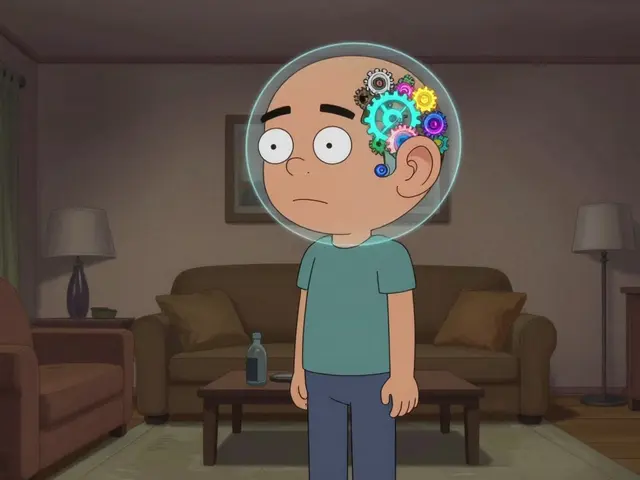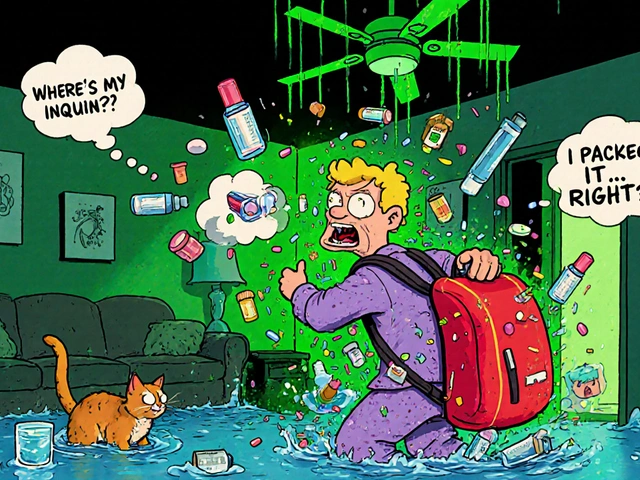
Imagine trying to read a menu while standing on a moving bus. Now imagine that feeling every time you turn your head at home. For millions of people, this isn't a hypothetical scenario-it is their daily reality. Dizziness and balance issues can make simple tasks like walking down stairs or reaching for a cup feel dangerous. The good news is that your brain has an incredible ability to adapt. Through Vestibular Rehabilitation Therapy, a specialized form of physical therapy designed to retrain the brain’s balance system, you can often regain stability and confidence without surgery or heavy medication.
What Is Vestibular Rehabilitation?
Vestibular Rehabilitation Therapy (VRT) is a customized exercise program based on neuroplasticity principles that helps the brain compensate for inner ear damage or dysfunction. Developed in the 1980s by pioneering physical therapists, VRT has become the gold standard for treating conditions like benign paroxysmal positional vertigo (BPPV), vestibular neuritis, and Meniere's disease. Unlike general fitness routines, VRT targets specific mechanisms: gaze stability, postural control, habituation to motion triggers, and sensory substitution.
The core idea is simple but powerful. When one part of your balance system-the inner ear-fails, your brain learns to rely more heavily on your eyes and body sensations. VRT speeds up this learning process through targeted repetition. According to clinical data from studies published in PubMed Central, consistent VRT practice improves gaze stability by 68% and overall balance by 73%. It also reduces headache frequency by 37% and nausea by 42%, making it a highly effective non-invasive treatment option.
How Vestibular Exercises Work
Your balance depends on three systems working together: your inner ears (vestibular system), your eyes (visual system), and your muscles/joints (somatosensory system). When these signals don’t match-for example, if your inner ear says you’re spinning but your eyes see a still room-your brain gets confused, leading to dizziness or vertigo.
VRT uses four main strategies to fix this mismatch:
- Gaze Stability Training: Keeping your eyes focused on a target while moving your head. This retrains your vestibulo-ocular reflex (VOR), which normally keeps your vision steady during movement.
- Habituation Exercises: Repeatedly exposing yourself to movements that trigger dizziness so your brain stops overreacting to them.
- Balance Retraining: Practicing standing and walking with reduced support bases (like one foot) or uneven surfaces to strengthen postural control.
- Sensory Substitution: Teaching your brain to rely more on vision or touch when vestibular input is unreliable.
For instance, if you have BPPV-a condition affecting about 2.4% of the population-you might perform the Epley maneuver, a series of head positions that move displaced crystals out of your semicircular canals. For chronic cases like vestibular neuritis, you’d focus on gradual exposure to provocative movements until your nervous system adapts.
Fall Prevention: Why Balance Matters More Than You Think
Falls are not just inconvenient-they’re deadly. In the United States alone, nearly 3 million adults over 65 suffer serious fall-related injuries each year. But here’s the twist: most falls aren’t caused by age itself. They result from untreated balance disorders that go unrecognized until someone takes a tumble.
This is where VRT shines. Research shows that structured vestibular rehab decreases fall risk by up to 53%. How? By improving reaction time, enhancing spatial awareness, and building muscle memory for stable movement patterns. One patient reported going from falling three times per week to zero incidents after twelve weeks of dedicated therapy.
Consider Rhonda, a retired teacher who struggled with frequent dizzy spells that kept her confined to her living room. After starting VRT, she learned techniques to manage her vertigo safely. Within two months, she was gardening again-and even joined a local dance class. Her story isn’t unique; it reflects what happens when we treat the root cause rather than masking symptoms with pills.

Building Your Home Exercise Routine
You don’t need fancy equipment to start benefiting from vestibular exercises. Most programs require only space, patience, and consistency. Here’s how to structure your routine:
- Start Small: Begin with five-minute sessions twice daily. Gradually increase duration as tolerance builds.
- Focus on Quality Over Quantity: Perform each movement slowly and deliberately. Rushing defeats the purpose.
- Track Progress: Keep a journal noting symptom intensity before and after exercises. Look for trends over weeks, not days.
- Challenge Yourself Safely: Once basic exercises feel easy, add complexity-close your eyes, stand on one leg, or walk backward.
A typical session might include:
- Head turns while fixing gaze on a stationary object (gaze stabilization)
- Standing heel-to-toe with arms crossed (balance training)
- Walking forward/backward/sideways across a room (dynamic mobility)
- Repeating motions that previously triggered dizziness (habituation)
Remember: temporary worsening of symptoms during early stages is normal. As one Reddit user put it, “Each controlled episode of dizziness brings me closer to my last one.” Stick with it-even brief periods of exercise several times daily yield significant results within six to eight weeks.
When to See a Specialist
While many people benefit from self-guided VRT, certain situations demand professional oversight. Consult a certified vestibular therapist if you experience:
- Sudden hearing loss accompanied by vertigo
- Severe headaches or neck pain following injury
- Inability to walk independently due to imbalance
- Persistent nausea/vomiting interfering with hydration
Specialists use advanced tools like video head impulse testing (vHIT) and rotary chair assessments to pinpoint exactly which parts of your vestibular system are malfunctioning. They then tailor exercises accordingly-something apps or generic online videos simply can’t replicate.
| Condition | Primary Symptom | Treatment Approach | Expected Recovery Time |
|---|---|---|---|
| BPPV | Short bursts of intense vertigo triggered by head position changes | Canalith repositioning maneuvers (Epley, Semont) | Immediate to few days |
| Vestibular Neuritis | Prolonged spinning sensation lasting hours to days | Gradual habituation + gaze stabilization exercises | Weeks to months |
| Meniere’s Disease | Episodes of vertigo, tinnitus, and fluctuating hearing loss | Dietary modifications + compensation-based VRT | Ongoing management required |
| Post-Concussion Syndrome | Dizziness worsened by cognitive effort or visual stress | Multi-sensory integration training | Variable; often requires long-term care |

Real-World Success Stories
Data tells us VRT works-but stories bring those numbers to life. Take Mark, a construction worker who suffered a mild traumatic brain injury on site. He couldn’t return to work because even climbing ladders made him nauseous. After eight weeks of supervised VRT combined with daily home exercises, he returned full-time-with fewer safety concerns than before his accident.
Or consider Sarah, a grandmother terrified of leaving her house since developing unexplained dizziness. She avoided grocery stores, parks, even family gatherings. With personalized guidance from her therapist, she discovered her issue stemmed from bilateral vestibular hypofunction-a rare condition where both inner ears underperform. Through intensive gaze-stabilization drills and progressive challenge activities, she regained enough confidence to attend her granddaughter’s wedding… dancing included!
These examples highlight why individualized planning matters. Generic advice won’t cut it when dealing with complex neurological adaptations. That said, motivation plays a huge role too. Patients who commit fully to their regimens consistently report better outcomes than those who sporadically participate.
Making Long-Term Changes Stick
Once you’ve achieved initial improvements, maintaining progress becomes crucial. Don’t stop exercising once symptoms ease-they’ll likely come back otherwise. Instead, integrate balance work into your lifestyle permanently:
- Practice yoga or tai chi regularly
- Walk barefoot on grass or sand whenever possible
- Try new hobbies involving coordination (dancing, rock climbing)
- Stay hydrated and prioritize sleep quality
Think of VRT less like medicine and more like education. Just as learning piano doesn’t vanish after mastering scales, neither does improved balance disappear without maintenance. Embrace lifelong movement habits, and you’ll enjoy greater freedom well into older adulthood.
How long does vestibular rehabilitation take?
Most patients notice meaningful improvement within 6-8 weeks of consistent practice. However, complete recovery timelines vary depending on severity, underlying causes, and adherence to prescribed exercises. Some individuals continue seeing benefits beyond three months.
Can I do vestibular exercises at home?
Absolutely! While initial assessment should ideally involve a specialist, ongoing maintenance can easily occur at home. Follow guided instructions carefully, track your progress, and escalate challenges gradually to avoid setbacks.
Are there side effects to vestibular rehab?
Temporary increases in dizziness or fatigue may happen initially as your brain adjusts. These usually subside quickly. Rarely, improper technique could exacerbate symptoms-which underscores the importance of proper instruction.
Does insurance cover vestibular therapy?
Many plans do, especially when referred by a physician documenting medical necessity. Check coverage details beforehand and ask providers about documentation requirements to maximize reimbursement chances.
Who qualifies for vestibular rehabilitation?
Anyone experiencing persistent dizziness, vertigo, or imbalance regardless of age or diagnosis. Whether caused by infection, trauma, aging, or idiopathic origins, VRT offers potential relief tailored specifically to your needs.