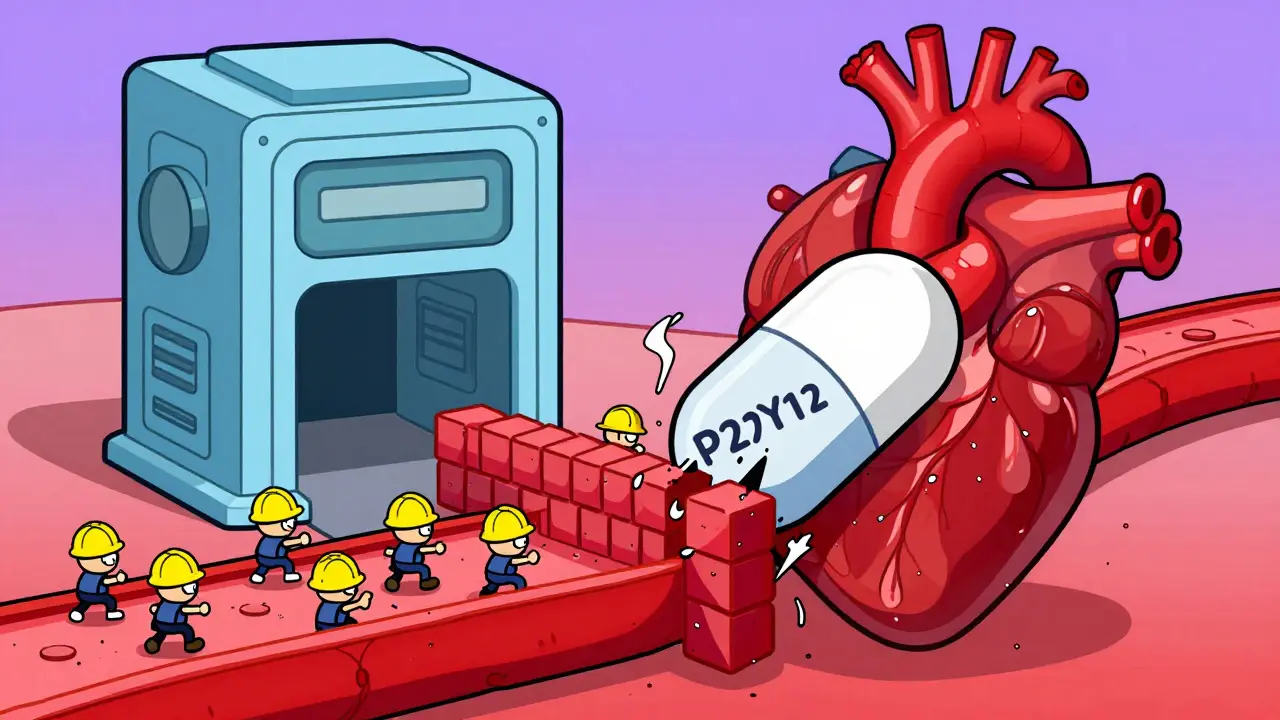
P2Y12 Inhibitor Comparison Tool
How to use: Select a medication below to view its specific risk profile and key side effects compared to others.
Clopidogrel
Lower Bleeding RiskStandard generic option
Prasugrel
Highest Bleeding RiskPotent high-risk PCI use
Ticagrelor
Moderate Bleeding RiskConsistent, reversible effect
-
Quick Stats:
If you or a loved one are taking blood thinners after a heart attack or stent placement, you've probably heard the term "P2Y12 inhibitors." It sounds like technical jargon, but these are the heavy hitters of the antiplatelet world. While they are lifesavers-stopping your blood from clotting and blocking arteries-they aren't without their downsides. The big trade-off is always the same: the more powerful the drug is at preventing a clot, the more likely it is to cause a bleed.
Choosing between Clopidogrel is a thienopyridine antiplatelet medication used to reduce the risk of heart disease and stroke, Prasugrel is a potent P2Y12 inhibitor typically reserved for high-risk PCI patients, and Ticagrelor is a non-thienopyridine antiplatelet that provides reversible platelet inhibition isn't just about efficacy. It's about managing the side effects. Whether it's the "air hunger" associated with one drug or the high bleeding risk of another, knowing what to expect can make the difference between a successful recovery and a trip back to the ER.
The Big Picture: Bleeding Risks
The most common side effect across all three medications is bleeding. Because these drugs stop platelets from sticking together, your body can't plug leaks as effectively. This can range from a bruise that won't go away to serious internal bleeding. However, not all these drugs carry the same risk level.
Prasugrel is often seen as the most aggressive. In the TRITON-TIMI 38 trial, it was clear that while Prasugrel was great at stopping heart attacks, it led to more major bleeding (2.4%) and fatal bleeding (0.4%) compared to Clopidogrel. Ticagrelor also carries a slightly higher bleeding risk than Clopidogrel, as seen in the PLATO trial, though it's generally considered more consistent in its effect.
For most people, this means gastrointestinal bleeding is the primary concern, occurring in about 0.5% to 1.5% of patients. If you're over 75 or weigh less than 60 kg, the risk with Prasugrel spikes significantly. This is why doctors are often hesitant to prescribe it to elderly patients-some have seen hemoglobin levels drop drastically, which is a red flag for internal bleeding.
Specific Side Effects: What Makes Them Different?
Beyond the general risk of bleeding, each drug has its own "personality" when it comes to adverse reactions. Ticagrelor is the outlier here. About 14-16% of people taking it experience dyspnea, which is a fancy way of saying shortness of breath. Some patients describe it as feeling like they're drowning. It usually happens in the first week and can be scary, but it's often transient. If you're warned about it beforehand, you're much more likely to stick with the medication.
Ticagrelor is also linked to ventricular pauses-brief hiccups in the heart's rhythm-in about 3.1% of users. On the other hand, Clopidogrel's main "side effect" isn't something you feel, but something that happens in your genes. About 30% of people are "poor metabolizers" of Clopidogrel due to the CYP2C19 gene. For these people, the drug simply doesn't work well, leaving them unprotected against future clots. This is a silent risk that can lead to what doctors call "therapeutic failure."
| Attribute | Clopidogrel | Prasugrel | Ticagrelor |
|---|---|---|---|
| Onset of Action | Slow (2-6 hours) | Fast (30 mins) | Fast (30 mins) |
| Binding Type | Irreversible | Irreversible | Reversible |
| Bleeding Risk | Lower | Highest | Moderate |
| Unique Side Effect | Genetic variability | High risk in elderly | Dyspnea (Shortness of breath) |
| Surgery Stop-time | 5 Days | 7 Days | 3 Days |

Dosing and Practical Hurdles
The way you take these drugs also impacts how you tolerate them. Clopidogrel and Prasugrel are once-a-day pills. Ticagrelor, however, requires twice-daily dosing. This might seem minor, but in the real world, taking a pill twice a day is harder to maintain. A meta-analysis showed that patients on Ticagrelor are 21% more likely to stop their medication due to adverse events compared to those on Clopidogrel.
There's also the cost factor. Clopidogrel is a generic, costing as little as $10 a month. Ticagrelor and Prasugrel can run hundreds of dollars. For many patients, the "side effect" is financial stress, which can ironically lead to missed doses and an increased risk of a second heart attack.
Managing the Risks: Pro Tips for Patients
If you're on any of these antiplatelet side effects managing medications, there are a few rules of thumb to keep you safe. First, never stop these drugs abruptly. Stopping a P2Y12 inhibitor without a doctor's guidance can trigger a massive clot, especially if you have a stent in your artery.
Second, keep a close eye on your gums and skin. Easy bruising or gums that bleed excessively when brushing your teeth are early warning signs that your blood is too thin. If you notice black, tarry stools, that's a sign of GI bleeding and requires an immediate call to your doctor.
Third, if you're on Ticagrelor and feel breathless, don't panic. Talk to your cardiologist. In many cases, the feeling passes, and you can continue the therapy. If you're planning a surgery, remember that these drugs have different "wash-out" periods. You can't just stop them the day before; Prasugrel needs a full week to clear your system, while Ticagrelor only needs three days because its binding is reversible.
Choosing the Right Path
So, which one is "best"? It depends on who you are. If you're a high-risk patient undergoing a complex PCI and you're under 75, Prasugrel is a powerhouse that offers superior protection, provided you can handle the bleeding risk. If you have a history of stroke or TIA, Prasugrel is strictly off-limits due to a black box warning regarding brain bleeds.
Ticagrelor is often the go-to for acute coronary syndrome (ACS) because it works consistently regardless of your genetics. Plus, if you need urgent surgery, its reversible nature is a huge safety advantage. Clopidogrel remains the gold standard for long-term, low-cost maintenance and for those who cannot tolerate the stronger agents.
Why does Ticagrelor cause shortness of breath?
While the exact mechanism is still debated, it is believed to be related to the drug's effect on adenosine levels in the body. This dyspnea typically appears shortly after starting the medication and is often dose-dependent. Many patients find it disappears over time, but it should always be reported to a doctor to rule out heart failure.
Can I take these drugs if I'm over 75?
Yes, but the choice of drug changes. Prasugrel is generally avoided in patients over 75 because the risk of life-threatening bleeding increases significantly. Clopidogrel or a lower dose of Ticagrelor are typically preferred for the elderly to balance protection and safety.
What is the risk of 'therapeutic failure' with Clopidogrel?
Therapeutic failure happens when the drug doesn't effectively stop platelets from clotting. This is often due to the CYP2C19 gene polymorphism. People who are "poor metabolizers" cannot convert Clopidogrel into its active form, meaning they don't get the full benefit of the medication and are at a higher risk for ischemic events.
How do I know if I'm bleeding too much?
Watch for signs such as unexplained bruising, nosebleeds that won't stop, or blood in your urine. The most serious sign is blood in the stool (which can look like coffee grounds or black tar). If you experience a sudden, severe headache or dizziness, it could indicate internal bleeding and requires emergency care.
Do I need a genetic test before taking Clopidogrel?
While CYP2C19 testing exists and costs around $200-$300, it is not routinely recommended for everyone. Doctors usually only order it in high-risk scenarios where they suspect the patient isn't responding to the drug. For most people, the clinical benefit of routine testing isn't high enough to justify the cost.
Next Steps and Troubleshooting
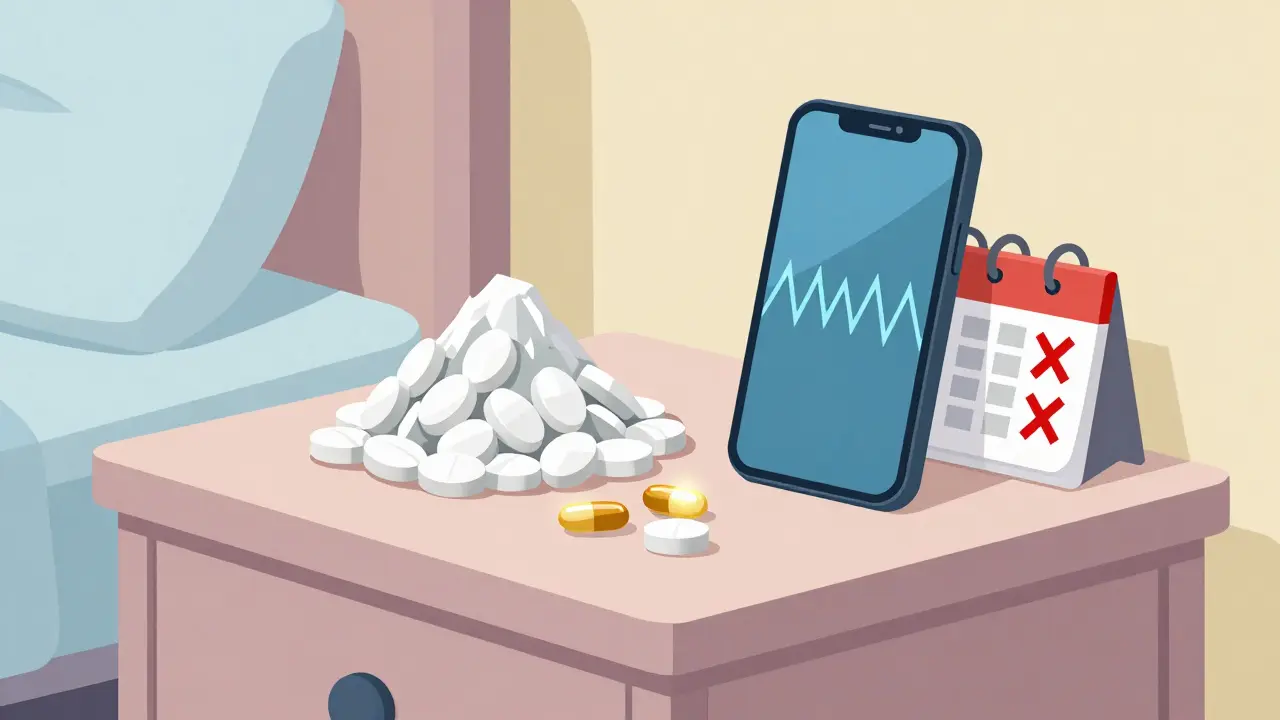
If you're starting a new antiplatelet regimen, your first step is to create a "medication calendar." Since Ticagrelor requires twice-daily dosing and Clopidogrel/Prasugrel once-daily, missing a dose can be dangerous. Set an alarm on your phone to ensure consistency.
For those experiencing side effects, don't just stop the drug. If you're feeling breathless on Ticagrelor, ask your doctor about the new 30 mg low-dose option, which has been shown to reduce bleeding events by 25% while still providing protection. If you're worried about Clopidogrel's efficacy, discuss your ethnic background or family history of drug reactions with your provider, as these can be clues to your metabolic status.
Finally, always keep a list of your antiplatelets in your wallet. In an emergency, paramedics and ER doctors need to know exactly which P2Y12 inhibitor you are on so they can manage your bleeding risk or plan for urgent surgery.





Sharyl Foster
April 26, 2026 AT 15:10Actually, the 'air hunger' thing with Ticagrelor is way more common than people admit. Most doctors just brush it off as anxiety, but it's a legit drug effect that makes you feel like you're breathing through a straw. Honestly, the 'reversible binding' advantage is overrated when you're too gasping for air to even get to the surgery center.
Edwin Perez
April 28, 2026 AT 07:59Big Pharma loves talking about 'genetic variability' to scare you into paying $300 for a useless test. They just want to push the expensive brand-name stuff like Ticagrelor because Clopidogrel is too cheap for them to make a profit on. It's all a racket to keep us dependent on their chemicals while they pretend to care about our 'metabolism'.
Michael Deane
April 28, 2026 AT 08:51It is absolutely disgraceful that we have to deal with these astronomical costs for life-saving meds in the greatest country on earth where the innovation was born and bred, yet some bureaucratic nightmare of a healthcare system makes us pay hundreds of dollars for a pill that keeps our hearts beating while the rest of the world just copies our patents and laughs at us from across the ocean, and frankly, any American who can't afford these should be getting government help without all the red tape that makes it feel like you're applying for a visa to your own damn pharmacy!
James Harrison
April 30, 2026 AT 00:43It's interesting to think about how we balance the risk of a bleed against the risk of a clot. It's almost a philosophical exercise in choosing which kind of danger we can live with day to day.
Jaclyn Vo
May 1, 2026 AT 11:55Omg I cannot even imagine the horror of seeing black tarry stools 😱!! Like, I would literally pass out on the spot if that happened! Why is nobody talking about how scary the side effects actually are?! 😭 This is literally a medical nightmare!
Elle Torres Sanz
May 2, 2026 AT 08:45I think it's really important to remember that everyone's body reacts differently, so we should be supportive of those who struggle with the twice-daily dosing of Ticagrelor. Maybe we can find more ways to help each other stay consistent with our meds, regardless of where we are from or what our background is.
Beena Garud
May 2, 2026 AT 17:23The dichotomy between pharmacological efficacy and the genetic predisposition of the patient presents a profound ethical dilemma regarding the standardization of care. One must contemplate the inherent fragility of the human biological system when faced with such rigid chemical interventions.
Eric Mwiti
May 4, 2026 AT 04:48Oh great, so I can either have a stroke because my genes are 'wrong' or bleed out because the drug is 'too powerful'. What a fantastic set of options we have here. Truly a win-win situation for everyone involved.
Michael Chukwuma
May 6, 2026 AT 01:05I totally get how overwhelming this info is. It's a lot to take in when you're just trying to get better. Just take it one step at a time and lean on your medical team.
Karyn Tindall
May 7, 2026 AT 08:43The thought of a 'ventricular pause' is absolutely paralyzing! I can't believe people just walk around with 'hiccups' in their heart rhythm and act like it's normal! The sheer terror of your heart just... stopping... for a second is enough to make anyone lose their mind!