
Imagine sending a message to your doctor about something extremely personal, and somewhere at the back of your mind, you wonder: Who else can see this? You wouldn’t leave your door unlocked if you had secrets inside the house, so why risk your private medical questions floating around unguarded in cyberspace? Healthcare messaging apps get hit with thousands of privacy breaches worldwide each year—one wrong move and your info could end up in the wild. With Nurx, though, things work differently. Their app isn’t just a digital mailbox. It’s built on rules that healthcare professionals in the US have to take seriously—or face heavy fines, lawsuits, and total loss of trust. I’m talking about HIPAA (that’s the Health Insurance Portability and Accountability Act for you acronym lovers). Miss the mark, and you could run up a bill bigger than most used cars. So how does Nurx turn your messages into digital Fort Knox? Let’s lift the lid.
How Nurx Makes Messaging Safe: Nuts, Bolts, and Legal Shields
Let’s start with the basics: When you send a message inside the Nurx app, it doesn’t just fly out across the internet like a stray text. Nurx uses end-to-end encryption, so your note gets wrapped up in digital armor during its entire journey. Only you and your healthcare provider get the key to unlock what’s inside. Even if someone managed to intercept the message (think hackers, shady Wi-Fi networks, or curious onlookers), what they’d see would be utter nonsense—pure scrambled data. This isn’t optional; it’s required by HIPAA, and Nurx sticks to it religiously.
A big part of HIPAA is all about giving you control over who sees your info. Nurx sets “role-based” access—so only your assigned provider responds, not every staff member or some random tech support guy in another country. The app logs every access, so if anyone pokes their nose where it shouldn’t belong, there’s an audit trail as thick as the Yellow Pages (remember those?).
To keep things honest, the platform requires strong passwords and two-factor authentication every time you access sensitive stuff. You might grumble about the extra step, but that’s what blocks someone who guesses your login from swiping your whole medical chat history. If you get logged out after a time of inactivity, that’s intentional. It slams the door on snoopers if you leave your device open in a café.
How does all this work day-to-day? Here’s what you’re shielded from with Nurx: any message you send—questions about birth control, anxiety meds, test results—gets wrapped and shielded the moment you hit send. Even the app’s push notifications are deliberately vague (no details about prescriptions or diagnoses) just in case someone else picks up your phone.
Privacy isn’t just a checkbox at Nurx. If there’s ever a breach (which, statistically, hardly ever happens on Nurx’s watch), you’ll get notified right away. Compare that with standard email or text, where leaks can happen and you might never know.
HIPAA fines are no joke in the United States, and Nurx is smart about risk. In 2023 alone, US health providers paid over $29 million in total penalties for HIPAA violations. App-based healthcare is a hot target—so Nurx goes above legal minimums, employs security teams (actual humans, not just algorithms), and keeps their tech patched against new threats. They even train their staff on privacy the way airlines drill staff for safety. You can check the official stats on HIPAA fines and breaches in the below table:
| Year | Total HIPAA Breaches Reported | Total Fines Issued |
|---|---|---|
| 2021 | 714 | $28.5 million |
| 2022 | 760 | $26.1 million |
| 2023 | 808 | $29.4 million |
If you want to find a specific contact channel that’s airtight, you don’t need to go on a digital treasure hunt. Just contact Nurx securely. It’s the same ironclad setup as inside the main app.

Making the Most of Secure In-App Messaging With Nurx Providers
If you’re new to the Nurx app, the messaging feature is built into the dashboard—front and center—rather than hidden deep in the menus like some afterthought. Why? The team knows that questions often pop up at odd hours: How do I change my pill delivery? What do I do if I miss a dose? You might even want to double-check if you can mix your antibiotics with your emergency contraception. You shouldn’t have to chase those answers while worrying someone at home could see your screen. Nurx’s interface looks clean and deliberately boring to prying eyes. No screaming “sexual health” banners, just a simple chat window with your provider’s name.
One advantage here: You don’t have to wait for business hours. Let’s say it’s 11pm and anxiety is running wild; you can message and know it’ll sit in your provider’s inbox, securely waiting. No awkward voicemails, no fumbling to spell out details over the phone. You can include sensitive context, attachments like test results, even photos (if your provider requests them). Everything gets encrypted, so privacy stays air-tight.
If you’re a fan of privacy details, here are some best practices Nurx encourages:
- Avoid sharing your login with anyone—even if it’s your partner or mum. The app’s privacy works best if only you use it.
- Update your password regularly. Nurx will nudge you if it’s time for a change.
- Be as clear as possible with your questions. You don’t need to use clinical language—plain English works—so your provider can answer fast and directly.
- Look for notification badges, not message content, on your lock screen. The app is designed not to spill detail if someone glances at your phone.
- If you lose your device, use the remote log-out option through your Nurx web account to cut access instantly.
The app lets you review all your previous threads with your provider too, so you’re never fretting that you forgot to ask something or missed advice. It’s like having a searchable, private medical diary—nobody else’s eyes, just you and your provider. If you ever leave Nurx, you can request a copy of all your messages—another HIPAA perk Nurx respects.
One practical tip: If you’re switching devices (upgrading your phone, for example), don’t just pass your old phone to a mate or toss it in the drawer. Sign out properly. Clear cache, log out, and delete the app so messages aren’t accidentally discoverable. On a family iPad? Lock the app behind another password for double safety.
Your provider can share prescription details, explanations, and follow-up plans—all without ever showing up in your inbox as “medical records” or “sexual health advice.” The messaging system is built to shut out both digital hackers and physical snoops (like a nosy sibling scrolling through your apps).
If there’s ever a hiccup or something feels off with your messages, Nurx offers blazing-fast support, and you can immediately launch a secure query about privacy or security from within the app itself. The more questions you ask, the safer you get—the providers are trained to spot suspicious behavior too, so if anything strange happens on your account, you’ll be the first to know.
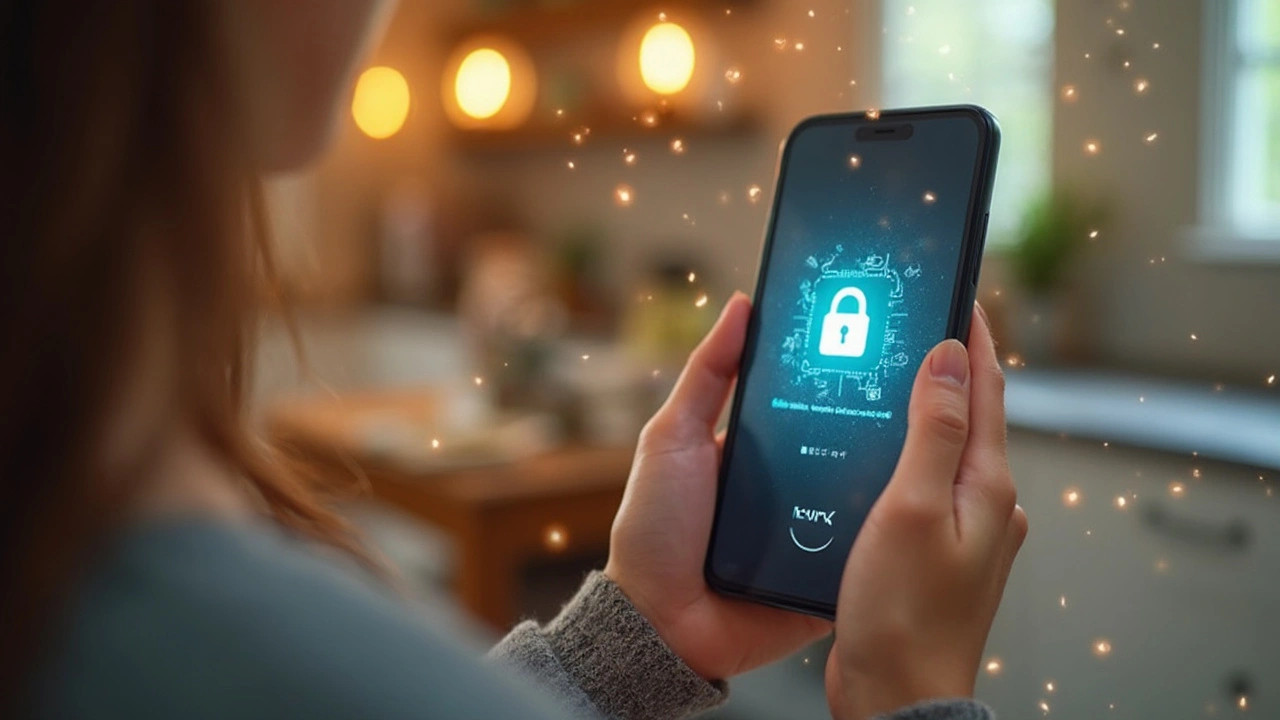
What Sets Nurx Apart in Protecting Your Privacy
Plenty of health tech apps shout about security, but real privacy is about the boring, invisible details—the kind you only notice when they’re missing. Nurx stands out because they don’t just tick the checklist—they go further. Every message is not only encrypted, but the servers where the messages are stored are under constant surveillance, not left on autopilot. Providers log in through ultra-secure channels, with their own layer of authentication, and can’t forward your info outside the system. No one at Nurx can just browse your messages for fun. There are legal walls, technical walls, and human checks all stacked up.
The average user might not think about things like “data minimisation,” but it’s a big deal here. Nurx only keeps info as long as it’s legally needed. After that, it’s deleted in a way that’s nearly impossible to recover. Your messages aren’t mined for marketing or sold off to advertisers (a sneaky practice some health apps got busted for in 2022). There are built-in warnings if you try to screenshot sensitive info, removing the risk of accidental leaks to cloud photo backup apps.
User-friendliness is another edge: The messaging system actually feels like texting, not sending formal emails, so you get answers without a wall of medical clichés. The language is direct and human—no stuffy auto-replies. You get the info in plain English, which is especially important since you might be writing at midnight, half-awake.
HIPAA compliance isn’t just a sticker or catchphrase here—it’s a binding law. Nurx’s approach exceeds the minimum in every direction. For example, regular audits are done not just by their own team, but by outside cybersecurity consultants. If a vulnerability is found, it’s patched within hours. Once a year, all staff go through drills where they handle simulated privacy incidents—think of it like fire drills but for digital info leaks.
If you want to peek under the hood and know exactly who’s on the other end, Nurx lists the name and license details of your provider at the start of each chat. There’s never any guesswork about who’s reading—no swapped providers without your clear say-so. Compare that to large providers where you get shuttled between whoever’s on call (sometimes even outside your country—yikes).
Nurx’s secure messaging isn’t immune to every threat (nothing digital ever is), but if you want the highest legal, technical, and human standard of privacy, this is where you start. It’s a safe space to talk about what actually matters to your health—with zero judgment, zero leaks, and quick, expert answers. Privacy isn’t an add-on or a marketing term. For Nurx, it’s the core of how they work, one private message at a time.


Greg DiMedio
July 17, 2025 AT 22:26So, we're supposed to be thrilled that Nurx is "super secure" and HIPAA-compliant? Like, everyone’s messaging app has to say that now, right? It’s all the same buzzwords tossed around to make us feel warm and fuzzy. Honestly, I’d be surprised if they didn’t have some fancy encryption layer. That’s table stakes in 2024.
What I’m really curious about: how much data do they actually collect behind the scenes? How many times have those so-called 'secure' platforms sold our metadata without us realizing? Not to mention the occasional leaks that always seem to pop up somewhere.
The article doesn’t really spill the beans on the technical stuff, just high-level fluff. I could use a real breakdown of what 'ultra-confidential' means here. Otherwise, this is just marketing, folks.
Badal Patel
July 18, 2025 AT 21:40Allow me to interject with a perspective that might differ from the casual dismissal above!!! The HIPAA compliance aspect of Nurx's platform is not merely a 'buzzword,' but a legally enforceable standard that demands rigorous safeguards regarding Protected Health Information (PHI). It is quite foolhardy to reduce this to 'marketing fluff' without acknowledging the tremendous responsibility these platforms bear.
While skepticism is healthy, one must also appreciate the technological and procedural frameworks behind these systems. They ensure data encryption, access control, audit trails, and breach notification processes that are in place to uphold patient confidentiality.
To dismiss this as mere fluff is both irresponsible and indicative of a shallow understanding of the healthcare data protection landscape.
KIRAN nadarla
July 19, 2025 AT 20:53Well, while I appreciate the emphasis on HIPAA compliance, it irks me how many of these articles bypass proper grammar and clarity for the sake of flowery language. For instance, phrases like 'Find out what really happens behind the screen' are vague and unsubstantiated. What does this even mean? Are they talking about encryption keys, or server security protocols?
Also, 'Nurx sets a high bar for digital healthcare privacy'—where’s the evidence? Are there stats, reports, audits? Anything concrete, or is it just hyperbole?
I would appreciate a detailed, grammar-precise explanation instead of marketing jargon. It would help consumers make informed choices rather than just buying into hype.
Kara Guilbert
July 20, 2025 AT 20:06Honestly, I feel like so many people just shrug off privacy concerns until something bad happens. It’s super important that platforms like Nurx highlight their commitment to keeping conversations confidential, especially when it comes to sensitive health information.
I know sometimes tech stuff can get complicated, but if a company is transparent and educates users about these protections, that's a step in the right direction. No one should have to second guess whether their info is safe when reaching out for healthcare.
I wish more people cared about privacy as much as I do. This kind of messaging isn’t just corporate fluff—it really affects people’s trust and peace of mind.
Sonia Michelle
July 21, 2025 AT 19:20This post really nails why secure messaging is more than just a convenience—it’s a necessity for respecting patient autonomy and dignity. Nothing undermines the healing process like anxiety over privacy breaches.
Naturally, in-app systems that incorporate HIPAA compliance have to walk a fine line between user-friendliness and impenetrable security. I’m curious if Nurx also provides any user guidance on digital hygiene or how we can better protect ourselves—like recognizing phishing attempts or avoiding public Wi-Fi for sensitive chats.
It'd be great if they paired their technology with user education, empowering patients to feel confident navigating digital healthcare.
Neil Collette
July 22, 2025 AT 18:33Oh please, ‘ultra-confidential’? Let me throw a little reality at you. These companies claim tight security, but it’s industry standard to have thousands of people with potential backend access.
Remember that one breach that affected tens of thousands last year? Guess what? It was a mess of basic human error despite all the encryption bells and whistles. Tech can only do so much when someone dumb clicks the wrong link.
Still, I’ll give credit where due: Nurx at least tries to check the box. But don’t expect digital privacy utopia just because they slap on 'HIPAA-compliant' badges.
James Lee
July 23, 2025 AT 17:46For real, this is just what every med app says these days and yet when you dig deeper, it’s the same weak sauce layered with social trust. One wonders if these platforms even remember what real, radical privacy means beyond surface-level compliance.
The truth is, digital health privacy needs a full philosophical reboot, not just marketing slogans. Without true transparency and ongoing audits available to the public, it’s all smoke and mirrors designed to assuage user fears.
I mean, when was the last time you saw a detailed whitepaper from Nurx on their security protocols? Something thought-provoking, not a happy sales pitch?
Dennis Scholing
July 24, 2025 AT 17:00From a healthcare provider perspective, it’s reassuring to know platforms like Nurx invest in HIPAA-compliant communication tools. This protects both patient privacy and provider liability. Many healthcare providers need to trust that their software safeguards sensitive details.
That said, it’s also critical that these platforms remain user-friendly. Technology can be state-of-the-art but if patients find it confusing, it defeats the purpose.
Ideally, the emphasis on privacy should be coupled with clear user guides and responsive customer support. That would foster more widespread adoption and ultimately improve the quality of digital healthcare experiences.
Kasey Lauren
July 25, 2025 AT 16:13I’m glad the post highlights the importance of secure messaging because a lot of people don’t realize how vulnerable their health info can be online. Just simple things like using a strong password or enabling two-factor authentication really make a difference.
Also, it’s nice to hear there are companies really trying to keep those conversations private instead of selling data. It gives me peace of mind when using services like Nurx.
I hope they keep improving and make their privacy features easy for everyone to use.
joshua Dangerfield
July 26, 2025 AT 15:26One thing I’m wondering about is whether Nurx provides any transparency in case of a breach? Like, do they notify users quickly or have an open channel to report concerns? Because security isn’t just about encryption—it’s also about how a company responds when things go sideways.
Also, do they allow patients to download their data or control what’s stored? That level of control is becoming more of a necessity with all these privacy regulations.
Would love to hear if anyone here knows more about their actual policies on data management beyond just HIPAA compliance.
Abhimanyu Singh Rathore
July 27, 2025 AT 14:40This post reinforces an essential point!!! HIPAA compliance is not negotiable in today’s healthcare communication landscape!!!
However!!! It is equally important to deeply engage with the documentation provided by platform services like Nurx to truly understand the nuances of their security mechanisms!!! Only then can one discern the effectiveness of their claims rather than blindly accepting marketing prose!!!
Moreover!!! Users should demand detailed encryption standards and audit reports!!! This is NOT just a suggestion but a DEMAND in an era rife with cybersecurity threats!!!
Let us maintain vigilance and due diligence with these matters!!!
Badal Patel
July 28, 2025 AT 13:53@Kiran nadarla, I concur with your emphasis on the necessity for precise and clear explanation. Marketing language, while designed to be inviting, often obfuscates key technical specifics that end-users ought to know.
The genuine strength of HIPAA compliance lies not in buzzwords, but in stringent adherence to defined operational protocols and programmability, such as employing robust encryption algorithms, rigorous access controls, and comprehensive audit logging.
For those seeking clarity: Nurx, like any HIPAA-compliant entity, would be mandated to implement these measures under federal law.
So, while the original post uses simplified language, it’s plausible the backend framework is solid; however, transparency and detailed disclosure would certainly help users feel more confident.