Archive: 2025/12 - Page 2
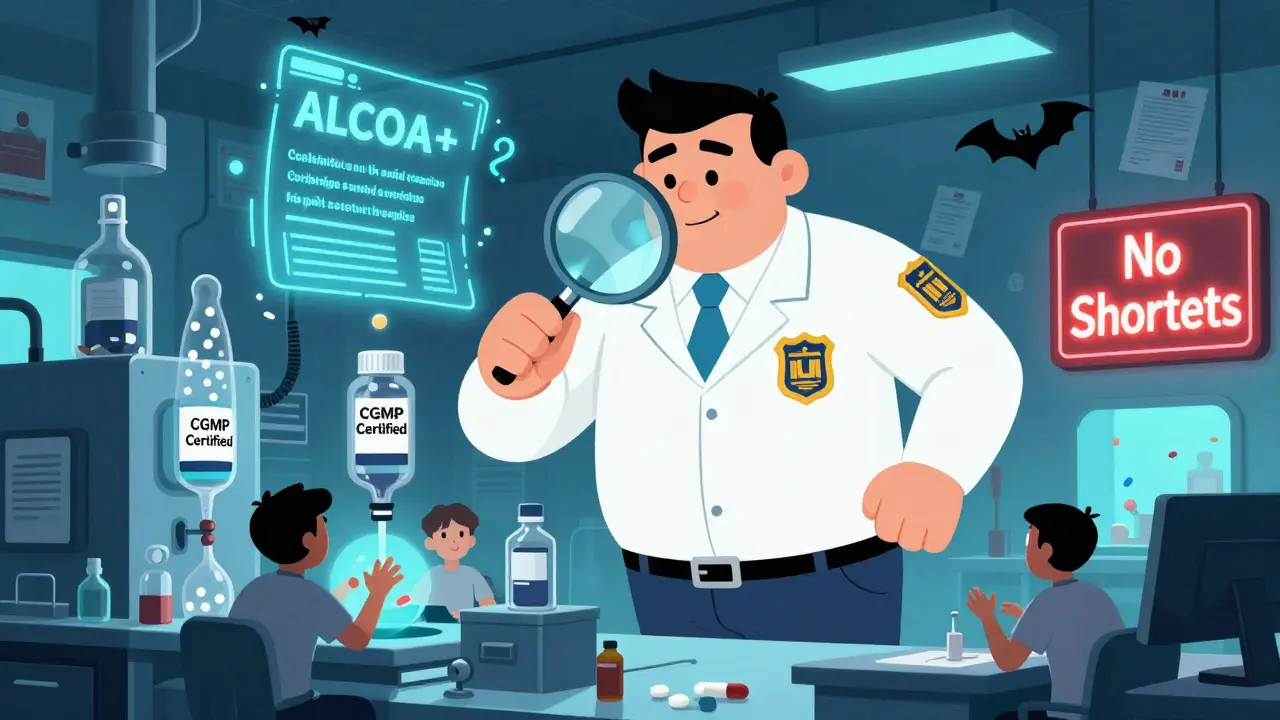
GMP for Generics: FDA Requirements for Manufacturing
Learn the FDA's real CGMP requirements for generic drug manufacturing-what’s mandatory, what fails most often, and how companies stay compliant. No fluff, just the facts that keep millions of pills safe.
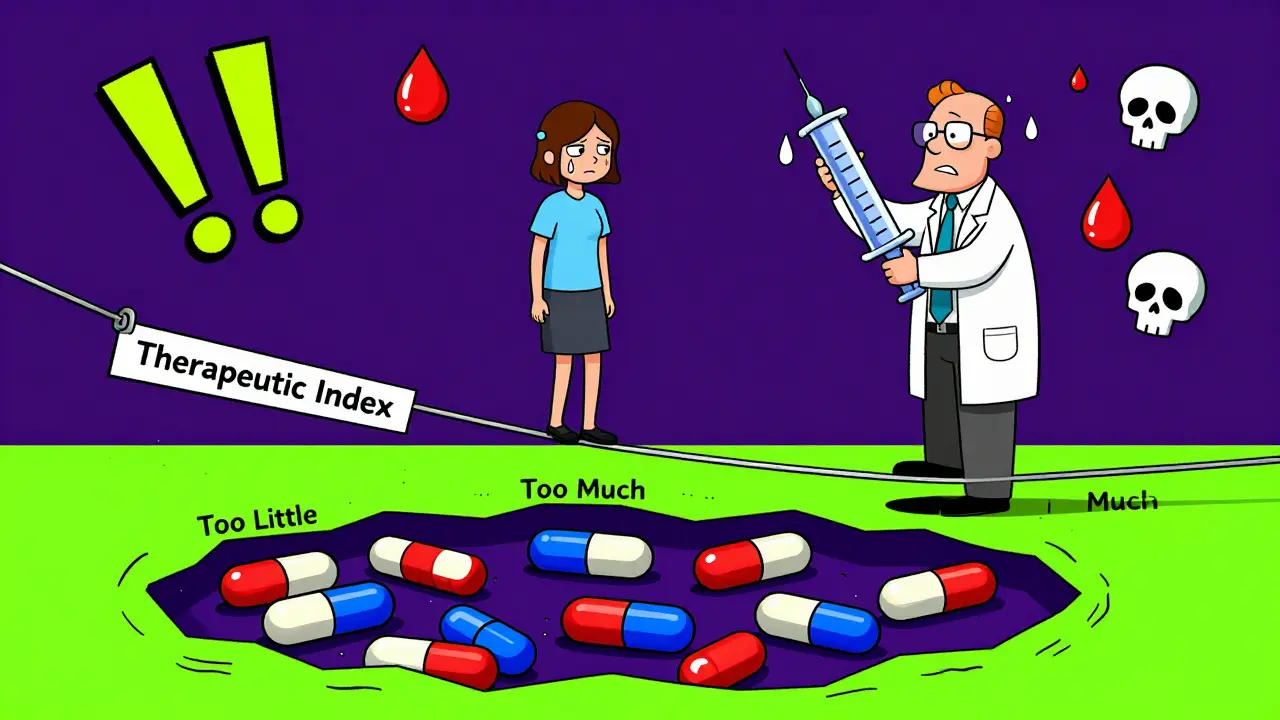
Narrow Therapeutic Index Drugs: What Patients Need to Know
Narrow therapeutic index drugs require extreme precision in dosing. Learn what they are, why small changes matter, and how to stay safe while taking them - from warfarin and lithium to levothyroxine and more.

Medication Switching: How Changing Psychiatric Drugs Affects Your Mind
Changing psychiatric medications can trigger emotional crashes, withdrawal symptoms, and loss of identity-not just side effects. Learn why medication switching affects your mind more than you think, and how to protect your mental health during the transition.
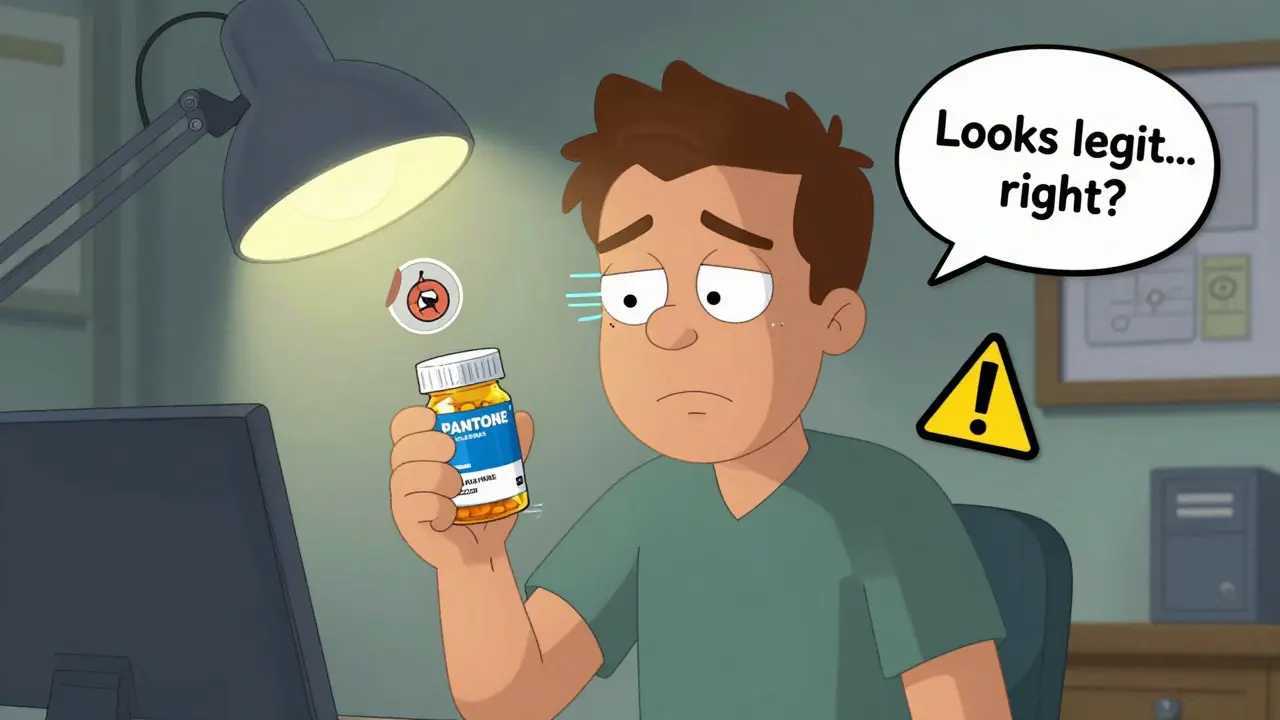
How to Identify Counterfeit Medication Packaging and Seals
Learn how to spot counterfeit medication packaging using visual checks, UV light, microtext, and packaging texture. Real vs. fake differences matter - and can save your life.
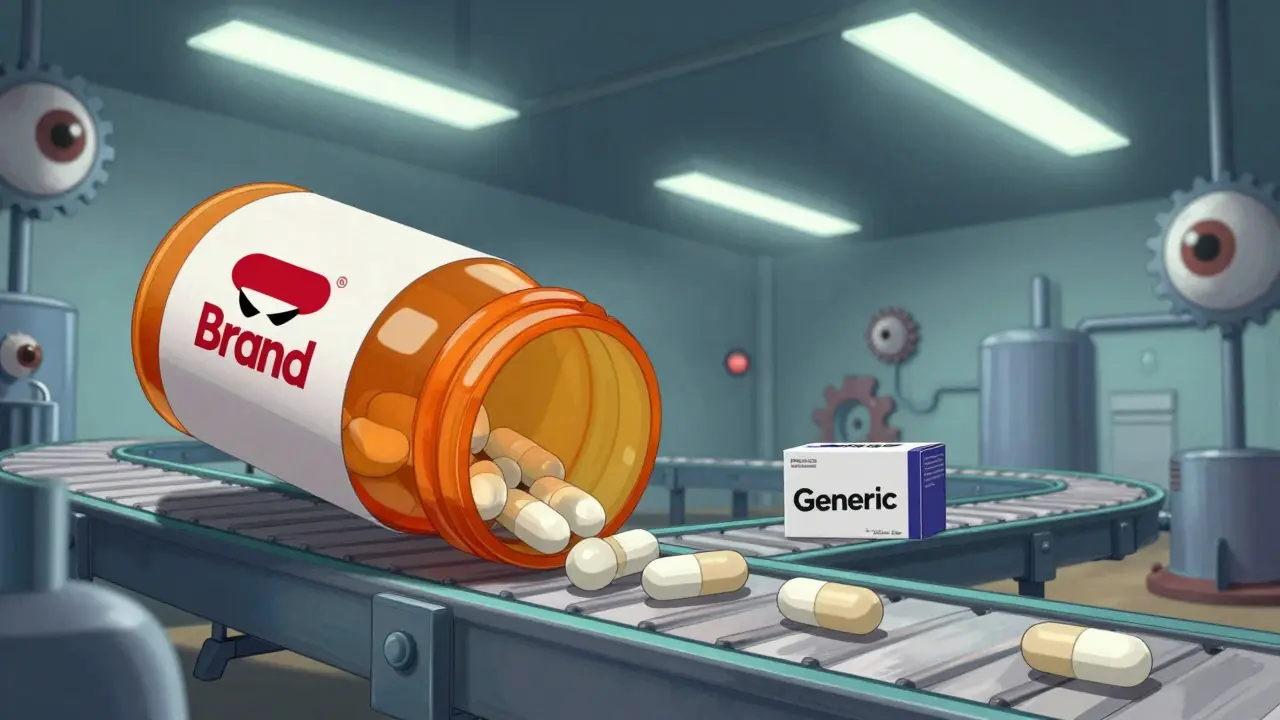
How Brand Manufacturers Produce Their Own Generic Versions
Brand manufacturers produce their own generic versions-called authorized generics-to keep market share after patents expire. These are identical to the original drug but sold under a different label. Learn how they work, why they’re priced the way they are, and what it means for patients.
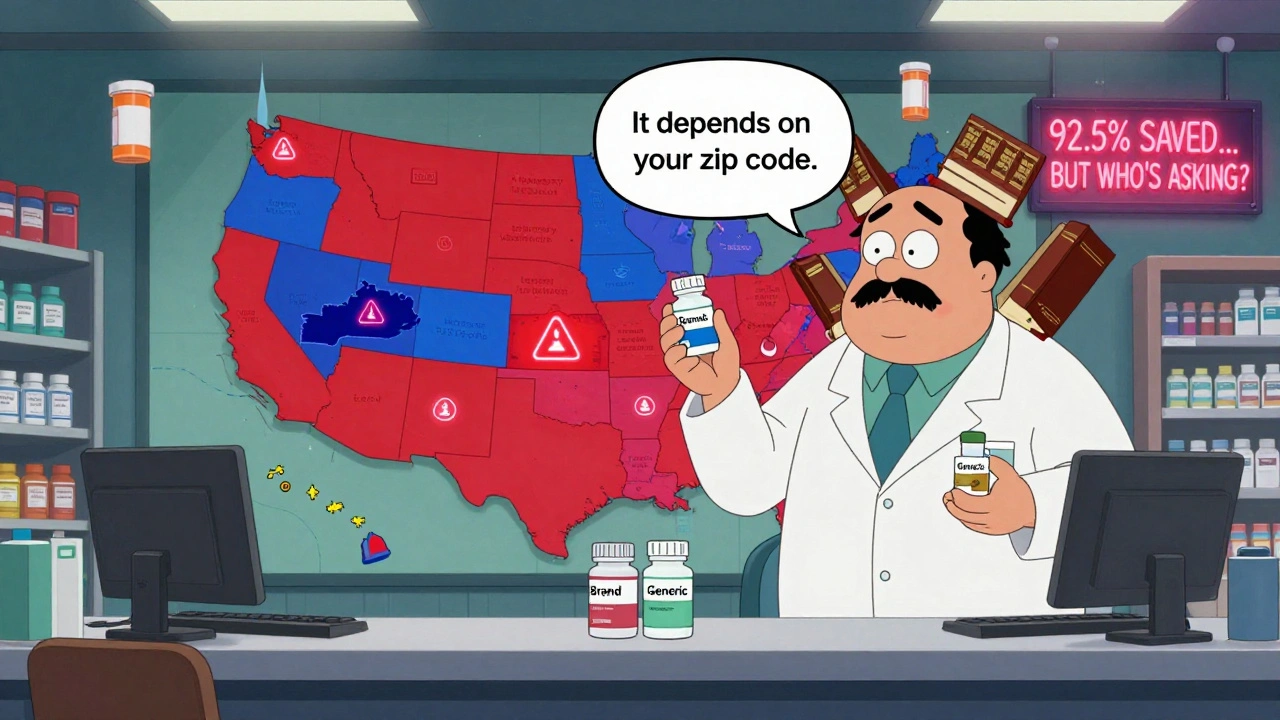
State Laws on Generic Drug Substitution: How Rules Vary Across the U.S.
State laws on generic drug substitution vary widely across the U.S., affecting how pharmacists replace brand-name drugs with cheaper generics. These rules impact cost, safety, and patient trust-especially for critical medications.
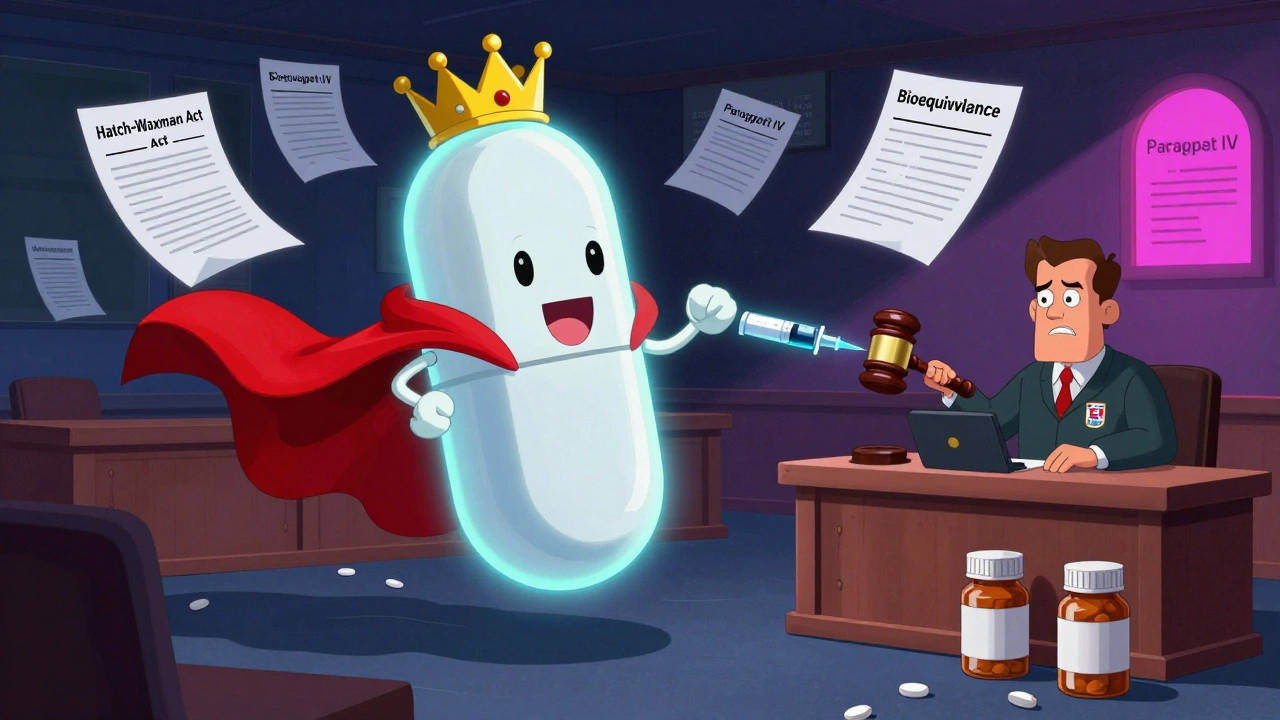
ANDA Process: Legal Requirements for Generic Drug Approval in the U.S.
The ANDA process is the legal pathway for generic drug approval in the U.S., requiring bioequivalence, identical active ingredients, and strict manufacturing standards under the Hatch-Waxman Act. Learn the key requirements, costs, and pitfalls.
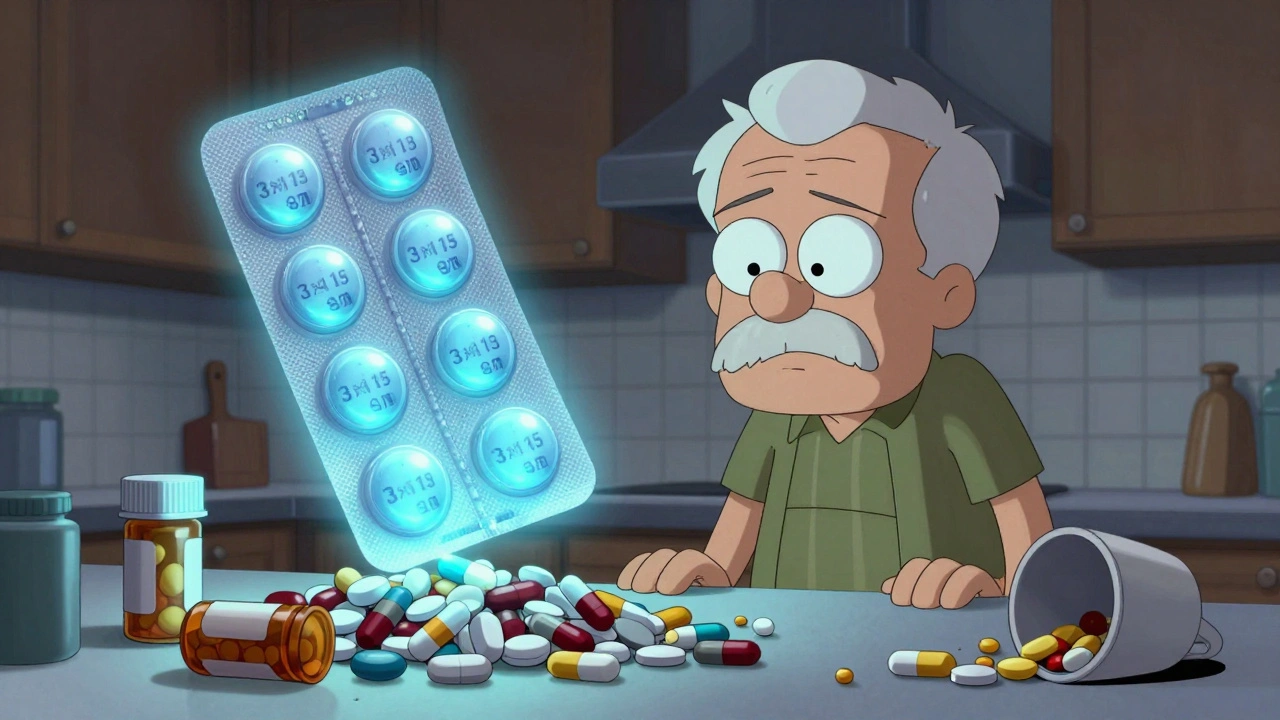
How to Use Blister Packs and Pill Organizers to Prevent Medication Mistakes
Blister packs and pill organizers help prevent medication mistakes and overdoses by organizing doses clearly. Blister packs are safer for complex regimens, while organizers work for simple routines. Learn how to choose, use, and get them covered.
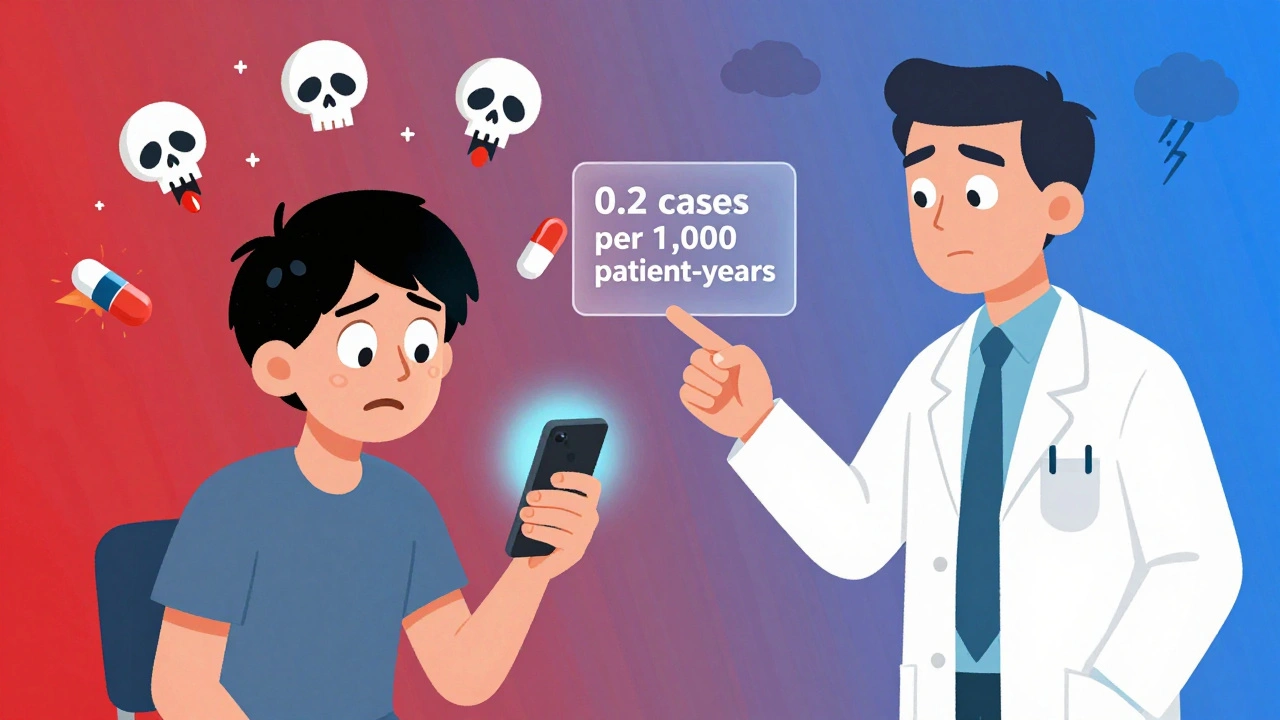
How to Interpret Risk vs. Benefit in FDA Safety Announcements
Learn how to read FDA safety announcements without panicking. Understand the difference between potential signals and confirmed risks, and how to weigh the real benefits against real dangers of your medication.
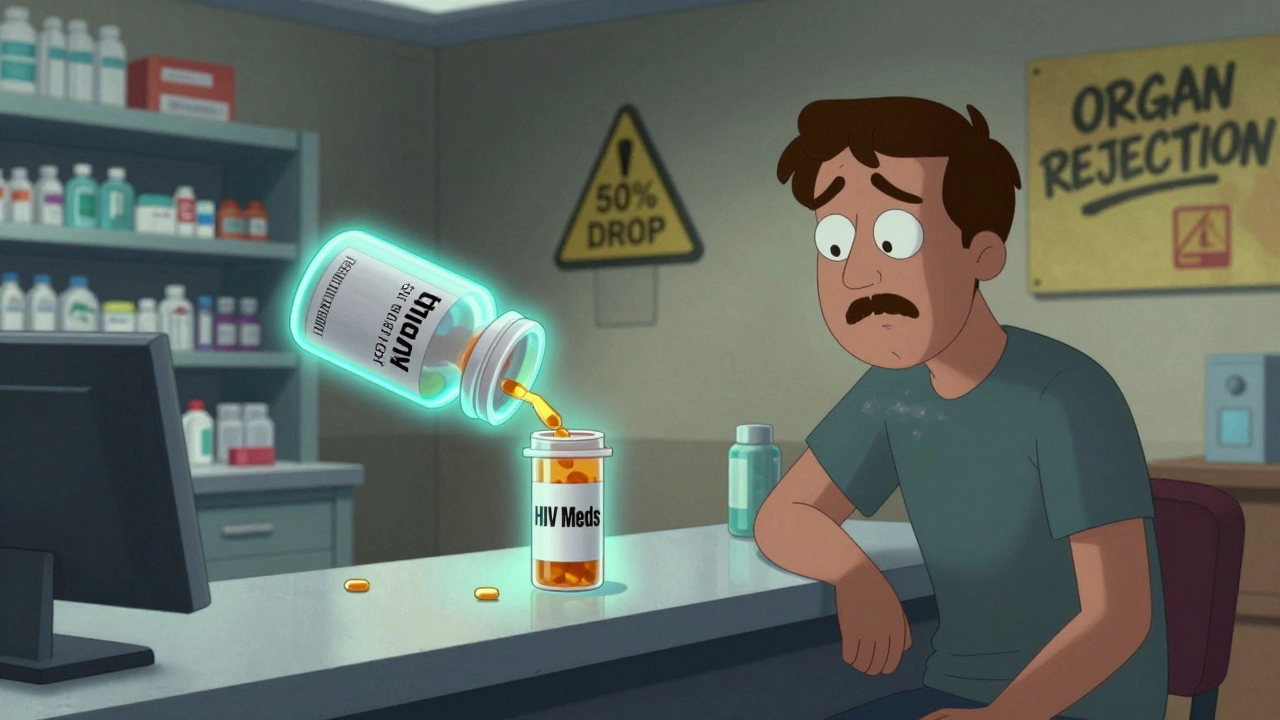
Questions to Ask Before Taking Any Supplement with Medicines
Many people take supplements with their medications without knowing the risks. St. John’s wort, ginkgo, and even vitamin E can interfere with drugs like blood thinners, birth control, and HIV meds. Learn the critical questions to ask before combining any supplement with medicine.

Therapeutic Equivalence Codes: How the FDA Determines Which Generic Drugs Can Be Substituted
The FDA uses therapeutic equivalence codes to determine which generic drugs can be safely substituted for brand-name medications. Learn how the A and B codes work, why some generics aren't interchangeable, and how this system saves billions in healthcare costs.

Stability and Shelf Life: How Generic Products Degrade and Why Safety Matters
Stability and shelf life determine whether generic medications remain safe and effective over time. Learn how degradation happens, why storage matters, and what you need to know to protect your health.