
PPI-Clopidogrel Interaction Calculator
This tool helps you understand how different proton pump inhibitors (PPIs) interact with clopidogrel. Based on clinical evidence, some PPIs significantly reduce clopidogrel's effectiveness by inhibiting the CYP2C19 enzyme.
Interaction Results
Select a PPI and click Calculate to see results
When you're taking clopidogrel to prevent blood clots after a heart attack or stent placement, the last thing you want is for your stomach acid medication to make it less effective. That’s exactly what happens when omeprazole and clopidogrel are taken together - and it’s not just a theoretical concern. It’s backed by years of clinical data, regulatory warnings, and real-world prescribing changes.
How Clopidogrel Actually Works
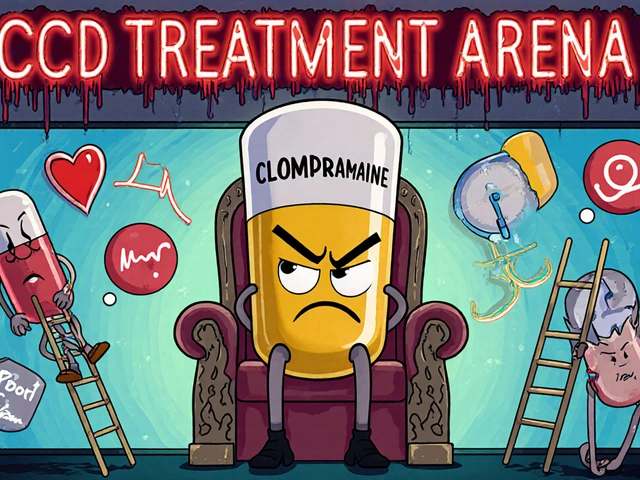
Clopidogrel isn’t active when you swallow it. It’s a prodrug, meaning your body has to turn it into something else to work. That something else is an active metabolite that sticks to platelets and stops them from clumping together. This process relies almost entirely on one liver enzyme: CYP2C19. Without it, clopidogrel doesn’t do its job. About 30% of people have genetic variations that make this enzyme less effective - and if you’re one of them, taking omeprazole can push your antiplatelet protection into dangerous territory.
Why Omeprazole Is the Problem
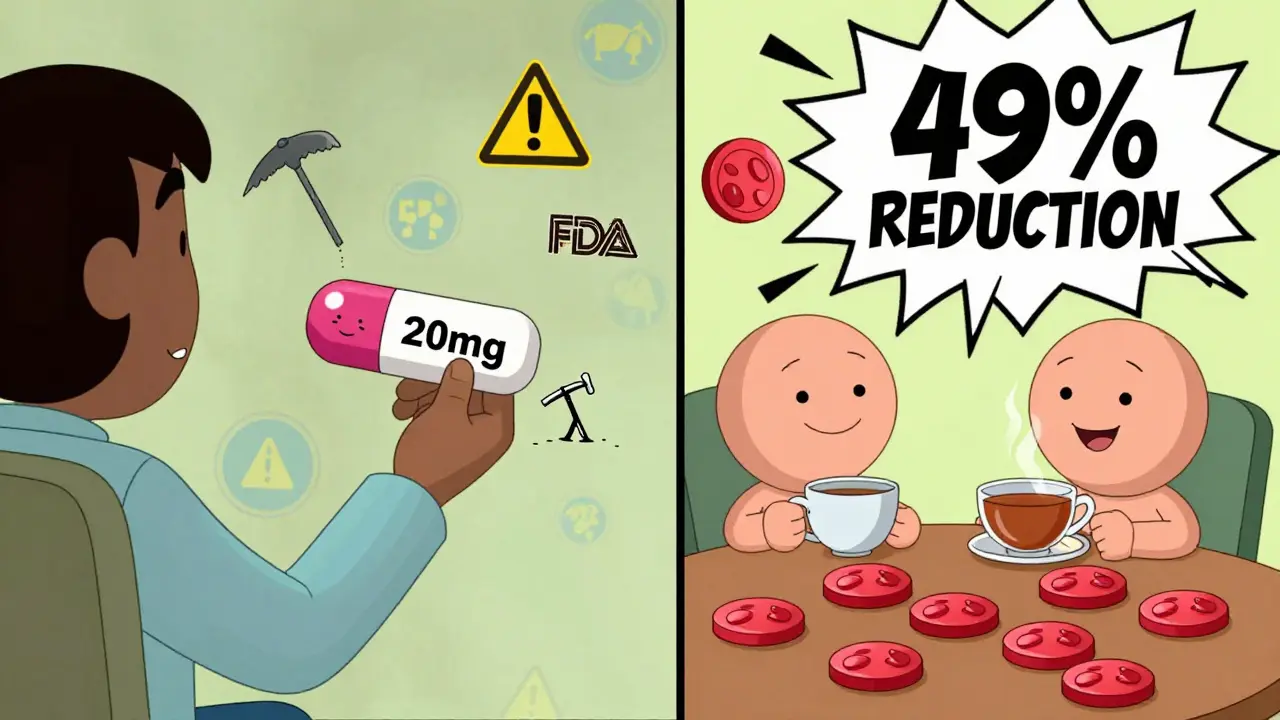
Omeprazole is one of the most commonly prescribed proton pump inhibitors (PPIs) for heartburn and ulcers. It’s cheap, effective, and widely available. But here’s the catch: omeprazole doesn’t just get broken down by CYP2C19 - it also blocks it. Think of CYP2C19 as a factory worker. Omeprazole doesn’t just sit in the way; it grabs the worker’s tools and refuses to let them work. Studies show that at a standard 20mg daily dose, omeprazole reduces clopidogrel’s active metabolite by about 32%. At 80mg, that jump to 49% reduction - enough to increase the risk of clotting events.
The numbers don’t lie. A 2025 study in Nature Scientific Reports found omeprazole has the strongest CYP2C19 inhibition among all PPIs, with an IC₅₀ of just 2-4 μM. That’s more than twice as potent as pantoprazole and nearly five times stronger than rabeprazole. Even more telling? The ratio of omeprazole’s peak concentration to its inhibition constant (Cmax,u/Ki,u) exceeds the FDA’s warning threshold of 0.02. For omeprazole, it’s 0.04-0.06. For others? Well below.
Not All PPIs Are Created Equal
If you need a PPI while on clopidogrel, not all options are risky. Here’s what the data says:
| PPI | Typical Dose | Reduction in Clopidogrel Active Metabolite | CYP2C19 Inhibition Strength |
|---|---|---|---|
| Omeprazole | 20-80 mg | 32-49% | Very Strong |
| Esomeprazole | 20-40 mg | 30-40% | Very Strong |
| Lansoprazole | 30 mg | Minimal to 18% | Moderate |
| Pantoprazole | 40 mg | 14% | Weak |
| Rabeprazole | 20 mg | 28% (Cmax), no change in AUC | Weak |
| Ilaprazole | 10 mg | No significant effect | Very Weak |
Pantoprazole is the clear winner here. Multiple studies, including those from the SPS NHS (2023), show it has the least impact on clopidogrel’s effectiveness. Rabeprazole is also a reasonable alternative - while it can reduce peak levels, it doesn’t significantly lower overall exposure. Ilaprazole, a newer PPI not yet widely available in the U.S. or Europe, shows almost no interaction in clinical trials.
Genetics Matter More Than You Think
Not everyone is affected the same way. About 1 in 3 people carry a genetic variant called CYP2C19*2 or *3 - these are called loss-of-function alleles. In these patients, clopidogrel is already less effective. Add omeprazole, and the reduction in active metabolite can hit 54% in intermediate metabolizers, according to a 2012 Korean study. That’s not a small drop - that’s a clinically meaningful one.
East Asian populations have higher rates of these variants (up to 35%) compared to Caucasians (around 20%). That’s why guidelines in countries like South Korea and Taiwan emphasize genotyping before prescribing PPIs with clopidogrel. The Clinical Pharmacogenetics Implementation Consortium (CPIC) recommends switching to prasugrel or ticagrelor for these patients - both drugs bypass CYP2C19 entirely.
The Clinical Evidence Is Mixed - But the Advice Isn’t
Here’s where things get confusing. Some big studies say there’s no real-world increase in heart attacks or strokes. The 2011 FAST-MI Registry, which tracked over 2,700 patients, found no link between PPI use (mostly omeprazole) and higher cardiovascular risk. The COGENT trial, a randomized study of 3,700 people, also found no difference in events between those taking omeprazole and those who weren’t.
But here’s the catch: those studies were designed to look at clinical outcomes, not drug levels. They didn’t test whether clopidogrel was working at the platelet level - they just waited to see if someone had a heart attack. That’s like checking if a car’s brakes work by waiting to see if it crashes. Meanwhile, studies measuring platelet inhibition consistently show reduced effectiveness with omeprazole.
And then there’s the meta-analysis of 271,551 patients in JAMA Internal Medicine (2014). It found a 27% higher risk of adverse cardiovascular events with any PPI use - and omeprazole had the strongest link (RR 1.33). The FDA didn’t ignore this. In 2009, they issued a safety warning. In 2014, they doubled down. And in 2022, they updated clopidogrel’s label to say: "omeprazole 80 mg inhibits metabolism of clopidogrel and has been associated with a reduction in pharmacologic activity."

What Should You Do?
If you’re on clopidogrel and need stomach protection:
- Avoid omeprazole and esomeprazole entirely. These are the worst offenders.
- Choose pantoprazole 40mg daily. It’s the safest option with the least interaction.
- Consider rabeprazole 20mg daily. A good alternative if pantoprazole isn’t available.
- Ask about H2 blockers. Famotidine (Pepcid) has no known CYP2C19 interaction and can be used for short-term relief.
- Ask about genetic testing. If you’re from an East Asian background or have had a clot despite taking clopidogrel, CYP2C19 testing can change your treatment plan.
- Don’t try splitting doses. Taking clopidogrel in the morning and omeprazole at night doesn’t help. The inhibition is systemic - not timing-dependent.
For high-risk patients - those with stents, recent heart attacks, or known CYP2C19 loss-of-function - switching from clopidogrel to ticagrelor or prasugrel is often the best move. These drugs don’t rely on CYP2C19. They’re more expensive, yes - but they’re also more reliable.
The Bigger Picture
The omeprazole-clopidogrel story isn’t just about two drugs. It’s about how we think about medication safety. For years, we assumed that if a drug didn’t cause a spike in heart attacks in a trial, it was safe. But we now know: sometimes the harm is hidden in the lab - in platelet function, in enzyme activity, in metabolite levels. That’s why cardiology guidelines now recommend pharmacogenetic testing before prescribing clopidogrel with PPIs. It’s not futuristic - it’s becoming standard practice. Over 70% of U.S. cardiology clinics now use some form of genetic testing, according to the American College of Cardiology’s 2023 data registry.
And the future? Researchers are already developing next-gen PPIs and antiplatelets that don’t touch CYP2C19 at all. Three new candidates are in Phase II trials as of late 2024. For now, though, the message is clear: if you’re on clopidogrel, don’t take omeprazole. Your platelets - and your heart - will thank you.
Can I take omeprazole with clopidogrel if I take them at different times of day?
No. Even if you take clopidogrel in the morning and omeprazole at night, the inhibition of CYP2C19 is still happening systemically. The enzyme is blocked in your liver regardless of timing. Studies have tested this exact scenario and found no improvement in clopidogrel’s active metabolite levels. Separating doses doesn’t work.
Is pantoprazole completely safe with clopidogrel?
Pantoprazole is the safest PPI to use with clopidogrel. It has the weakest inhibition of CYP2C19 and causes only about a 14% reduction in clopidogrel exposure - well below the threshold for clinical concern. Guidelines from the American College of Gastroenterology and SPS NHS recommend pantoprazole as the first-choice PPI in patients on clopidogrel.
What if I’m Asian and taking clopidogrel?
If you’re of East Asian descent, you have a higher chance (30-35%) of carrying a CYP2C19 loss-of-function gene. This makes you more vulnerable to clopidogrel resistance - especially if you take omeprazole. Studies show you can lose over 50% of clopidogrel’s effect in this group. Genetic testing is strongly recommended. If you’re a poor metabolizer, switching to ticagrelor or prasugrel is often the best option.
Are there alternatives to PPIs for stomach protection?
Yes. H2-receptor antagonists like famotidine (Pepcid) or ranitidine (though withdrawn in many countries) don’t interact with CYP2C19. They’re less potent than PPIs for long-term acid control, but they’re safe to use with clopidogrel. For short-term use - like during the first few weeks after a stent - they’re a good alternative. Always discuss with your doctor before switching.
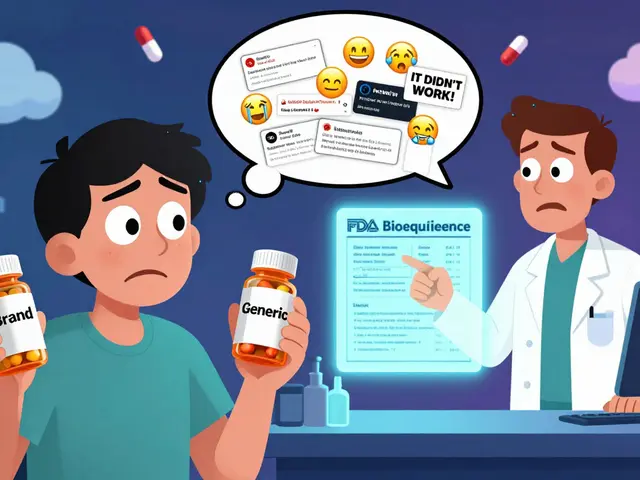
Why did the FDA warn about omeprazole but not other PPIs?
Because the data specifically showed omeprazole (and esomeprazole, its isomer) had the strongest effect on clopidogrel metabolism. The FDA’s 2009 warning was based on studies showing up to a 45% drop in active metabolite levels. Other PPIs like pantoprazole and rabeprazole showed minimal or no effect. The warning was targeted - not a blanket statement against all PPIs.





Jonathan Noe
February 12, 2026 AT 02:56Man, I can't believe how many people still take omeprazole with clopidogrel like it's no big deal. I work in pharmacy and I've seen patients have stent thrombosis because they thought "it's just heartburn meds." The data's clear-omeprazole kills clopidogrel's effect. Pantoprazole is the way to go. No drama, no guesswork.
Jim Johnson
February 13, 2026 AT 22:19Yea but like, i've been on both for years and never had an issue. maybe im just lucky? my doc never said nothin' bout switching. also, pantoprazole tastes like chalk and costs more. why should i change if i feel fine?
Annie Joyce
February 14, 2026 AT 01:34Jim, you’re not lucky-you’re playing Russian roulette with your coronary arteries. Your body doesn’t care how "fine" you feel. It only cares if your platelets are clumping like a bad smoothie. Omeprazole doesn’t care if you’re "feeling fine." It’s silently sabotaging your meds. Switch to pantoprazole. Your heart doesn’t have a "maybe" button.
Suzette Smith
February 15, 2026 AT 04:13Actually, I read that 2011 FAST-MI study and the 2014 COGENT trial-they found no increase in heart attacks. So why are we all freaking out? Maybe the lab numbers don’t translate to real life? Just saying.
Sonja Stoces
February 15, 2026 AT 19:50Oh wow, so now we’re pretending platelet inhibition doesn’t matter? 😏 Next you’ll say "my blood pressure monitor is wrong" because I don’t feel dizzy. The FDA didn’t issue a warning because they were bored. They saw the numbers. You wanna be the guy who "felt fine" until he didn’t? 😅
Pat Mun
February 16, 2026 AT 00:35Look, I get it. We’re all scared of drugs interacting. But here’s the thing-your liver doesn’t have a mood. It doesn’t wake up mad and decide to block CYP2C19 just because you took omeprazole at 7 AM. It’s chemistry. It’s predictable. And if you’re one of those 30% with the genetic variant? Yeah, you’re screwed. But if you’re not? You’re probably fine. I’ve been on omeprazole for 12 years with clopidogrel. No clots. No stent issues. Just a happy, slightly acidic stomach. Maybe the guidelines are overcorrecting? Maybe we’re treating a phantom risk?
Gloria Ricky
February 17, 2026 AT 14:32guy above me is right tho-i'm asian and my doc made me get tested. turns out i'm a poor metabolizer. so yeah, i switched to pantoprazole and my platelet test went from "meh" to "solid." it's not about fear-it's about knowing your body. if you're from asia or have had a clot on clopidogrel? get tested. it's like a blood type for your meds.
Kristin Jarecki
February 18, 2026 AT 00:40As a pharmacist with 18 years in cardiology, I’ve seen too many preventable events. The science isn’t debatable: omeprazole reduces clopidogrel’s active metabolite by up to 49%. That’s not a "maybe." That’s a clinical hazard. Genetic testing isn’t futuristic-it’s cost-effective. A $200 test prevents a $50,000 stent procedure. Pantoprazole is available generically. It’s not about preference-it’s about evidence-based safety. I’ve had patients die because they were told "it’s fine." Please, don’t be one of them.
Skilken Awe
February 19, 2026 AT 19:24Oh, so now we’re all geneticists? "Oh no, I’m a poor metabolizer!" You think your doctor doesn’t know this? They’ve been telling you for years. If you’re still on omeprazole, you’re either ignoring advice or your doctor is asleep. Either way, you’re the problem. Go get tested. Or don’t. But don’t come crying when your stent turns into a paperweight.