What Diabetic Meal Planning Really Means
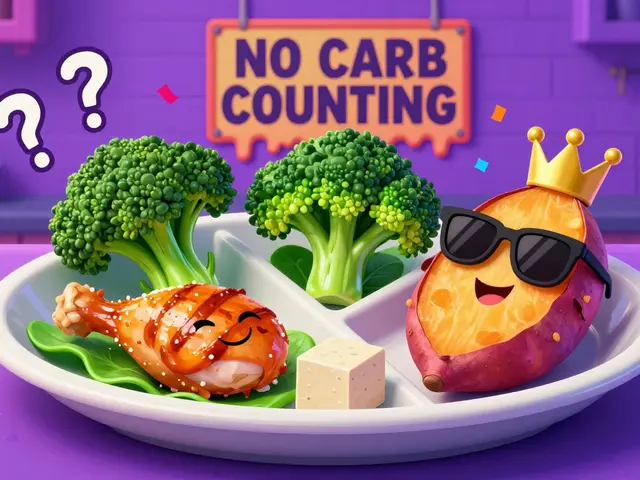
Diabetic meal planning isn’t about strict diets or cutting out all carbs. It’s about making smart choices that keep your blood sugar steady, help you feel full longer, and reduce the risk of complications like heart disease or nerve damage. The goal isn’t perfection-it’s consistency. According to the American Diabetes Association, the easiest and most effective method is the Diabetes Plate Method. It doesn’t require counting calories, tracking grams of carbs, or using apps. You just need a 9-inch plate and a basic understanding of portion balance.
The Diabetes Plate Method: Simple, Visual, and Proven
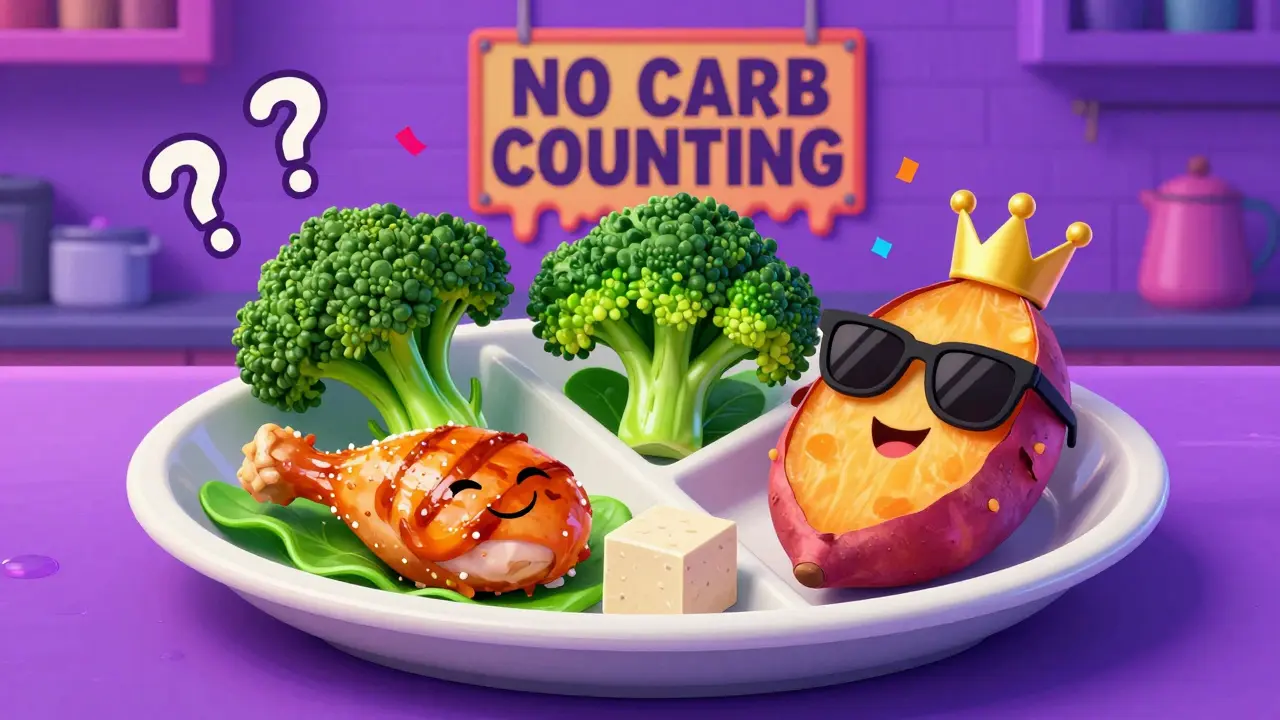
Picture a regular dinner plate. Now divide it into three sections without any measuring tools:
- Half the plate: Non-starchy vegetables
- One-quarter: Lean protein
- One-quarter: Healthy carbohydrates
This isn’t just a suggestion-it’s backed by the CDC and the ADA as the most practical tool for daily use. Non-starchy vegetables like spinach, broccoli, zucchini, peppers, and mushrooms fill up the largest portion because they’re low in carbs and high in fiber. They slow down sugar absorption and help you feel satisfied without spiking glucose. Lean proteins like grilled chicken, fish, tofu, or eggs go in the next section. They don’t raise blood sugar much and help maintain muscle mass. The last quarter is for carbs-but not just any carbs. Choose whole grains like quinoa, barley, or brown rice, or starchy vegetables like sweet potatoes or corn. Even fruit belongs here, but keep it to one small piece or half a cup.
Foods to Eat: What Actually Works
Some foods are your allies in managing diabetes. They don’t just avoid causing spikes-they help stabilize your system over time.
- Non-starchy vegetables: Aim for 2.5 to 3 cups a day. Try roasted Brussels sprouts, steamed kale, or raw carrots with hummus.
- Fatty fish: Eat salmon, mackerel, or sardines at least twice a week. The omega-3s help reduce inflammation and protect your heart.
- Legumes: Beans, lentils, and chickpeas are packed with fiber and plant-based protein. A half-cup serving can replace meat in chili or salads.
- Whole grains: Swap white bread for whole-wheat or sourdough. Choose oats, barley, or bulgur instead of instant rice.
- Healthy fats: Avocado, nuts (almonds, walnuts), seeds (chia, flax), and olive oil improve insulin sensitivity. A tablespoon of olive oil on your salad isn’t just tasty-it’s therapeutic.
- Low-fat dairy: Plain Greek yogurt and unsweetened milk are fine. Watch out for flavored versions-they often hide sugar.
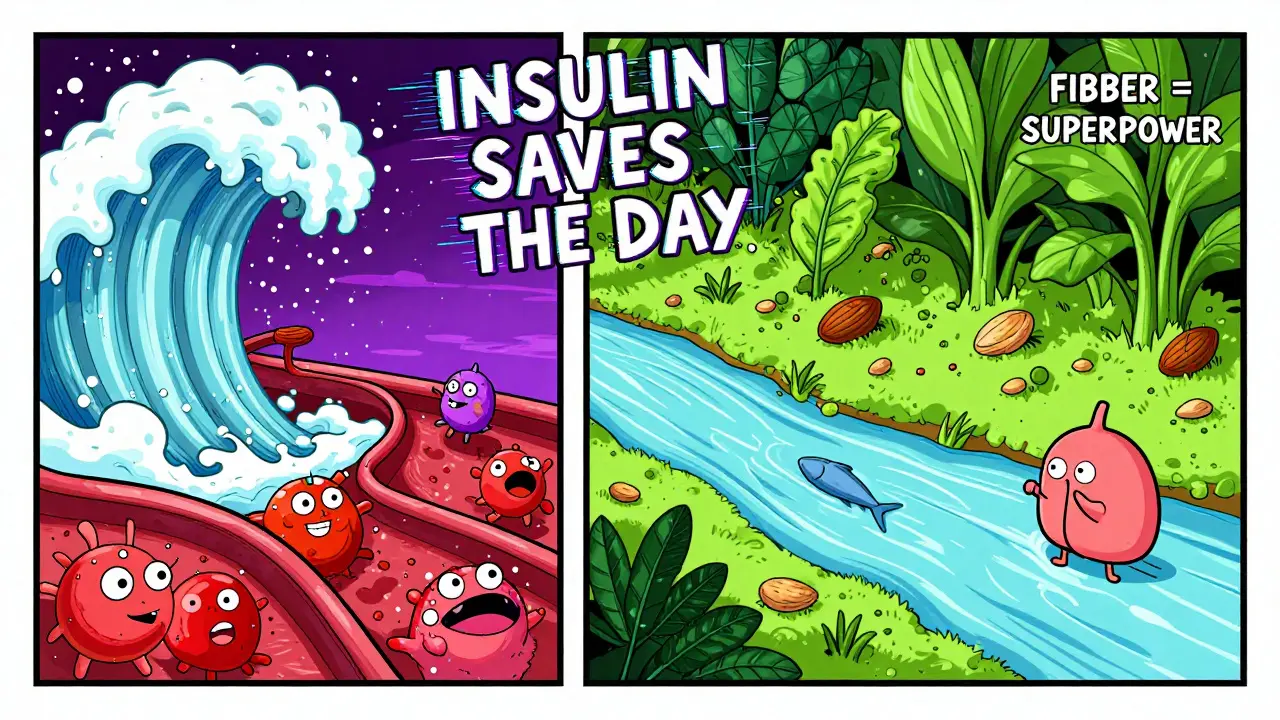
The Cleveland Clinic says this balance slows digestion. That means your body absorbs sugar slowly, avoiding the crashes and spikes that leave you tired and hungry.
Foods to Avoid: The Hidden Traps
Some foods seem harmless but are dangerous for blood sugar control. These are the ones to cut back on-or skip altogether.
- Refined grains: White bread, white rice, and regular pasta turn into sugar fast. Even whole-grain versions can be problematic if eaten in large amounts. Stick to small portions.
- Sugary drinks: Soda, sweet tea, fruit punch, and even 100% fruit juice spike blood sugar rapidly. One 12-ounce can of soda has about 10 teaspoons of sugar. Water, sparkling water, or unsweetened tea are better choices.
- Processed meats: Bacon, sausage, deli ham, and hot dogs are high in sodium and preservatives. Studies link them to increased insulin resistance.
- Sweetened yogurts and cereals: Even "low-fat" or "healthy" options often have more sugar than a candy bar. Always check the label-look for under 5 grams of added sugar per serving.
- Pastries, cookies, and cakes: These are loaded with refined flour and sugar. A single muffin can contain more carbs than your entire plate should.
- Deep-fried foods: Fried chicken, onion rings, and fries add unhealthy fats and carbs. The oil used in frying can also increase inflammation.
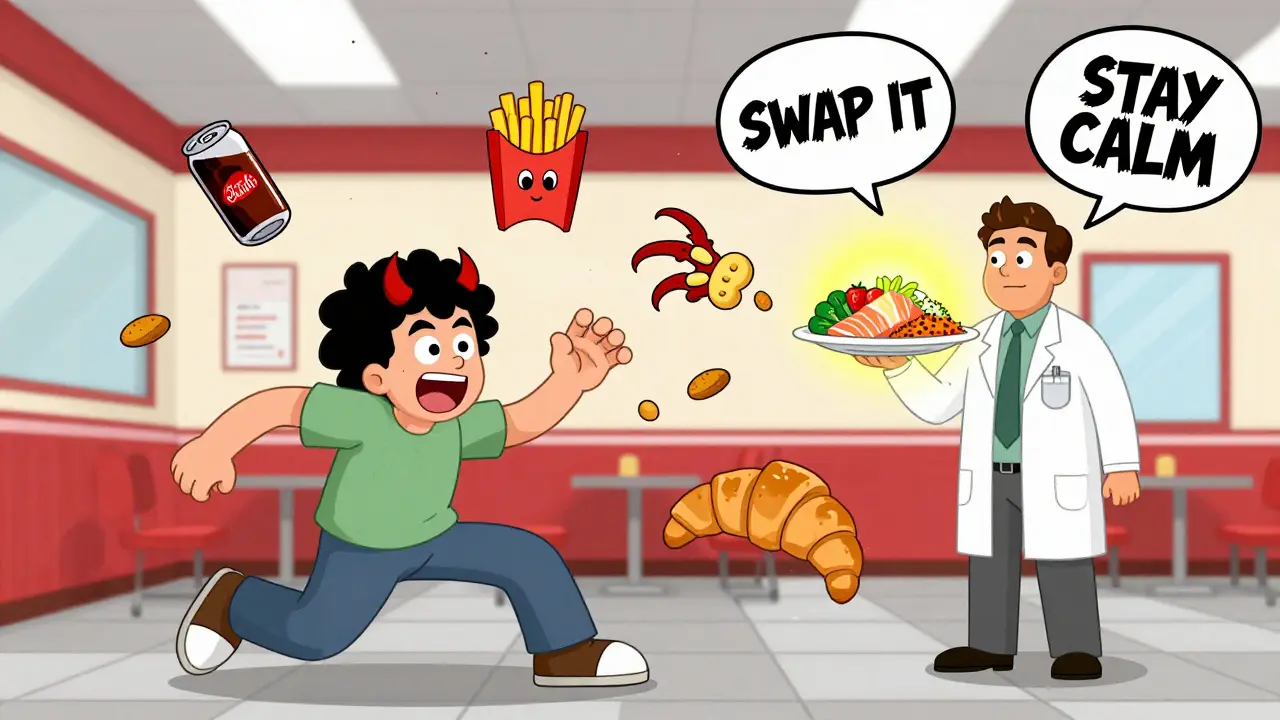
Remember: It’s not about being perfect. It’s about awareness. If you’re eating out and get a basket of bread, skip it. If your coffee comes with a flavored syrup, ask for it on the side-or skip it.
Meal Timing Matters Just as Much as What You Eat
When you eat is as important as what you eat. The ADA recommends eating at regular times-ideally every 4 to 5 hours. Skipping meals can cause blood sugar to drop too low, then rebound too high when you finally eat. Eating too often, especially snacks high in carbs, keeps insulin levels elevated and makes it harder for your body to use fat for energy.
For most adults, three balanced meals with one or two small snacks work well. For children with Type 2 diabetes, the University of Florida recommends three meals and three snacks daily to support growth without causing spikes.
Try to leave at least two hours between meals. That gives your body time to process the food and bring glucose levels back down. If you’re on insulin or certain medications, timing becomes even more critical. Talk to your doctor or diabetes educator about your schedule.
Real Meals, Real Life: What a Day of Eating Looks Like
Here’s how a simple, balanced day might look using the plate method:
- Breakfast: Scrambled eggs with spinach and mushrooms, half a whole-wheat English muffin, and a small apple.
- Lunch: Grilled chicken salad with mixed greens, cherry tomatoes, cucumbers, and a quarter cup of quinoa. Dress with olive oil and vinegar.
- Snack: A small handful of almonds and a few slices of cucumber.
- Dinner: Baked salmon, half a cup of roasted sweet potatoes, and a large side of steamed broccoli.
- Dessert (optional): A few dark chocolate squares (70% cocoa or higher) or a cup of berries.
The Diabetes Food Hub offers free, downloadable meal plans like Southwest-Style Turkey Meatloaf with mashed red potatoes and green salad. You can even create your own plan online by dragging and dropping meals into a weekly schedule.
Overcoming Common Challenges
Meal planning sounds simple until you face real life.
- Cultural foods: If your family eats rice or flatbread daily, don’t cut it out-just reduce the portion. Pair it with double the vegetables and lean protein.
- Eating out: Ask for dressings on the side, swap fries for a side salad, and choose grilled over fried. Many restaurants now offer nutrition info online-check before you go.
- Food insecurity: About 23% of adults with diabetes struggle to afford healthy food. Frozen vegetables, canned beans (rinsed to reduce sodium), and eggs are affordable, shelf-stable options that fit the plate method.
- Cravings: If you crave something sweet, reach for fruit first. Sometimes, dehydration mimics sugar cravings. Drink a glass of water before reaching for a snack.
Why This Works Long-Term
Studies show that people who stick with structured meal plans for six months or more see HbA1c drops of 0.3% to 2.0%. That’s the difference between needing more medication and possibly reducing it. The DiRECT trial in The Lancet found that people who followed a structured eating plan were more likely to reverse Type 2 diabetes than those who just took pills.
This isn’t about restriction. It’s about empowerment. You’re not giving up food-you’re choosing foods that give you energy, stability, and control.
Tools to Help You Stay on Track
You don’t have to do this alone. The CDC’s Diabetes Prevention Program now offers free virtual coaching. Apps like MyFitnessPal can help track carbs if you want to go deeper, but they’re not required. The ADA’s Plate Method is enough for most people.
Some newer tools use AI to suggest meals based on your glucose readings from continuous monitors. These are still emerging, but they show where the future is headed: personalized, real-time food advice tied to your body’s response.
Can I still eat fruit if I have diabetes?
Yes, absolutely. Fruit is a healthy source of fiber, vitamins, and antioxidants. But portion matters. Stick to one small piece (like an apple or banana) or half a cup of berries, grapes, or chopped fruit per serving. Avoid fruit juices-they remove the fiber and concentrate the sugar. Whole fruit is always better.
Are artificial sweeteners safe for people with diabetes?
Most artificial sweeteners like stevia, sucralose, and aspartame don’t raise blood sugar. But they’re not magic. Some studies suggest they might still affect cravings or gut health over time. Use them sparingly. Better yet, train your taste buds to enjoy natural sweetness from fruit or a sprinkle of cinnamon.
Do I need to count carbs if I use the plate method?
Not unless you want to. The plate method is designed to work without counting. It balances portions so carbs are moderate and spread out. If you’re on insulin or your doctor recommends carb counting, then yes-track it. But for most people, the plate is enough to see results.
Can I drink alcohol with diabetes?
Moderation is key. One drink per day for women, two for men. Alcohol can cause low blood sugar, especially if taken on an empty stomach or with insulin. Always eat when you drink. Choose dry wine, light beer, or spirits with soda water-avoid sugary mixers like tonic or juice.
What if I’m always hungry on this plan?
You’re probably not eating enough fiber or protein. Add more non-starchy vegetables, beans, nuts, or eggs to your meals. Healthy fats like avocado or olive oil also help you feel full. Drink water before meals-sometimes thirst feels like hunger. If you’re still hungry between meals, have a small snack: a hard-boiled egg, a few olives, or a spoonful of peanut butter on celery.
Next Steps: Start Small, Stay Consistent
You don’t need to overhaul your diet overnight. Pick one change this week. Maybe swap white rice for brown. Or add a side of broccoli to dinner. Maybe skip the soda and replace it with sparkling water. Small wins build momentum.
Track how you feel-not just your numbers. Do you have more energy? Fewer crashes? Better sleep? Those are the real signs you’re on the right path. Over time, these choices become habits. And habits are what keep you healthy-not perfection.