Category: Medications - Page 2
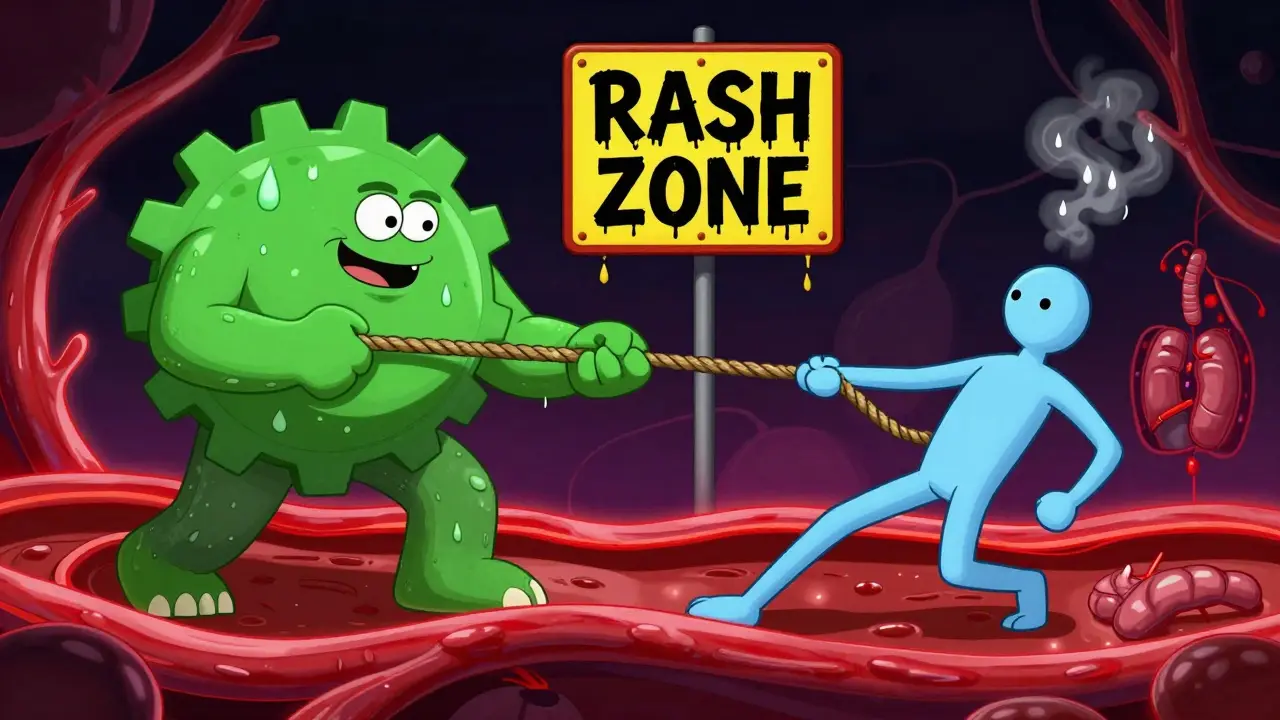
Valproate and Lamotrigine: Rash Risk and Dose Adjustments Explained
Combining valproate and lamotrigine can dangerously increase rash risk. Learn the exact dosing rules that cut serious reactions by over 80% and what to do if you notice skin changes.
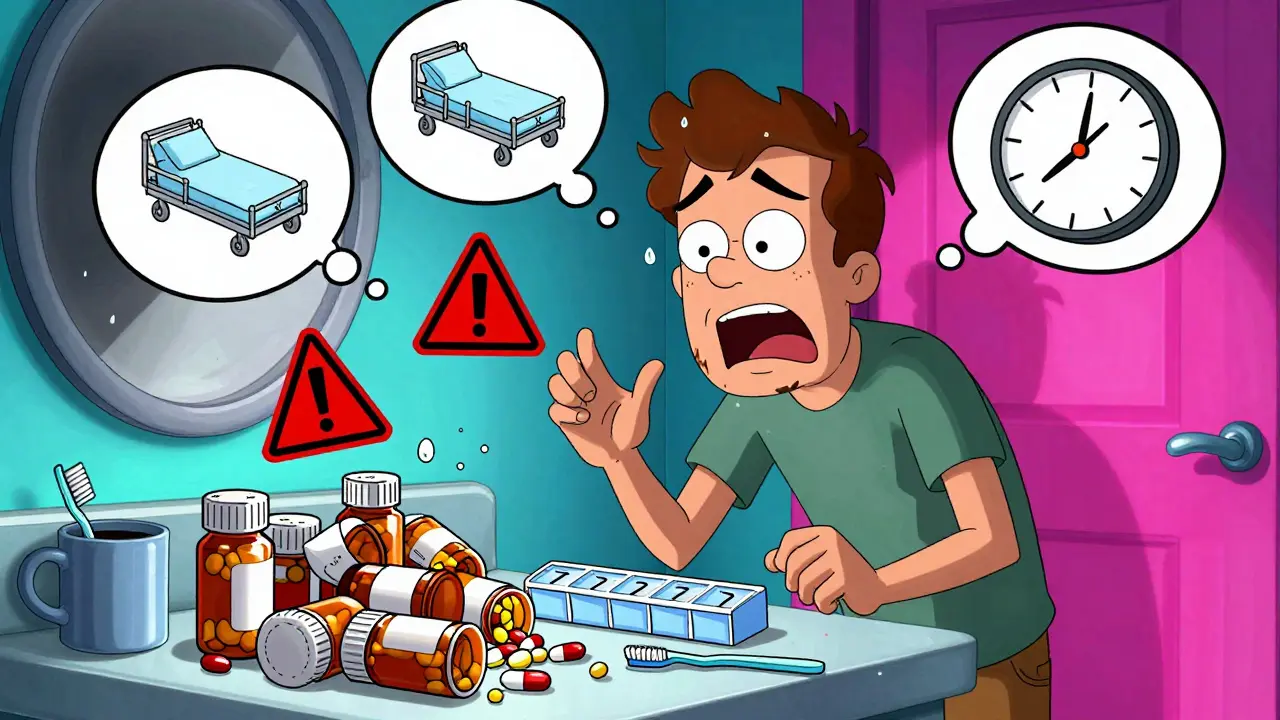
Organizing Your Medications: Pill Organizers and Tracking Methods for Better Safety
Organizing your medications with pill organizers and tracking methods improves safety, reduces errors, and boosts adherence. Learn how simple tools and smart systems can help you take the right pills at the right time.
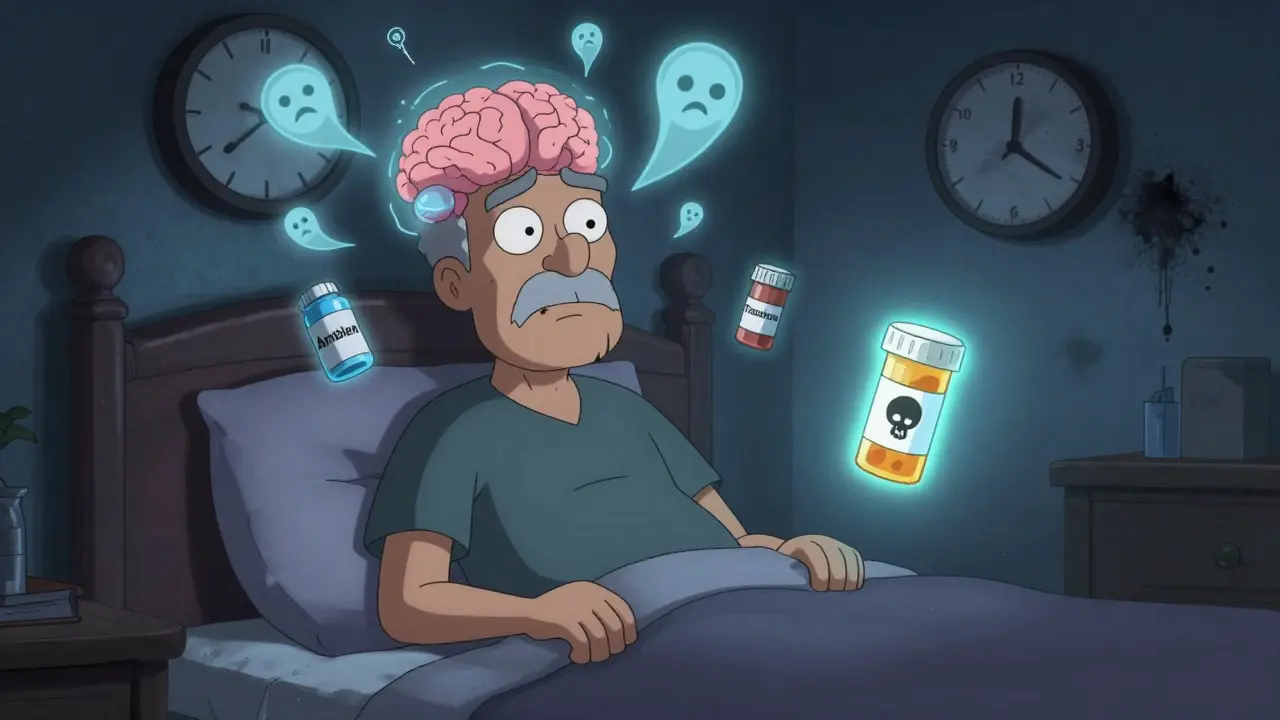
Sleep Aids: Interactions and Cognitive Side Effects You Need to Know
Not all sleep aids are the same. Some increase dementia risk, others may protect your brain. Learn which drugs cause brain fog, which are safer, and what to do instead of relying on pills.
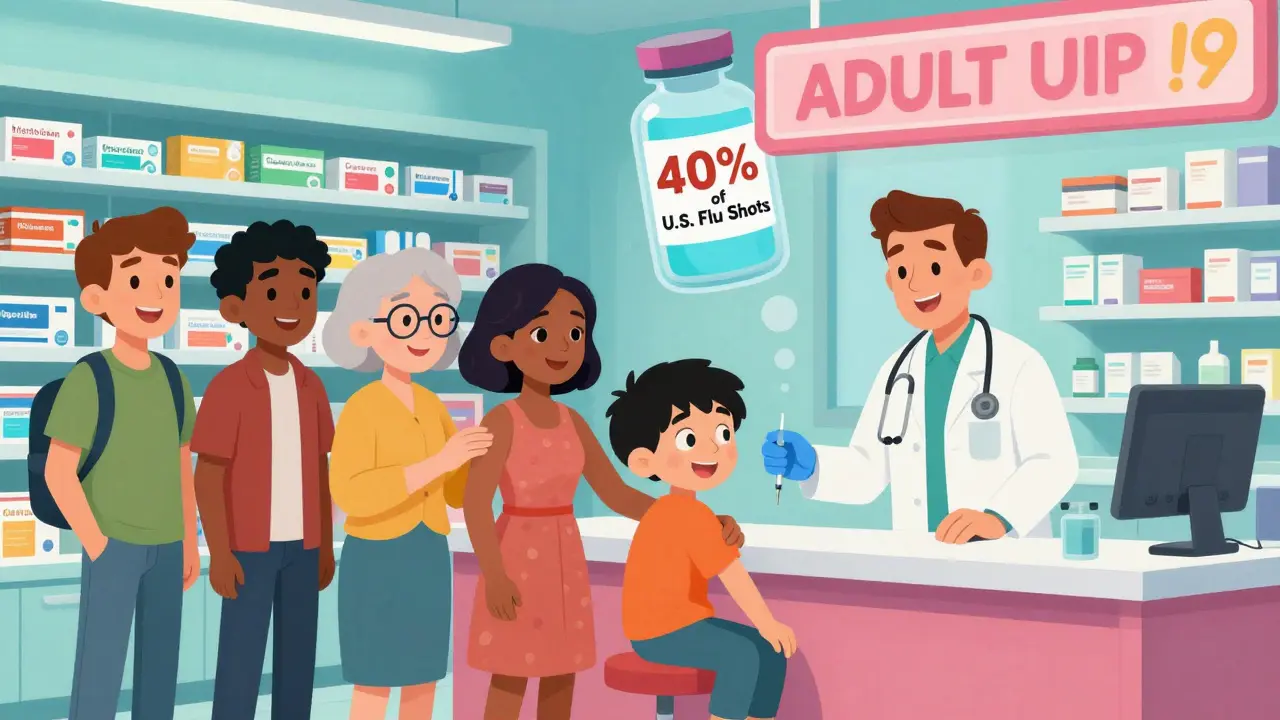
Immunizations and Generic Prescriptions: How Pharmacists Are Leading Patient Advocacy
Pharmacists are now key providers of vaccines and generic medication advocates, improving access and lowering costs. Learn how they're reshaping public health and overcoming systemic barriers.
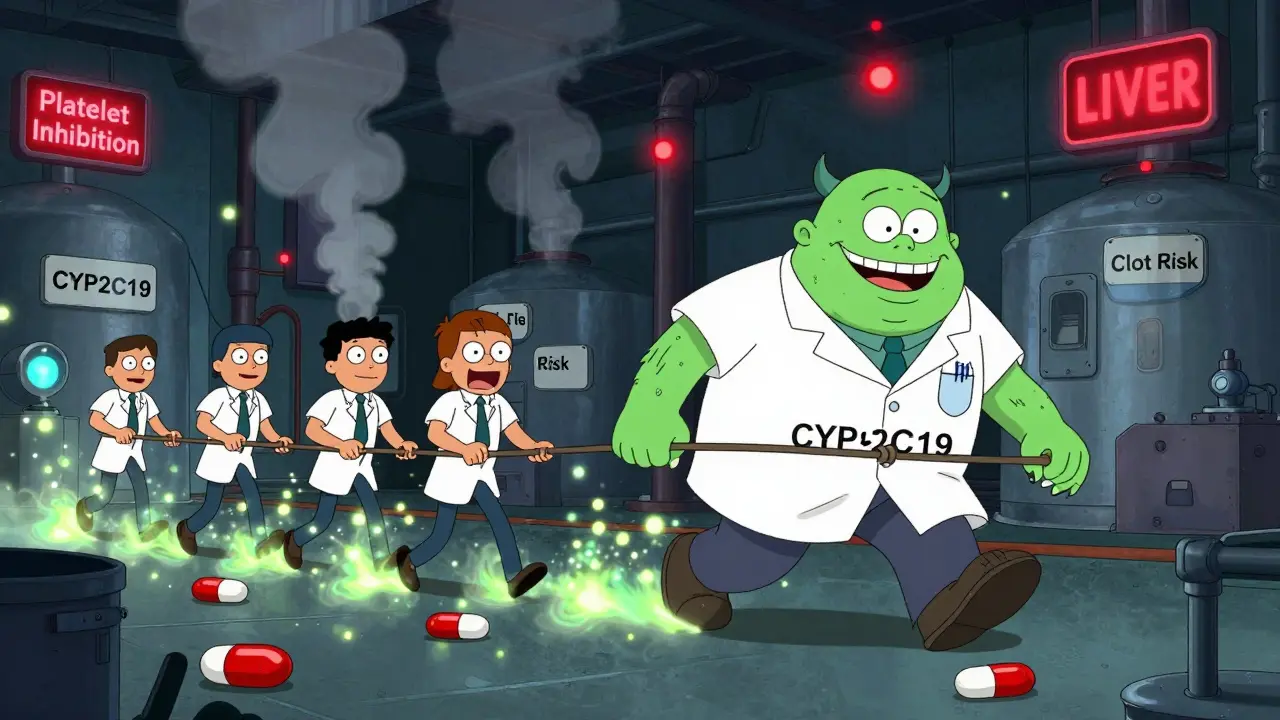
Omeprazole and Clopidogrel: What You Need to Know About CYP2C19 Inhibition
Omeprazole can reduce clopidogrel's effectiveness by blocking CYP2C19, increasing clot risk. Pantoprazole is the safest PPI alternative. Genetics and timing matter - here's what to do.
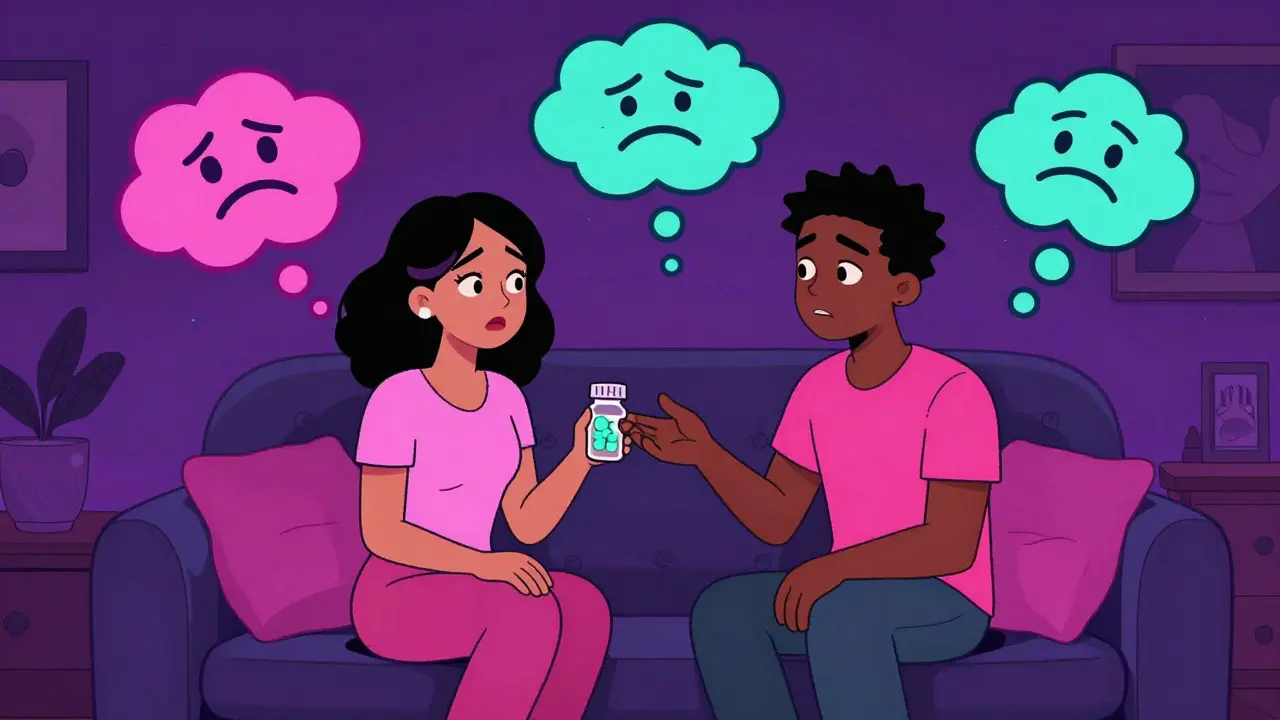
Counseling for Sexual Side Effects from Medications: What You Need to Know
Sexual side effects from medications like antidepressants are common but often ignored. Counseling can help you manage them without quitting treatment. Learn what works, what doesn’t, and how to talk to your provider.
Generic Drug Manufacturers: Business Models for Profitability and Sustainability
Generic drug makers save billions in healthcare costs but struggle to stay profitable. Learn their business models, challenges, and how they're adapting for sustainability. Teva and Viatris strategies, regional differences, and future outlook explained.
Benzodiazepines and Drug Interactions: What You Need to Know
Benzodiazepines treat anxiety but carry serious risks when mixed with opioids or alcohol. Learn about FDA warnings, real-world dangers, safer alternatives, and how to use these medications safely.
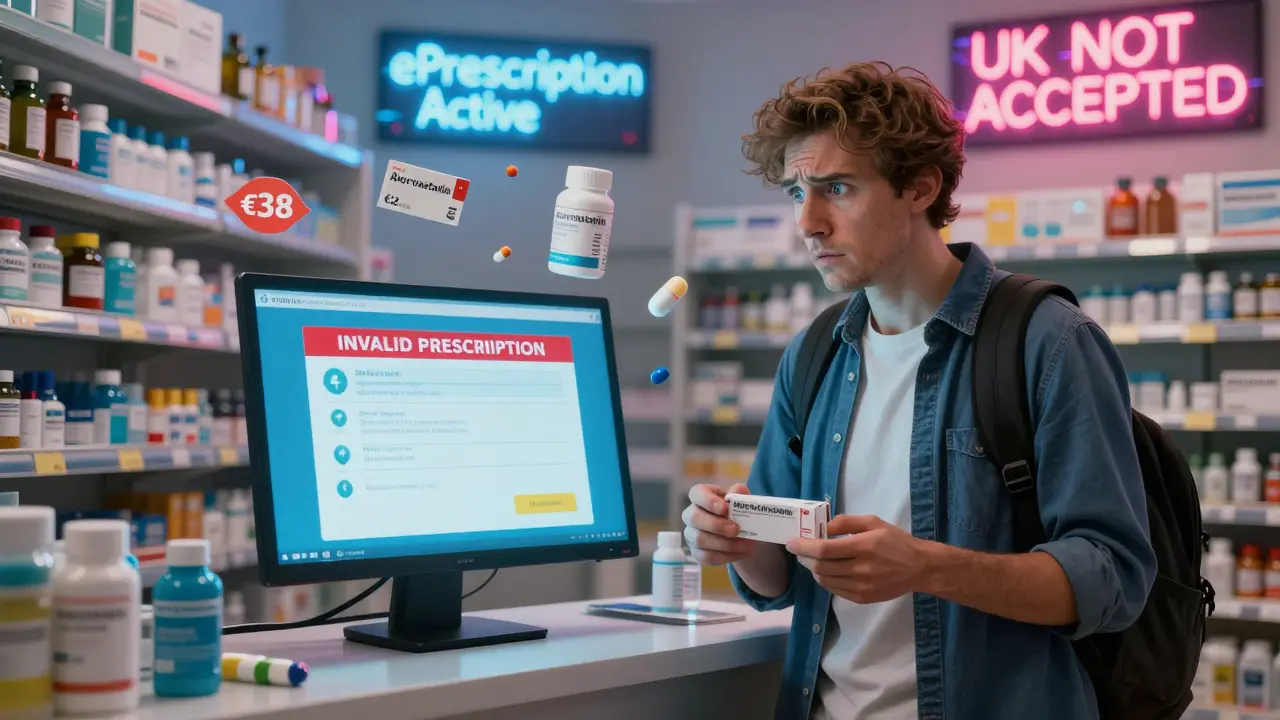
Cross-border Pharmacy Services in the EU: How Generic Drugs Move Across Borders
Cross-border pharmacy services in the EU let citizens access generic drugs across borders using digital prescriptions. Despite progress, uneven implementation, UK prescription rules, and low public awareness still create barriers for patients.
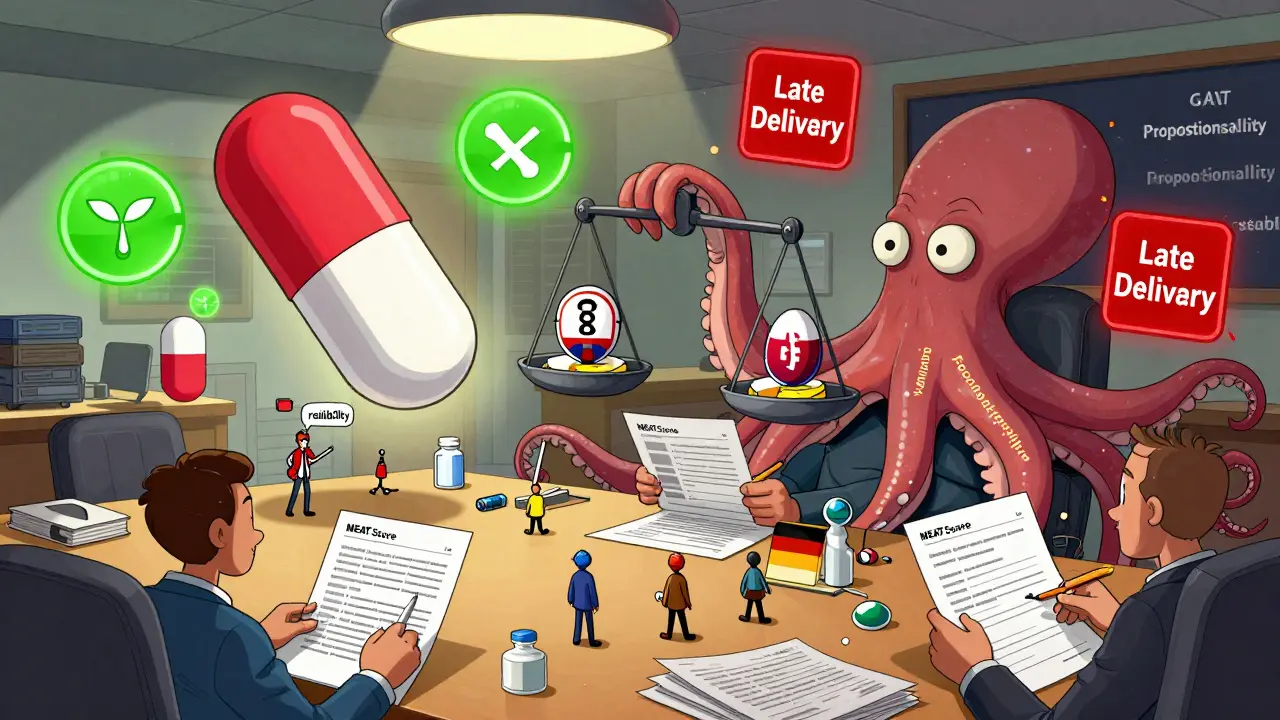
Tendering Systems in Europe: How Public Procurement Drives Generic Purchasing
Europe uses complex, rules-based tendering systems to buy generic medicines, prioritizing value over price. This ensures fair competition, transparency, and sustainability - making generics affordable and reliable across the EU.

Why Prescription Drug Prices Are So High in the United States
Americans pay up to three times more for prescription drugs than other wealthy nations. This isn't about cost of production - it's about policy, profit, and power. Here's why U.S. drug prices are so high and who benefits.
Prednisone and Prednisolone Side Effects: What to Expect Short-Term and Long-Term
Prednisone and prednisolone are powerful steroids used to treat inflammation and autoimmune conditions. While effective, they carry serious short-term and long-term side effects - from weight gain and mood swings to osteoporosis and adrenal suppression. Learn what to expect and how to reduce the risks.