Medications: Your 2025 Guide to Safe Use and Smart Choices
Finding the right medication can be tricky, especially when you’re trying to buy online or consider alternatives. This page is packed with practical info to help you navigate prescription drugs safely and discover new options that suit your needs.
Safe Online Pharmacies You Can Trust
Looking to buy meds online? It’s easy to feel overwhelmed by choices. Sites like canadianmadelabs.com and hisblue.com are popular options that offer prescription drugs with safety measures in place. When choosing an online pharmacy, always check for verified licenses, clear shipping policies, and customer reviews. Avoid places that don’t ask for a prescription or have suspiciously low prices—it’s about your health, so play it safe.
For example, canadianmadelabs.com stands out for transparent pricing and reliable customer service, while hisblue.com focuses on delivering meds securely to your door. Both make it easier to get what you need without stepping out.
Exploring Medication Alternatives in 2025
If you’re tired of side effects or just want to try something new, alternatives to common drugs are growing fast this year. Take Metformin, widely used for diabetes—it now has alternatives like Liraglutide which might help with weight loss and better glucose control. But remember, every alternative comes with its own pros and cons, so talk to your doctor before switching.
Other drugs with notable alternatives include Prednisone, where options like Dupixent target specific immune responses, and cholesterol meds like Ezetimibe, with choices that may suit different lifestyles better. Even antibiotics like Ciprofloxacin have safer substitutes to consider if resistance is a concern.
Choosing the right medication or alternative means knowing what fits your health and lifestyle best. This guide helps you keep informed so that you’re ready for 2025’s medication scene with confidence.
Generic Drug Absorption Rates: Understanding Bioequivalence Standards
Learn how generic drug absorption rates are measured and why the 80-125% bioequivalence standard ensures they work just like brand-name medications.
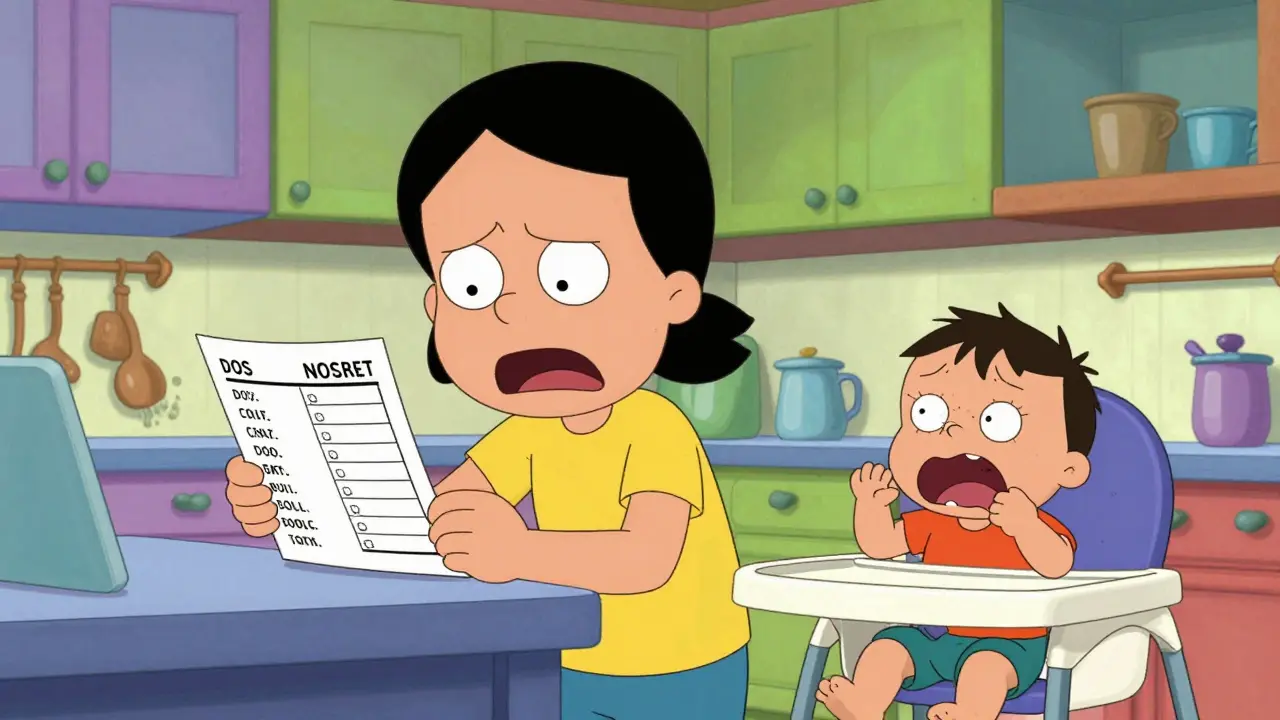
Pediatric Antihistamine Dosing: How to Prevent Common Medication Errors
Learn how to prevent pediatric antihistamine dosing errors. Expert tips on using oral syringes, weight-based dosing, and choosing the safest medications for children.
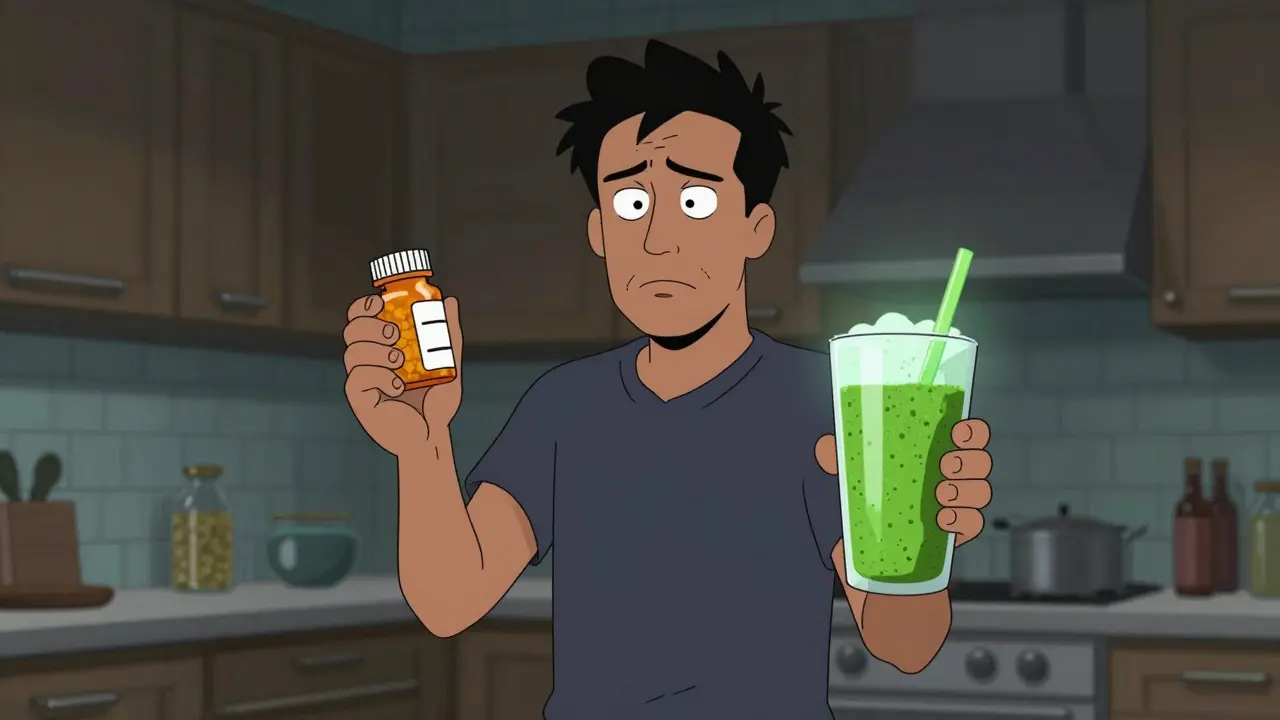
Protein Shakes and Levothyroxine: Morning Dose Timing Tips
Discover why protein shakes interfere with Levothyroxine absorption and how to fix unstable TSH levels. Learn the 4-hour separation rule and timing strategies.
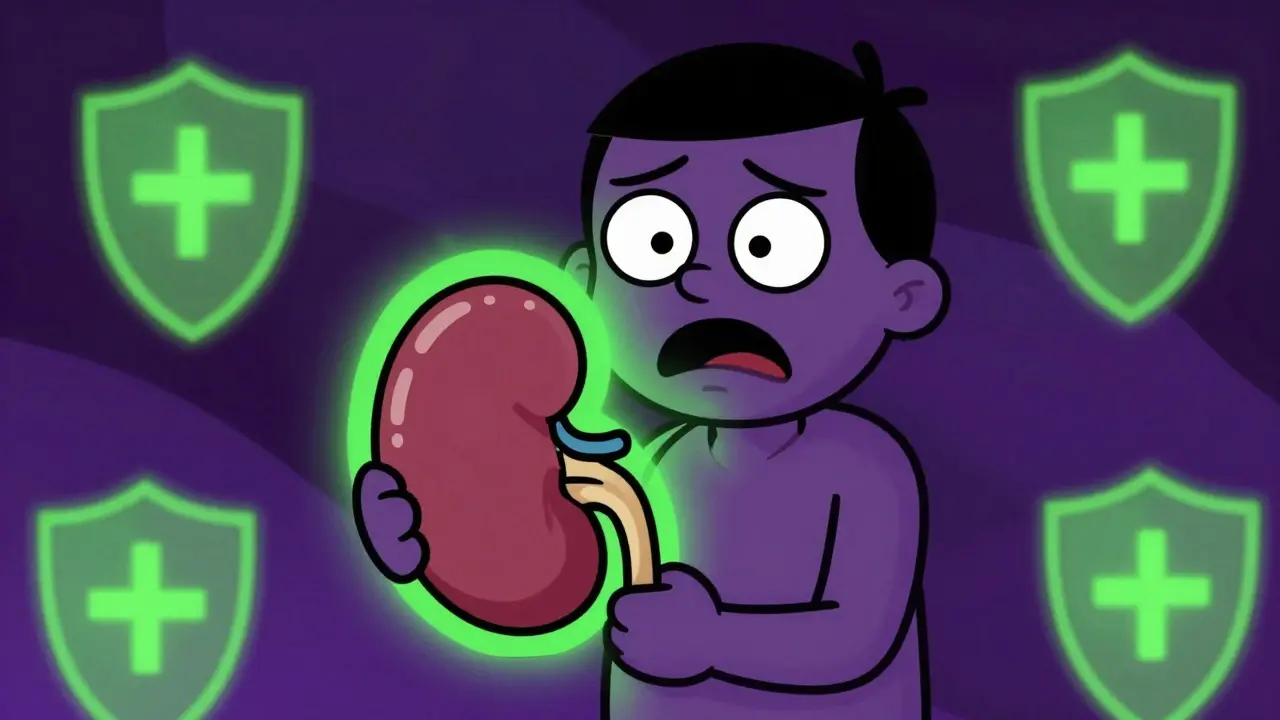
Cyclosporine and Tacrolimus Generic Issues: Risks, Costs, and Management
Explore the risks and savings of generic cyclosporine and tacrolimus. Learn how bioequivalence issues affect transplant outcomes and patient safety.
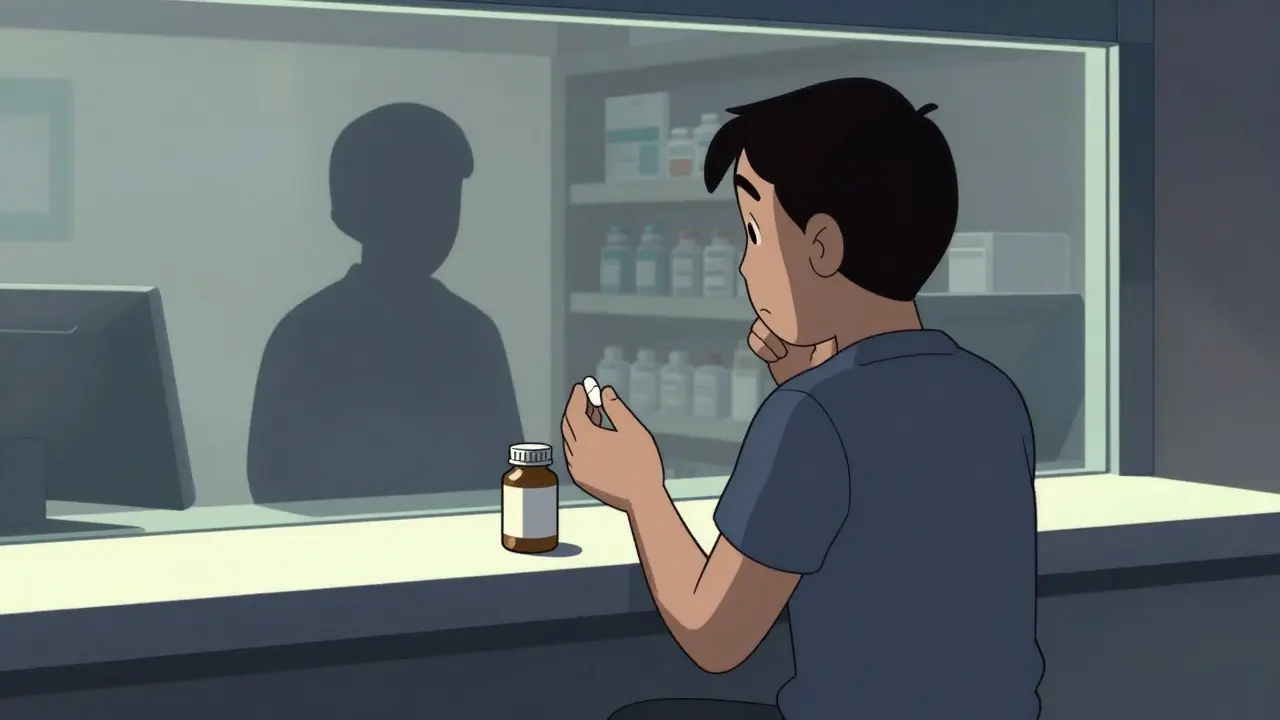
How to Identify a Legitimate Generic Drug at the Pharmacy in 2026
Learn how to spot legitimate generic drugs versus counterfeits. Covers visual checks, packaging details, and verification tools to ensure medication safety.
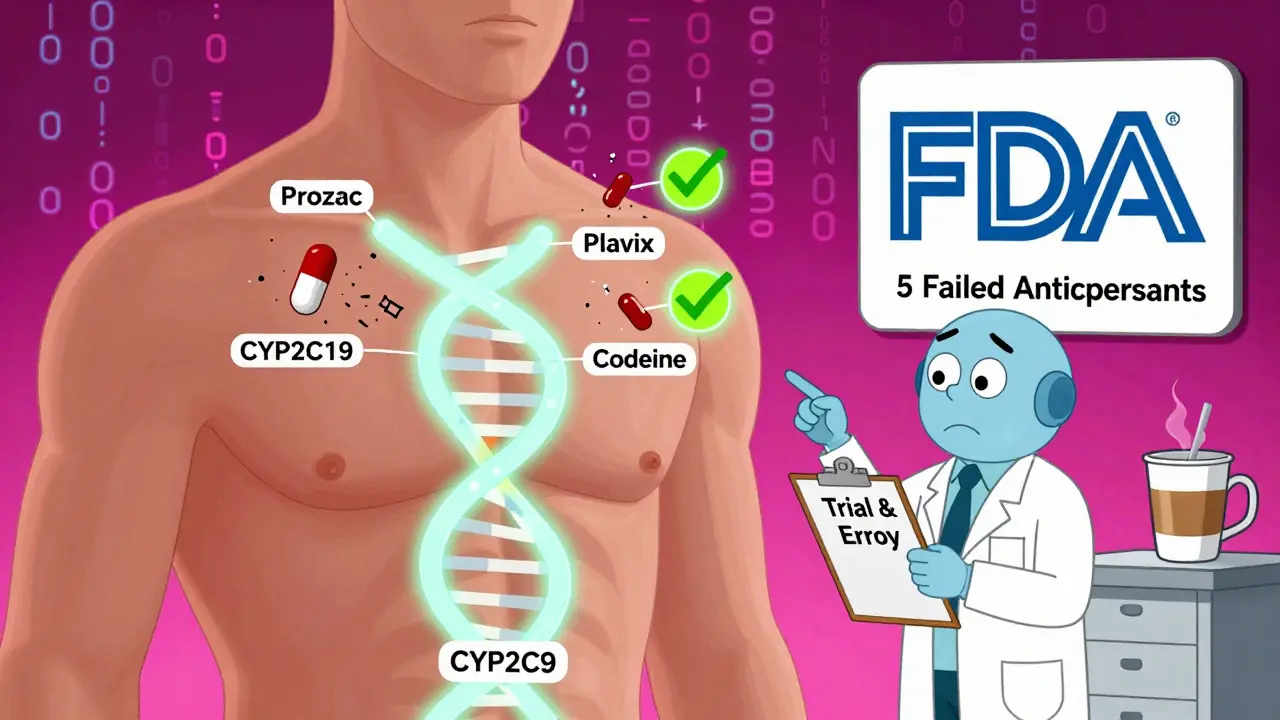
Pharmacogenomics Testing: How Your Genes Guide Your Medication Choices
Pharmacogenomics testing uses your genes to predict how you'll respond to medications - helping doctors choose safer, more effective drugs. It's already changing treatment for depression, heart disease, and pain.
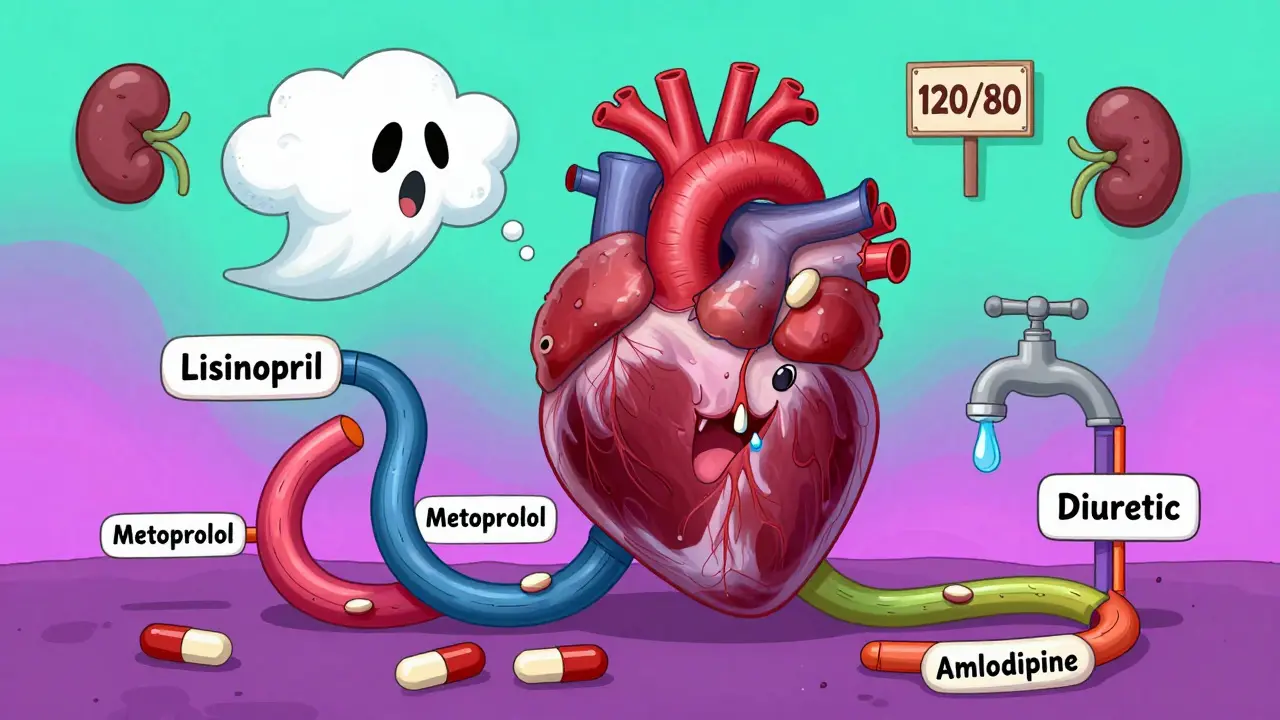
Blood Pressure Medications: ACE Inhibitors, Beta Blockers, and More
Learn how ACE inhibitors, beta blockers, and other blood pressure medications work, their side effects, and which ones are best for different health conditions. Find out why combinations are often needed and what to expect when starting treatment.
Switching from Brand to Authorized Generic: Practical Tips for Patients
Switching from a brand-name drug to an authorized generic can cut your prescription costs by up to 40%-with no change in effectiveness. Learn how to identify them, why they’re safer than traditional generics, and how to navigate insurance rules.

Questions to Ask Your Doctor About Medication Side Effects
Knowing what to ask your doctor about medication side effects can prevent serious harm. Learn the key questions backed by medical research to stay safe, avoid hospital visits, and take control of your treatment.
Alcohol and Medications: Dangerous Interactions and Health Effects
Mixing alcohol with medications can cause deadly side effects, liver damage, and overdose. Learn which drugs are most dangerous when combined with alcohol and how to protect your health.
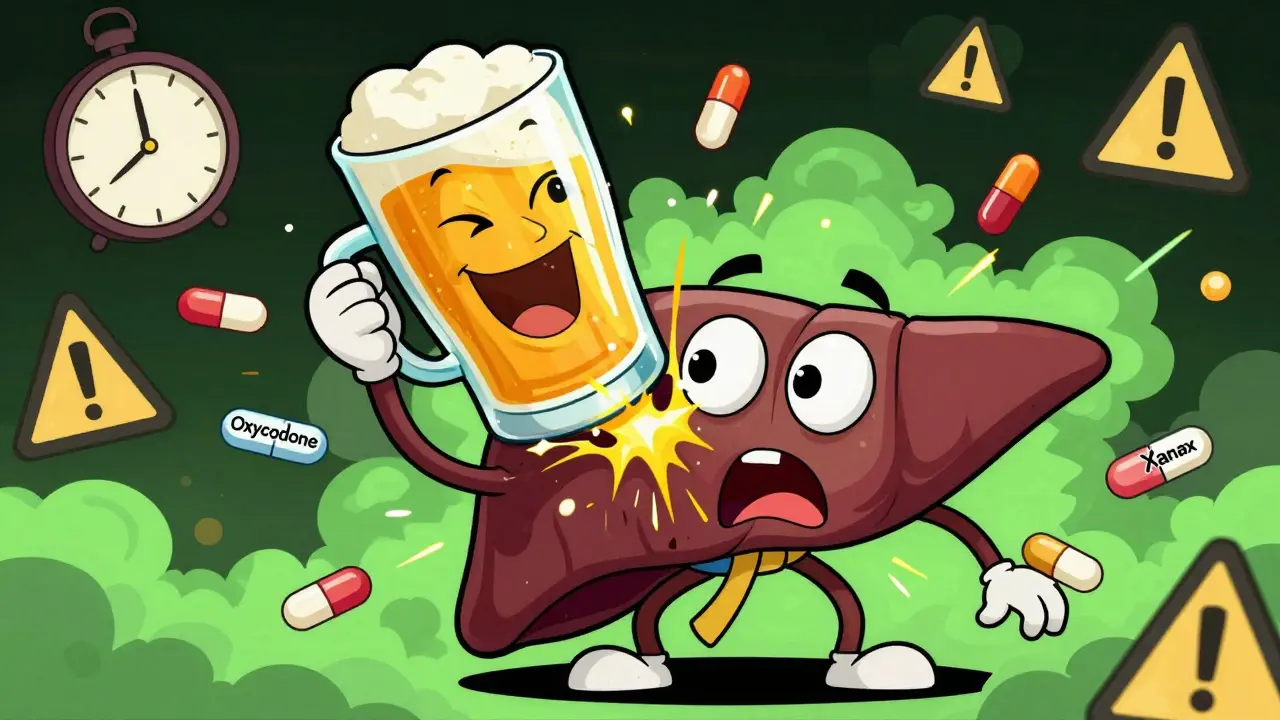
Alcohol and Medications: Dangerous Interactions and Health Effects
Mixing alcohol with medications can cause dangerous side effects, liver damage, or even death. Learn which drugs are most risky, who's most vulnerable, and how to stay safe.
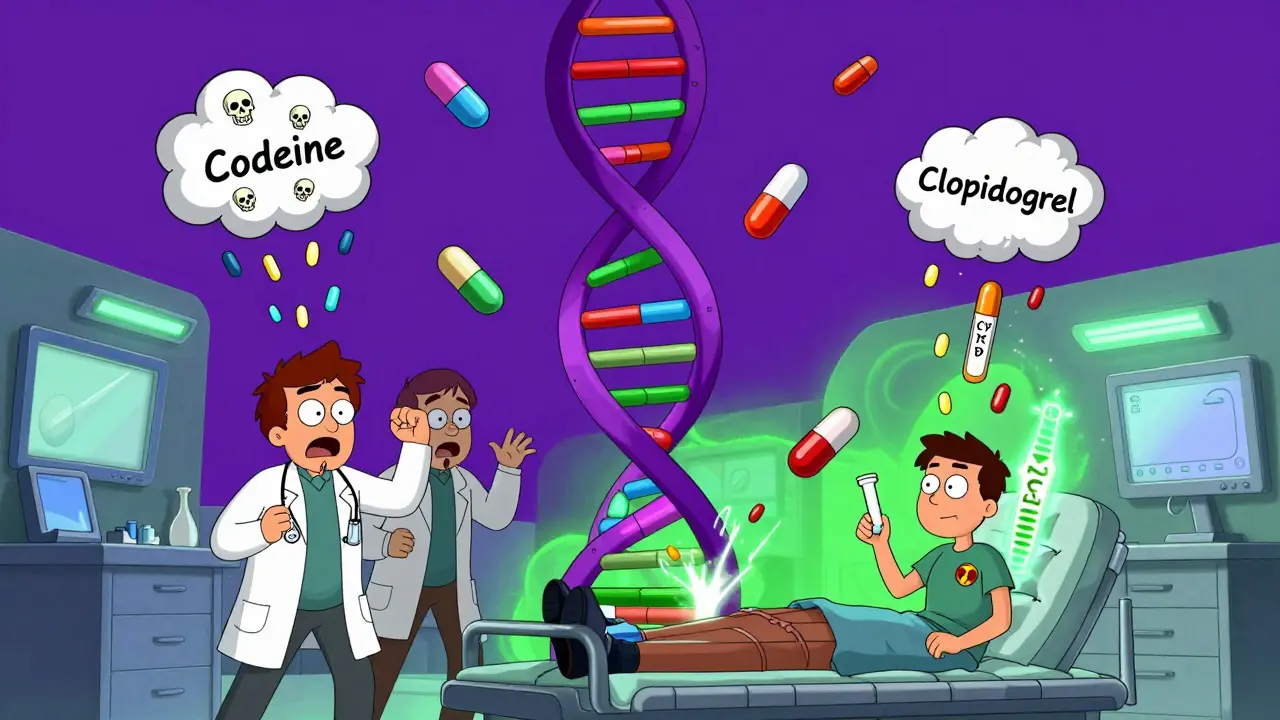
Preventing Adverse Drug Reactions with Pharmacogenetic Testing
Pharmacogenetic testing can prevent up to 30% of serious adverse drug reactions by using your genes to guide safer prescribing. Learn how it works, which drugs it affects, and why it’s becoming standard care.
Recent Post
-
Buy Cheap Generic Zyrtec Online - 2025 Guide
Oct, 9 2025