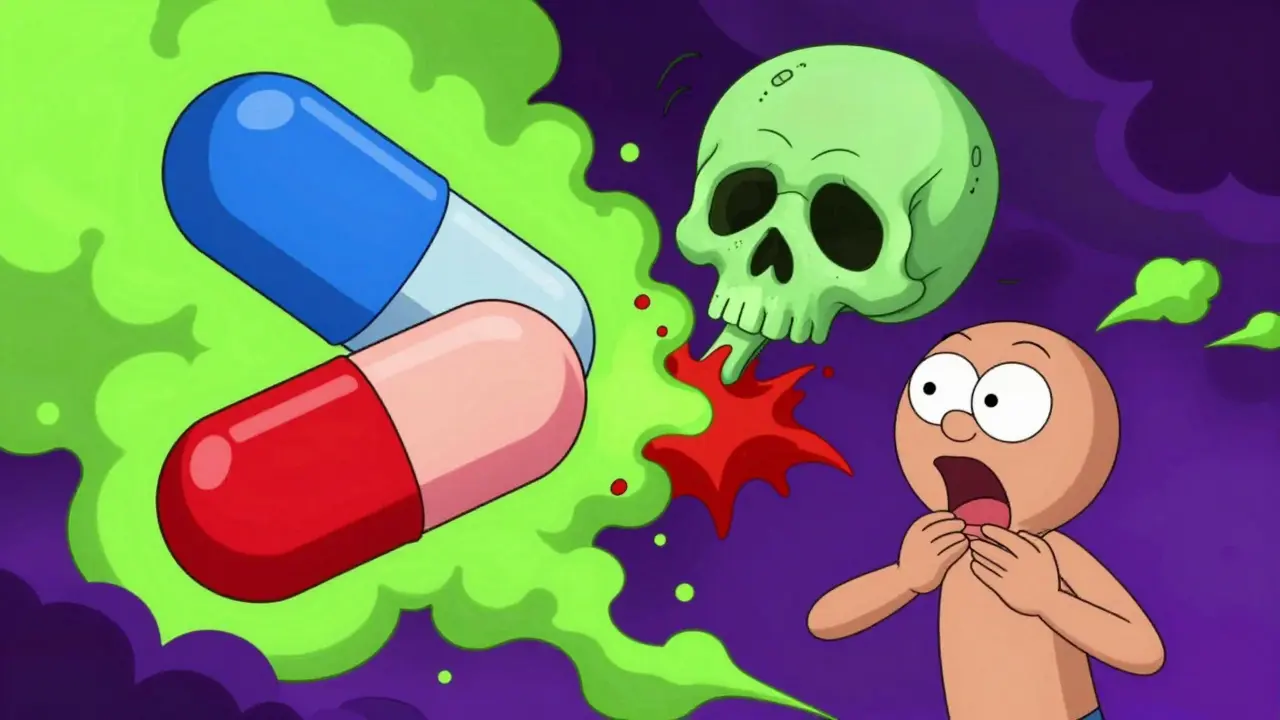
Benzodiazepine Interaction Checker
Check Medication Safety
This tool helps identify dangerous combinations of benzodiazepines with other substances based on FDA guidelines.
In 2019, 75% of benzodiazepine-related overdose deaths involved opioids. These medications, while effective for anxiety, carry serious risks when combined with other drugs. Understanding these dangers is crucial for safe use.
What Are Benzodiazepines?
Benzodiazepines are a class of psychoactive medications first developed in 1955 by Leo Sternbach. They work by boosting the effects of GABA, a brain chemical that calms nerve activity. Common examples include alprazolam (Xanax), diazepam (Valium), and lorazepam (Ativan). These drugs help with anxiety, insomnia, seizures, and alcohol withdrawal. They act quickly-usually within 30 to 60 minutes-but come with significant risks when mixed with other substances.
Why Combining with Opioids Is Dangerous
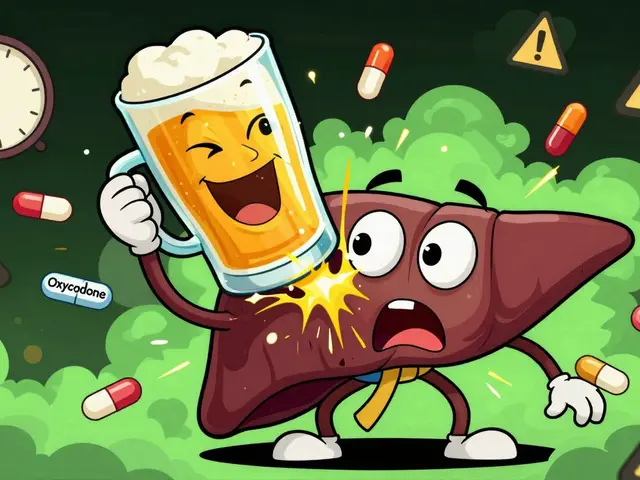
When benzodiazepines mix with opioids like oxycodone or fentanyl, the danger skyrockets. Both drugs slow down your breathing. The FDA says this combo causes respiratory depression, coma, or death. Between 2011 and 2016, 75% of benzodiazepine overdose deaths involved opioids. A CDC study found this combination makes fatal overdoses 15 times more likely than opioid use alone. In 2019, benzodiazepine-opioid combinations accounted for 23% of opioid-related deaths. Emergency physician Dr. Robert Glatter calls this a "perfect storm" fueling the opioid crisis.
Risks with Alcohol and Other CNS Depressants
Alcohol is another major risk. Mixing it with benzodiazepines like Xanax or Valium worsens drowsiness and impairs coordination. The FDA requires all benzodiazepine labels to warn about alcohol interactions. Even small amounts can be dangerous. For example, a single drink while on Ativan might cause severe dizziness or falls. Other CNS depressants like sleep aids (Z-drugs) or muscle relaxants add to this risk. Older adults face even higher dangers: taking benzodiazepines with sedating drugs triples fall risk. Studies show 50% higher risk of fractures in seniors using these combinations.
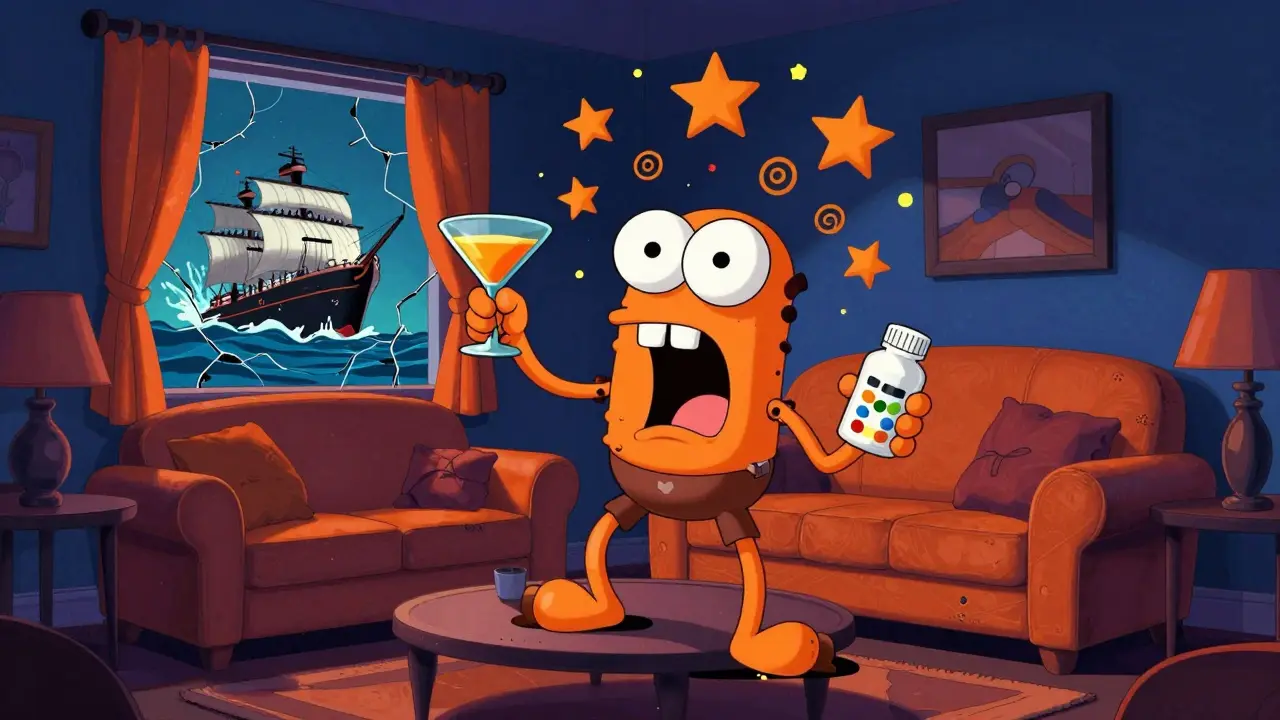
Real-Life Stories of Harm
User experiences highlight these dangers. On Reddit, a user named u/AnxietyWarrior2020 shared: "I was prescribed Xanax for panic attacks while taking oxycodone for pain. Within two weeks, I stopped breathing during sleep and was hospitalized." A Drugs.com review from a pharmacy student noted: "I’ve seen multiple cases where benzodiazepines and opioids led to near-fatal outcomes, especially with alcohol." Healthgrades data shows 27% of negative reviews mention dangerous interactions. One common complaint: "Extreme drowsiness when combined with my sleep medication." Conversely, users who followed safety guidelines-like avoiding alcohol and using benzodiazepines short-term-reported fewer issues.
Comparison of Anxiety Treatment Options
| Drug Type | Onset Time | Abuse Potential | Key Risks | Best For |
|---|---|---|---|---|
| Benzodiazepines (e.g., Xanax) | 30-60 minutes | High | Respiratory depression, falls, dependence | Acute anxiety or panic attacks |
| SSRIs (e.g., sertraline) | 4-6 weeks | Very low | Nausea, insomnia | Chronic anxiety disorders |
| Buspirone | 1-2 weeks | Very low | Dizziness, headaches | Mild anxiety without sedation |
| Z-drugs (e.g., zolpidem) | 15-30 minutes | Moderate | Memory issues, sleepwalking | Short-term insomnia |
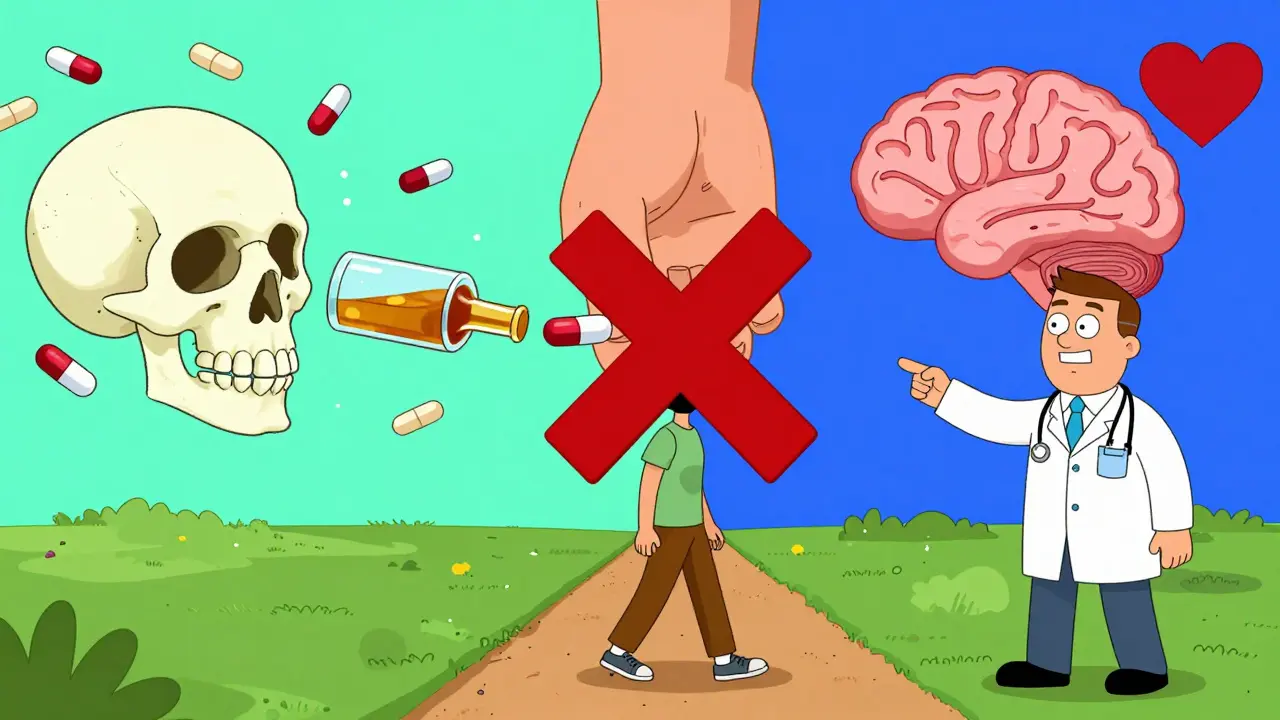
Current Safety Guidelines
Regulators are tightening controls. Since September 2020, the FDA mandates Boxed Warnings on all benzodiazepines about abuse, addiction, and withdrawal risks. In January 2023, Medicare required prior authorization for benzodiazepine-opioid combinations. The American Psychiatric Association now recommends benzodiazepines only as a second-line treatment after SSRIs, with a maximum of 4 weeks. The CDC advises against prescribing both drugs together unless absolutely necessary. If used, doctors must monitor breathing closely and limit use to 2-4 weeks. Always ask your doctor for a full medication review before starting benzodiazepines.
Staying Safe with Medications
Here’s how to protect yourself:
- Never mix benzodiazepines with alcohol, opioids, or sleep aids without explicit doctor approval.
- Ask your pharmacist to check for interactions before filling prescriptions.
- For chronic anxiety, explore non-benzodiazepine options like SSRIs or therapy.
- If you’re on benzodiazepines long-term, work with your doctor to taper off slowly-sudden stops can cause seizures.
- Older adults should avoid benzodiazepines entirely; they increase fall risk by 50% even alone.
Can benzodiazepines be used safely with other medications?
Yes, but only under strict medical supervision. For example, short-term use of benzodiazepines after surgery alongside pain meds is sometimes necessary, but doctors must monitor breathing and avoid alcohol. Always disclose all medications to your healthcare provider. The FDA requires updated medication guides explaining risks, so read them carefully.
What are safer alternatives for anxiety?
SSRIs like sertraline or fluoxetine are first-line treatments for chronic anxiety. They take 4-6 weeks to work but have minimal abuse risk. Buspirone is another option for mild anxiety with very low side effects. Non-drug approaches like cognitive behavioral therapy (CBT) or mindfulness are equally effective long-term and avoid medication risks entirely. Always discuss alternatives with your doctor.
How long should you take benzodiazepines?
For most cases, no longer than 2-4 weeks. The American Psychiatric Association recommends benzodiazepines only for short-term relief of severe anxiety. Long-term use increases dependence risk-about 40% of people who take them for six months experience withdrawal symptoms if stopped abruptly. Always follow your doctor’s timeline and never self-adjust doses.
What should I do if I experience side effects?
Contact your doctor immediately. Signs like extreme drowsiness, confusion, slowed breathing, or loss of coordination need urgent attention. If you suspect an overdose (unconsciousness, blue lips), call emergency services. Never try to manage severe reactions alone. Keep a list of all medications you take to share with healthcare providers during emergencies.
Why are benzodiazepines still prescribed despite risks?
They’re highly effective for acute crises. For example, during a severe panic attack or alcohol withdrawal, benzodiazepines can be life-saving. The FDA acknowledges their value when used correctly. But doctors now prioritize them only for short-term, high-risk situations after safer options fail. New guidelines and monitoring tools help reduce misuse while preserving access for those who truly need them.
Joyce cuypers
February 5, 2026 AT 04:26Combining benzodiazepines with opioids causes respiratory depresion. The stats show 75% of overdose deaths involve both. Always talk to your doctor before mixing meds. Typo: 'depresion' should be 'depression' but I'm tired. 😅
Nancy Maneely
February 7, 2026 AT 02:03These benzos are killing Americans. The government should ban them immediately. Opioids are bad enough, but adding benzos? Total disaster. 75% of deaths involve both. This is why we need stricter laws. Typo: 'benzos' should be 'benzodiazepines' but I don't care. 🤷♀️
Samantha Beye
February 8, 2026 AT 21:51It's important to know the risks of mixing benzos with opioids. The stats are clear. Always talk to your doctor. I've helped many people understand this.
lance black
February 9, 2026 AT 14:22Benzos and opioids together can be fatal.
Phoebe Norman
February 10, 2026 AT 09:31Benzodiazepines potentiate CNS depressants leading to respiratory compromise Opioid co-administration exacerbates mortality risk FDA warning essential Consult healthcare provider No punctuation 😬
Tehya Wilson
February 11, 2026 AT 17:21The combination of benzodiazepines and opioids is highly dangerous The statistics speak for themselves 75% of overdose deaths involve both This is a critical public health issue No punctuation needed
Albert Lua
February 12, 2026 AT 10:34In many cultures, benzodiazepines are used differently.
For example, in some Asian countries, they're strictly regulated and only prescribed for short-term use under close supervision.
In Europe, there's more emphasis on non-pharmacological treatments like cognitive behavioral therapy.
The US has a higher rate of benzodiazepine prescriptions, which contributes to the opioid crisis.
It's important to understand cultural differences in medication use.
Doctors should be trained in these nuances.
Public education campaigns could help reduce misuse.
The FDA guidelines are a step in the right direction but need more enforcement.
People often don't realize the risks of combining benzos with other depressants.
Alcohol is a common mistake.
Even small amounts can be dangerous.
For older adults, the risks are even higher.
Falls and fractures are common.
It's crucial to have open conversations with healthcare providers.
We need better policies to address this global issue.
Every country has its own approach, but safety should be universal.
Pamela Power
February 14, 2026 AT 00:54Anyone who mixes benzos and opioids is a fool. The statistics are clear. This is why we need stricter regulations. The FDA should ban these combinations immediately. It's common sense.
anjar maike
February 15, 2026 AT 16:24Benzos and opioids together? Dangerous. 75% overdose deaths involve both. 🚨 Always check with doctor. 😊
Cole Streeper
February 17, 2026 AT 14:13Big Pharma is pushing benzos and opioids together. They want to kill Americans. The government is in on it. 75% deaths are proof. We need to wake up.
Arjun Paul
February 19, 2026 AT 07:23Mixing benzos and opioids is reckless. The data shows 75% of overdose deaths involve both. People should know better. This is why we need stricter guidelines.