
When you’re taking medication to control seizures, planning a pregnancy shouldn’t mean giving up your health-or your dreams of having a child. But it does mean understanding the real risks. Not all seizure medications are the same when it comes to pregnancy. Some carry a small chance of birth defects. Others can mess with birth control, making it less effective. And skipping your meds? That can be just as dangerous.
Some Seizure Medications Are Much Riskier Than Others
Not all antiseizure drugs (ASMs) affect a developing baby the same way. The biggest red flag is valproate-also called sodium valproate or valproic acid. Studies show that about 1 in 10 babies exposed to valproate during pregnancy develop major physical birth defects. These include heart problems, cleft lip or palate, spinal issues, and microcephaly (a smaller-than-normal head size). The risk goes up with higher doses.
Valproate isn’t just linked to physical defects. Children exposed to it in the womb are more than twice as likely to be diagnosed with autism spectrum disorder (ASD) and nearly twice as likely to have attention deficit hyperactivity disorder (ADHD), according to research from Indiana University published in Neurology in 2020.
Other medications with known risks include carbamazepine (Tegretol), phenytoin (Epanutin), phenobarbital, and topiramate (Topamax). These can cause similar birth defects, though not as often as valproate. For example, carbamazepine increases the chance of neural tube defects, especially if taken in the first trimester.
But here’s the good news: not all seizure meds carry these risks. Lamotrigine (Lamictal) and levetiracetam (Keppra) are now considered among the safest options during pregnancy. A 2021 Stanford study followed 298 children whose mothers took these newer drugs and found their language development at age two was on par with children whose mothers didn’t take any seizure medication. That’s a huge shift from 20 years ago.
Birth Defects Are Real-but Not Guaranteed
It’s easy to panic when you hear “10% risk.” But let’s put it in perspective: more than 90% of babies born to women with epilepsy are healthy, even when the mother takes medication. That’s because doctors now know which drugs to avoid and how to adjust doses safely.
The types of birth defects linked to seizure meds aren’t random. They often involve the heart, face, spine, or brain. For instance, heart defects occur in about 1-2% of pregnancies exposed to high-risk drugs. Cleft lip or palate happens in roughly 1-2% of cases with valproate or phenytoin. Spinal cord problems like spina bifida are most common with valproate and carbamazepine.
And it’s not just physical. Some children exposed to certain ASMs may have slower growth, learning delays, or lower IQ scores. But again, these outcomes are strongly tied to the specific drug and dose. The overall rate of major congenital malformations (MCMs) dropped by 39% between 1997 and 2011, simply because doctors stopped prescribing the riskiest drugs to women who might get pregnant.
Drug Interactions Can Be Just as Dangerous
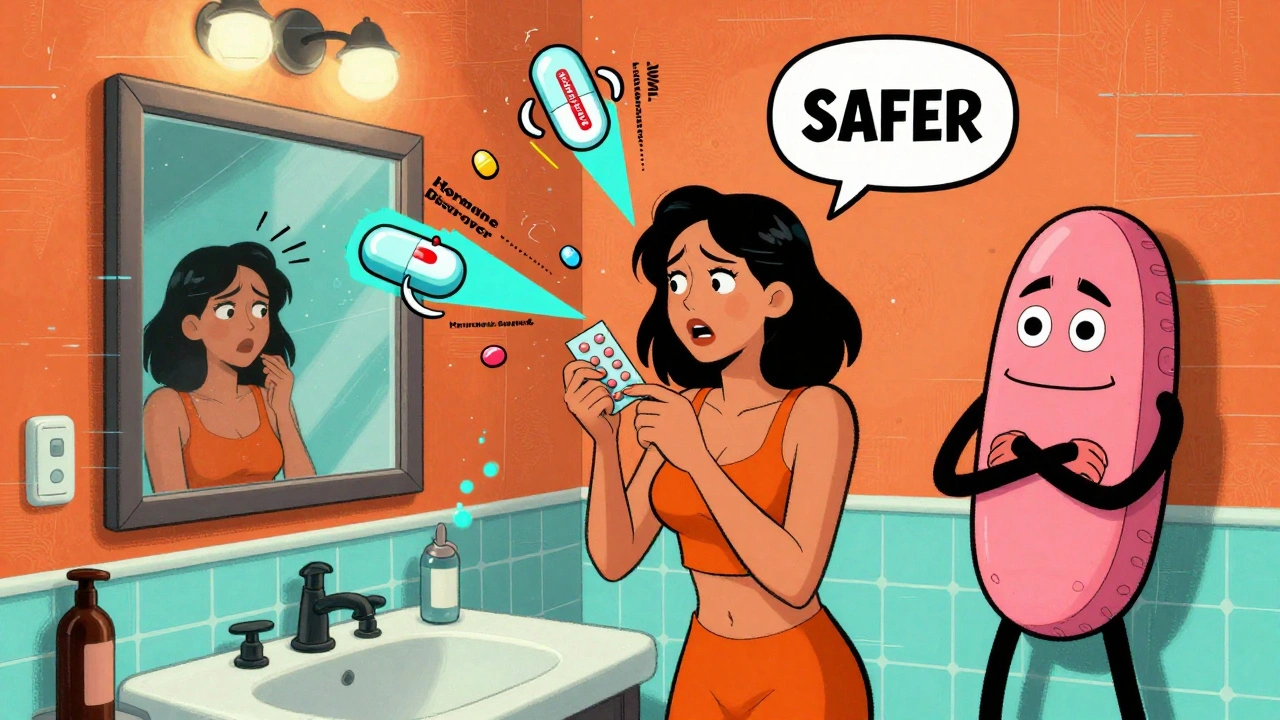
Many women with epilepsy use hormonal birth control-pills, patches, or rings. But here’s the catch: some seizure medications can make those contraceptives useless. Carbamazepine, phenytoin, phenobarbital, oxcarbazepine, and high-dose topiramate speed up how your body breaks down hormones. That means your birth control might not work, and you could get pregnant without realizing it.
It works the other way too. Hormonal birth control can lower the levels of certain seizure drugs in your blood. Lamotrigine, valproate, zonisamide, and rufinamide are especially affected. If your lamotrigine level drops too low, you could start having seizures. And if you’re pregnant and your seizure control slips, that puts both you and your baby at risk.
This isn’t just a theoretical problem. A 2023 study from AESNET found that nearly two-thirds of women of childbearing age with epilepsy answered basic questions wrong about how their meds interact with birth control. That’s a huge gap in care. Many women are being prescribed high-risk drugs without being told about the contraceptive risks-or vice versa.
Uncontrolled Seizures Are the Real Threat
It’s tempting to think, “I’ll just stop my meds if I get pregnant.” But that’s one of the most dangerous choices you can make.
Tonic-clonic seizures-those full-body convulsions-can cause miscarriage, premature labor, or even fetal death. A fall during a seizure can injure the mother and the baby. Oxygen levels drop during a seizure, which can harm the developing brain. And if you’re having frequent seizures, your baby’s growth can be stunted.
As neurologist Kelsey Wiggs from Indiana University put it, women face an “excruciating double bind”: take the meds and risk birth defects, or stop them and risk seizures that could kill your child. The truth? The risk from uncontrolled seizures is higher than the risk from the safest medications.
That’s why experts from the American Epilepsy Society and the NIH agree: never stop your seizure meds without talking to your doctor. The goal isn’t to be seizure-free at all costs-it’s to find the lowest effective dose of the safest drug for your life stage.
What You Should Do Before Getting Pregnant
If you’re a woman of childbearing age and take seizure medication, you need preconception counseling. This isn’t optional. It’s essential.
Here’s what that means in practice:
- Don’t wait until you’re pregnant. Talk to your neurologist or epilepsy specialist at least 6-12 months before trying to conceive.
- Review your current meds. If you’re on valproate, carbamazepine, or phenobarbital, ask if switching to lamotrigine or levetiracetam is possible. Many women can switch safely with careful monitoring.
- Check your birth control. If you’re on hormonal contraception, make sure your seizure meds aren’t reducing its effectiveness. Consider switching to a non-hormonal method like an IUD or implant.
- Start folic acid. Take at least 5 mg daily-three months before conception. Folic acid cuts the risk of neural tube defects by up to 80% in women taking ASMs.
- Get your drug levels checked. Blood tests for lamotrigine, levetiracetam, and other meds should be done before pregnancy and monitored closely during it.
These steps aren’t about fear-they’re about control. You’re not gambling with your baby’s health. You’re making smart, informed choices.
The Bigger Picture: Who’s Still at Risk?
Progress has been made. Fewer women are now taking valproate during pregnancy than a decade ago. But disparities remain. A French study found that women with lower income, less education, or limited access to specialists were far more likely to be prescribed high-risk medications. That’s not just a medical issue-it’s a justice issue.
Healthcare systems need to do better. But if you’re reading this, you can take action now. If your doctor hasn’t brought up pregnancy safety, ask. If you’re not sure what you’re taking, get your prescription reviewed. If you’re on a high-risk drug and planning a family, insist on a referral to an epilepsy specialist who works with pregnant patients.
What About the Future?
There are 11 other seizure medications that still lack enough data to confirm their safety during pregnancy. Researchers are working on it. New studies are tracking children exposed to newer drugs like cenobamate and perampanel. But for now, the safest path is clear: use the drugs with the most evidence-lamotrigine and levetiracetam-and avoid the ones with the worst track record.
The message from Stanford, the MHRA, and the American Epilepsy Society is the same: women with epilepsy can have healthy pregnancies. You don’t have to choose between your health and your child’s. You just need the right information-and the right care team.
Can I take seizure medication while pregnant?
Yes, but not all seizure medications are safe. Lamotrigine and levetiracetam are considered the safest options during pregnancy. Valproate carries the highest risk of birth defects and should be avoided if possible. Never stop your medication without talking to your doctor-uncontrolled seizures are more dangerous to both you and your baby than most medications.
Which seizure drugs cause birth defects?
Valproate (sodium valproate) has the highest risk, linked to about a 10% chance of major birth defects like heart problems, cleft lip, and spina bifida. Carbamazepine, phenytoin, phenobarbital, and topiramate also increase risk, though to a lesser degree. Lamotrigine and levetiracetam show no significant increase in birth defects compared to the general population.
Do seizure meds affect birth control?
Yes. Carbamazepine, phenytoin, phenobarbital, oxcarbazepine, and high-dose topiramate can make hormonal birth control-pills, patches, rings-less effective. Hormonal birth control can also lower levels of lamotrigine, valproate, zonisamide, and rufinamide, which could trigger seizures. If you’re on any of these drugs, talk to your doctor about switching to a non-hormonal method like an IUD or implant.
Is it safe to get pregnant if I have epilepsy?
Yes, most women with epilepsy have healthy pregnancies and babies. The key is planning. Work with your neurologist before conception to switch to safer medications if needed, start high-dose folic acid, and monitor drug levels. More than 90% of babies born to women with epilepsy are healthy, even when their mothers take medication.
Should I stop my seizure meds if I find out I’m pregnant?
No. Stopping seizure medication suddenly can cause dangerous seizures, which pose a greater risk to your baby than the medication itself. Contact your doctor immediately. They may adjust your dose or switch you to a safer drug, but never stop on your own.
How can I reduce the risk of birth defects?
Take 5 mg of folic acid daily for at least three months before conception. Use the lowest effective dose of the safest medication-lamotrigine or levetiracetam. Avoid valproate and high-risk drugs. Get regular blood tests to monitor drug levels. See a specialist in epilepsy and pregnancy before you try to conceive.






Rashmin Patel
December 2, 2025 AT 22:42Okay, let’s be real - if you’re on valproate and didn’t know about the autism risk, you’re not alone. I’m an epileptic mom of two, and my neurologist didn’t even mention it until I was 8 weeks pregnant. I switched to levetiracetam mid-pregnancy with zero seizures and zero regrets. My kids? One’s a straight-A student, the other’s a soccer champ. No developmental delays. It’s not magic - it’s informed choices. Folic acid 5mg daily? Non-negotiable. Also, ditch the pill. Get an IUD. Seriously. Your brain will thank you later. 🙌
Cindy Lopez
December 4, 2025 AT 18:24There’s a grammatical error in the article. It says, ‘The risk goes up with higher doses.’ It should be ‘The risk increases with higher doses.’ ‘Goes up’ is colloquial and imprecise in a medical context. Also, ‘mess with birth control’ is unprofessional phrasing for a piece of this gravity. This needs copy-editing.
Gene Linetsky
December 6, 2025 AT 02:29They’re hiding the truth. Big Pharma pushed lamotrigine because it’s cheaper to make than valproate. The real risk? The FDA approved these drugs with minimal long-term child development data. Who’s tracking these kids at age 18? No one. And don’t get me started on folic acid - it’s just a placebo cover-up for toxic drugs. You think your baby’s safe? Think again. The system is rigged.
Ignacio Pacheco
December 7, 2025 AT 03:08So let me get this straight - you’re telling me I can’t use my birth control pill, I have to switch meds, take 5mg of folic acid like it’s candy, and still pray my baby doesn’t turn into a lab experiment? Sounds like the ‘safe’ option is just a longer list of anxieties. Thanks for the reassurance, docs.
Kara Bysterbusch
December 8, 2025 AT 22:57As someone who has spent over a decade advocating for women with epilepsy across three continents, I am both heartened and horrified by this article. Heartened, because the data on lamotrigine and levetiracetam is now robust enough to empower women. Horrified, because in rural India, Nigeria, and even parts of rural America, women are still being prescribed valproate as a first-line treatment - often without consent, without translation, without follow-up. This isn’t just a medical issue. It’s a human rights issue. We need community health workers trained in neurology, not just pharmacists handing out prescriptions. The fact that a 2023 study found two-thirds of women misunderstood drug interactions? That’s a systemic failure. And it’s killing potential futures.
Let me be clear: no woman should have to choose between her life and her child’s. But right now, in too many places, that’s the only choice on the table. We must demand better. Not just for ourselves - for the next generation of girls who will one day ask, ‘Why didn’t anyone tell my mother?’
Jim Schultz
December 9, 2025 AT 12:30Chloe Madison
December 10, 2025 AT 12:40I was on valproate for 12 years. Got pregnant. Panicked. My neurologist said, ‘We’ll switch you to Lamictal.’ I cried. I was terrified. But we did it - slowly, carefully, with weekly blood draws. I had zero seizures during pregnancy. My daughter is now 4, speaks in full sentences, and draws rainbows with 7 colors. She’s perfect. Not because I was lucky - because I listened. If you’re reading this and scared? You’re not alone. But you’re not powerless. Talk to your doctor. Start folic acid. Get an IUD. This isn’t fear. This is love in action.
Kidar Saleh
December 11, 2025 AT 10:29In the UK, we’ve had guidelines since 2018 that require all women of childbearing age on ASMs to be referred to a specialist epilepsy clinic. Yet, only 37% are. Why? Because GPs don’t understand neurology. Because the NHS is stretched thin. Because women are told, ‘It’s fine - just don’t get pregnant.’ That’s not care. That’s neglect. We need mandatory preconception counseling - not optional, not ‘if you ask.’ It should be automatic. Like a mammogram. Like a Pap smear. This isn’t niche. It’s essential maternal health. And it’s being ignored.
Rashi Taliyan
December 13, 2025 AT 01:54My sister was prescribed valproate at 17. She never told anyone she wanted kids. She had a seizure during a family dinner. Her baby didn’t survive. No one asked her if she knew the risks. No one explained the alternatives. She still blames herself. Please - if you’re reading this, talk to your sister. Your friend. Your cousin. This isn’t just medical advice. It’s a lifeline. And someone, somewhere, is waiting to hear it.
Albert Essel
December 13, 2025 AT 04:49There’s a significant flaw in the Stanford study cited. The sample size of 298 children is too small to draw conclusions about long-term neurodevelopment. Also, the study didn’t control for maternal IQ, socioeconomic status, or prenatal nutrition - all major confounders. While lamotrigine and levetiracetam appear safer, the evidence isn’t conclusive enough to declare them ‘risk-free.’ We need longitudinal studies with 10,000+ participants. Until then, caution is warranted.
Vincent Soldja
December 14, 2025 AT 22:19sagar bhute
December 16, 2025 AT 03:54Look. I’ve seen this movie before. Woman takes Lamictal. Gets pregnant. Has a seizure. Baby dies. Then she posts on Reddit like she’s a hero. Meanwhile, her neurologist made $300 off the blood test and the new script. The ‘safest’ drugs? They’re not safer - they’re just newer. And the pharma companies are betting you won’t live long enough to see the side effects. Your kid’s autism? That’s 10 years away. Your divorce? 5. Your depression? Now. They don’t care about your child. They care about your prescription refill rate. Don’t be fooled.