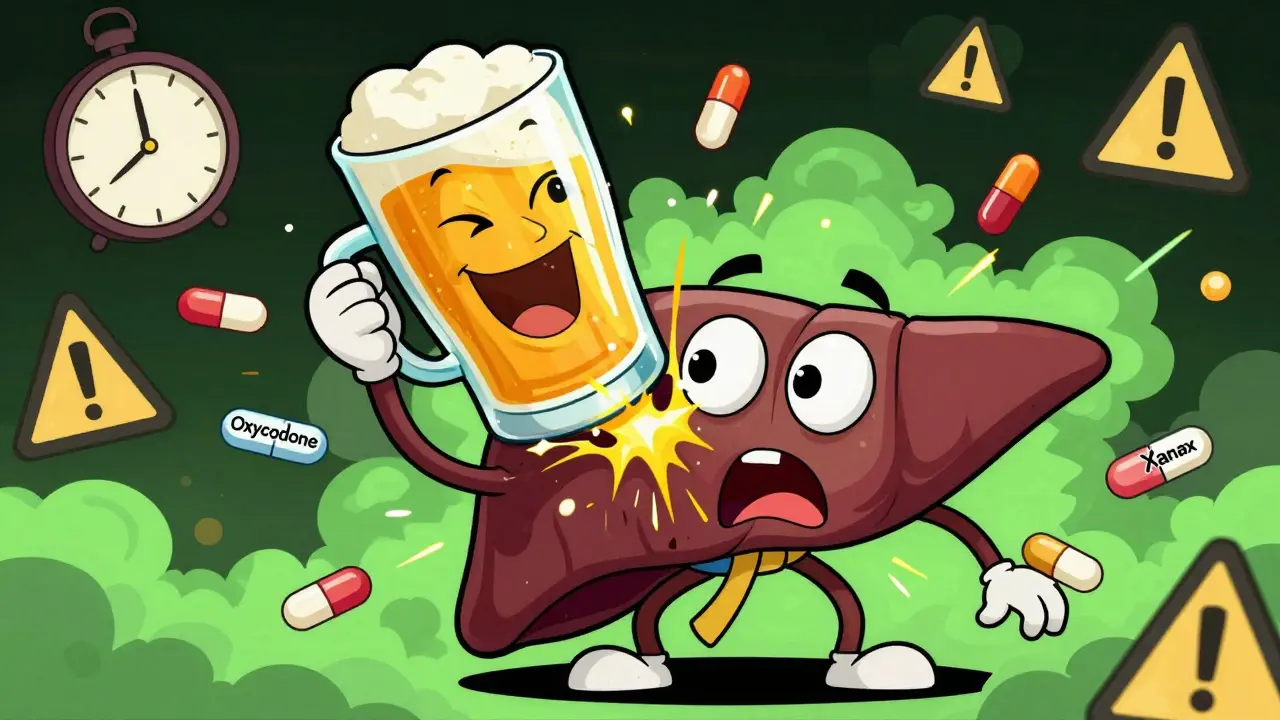
When you take a pill for pain, sleep, or anxiety, you might not think about what happens when you also have a drink. But mixing alcohol with medications is far more dangerous than most people realize. It’s not just about feeling drowsy or getting a bad hangover. In many cases, it can lead to hospitalization, organ failure, or even death. The truth is, alcohol and medications don’t mix - and the risks are higher than you think.
How Alcohol Changes How Medications Work
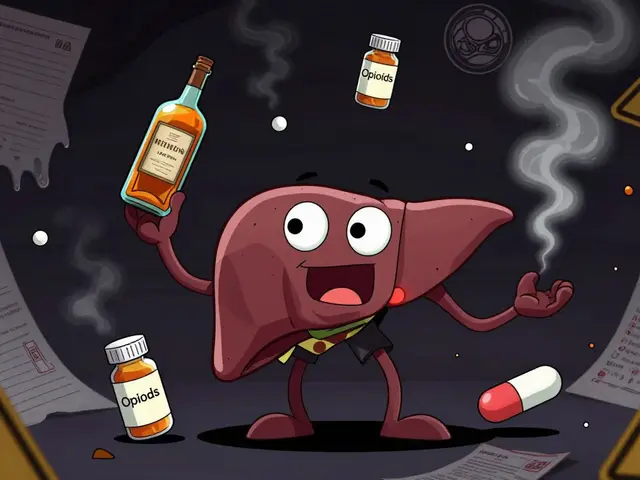
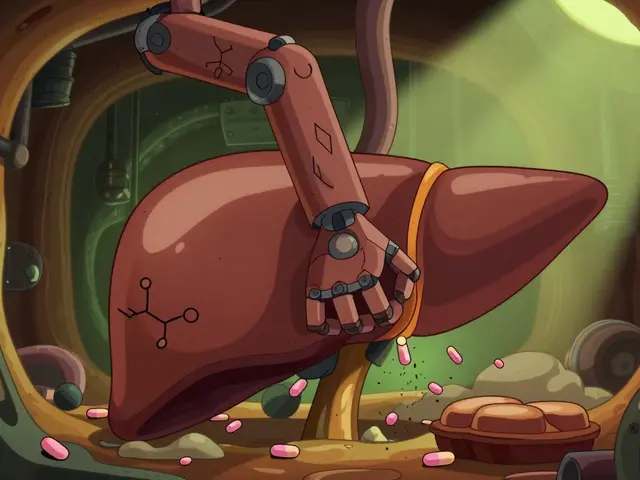
Your body treats alcohol and many medications the same way: as things it needs to break down. The liver is the main organ responsible for this job. When you drink alcohol and take a medication at the same time, your liver gets overwhelmed. It can’t process both efficiently, so one or both stick around longer than they should. This can make side effects worse, reduce how well the medicine works, or create new, toxic chemicals in your body.
There are three main ways this happens:
- Pharmacokinetic interactions - Alcohol changes how your body absorbs, moves, breaks down, or gets rid of a drug. For example, alcohol can slow down how fast a pill is absorbed, making it less effective. Or it can block the liver from breaking down a drug, causing it to build up to dangerous levels.
- Pharmacodynamic interactions - Alcohol and the medication affect the same part of your body, making their effects multiply. If both are depressants, like alcohol and a sleeping pill, they can slow your breathing so much that you stop breathing entirely.
- Direct toxic reactions - Some combinations create new poisons inside your body. The most dangerous example is alcohol with acetaminophen (Tylenol). Together, they produce a chemical called NAPQI that destroys liver cells. This isn’t just theory - it’s why acetaminophen overdoses, often involving alcohol, send over 56,000 people to the ER every year in the U.S.
Medications That Can Kill When Mixed With Alcohol
Not all drugs are equally risky. Some combinations are deadly. Others cause serious harm. Here are the worst offenders:
1. Opioids (Painkillers like Oxycodone, Hydrocodone, Methadone)
Opioids and alcohol are both CNS depressants. That means they both slow down your brain’s control over breathing and heart rate. Together, they can stop you from breathing. The CDC found that in 20% of opioid overdose deaths in 2020, alcohol was also present. Extended-release opioids are especially dangerous. If you drink alcohol while taking them, the drug can release all at once instead of slowly, flooding your system. That’s why the FDA removed the extended-release hydromorphone pill Palladone from the market after studies showed alcohol caused its dose to spike two to six times higher.
2. Benzodiazepines (Anti-anxiety and Sleep Drugs like Xanax, Valium)
These are among the most common drugs prescribed for anxiety and insomnia. But when mixed with alcohol, overdose risk jumps by 24 times, according to a 2019 study. People who take these drugs often feel calm, but alcohol removes their safety margin. The result? Severe dizziness, loss of coordination, unconsciousness, or sudden death. The American Pharmacists Association says 70% of pharmacists see patients daily who don’t know this risk.
3. Acetaminophen (Tylenol)
It’s in hundreds of cold and pain medicines. One normal dose of Tylenol is safe. But if you drink regularly - even just one or two drinks a day - and take Tylenol, you’re putting your liver at risk. Alcohol makes your liver produce more of the toxic NAPQI chemical, and it also reduces your body’s natural defense (glutathione) against it. The FDA says this combo causes 458 deaths a year in the U.S. alone. You don’t need to get drunk. Just one drink with a few Tylenol pills can be enough.
4. NSAIDs (Ibuprofen, Naproxen)
These are common painkillers, often taken without a prescription. But when combined with alcohol, they can cause stomach bleeding. A 2017 study found the risk goes up 3 to 5 times. Alcohol irritates the stomach lining. NSAIDs weaken the protective mucus layer. Together, they create open wounds inside your digestive tract. This isn’t just a stomachache - it can lead to internal bleeding, emergency surgery, or death.
5. Metronidazole (Flagyl)
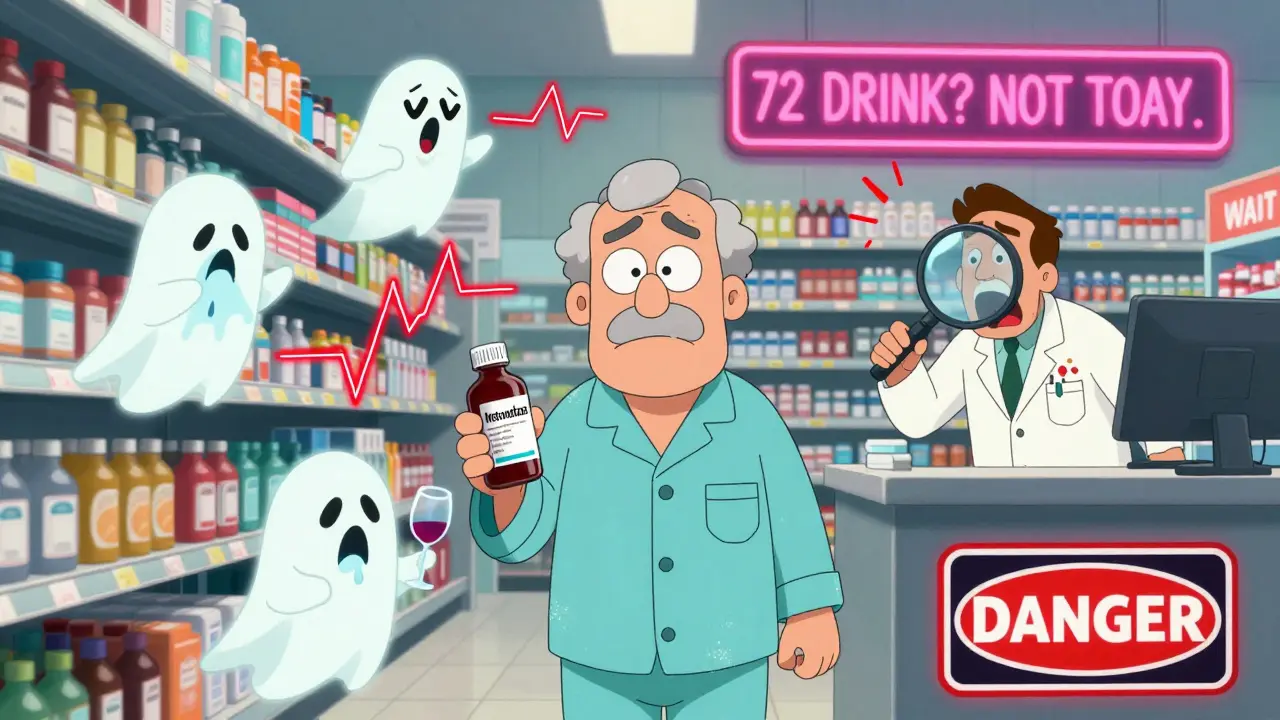
This antibiotic treats infections like bacterial vaginosis and certain parasites. But it causes a severe reaction with alcohol called a disulfiram-like reaction. Symptoms include flushing, rapid heartbeat, nausea, vomiting, and chest pain. It’s not just uncomfortable - it can send you to the ER. The Illinois Poison Center advises waiting at least 72 hours after your last dose before drinking.
Other Dangerous Mixes You Might Not Know About
Some interactions aren’t as dramatic but still harmful - especially over time.
- Antidepressants (SSRIs like Prozac, Zoloft) - Alcohol can make depression worse and reduce how well the medication works. It also increases dizziness and drowsiness, raising fall risk.
- Diabetes Medications (Sulfonylureas, Metformin) - Alcohol can cause your blood sugar to drop dangerously low. Sulfonylureas combined with alcohol increase hypoglycemia risk by 300%. Metformin with alcohol raises the chance of lactic acidosis - a rare but life-threatening buildup of acid in the blood.
- High Blood Pressure Medications - Alcohol can cause your blood pressure to spike or crash. This makes dizziness and falls more likely, especially in older adults. It can also make medications like beta-blockers less effective.
- ADHD Medications (Adderall, Ritalin) - These stimulants mask how drunk you are. You might feel alert, but your coordination and judgment are still impaired. This increases the risk of accidents. It also puts extra strain on your heart.
- Antihistamines (Benadryl, Claritin) - Even non-drowsy versions can cause extreme sleepiness when mixed with alcohol. This is dangerous if you need to drive or operate machinery.
Who’s at Highest Risk?
This isn’t just about heavy drinkers. Many people don’t realize they’re at risk because they only have one drink a day.
- People over 65 - As you age, your body processes alcohol slower, and your liver gets less efficient at breaking down drugs. Older adults take an average of 14 prescriptions a year. Over 80% of them are taking at least one medication that interacts with alcohol. The Beers Criteria lists 30 drugs that are unsafe for older adults when combined with alcohol, including sleeping pills, muscle relaxers, and older antihistamines.
- Women - Women have less water in their bodies than men, so alcohol concentrates more in their blood. Even the same amount of alcohol leads to higher blood levels, making interactions stronger and more dangerous.
- People with mental health conditions - Those with depression, anxiety, or PTSD are more likely to use alcohol and medications together. The SAMHSA reports they experience harmful interactions at 3.5 times the rate of the general population.
- Veterans - The VA found that 30% of veteran suicides involved alcohol and prescription drugs. Many veterans take opioids for pain and benzodiazepines for PTSD - a deadly combo.
What You Should Do
You don’t need to be a doctor to protect yourself. Here’s what works:
- Read every label - The FDA requires warning labels on about 100 prescription drugs and 700 over-the-counter medicines. Look for phrases like “May cause drowsiness,” “Avoid alcohol,” or “Do not use with alcohol.”
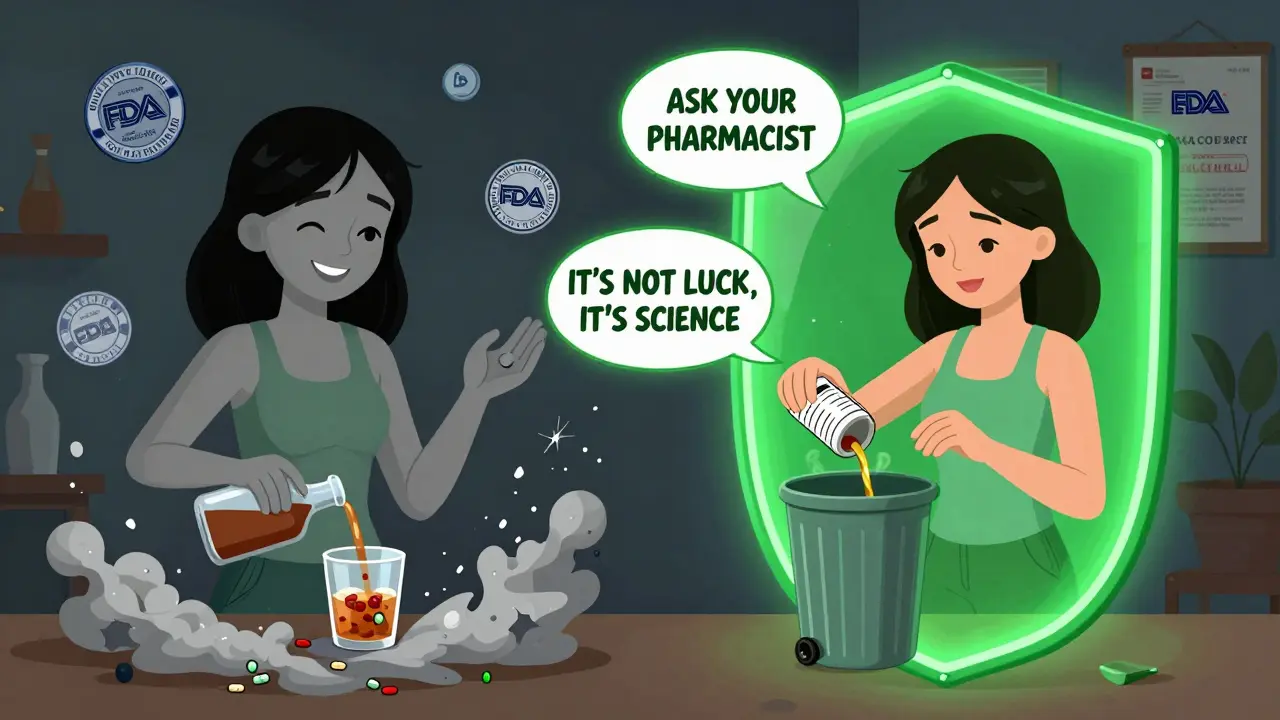
- Ask your pharmacist - When you pick up a new prescription, ask: “Can I drink alcohol while taking this?” Pharmacists are trained to spot these risks. Don’t assume it’s safe just because the doctor didn’t mention it.
- Use the AUDIT-C tool - It’s a simple three-question screening tool doctors use to check for risky drinking. If you’re on high-risk meds, ask your provider to screen you. It takes less than a minute.
- Wait 72 hours after antibiotics - Especially for metronidazole, tinidazole, or certain other drugs. Don’t guess. Wait.
- Track your drinks - A standard drink is 12 oz beer, 5 oz wine, or 1.5 oz spirits. Even one a day can be dangerous with some meds.
What’s Being Done to Fix This?
Healthcare systems are waking up. Electronic health records now block prescriptions if a patient has a history of drinking while on risky meds. The FDA now requires new extended-release opioid drugs to be tested with alcohol before approval. The CDC launched a $2.5 million public campaign in January 2023 called “Alcohol and Medicine Don’t Mix,” with posters in pharmacies and ads on social media.
Research is also advancing. Scientists are now testing for genetic differences in how people metabolize alcohol and drugs. Some people have a version of the CYP2E1 enzyme that makes them 4.7 times more likely to suffer liver damage from alcohol and acetaminophen. In the future, a simple blood test could tell you if you’re at higher risk.
Final Word: Don’t Take the Risk
It’s easy to think, “I only have one drink,” or “I’ve done it before and nothing happened.” But safety isn’t about luck. It’s about science. The combination of alcohol and medication doesn’t just increase side effects - it can change how your body works in ways you can’t predict. For some people, it’s one drink that leads to a coma. For others, it’s one pill that triggers liver failure.
If you’re on medication, treat alcohol like another drug. Don’t assume it’s harmless. Ask. Read. Wait. Your life might depend on it.
Can I have one glass of wine with my painkiller?
It depends on the painkiller. If it’s an opioid like oxycodone or hydrocodone, even one glass can be deadly. For NSAIDs like ibuprofen, it raises your risk of stomach bleeding. For acetaminophen, even one drink daily can damage your liver over time. The safest answer is no - unless your doctor says it’s okay for your specific situation.
Does alcohol make all medications less effective?
Not always. Sometimes alcohol makes medications stronger, not weaker. For example, alcohol can make sedatives like Xanax or sleeping pills work too well, leading to overdose. With antibiotics like metronidazole, it doesn’t reduce effectiveness - it creates a toxic reaction. With antidepressants, it may reduce how well they work over time. The effect varies by drug.
Is it safe to drink alcohol the day after taking medication?
It depends on how long the drug stays in your system. For most medications, 24 hours is enough. But for drugs like metronidazole, you must wait 72 hours. For long-acting drugs like some antidepressants or painkillers, the risk can last days. Always check the label or ask your pharmacist - don’t guess.
Why is alcohol more dangerous for older adults?
As we age, our liver and kidneys work slower, so alcohol and drugs stay in the body longer. Older adults also take more medications - often 10 or more - increasing the chance of dangerous overlaps. Their bodies also have less water, so alcohol hits harder. The Beers Criteria specifically lists 30 drugs as risky for seniors because of this.
Can I drink alcohol if I’m taking over-the-counter medicine?
Yes - but only if the label says it’s safe. Many OTC meds contain acetaminophen, antihistamines, or NSAIDs - all of which can interact badly with alcohol. Cold and flu remedies are especially risky because they often combine multiple drugs. Always read the active ingredients list.
What should I do if I mixed alcohol and medication and feel sick?
If you feel dizzy, nauseous, have trouble breathing, chest pain, or extreme drowsiness, call emergency services immediately. Do not wait to see if it passes. Alcohol-medication interactions can escalate quickly. In the UK, call 999. In the US, call 911. You can also contact your local poison control center.


Judith Manzano
March 9, 2026 AT 14:19I’ve been on SSRIs for years and never realized how much alcohol was sabotaging my progress. I used to think a glass of wine at night helped me unwind, but honestly? It made my anxiety worse the next day. After reading this, I cut it out completely. My mood stabilized within two weeks. If you’re struggling with mental health meds, don’t underestimate how alcohol quietly undermines everything. It’s not about willpower-it’s chemistry.
Morgan Dodgen
March 10, 2026 AT 05:05Philip Mattawashish
March 11, 2026 AT 06:45Tom Sanders
March 12, 2026 AT 09:13Jazminn Jones
March 14, 2026 AT 05:29While the article presents a compelling case grounded in empirical pharmacology, it remains critically incomplete in its failure to address socioeconomic determinants of polypharmacy. The burden of alcohol-medication interactions is disproportionately borne by marginalized populations who lack access to pharmacogenetic screening, primary care, and harm-reduction education. The CDC’s $2.5M campaign is performative when Medicaid recipients are denied liver enzyme testing. The real public health failure lies not in individual behavior, but in structural neglect of pharmacovigilance infrastructure. One must question the ethics of promoting behavioral compliance without equitable access to risk mitigation.
Peter Kovac
March 14, 2026 AT 08:08The assertion that alcohol 'reduces the effectiveness' of antidepressants is misleading. It does not reduce efficacy per se-it alters the pharmacodynamic profile, increasing serotonergic activity transiently while impairing neuroplasticity long-term. The clinical outcome is not diminished therapeutic response but delayed remission and increased relapse risk. Furthermore, the interaction with metronidazole is not merely 'disulfiram-like'-it is a direct inhibition of aldehyde dehydrogenase, resulting in acetaldehyde accumulation. This is a biochemical certainty, not a theoretical risk. Ignorance of this mechanism is why ER visits persist.
APRIL HARRINGTON
March 15, 2026 AT 10:38Leon Hallal
March 16, 2026 AT 09:04rafeq khlo
March 17, 2026 AT 23:53Let’s be real. The whole thing is a distraction. Alcohol and drugs? Yeah, bad combo. But who’s pushing this? Pharma companies. They make billions off antidepressants, painkillers, and antibiotics. But if you stop drinking, you might start feeling better. And then you won’t need their pills. So they scare you with liver damage and ER stats. Meanwhile, the real solution is sleep, movement, and therapy-not just avoiding wine. This isn’t about safety. It’s about control.