When you walk into a pharmacy, you’re not just picking up a prescription. You’re stepping into a frontline healthcare hub. Pharmacists are no longer just the people who count pills. They’re the ones checking your vaccine history, explaining why a generic drug works just as well as a brand-name one, and sometimes even saving lives by catching a dangerous interaction before it happens. In communities across the U.S., pharmacists are quietly becoming the most consistent, accessible, and trusted voices in preventive care - especially when it comes to immunizations and generic prescriptions.
Pharmacists as Vaccine Providers: More Than Just a Convenience
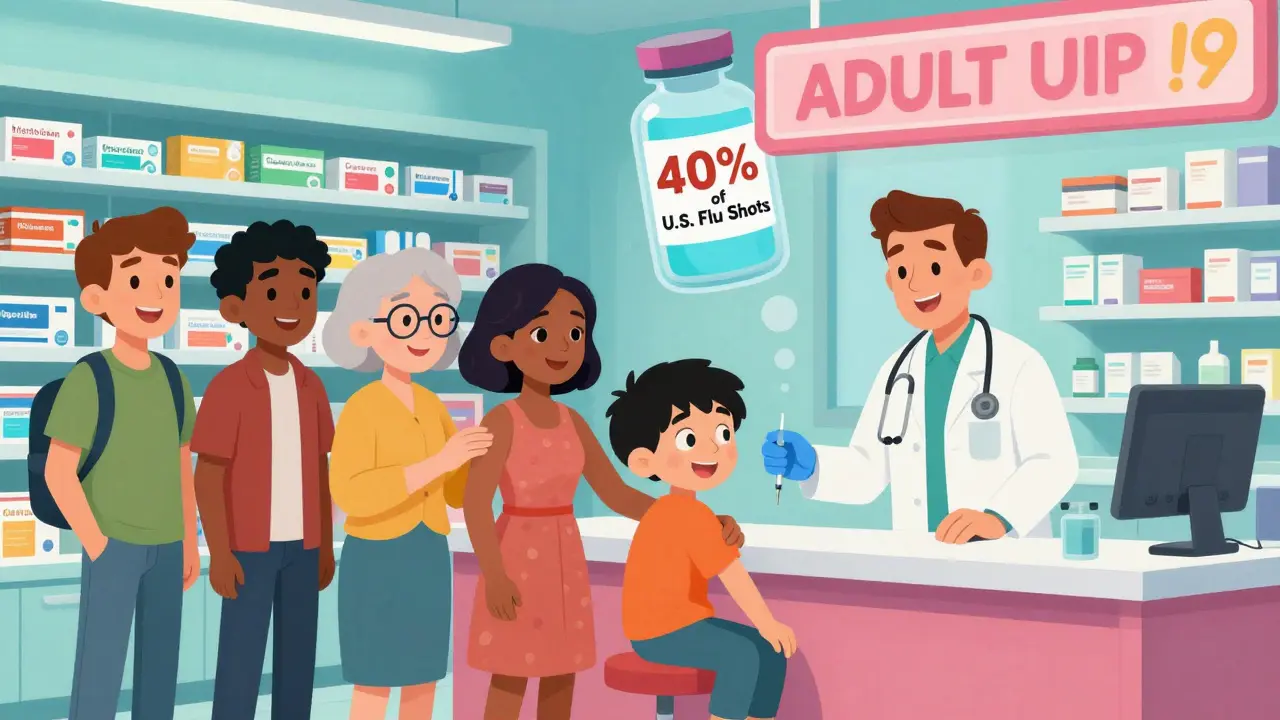
Think about the last time you got a flu shot. Did you go to your doctor’s office? Or did you swing by the pharmacy after work? If you chose the pharmacy, you’re part of a massive shift in how vaccines are delivered. In 2023, community pharmacies administered nearly 40% of all adult influenza vaccines in the U.S. That’s more than 35 million shots given by pharmacists in just one season. And it’s not just flu. Pharmacists now give vaccines for shingles, pneumonia, HPV, hepatitis, and even COVID-19 - all without a doctor’s appointment.
What makes this possible? It’s not magic. It’s policy. By 2026, every state, plus D.C. and Puerto Rico, allows pharmacists to administer vaccines. But it wasn’t always this way. In 1995, only nine states permitted it. Today, pharmacists are legally authorized to give vaccines to people as young as three years old in states like California, thanks to laws like AB 577. That’s a huge leap. It means a teenager can get their Tdap shot on the way home from school, and a grandparent can get their pneumonia vaccine while picking up their blood pressure meds.
And it’s working. Studies show 87% of patients choose pharmacies for vaccines because they’re convenient - no waiting room, no two-week wait for an appointment. Pharmacies are open evenings and weekends. You don’t need insurance pre-approval. You just walk in. For rural areas where clinics are hours away, pharmacists are often the only healthcare provider within 20 miles. That’s not just service - it’s public health infrastructure.
Why Generic Prescriptions Matter - And Why Pharmacists Push for Them
Generic drugs aren’t cheaper because they’re worse. They’re cheaper because they don’t carry the marketing costs, patent protections, or brand-name markup of their branded counterparts. A generic version of a popular statin like atorvastatin can cost 90% less than Lipitor. Yet, many patients still ask for the brand name - often because they don’t know the difference.
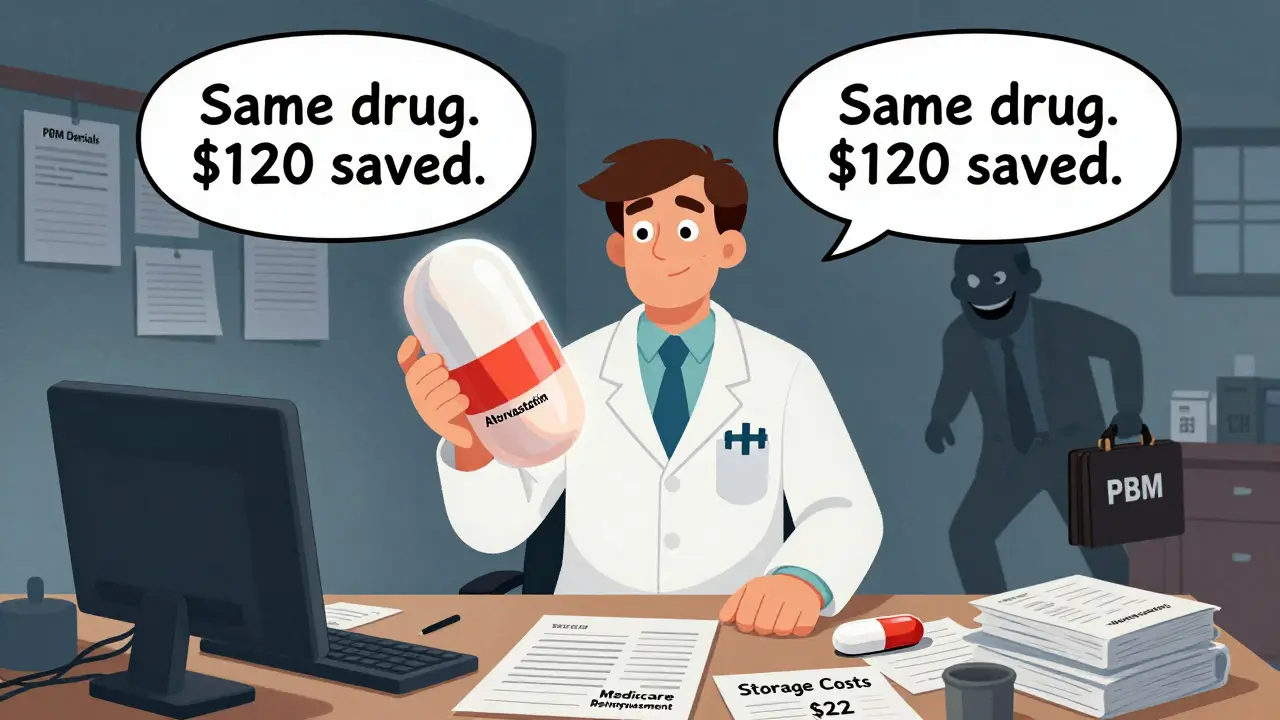
This is where pharmacists step in. A 2023 survey found that 68% of pharmacists actively recommend generic alternatives when prescribing. They don’t just swap pills. They explain: “This generic has the same active ingredient, same dosage, same FDA approval. The only difference? You’ll save $120 this month.” For patients on fixed incomes, that’s not a small thing. It’s the difference between taking meds regularly or skipping doses.
Pharmacists also spot opportunities to switch to generics before a prescription even hits the counter. They check formularies, compare prices across pharmacies, and sometimes call the prescriber to suggest a more affordable option. In one case, a pharmacist in Ohio noticed a patient was paying $80 a month for a branded asthma inhaler. The generic version? $12. She called the doctor, explained the cost difference, and within a week, the patient’s prescription was switched. That’s advocacy.
The Hidden Barriers: Payment Problems and Red Tape
Despite all the progress, pharmacists face serious roadblocks - and they’re not always about regulations.
Reimbursement for vaccine administration is a mess. Medicare Part B pays pharmacists about $18 per flu shot. But the actual cost - including the vaccine, staff time, storage, documentation, and supplies - runs closer to $22. That’s a $4 loss per dose. For a pharmacy giving 500 shots a month, that’s $2,000 gone. Independent pharmacies, which serve 22% of the market, are hit hardest. Many are forced to absorb the cost or stop offering services altogether.
Then there are Pharmacy Benefit Managers (PBMs). These middlemen control which drugs are covered, what pharmacies can charge, and how much they get paid. A 2023 NCPA report found that 78% of independent pharmacists say PBM practices have hurt their ability to provide care. Some PBMs force pharmacies to dispense generics but pay them less than the cost of the drug. Others delay payments for weeks. It’s a system that prioritizes profit over patient access.
State laws also create a patchwork. One pharmacist in Texas can give a meningitis shot to a 16-year-old. In New York, they can’t. Some states require extra training hours. Others demand that vaccines be reported to state registries within 72 hours - a task that eats into time and requires tech systems many small pharmacies can’t afford. One California pharmacist told a forum: “I spend more time filling out forms than talking to patients.”
What Patients Say - And What Pharmacists Hear
Patients love the convenience. Reddit threads are full of stories: “My pharmacist talked me out of skipping my HPV vaccine because I was scared. She showed me the data. I got it the next day.” Another wrote: “I switched from brand-name insulin to generic because my pharmacist said it’s the same. My blood sugar didn’t change - but my bank account did.”
But complaints are loud too. Nearly half of patients surveyed by Consumer Reports had trouble getting insurance to cover their pharmacy vaccine. One woman in Michigan spent $300 out-of-pocket because her insurer said the shot was “out of network.” She didn’t get her second dose. Another man in Florida had his flu shot denied because the pharmacy used a different billing code than his doctor’s office.
Pharmacists aren’t just dispensing. They’re translating. They’re explaining insurance jargon. They’re calling insurers to appeal denials. They’re writing notes to doctors to justify a generic switch. They’re staying late to call a patient who missed their vaccine reminder. It’s not in their job description - but it’s part of their duty.
How Pharmacists Are Fighting Back
They’re not sitting still. The American Pharmacists Association launched the “Finish the Fight” campaign, gathering over 23,000 letters from pharmacists to Congress demanding fair reimbursement. They’re pushing for federal legislation to standardize vaccine payment rates. They’re training interns in every pharmacy school - 98% now include immunization certification in their curriculum.
Independent pharmacies are using toolkits from the National Community Pharmacists Association to streamline vaccine inventory, patient education, and documentation. These kits have been downloaded over 25,000 times. Pharmacists are also building partnerships with local clinics, schools, and churches to host vaccination drives - especially in underserved neighborhoods.
The CDC now calls pharmacists “critical partners” in reaching national vaccination goals. And with 48 states considering expanded scope-of-practice laws in 2026, the momentum is real. By 2026, analysts predict pharmacists will administer over half of all adult vaccines in the U.S.
The Bigger Picture: Access, Equity, and Trust
At its core, pharmacist advocacy isn’t about giving shots or saving money. It’s about trust. People trust their pharmacist. They see them every week. They know their names. They’ve asked them about side effects, about cost, about whether a new medication is safe with their other pills. That trust is the most powerful tool in public health.
When a pharmacist recommends a generic, they’re not just cutting costs - they’re removing a barrier to treatment. When they give a vaccine, they’re not just preventing disease - they’re building a healthier community. And when they push back against unfair insurance rules or confusing regulations, they’re fighting for a system that puts patients first.
Pharmacists don’t need more titles. They need fair pay. They need consistent rules. They need the freedom to act as the frontline providers they already are.
Can pharmacists give all types of vaccines?
In most states, pharmacists can administer all CDC-recommended vaccines for adults and children aged three and older. This includes flu, shingles, pneumonia, HPV, hepatitis, and COVID-19. However, some states still restrict certain vaccines for younger children, and rules vary for travel vaccines or non-routine shots. Always check your state’s pharmacy board for specifics.
Why are generic drugs just as effective as brand-name drugs?
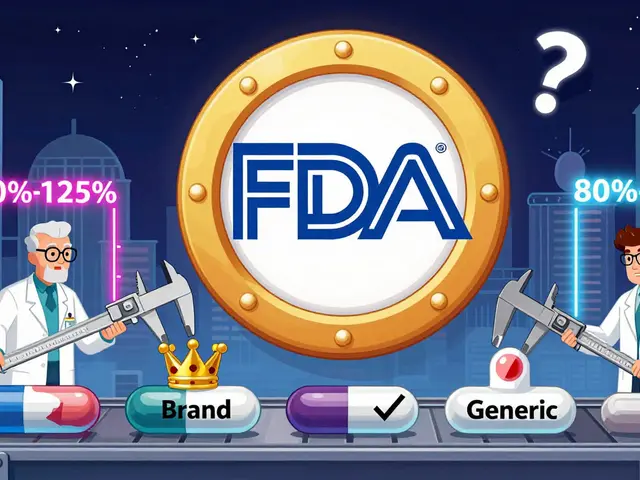
Generic drugs contain the same active ingredients, dosage, strength, and route of administration as their brand-name counterparts. The FDA requires them to meet the same strict standards for safety and effectiveness. The only differences are inactive ingredients (like fillers or dyes) and cost. Studies consistently show generics perform identically in clinical use - and are often preferred by experts for their affordability.
Do insurance plans cover vaccines given at pharmacies?
Most insurance plans, including Medicare Part B and Medicaid, cover vaccines given at pharmacies - but coverage isn’t guaranteed. Some plans require the pharmacy to be in-network. Others may not cover certain vaccines, or they may only cover them if administered by a doctor. Always check with your insurer before getting vaccinated, and ask the pharmacist to verify coverage.
Can pharmacists switch my prescription to a generic without my doctor’s approval?
In most cases, yes - but only if the prescription doesn’t say “dispense as written” or “no substitution.” Pharmacists are legally allowed to substitute generics unless the prescriber explicitly forbids it. If you’re unsure, ask your pharmacist: they’ll confirm whether substitution is allowed and explain the cost difference.
Why do some pharmacies refuse to give vaccines?
Some small or independent pharmacies can’t afford the costs - especially if insurance reimbursement doesn’t cover the actual expense. Others lack the storage equipment for vaccines, or their staff hasn’t completed required training. In rural areas, staffing shortages also play a role. It’s not refusal - it’s often a matter of resources.
Pharmacists are already doing the work. The question isn’t whether they should be involved - it’s whether the system will finally catch up to them.
Prateek Nalwaya
February 18, 2026 AT 09:44Man, I remember when my local pharmacy in Delhi just sold cough syrup and bandaids. Now? They’re giving me HPV shots like it’s a Starbucks loyalty card. I got my flu jab last week while picking up my dad’s blood pressure meds - no appointment, no waiting, just a friendly pharmacist who asked if I’d had my shingles shot yet. It’s wild how much trust we put in these people. They know our names, our kids’ names, even our weird dietary quirks. Meanwhile, my doctor’s office still makes me wait three weeks for a 10-minute visit. Pharmacists aren’t just filling prescriptions - they’re filling gaps in a broken system.
Linda Franchock
February 18, 2026 AT 15:38Oh wow, so now pharmacists are doing everything except performing open-heart surgery? 🙃
Let me guess - next they’ll be writing your will, changing your baby’s diaper, and telling your partner why you’re still single. I love how we’ve turned every corner store into a one-stop healthcare utopia. Sure, it’s convenient - but also kinda terrifying. Who’s holding these people accountable when they mess up? A Yelp review? A pat on the back from a grateful grandkid? I’m just saying… maybe we shouldn’t romanticize the guy who’s been counting out 60 pills since 2007 because ‘he’s nice.’
Philip Blankenship
February 19, 2026 AT 07:22So I’ve been going to the same CVS for like 12 years now, and the pharmacist there? He’s basically my personal health coach. He remembers I’m allergic to sulfa, he knows my mom has diabetes, he once called me at 8pm because my prescription got delayed and he didn’t want me to miss a dose. And yeah, he gives vaccines like it’s no big deal - flu, shingles, Tdap, you name it. I got my son’s HPV shot there last year, and he didn’t even cry. The guy handed him a lollipop and said, ‘You’re tougher than this shot.’ I cried. Not because it hurt - because he cared. That’s the thing nobody talks about. These aren’t just workers. They’re the quiet heroes who show up every day, even when the insurance system screws them over. I don’t know how they do it. But I’m glad they do.
Oliver Calvert
February 21, 2026 AT 05:44Generics are not cheaper because they’re worse they’re cheaper because they don’t carry marketing costs patent protections or brand name markup the FDA requires them to meet the same standards and studies show identical clinical performance
Pharmacists are the ones who actually explain this to patients who don’t know the difference
It’s not just saving money it’s saving lives by ensuring adherence
And yet PBMs are still squeezing margins to the point where pharmacies lose money on every generic they dispense
That’s not a business model that’s a charity
Kancharla Pavan
February 23, 2026 AT 00:17Let me be clear - this article reads like a pharmaceutical industry PR campaign wrapped in a warm blanket of sentimentality. Pharmacists aren’t ‘saving lives’ - they’re being used as cheap labor to offload the failures of the medical system. Who let them give vaccines? Who let them ‘recommend’ generics? This isn’t healthcare innovation - it’s deregulation disguised as compassion. In India we still have real doctors who diagnose, not just dispense. Here, we’ve turned pharmacies into walk-in clinics because we refuse to fund primary care. And now we’re praising the pharmacists for cleaning up the mess we made? That’s not progress - that’s surrender. If you want real change, stop asking pharmacists to do 17 jobs and start paying doctors to do one. This is a band-aid on a hemorrhage.
PRITAM BIJAPUR
February 23, 2026 AT 14:42There’s a quiet revolution happening in the back aisles of CVS and Walgreens - and it’s not about vaccines or generics. It’s about dignity. 🌟
Imagine this: a single mom walks in, exhausted, holding two prescriptions - one for insulin, one for her kid’s asthma. She doesn’t say a word. But the pharmacist sees the price tag. And without hesitation? He pulls out the generic. ‘This one’s $12,’ he says. ‘Same effect. I’ll call your doctor.’
That moment? That’s not service. That’s sacred.
Pharmacists are the last ones who still look you in the eye and say, ‘I see you.’
They’re not just filling bottles - they’re filling the spaces where the system forgot to care.
And if you think that’s not revolutionary… you haven’t been paying attention.
❤️🫶
Dennis Santarinala
February 24, 2026 AT 21:51Can I just say… I love this so much? Like, seriously? I had no idea pharmacists were doing this much. I thought they just handed out pills and asked ‘Need a lollipop?’
But now I’m like - oh wow, they’re the real MVPs. They’re the ones who catch the dangerous drug combo before you even leave the store. They’re the ones who remember your kid’s name and your dog’s name and your weird allergy to bananas (yes, that’s a thing).
And the fact that they’re giving vaccines like it’s no big deal? That’s the kind of quiet, everyday heroism we need more of.
Let’s not wait for Congress to fix reimbursement - let’s start supporting our local pharmacists. Buy your meds there. Get your flu shot there. Say thank you. They deserve it. 🙌❤️
Tony Shuman
February 25, 2026 AT 04:31Oh sure, let’s give every single vaccine to pharmacists. Next thing you know, they’ll be prescribing antidepressants and doing colonoscopies. Where does it end? This is just the first step toward turning healthcare into a Walmart greeter experience. We used to have doctors. Real doctors. With white coats and stethoscopes. Now? We have guys in scrubs handing out shots next to the candy aisle. And we’re calling it ‘progress’? This isn’t innovation - it’s the slow death of medicine. If you want real healthcare, go to a hospital. Not a pharmacy with a neon sign that says ‘VACCINES NOW!’
James Lloyd
February 26, 2026 AT 22:32The PBM issue is the real villain here. They’re not just squeezing margins - they’re structurally undermining the ability of independent pharmacies to survive. The system is rigged: PBMs force pharmacies to dispense generics at a loss, delay reimbursements for weeks, and then charge patients more for the same drug through secret rebates. It’s not a market - it’s a shell game. And pharmacists? They’re stuck in the middle, trying to do right by patients while the corporate machine eats their profits. We need federal legislation to cap PBM fees and mandate transparent pricing. Otherwise, we’ll lose the very pharmacies that serve the most vulnerable communities.
Digital Raju Yadav
February 28, 2026 AT 15:04America is falling apart. First they give vaccines to pharmacists. Now they want them to be doctors? Who is this for? The lazy? The entitled? In India, we wait months for a doctor. Here? You walk into a pharmacy and get a flu shot like it’s a free coffee. This isn’t progress - it’s decay. People don’t respect medicine anymore. They treat it like a vending machine. And now we’re rewarding that behavior with convenience. No wonder healthcare is broken. Stop glorifying the people who are just cleaning up the mess. Fix the system. Don’t make the pharmacist do your job.
Carrie Schluckbier
March 2, 2026 AT 04:34Did you know that 87% of pharmacists are secretly working with Big Pharma to push vaccines? 🤔
Think about it - why else would they be so eager to give you shots? They’re not doing it for you. They’re doing it for the data. Every vaccine you get? It’s logged. Tracked. Sold. Your immune response? Your location? Your insurance info? All in a database. And guess who owns it? The same companies that make the drugs. This isn’t healthcare. It’s surveillance. They’re using your trust to build a medical surveillance state. And the best part? You’re thanking them for it. 🤡
Liam Earney
March 3, 2026 AT 03:53I just… I can’t even…
My grandfather died because he couldn’t afford his insulin…
And then… last month… I went to the pharmacy… and the pharmacist… she looked at me… and she said… ‘I know what you’re thinking…’
And she didn’t just give me the generic… she called the doctor… she called my insurance… she stayed late… she cried…
And she didn’t charge me extra…
And I… I didn’t know…
That people still… care… like that…
And now… I cry every time I see a pharmacy…
Not because of the drugs…
But because of the humans…
Who still show up…
Even when no one else does…
😭