Medication System Recommender
This tool helps you identify the best medication organization solution for your specific situation. Answer a few quick questions to get personalized recommendations based on the latest research.
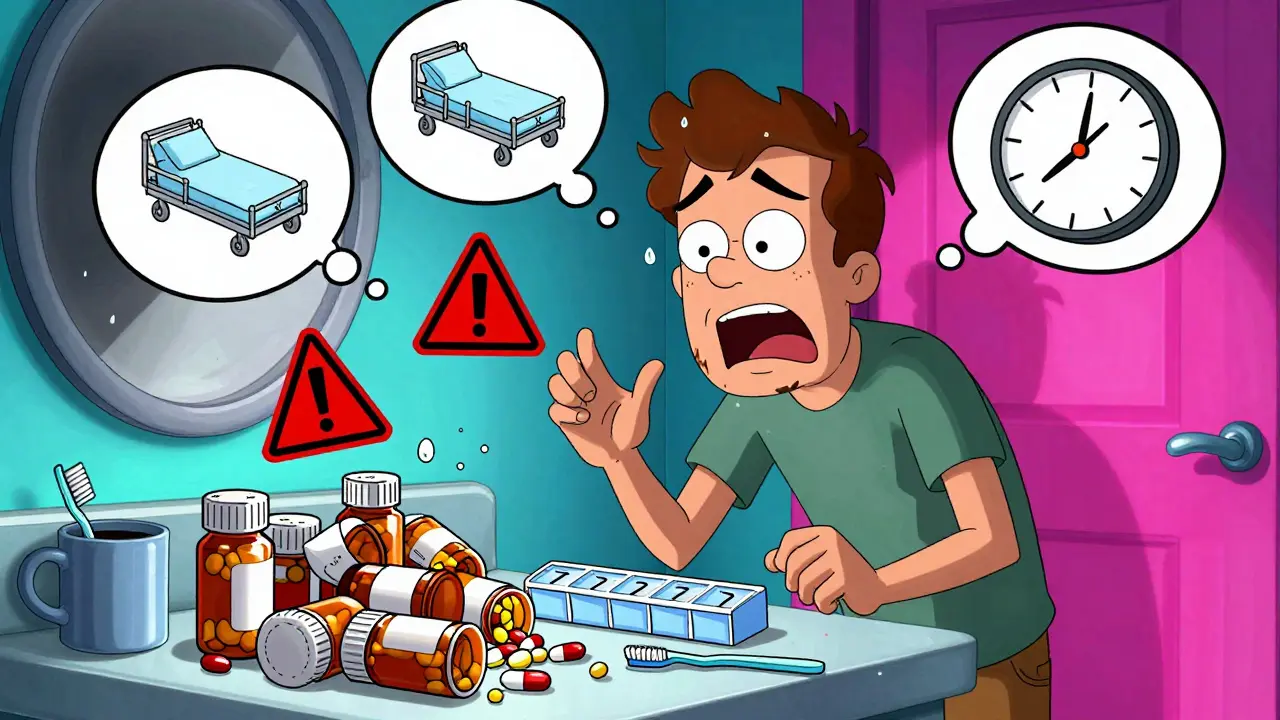
Missing a dose. Taking the wrong pill. Double-dosing because you forgot you already took it. These aren’t just inconveniences-they’re dangerous. In the UK alone, over 250,000 hospital admissions each year are linked to medication errors, and nearly half of people with long-term conditions don’t take their pills as prescribed. The problem isn’t always forgetfulness. It’s disorganization. That’s where pill organizers and smart tracking methods come in-not as luxury gadgets, but as essential tools for safety.
Why Medication Organization Matters
Think about your daily routine. Maybe you take three pills in the morning, two at lunch, and four at night. Now imagine doing that every day for months. Without a system, it’s easy to mix up bottles, lose track of doses, or skip pills because you’re overwhelmed. The consequences? Higher risk of hospitalization, worsening health conditions, and even death. According to the World Health Organization, only about 50% of people with chronic illnesses take their medications correctly. That’s not because they don’t care. It’s because the system is broken.
Organizing your meds isn’t about being neat. It’s about survival. A simple pill box can cut your risk of error by more than half. Smart systems can do even better-boosting adherence by up to 26%. But not all systems are created equal. Choosing the right one depends on your needs, your tech comfort, and your daily routine.
Manual Pill Organizers: Simple, Cheap, Reliable
The most common solution is still the classic 7-day pill box. These come in different layouts: some have four compartments per day (morning, noon, evening, bedtime), others have two, and some even have extra slots for supplements. Prices range from £3 for a basic plastic box to £25 for a sturdy, easy-open design with locking lids.
These work great if you’re consistent. Fill your box once a week, and you’ve got a visual reminder of what you’ve taken. Many come with clear labels, large print, or even color-coded sections. Some include alarms or vibration alerts built into the lid. But here’s the catch: they only help if you remember to fill them. If you’re on vacation, in a rush, or have a caregiver who forgets, you’re back to square one.
Real-world tip: Use a permanent marker to label each compartment with the time of day. Add a sticky note with the names of each pill. Keep the box near your toothbrush or coffee maker-places you already visit daily. This simple habit cut missed doses by 68% in a 2023 study of older adults in Greater Manchester.
Digital Smart Dispensers: When Memory Isn’t Enough
If you’re on five or more medications, have memory issues, or live alone, a manual box isn’t enough. That’s where automated dispensers like the MedaCube is a smart medication dispenser that holds up to 90 days of pills, dispenses doses automatically, and sends alerts to caregivers via a mobile app. Also known as MedaCube Smart Dispenser, it was designed for independent living and launched in 2022 with a one-time cost of £1,200 and no monthly fees.
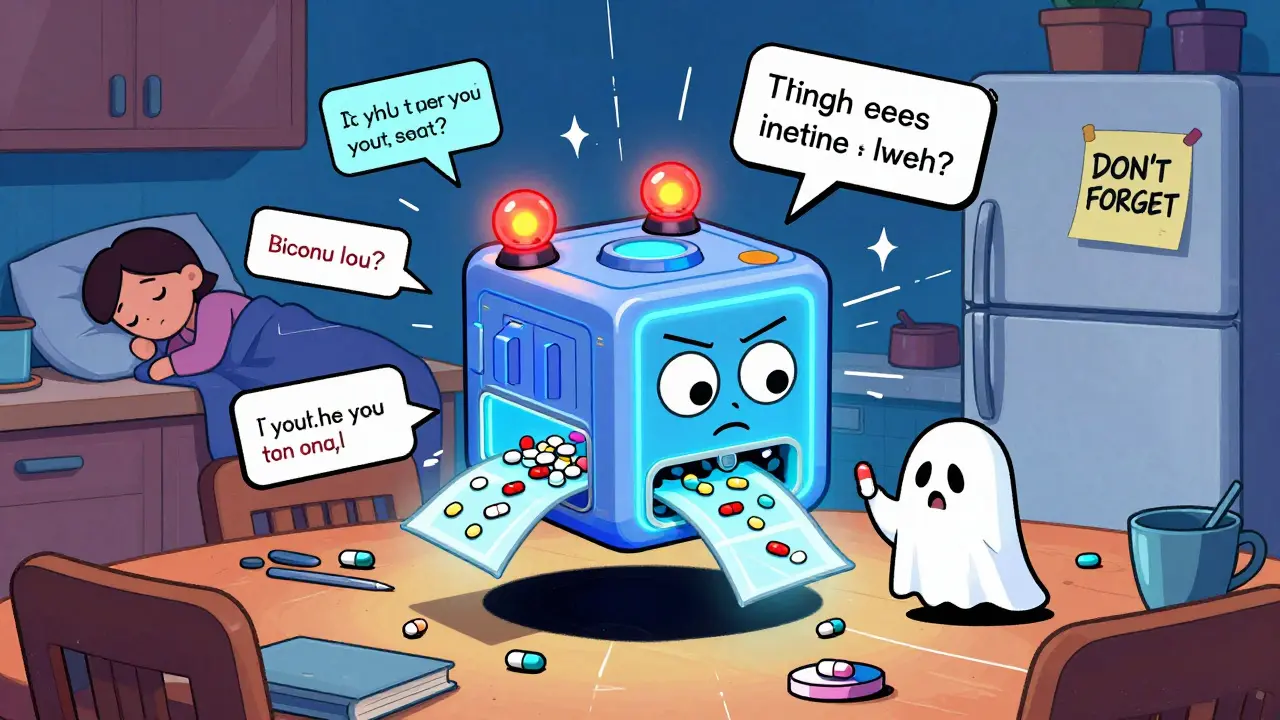
Here’s how it works: You or your caregiver load the pills into labeled trays. The device stores them, then opens the correct compartment at the right time. It beeps, flashes lights, and if you don’t respond, it texts your emergency contact. The app shows a history of every dose taken-or missed. Family members can check in remotely. For caregivers living far away, this is a game-changer.
Other popular models include Hero Health is a connected pill dispenser with AI-powered reminders, automatic refill alerts, and integration with pharmacy delivery services. Also known as Hero Smart Dispenser, it launched in 2021 and costs £999 with optional monthly subscription for refill reminders and PillDrill is a mobile app paired with a smart dispenser that syncs with your calendar and pharmacy, sending reminders and tracking adherence. Also known as PillDrill System, it was released in 2020 and costs £799 with a £12 monthly fee for app features.
These systems aren’t perfect. They need Wi-Fi. They need power. If the battery dies or the internet goes out, you’re left with a fancy box. That’s why models like MedaCube now include backup batteries and cellular connectivity as optional add-ons. And yes, they’re expensive. But when you consider the cost of one hospital visit-£2,000 or more-it’s a fair trade.
Pharmacy-Integrated Systems: For Complex Regimens
If you’re on more than eight medications, have changing dosages, or take pills at irregular times (like insulin or blood thinners), you need more than a dispenser. You need a system that talks to your pharmacy and doctor.
DosePacker’s CareCommunityOS is a pharmacy-integrated medication management platform that syncs with electronic health records, delivers pre-sorted blister packs, and supports up to 48 different medications with variable dosing schedules. Also known as CareCommunityOS, it was developed in 2023 and is used primarily in care homes and clinics, not homes.
This isn’t a consumer product. It’s used in hospitals and care facilities. Your pharmacy prepares your pills in pre-labeled blister packs-each day’s doses in one pouch. The system tracks when each pouch is opened and alerts staff if a dose is skipped. It integrates with your GP’s records so changes to your meds are instantly updated. It’s used by 57% of UK hospitals now, but it’s not available for private homes.
Still, the idea behind it is useful: pre-sorted blister packs. Ask your pharmacist if they offer this service. Many do, for free or a small fee. You get your entire month’s meds in one box, divided by day and time. No more juggling bottles. No more guessing. Just open the pouch and take what’s inside.
App-Based Tracking: For the Tech-Savvy
If you’re comfortable with smartphones, apps can be surprisingly effective. PillDrill is a mobile app paired with a smart dispenser that syncs with your calendar and pharmacy, sending reminders and tracking adherence. Also known as PillDrill System, it was released in 2020 and costs £799 with a £12 monthly fee for app features isn’t just a dispenser-it’s a full tracking system. You input your meds, set times, and get push notifications. It even reminds you when it’s time to refill.
Other apps like Medisafe, MyTherapy, and Mango Health offer similar features. They can send alerts, track side effects, and even connect with family members. One user in Leeds reported that her app alerted her daughter when she missed a dose of her blood pressure pill-leading to a call and a doctor’s appointment that caught a dangerous interaction.
But apps only work if you use them. If you forget your phone, turn off notifications, or don’t update your list when your doctor changes your meds, the app becomes useless. And if you’re not tech-savvy, the setup can be frustrating. One 74-year-old in Salford said, “I got the app, but I didn’t understand half the buttons. My grandson had to come over three times just to get it working.”
What to Avoid: Common Mistakes
Even with the best system, mistakes happen. Here are the most common ones:
- Overloading the dispenser-fitting too many pills into one compartment. Pills can crush, stick together, or get misidentified. Always follow the manufacturer’s limits.
- Not updating when prescriptions change-if your doctor adds, removes, or changes a dose, your system won’t know unless you tell it. Update your list immediately.
- Ignoring power or Wi-Fi issues-if your smart dispenser loses connection, it won’t alert you. Keep a backup manual box nearby.
- Relying too much on tech-no system replaces human oversight. A 2022 incident in the U.S. showed how software glitches led to 14 patients getting wrong doses. Always double-check your pills before taking them.
Real-Life Solutions That Work
Here’s what works for real people:
- For simple regimens (1-3 meds/day): A £10 7-day pill box with large print and a locking lid. Fill it every Sunday.
- For moderate regimens (4-7 meds/day): A MedaCube or Hero dispenser. Costs £1,000-£1,200, but eliminates guesswork.
- For complex regimens (8+ meds, variable doses): Ask your pharmacist for blister packs. It’s free or low-cost and removes the need for a smart device.
- For caregivers: Use apps like PillDrill or Medisafe with remote access. Set up alerts so you know if your loved one misses a dose.
One woman in Manchester started using a blister pack service after her husband had a stroke. He was on 11 different pills. Before, she’d spend hours sorting them. Now, the pharmacy delivers a box every month. She says, “I don’t have to worry anymore. He takes what’s there. I just check the box is empty.”
Final Advice: Start Simple, Upgrade If Needed
You don’t need the fanciest system. Start with a £5 pill box. Use it for a week. See if it helps. If you’re still forgetting doses, add a phone alarm. If that’s not enough, talk to your pharmacist about blister packs. If you’re still struggling, consider a smart dispenser. But don’t rush into spending £1,200 without trying the cheaper options first.
Medication safety isn’t about technology. It’s about consistency. The right tool just makes it easier to be consistent.
Can I use a pill organizer if I take liquid medication?
Most pill organizers are designed for solid pills or capsules. If you take liquid medications, look for specialized containers with measured doses, like oral syringes or pre-filled dosing cups. Some pharmacies offer liquid medication packaging with labeled, single-use containers. Never pour liquids into a standard pill box-it’s unsafe and hard to clean.
Are smart pill dispensers covered by NHS or insurance?
In the UK, the NHS does not currently fund personal smart dispensers like MedaCube or Hero. However, if you have a long-term condition and qualify for social care support, your local council may help cover the cost. Some private insurers or long-term care policies include coverage for medical devices-check your policy or ask your provider.
What if I have trouble seeing the labels on my pill box?
Use a magnifying glass or a phone app with text-to-speech. Many pill boxes now come with large-print labels or Braille options. You can also ask your pharmacist to print out a simple chart with big letters and pictures of each pill. Stick it on the fridge. Some apps also have voice-guided reminders that say the name of the pill aloud.
How often should I refill my pill organizer?
Most people refill weekly, usually on the same day each week-like Sunday. If you’re on monthly prescriptions, you can refill monthly, but make sure you have enough pills for the full week. Never refill a box with pills from different bottles unless you’re certain they’re correct. Always double-check the name, dose, and instructions against your prescription.
Can I use a pill organizer for vitamins and supplements?
Yes, but keep them separate from prescription meds. Mixing them can lead to confusion. Use a different compartment or a separate box for supplements. Some pill organizers have extra slots for this exact purpose. Label them clearly: “Prescription” and “Supplement.”
What should I do if my smart dispenser stops working?
Have a backup plan ready. Keep a printed list of your meds and times. Store a manual pill box nearby with the same schedule. If the device fails, use the backup until it’s fixed. Contact customer support immediately-many companies offer replacement units within 48 hours if the device is faulty. Don’t wait to refill your pills while waiting for repairs.
Next Steps: What to Do Today
Here’s what you can do right now:
- Take out all your pill bottles and lay them out. Count how many you take each day and at what times.
- Check if your pharmacy offers pre-sorted blister packs. Ask if it’s free.
- Buy a basic £10 pill box. Fill it tomorrow. See how it feels.
- If you’re still confused, call your GP or pharmacist. Ask: “What’s the safest way for me to take my meds?”
Medication safety doesn’t require a high-tech solution. It requires a simple system you’ll actually use. Start there. Build from there. Your health depends on it.





Holley T
February 25, 2026 AT 08:36Look, I get that pill organizers are marketed as life-saving, but let’s be real-most people who need them are either elderly, cognitively impaired, or just bad at routines. The real issue isn’t organization-it’s systemic neglect. Why are we putting the burden on patients to manage complex polypharmacy instead of fixing the healthcare system that prescribes them 12 different pills with conflicting interactions? I’ve seen grandmas on 17 medications because their GP just kept adding ‘for this’ without ever removing ‘for that.’ A pill box doesn’t fix bad prescribing. It just makes it look neater. And don’t get me started on the profit motive behind these £1,200 devices. The industry wants you dependent on gadgets so you’ll keep buying them. Real solution? Simplify regimens. Reduce polypharmacy. Stop treating symptoms like they’re separate problems. But hey, sell the box. That’s easier.
Ashley Johnson
February 26, 2026 AT 13:33EVERYTHING IN THIS POST IS A LIE. THE NHS ISN’T REALLY HOSPITALIZING PEOPLE FOR MED ERRORS-IT’S A COVER FOR THE VACCINE AGENDA. THEY WANT YOU TO BUY THESE DEVICES SO THEY CAN TRACK YOUR BIO DATA AND PUT YOU ON A LIST. I SAW A VIDEO ON TRUTH SOCIAL WHERE A WOMAN’S MEDA CUBE SENT HER DATA TO THE CDC AND SHE DISAPPEARED A WEEK LATER. ALSO-WHY DO ALL THESE DEVICES NEED WIFI? THEY’RE NOT PHONES. THEY’RE MEDICAL DEVICES. WHY NOT USE A SIMPLE BOX LIKE OUR GRANDPARENTS DID? I’M NOT TRUSTING A MACHINE THAT TALKS TO THE GOVERNMENT. ALSO-EVERYONE WHO USES THESE IS A SHEEP. #WakeUp
Lillian Knezek
February 27, 2026 AT 00:34So... you’re telling me the government doesn’t want us to use these? 😳 I just bought a MedaCube and now I’m scared. What if it’s secretly recording my voice? What if the alarms are coded messages? I think the pills are being swapped out when they’re loaded. I’m going to start taking them in front of a mirror. 🤔👁️
Maranda Najar
February 27, 2026 AT 05:53I read this with tears in my eyes. The sheer, heartbreaking tragedy of elderly people fumbling with pill bottles while their bodies betray them-oh, the injustice of it all! We live in a world where a £3 plastic box is considered a ‘solution,’ while the soul-crushing weight of chronic illness goes unaddressed by policy, by compassion, by society itself. The real villain isn’t forgetfulness-it’s the silence of institutions that let people die quietly, one missed dose at a time. I want to hug every person who’s ever been too tired to sort their meds. You are not lazy. You are not broken. You are surviving. And I see you.
Christopher Brown
February 28, 2026 AT 13:51Britain’s healthcare is a mess. We don’t need fancy boxes. We need fewer regulations and more personal responsibility. If you can’t manage your pills, maybe you shouldn’t be living alone. Americans handle this fine. No nanny-state gadgets needed.
Sanjaykumar Rabari
February 28, 2026 AT 17:46These smart dispensers are just another way for rich countries to control poor people. In India, we use paper charts and alarms. No wifi. No apps. No £1200 gadgets. If you can’t remember to take your medicine, maybe you are not meant to live. This is not a problem of technology. It is a problem of weakness.
Kenzie Goode
March 1, 2026 AT 16:35I really appreciate how this post breaks down options without pushing one solution. I’ve been helping my mom manage her meds since last year, and honestly? The blister pack from her pharmacy changed everything. No more guessing. No more stress. I wish more people knew this was an option-it’s free, it’s simple, and it doesn’t require a tech degree. Thank you for normalizing the low-tech fix. Sometimes the quietest solutions are the strongest.
Khaya Street
March 2, 2026 AT 08:57Interesting overview. I’d add that many rural communities in South Africa rely on community health workers to manage medication adherence-no gadgets required. The human touch still matters. Also, pill organizers are useless if the patient doesn’t understand what the pills are for. Education before equipment. Just a thought.
Christina VanOsdol
March 3, 2026 AT 05:42Okay, so let’s break this down: the article says ‘start simple’-but then spends 80% of its length hyping £1,200 machines?! That’s not advice-that’s affiliate marketing disguised as public health. Also-PillDrill? The same app is mentioned TWICE as if it’s two different products? And Hero Health? MedaCube? They’re all the same company with different branding. And don’t get me started on the ‘free blister packs’-in the US, that’s a myth unless you’re on Medicare Part D. This feels like a corporate whitepaper with a ‘real people’ filter applied. 🤨
Emily Wolff
March 4, 2026 AT 13:58Why are we even talking about this? If you can’t manage your meds, you shouldn’t be independent. Simple.
Lou Suito
March 4, 2026 AT 15:33Everyone’s obsessed with tech solutions. Meanwhile, the real problem? Doctors prescribing too many drugs. I took 11 pills. My GP added one for ‘anxiety’ then another for ‘side effects.’ Now I’m on 18. I threw out my organizer. Started taking them all at once. Felt better. Maybe the pills are the problem-not the box.
Stephen Archbold
March 5, 2026 AT 07:13Hey-I’m a caregiver for my mum, and I just want to say thank you for this. I’ve been using the blister pack thing for 6 months now. It’s not perfect, but it’s the first time I haven’t panicked every Sunday. Also, I did what you said-started with the £10 box. It felt stupid at first. Now I feel like a genius. 🙌 Seriously, if you’re reading this and thinking ‘I’m too old for this’-you’re not. Just try one week. You’ll be surprised.
Christopher Wiedenhaupt
March 5, 2026 AT 13:38Thank you for the comprehensive breakdown. I’ve recommended this to my elderly patients at the clinic. The blister pack service is underutilized. Many assume it’s only for institutional settings. Clarifying its accessibility could have a significant public health impact. A small change with outsized benefits.