Category: Health - Page 2
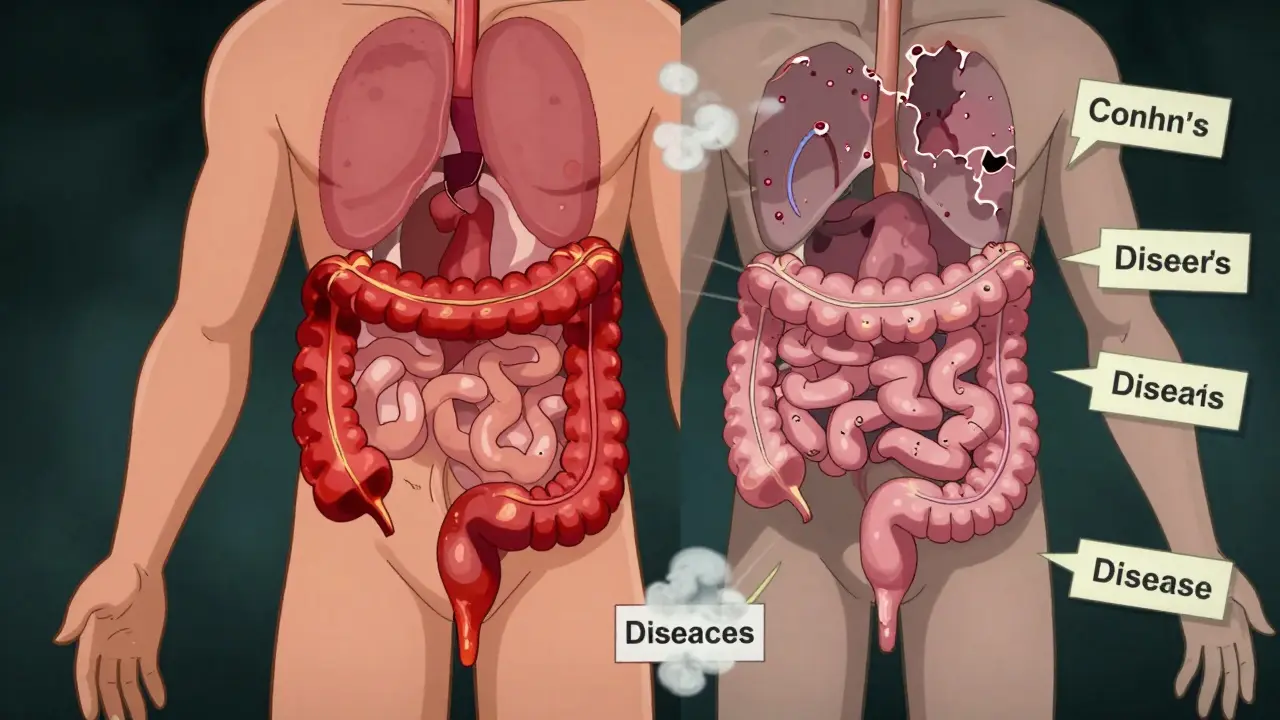
Inflammatory Bowel Disease: Crohn’s Disease vs. Ulcerative Colitis
Crohn’s disease and ulcerative colitis are two distinct forms of inflammatory bowel disease with different locations, depths of inflammation, complications, and treatments. Understanding the differences is key to managing symptoms and choosing the right care.

Eczema and Allergies: Understanding the Atopic March and How to Protect Your Child’s Skin Barrier
Eczema often starts the atopic march - a chain of allergic conditions like food allergies and asthma. Protecting your child's skin barrier early with moisturizers and safe allergen introduction can reduce the risk of progression.
Supine vs. Side Sleeping: Which Position Stops Apnea Best?
Side sleeping can cut sleep apnea events in half for many people. Learn how positional therapy works, what devices actually help, and whether it’s right for you if you sleep on your back.
When to Call Poison Control vs. Emergency Services for Overdose
Learn when to call Poison Control versus 911 during an overdose. Know the critical signs that require emergency help - and when expert advice can safely guide you at home.

Diabetic Meal Planning: What to Eat and What to Avoid for Better Blood Sugar Control
Learn how to plan meals for diabetes using the proven Diabetes Plate Method. Discover which foods help stabilize blood sugar and which ones to avoid for long-term health and better energy.
Complex Regional Pain Syndrome: Understanding Burning Pain After Injury
CRPS causes intense burning pain after injury, often mistaken for normal healing. Learn the signs, triggers, and proven treatments to stop it before it becomes lifelong.
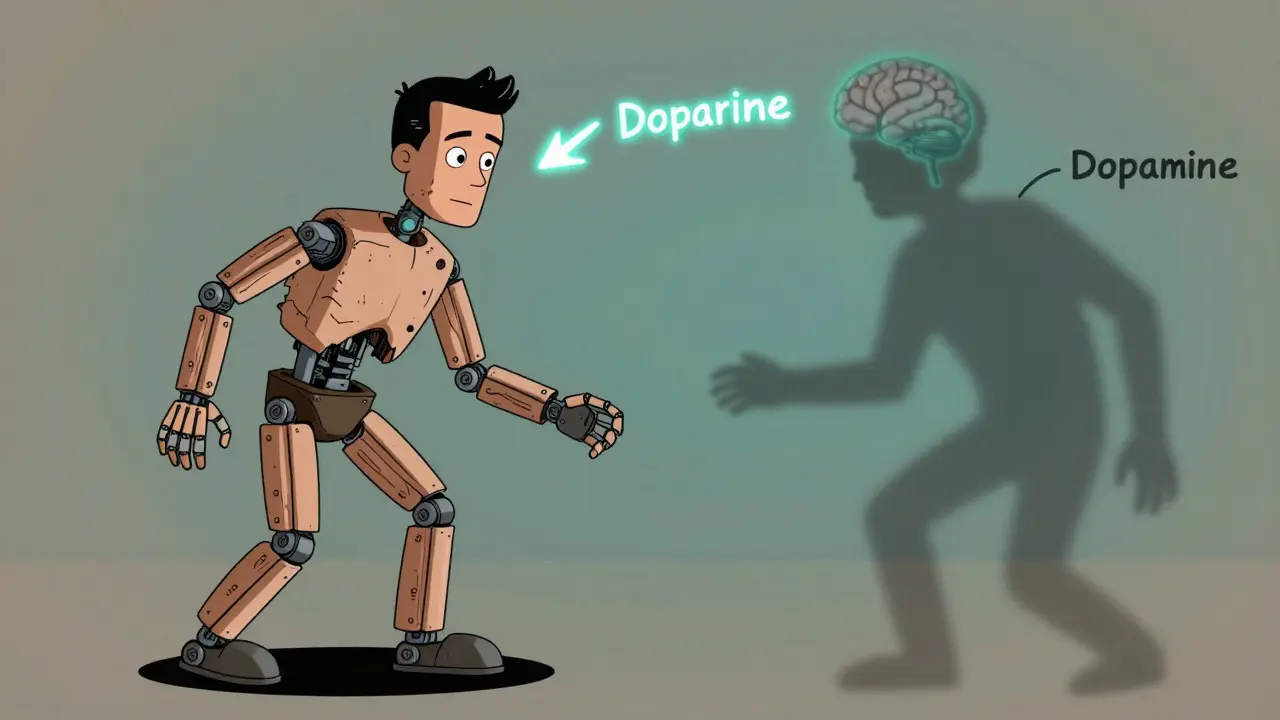
Parkinson’s Disease: Understanding Motor Symptoms, Medications, and Daily Living Challenges
Parkinson’s disease affects movement through tremors, stiffness, and slow motion. Medications like levodopa help, but long-term use brings side effects. Daily living requires exercise, therapy, and support to maintain independence and quality of life.

Peripheral Artery Disease: Symptoms, Diagnosis, and Treatment
Peripheral artery disease (PAD) causes leg pain during walking and raises your risk of heart attack and stroke. Learn the key symptoms, how it's diagnosed with a simple ankle test, and proven treatments that can help you walk again and live longer.

Keratoconus: How Rigid Lenses Restore Vision When the Cornea Thins
Keratoconus causes progressive corneal thinning, leading to blurred vision. Rigid gas permeable and scleral lenses restore sight by creating a smooth optical surface over the irregular cornea, offering a non-surgical solution for most patients.
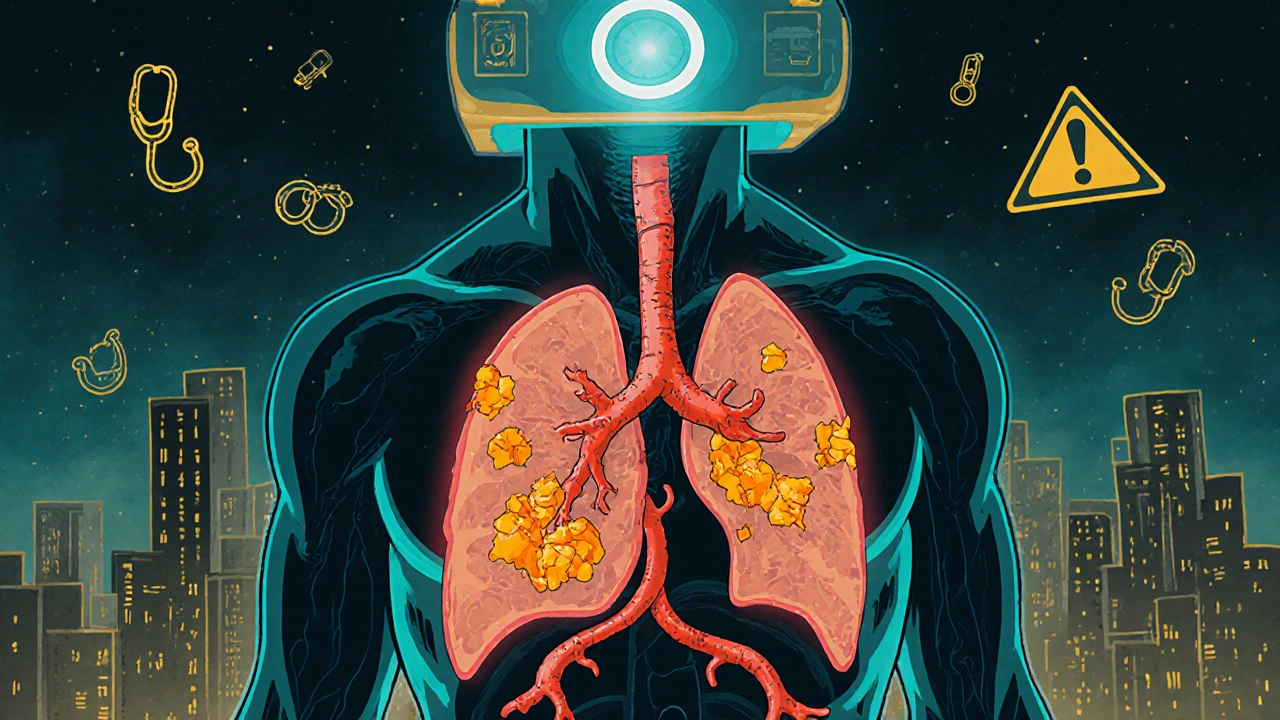
Coronary Calcium Score: What CT Scans Reveal About Plaque Buildup in Your Arteries
A coronary calcium score uses a quick CT scan to detect calcified plaque in heart arteries - revealing hidden heart disease risk before symptoms appear. Learn what the numbers mean and how it changes treatment.
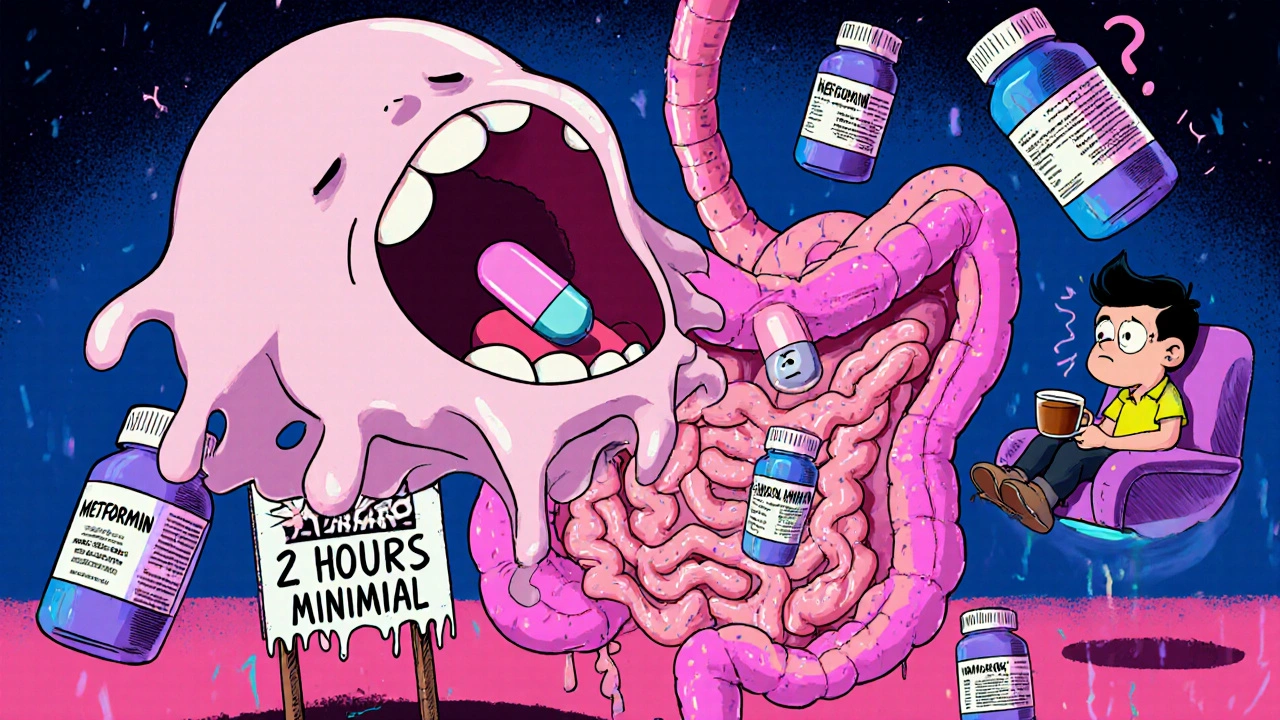
Fiber Supplements and Constipation: When to Take Them With Your Medications
Fiber supplements like psyllium help with constipation but can interfere with medications if taken at the wrong time. Learn the safest timing rules, dosing tips, and what to do if you accidentally mix them.

Medication Safety in Emergencies: What to Keep in Your Go-Bag
Build a medication go-bag with a 7- to 14-day supply of prescriptions, emergency contacts, and vital documents. Keep it accessible, check it twice a year, and protect temperature-sensitive drugs like insulin. Don't wait until it's too late.