Drug Interactions: What You Need to Know About Medication Risks
When you take more than one medication, your body doesn’t always treat them like separate guests—it treats them like roommates who might clash. A drug interaction, a change in how a medicine works when combined with another drug, food, or supplement. Also known as medication interaction, it can make a drug stronger, weaker, or even dangerous. This isn’t rare. Half of all adults take at least one prescription, and many also use over-the-counter pills, vitamins, or herbal products. That’s a lot of chances for something to go wrong.
Some drug interactions, happen when one medicine changes how your liver breaks down another. Also known as metabolic interference, it’s why you can’t always swap out one painkiller for another without checking first. For example, mixing certain antibiotics with statins can raise your risk of muscle damage. Or taking a common antacid with an antibiotic might stop the antibiotic from working at all. Then there are side effects, unwanted reactions that get worse when drugs combine. Also known as adverse drug reactions, they can turn a mild headache into a hospital visit. The posts here cover real cases: how nasal spray overuse leads to rebound congestion, why naloxone is paired with opioids to prevent overdose, and how mixing antidepressants with ED meds can cause serious blood pressure spikes.
You don’t need to memorize every possible combo. But you do need to know your own list. Keep a written record of everything you take—even ginseng, magnesium, or grapefruit juice. Tell every doctor and pharmacist you see. Ask: "Could this mess with anything else I’m on?" The answers aren’t always obvious. Some interactions build up slowly. Others hit fast. And some only show up after months of taking the same pills together.
The articles below give you clear, no-fluff guides on specific combinations that matter. You’ll find what happens when you mix prednisolone with other steroids, how lamivudine and zidovudine affect your body over time, and why flunarizine might not be safe with certain heart meds. These aren’t theory—they’re real patient experiences and clinical insights. Whether you’re managing chronic pain, mental health, or long-term conditions, knowing how your drugs talk to each other can save you from harm.
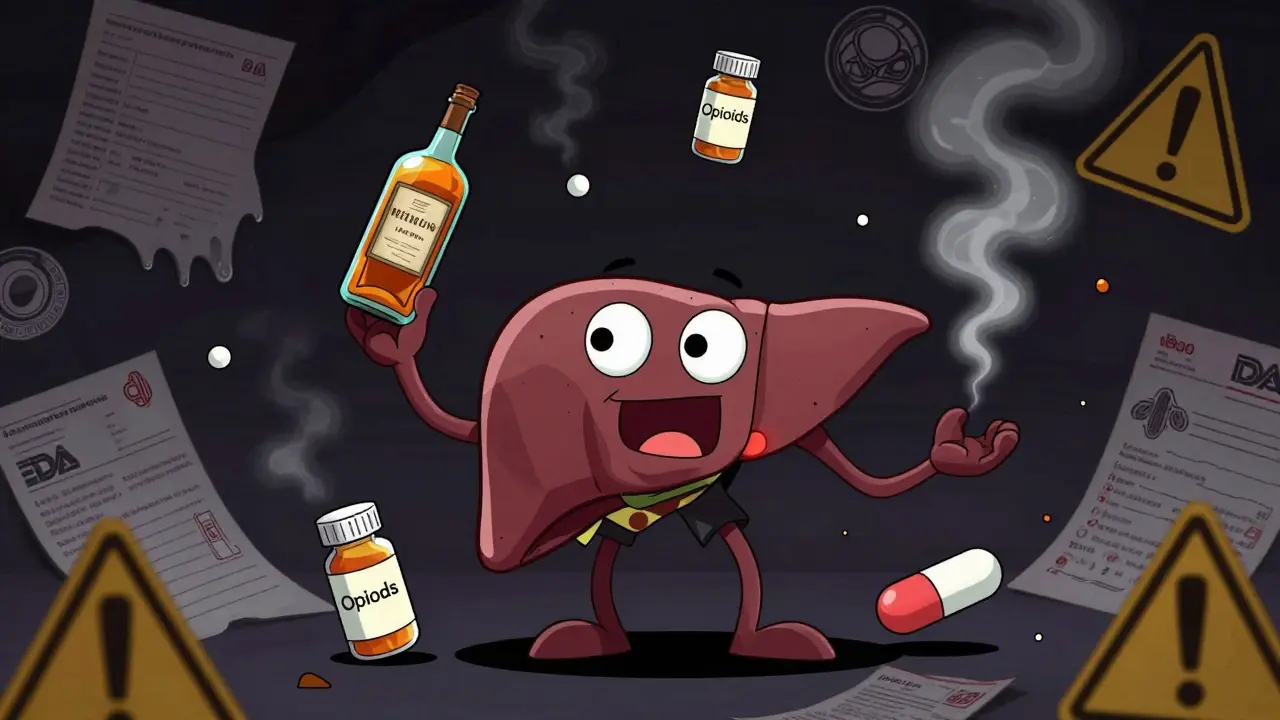
Alcohol and Medications: Dangerous Interactions and Health Effects
Mixing alcohol with medications can cause deadly side effects, liver damage, and overdose. Learn which drugs are most dangerous when combined with alcohol and how to protect your health.
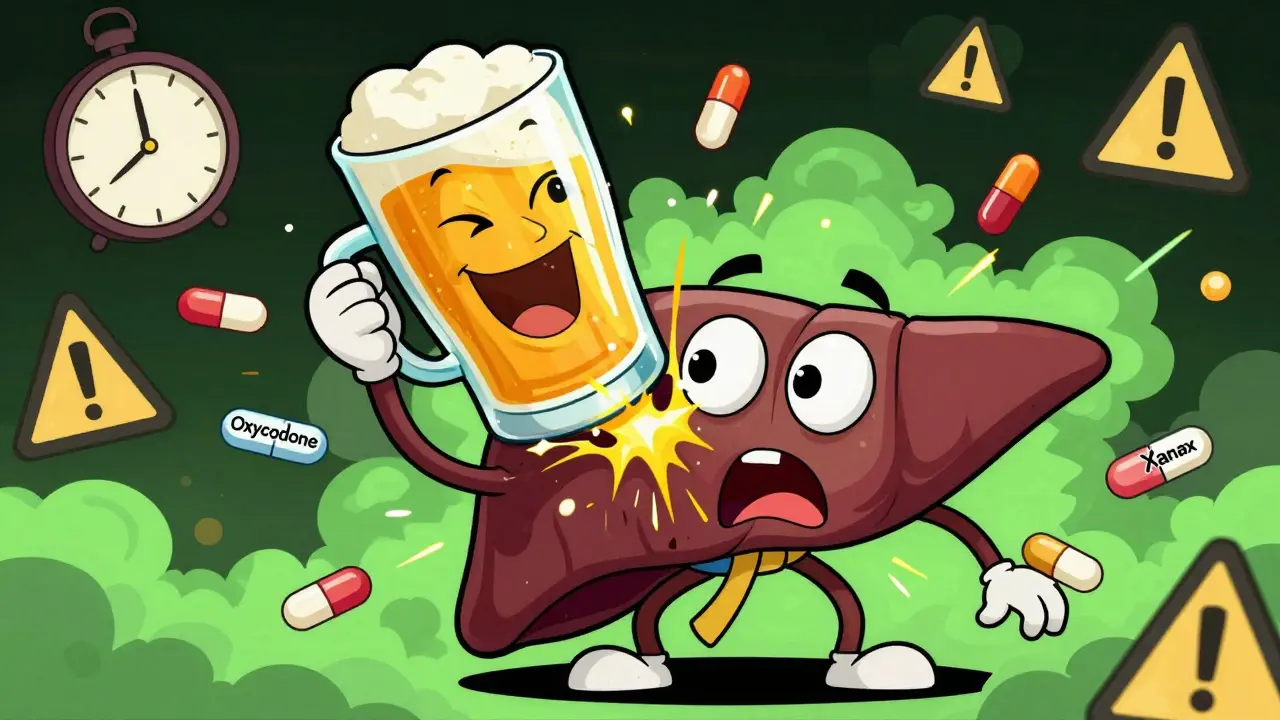
Alcohol and Medications: Dangerous Interactions and Health Effects
Mixing alcohol with medications can cause dangerous side effects, liver damage, or even death. Learn which drugs are most risky, who's most vulnerable, and how to stay safe.
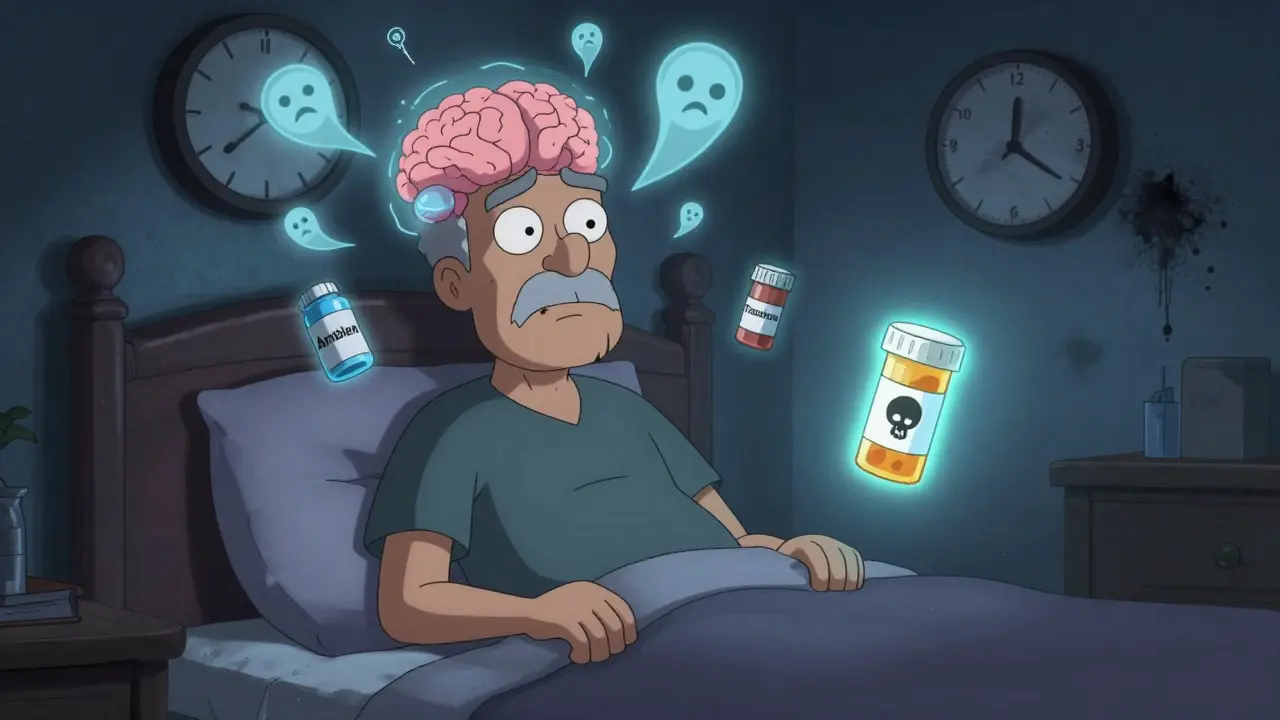
Sleep Aids: Interactions and Cognitive Side Effects You Need to Know
Not all sleep aids are the same. Some increase dementia risk, others may protect your brain. Learn which drugs cause brain fog, which are safer, and what to do instead of relying on pills.
Benzodiazepines and Drug Interactions: What You Need to Know
Benzodiazepines treat anxiety but carry serious risks when mixed with opioids or alcohol. Learn about FDA warnings, real-world dangers, safer alternatives, and how to use these medications safely.

Seizure Medications and Pregnancy: Birth Defect Risks and Drug Interactions You Need to Know
Seizure medications can pose risks during pregnancy, including birth defects and interactions with birth control. Learn which drugs are safest, how to reduce risks, and why uncontrolled seizures are more dangerous than medication.
How to Read Medication Guides for Overdose Warnings and Antidotes
Learn how to find overdose warnings and antidotes in your medication guide. Know what to look for, how to act, and why skipping this step puts your life at risk.
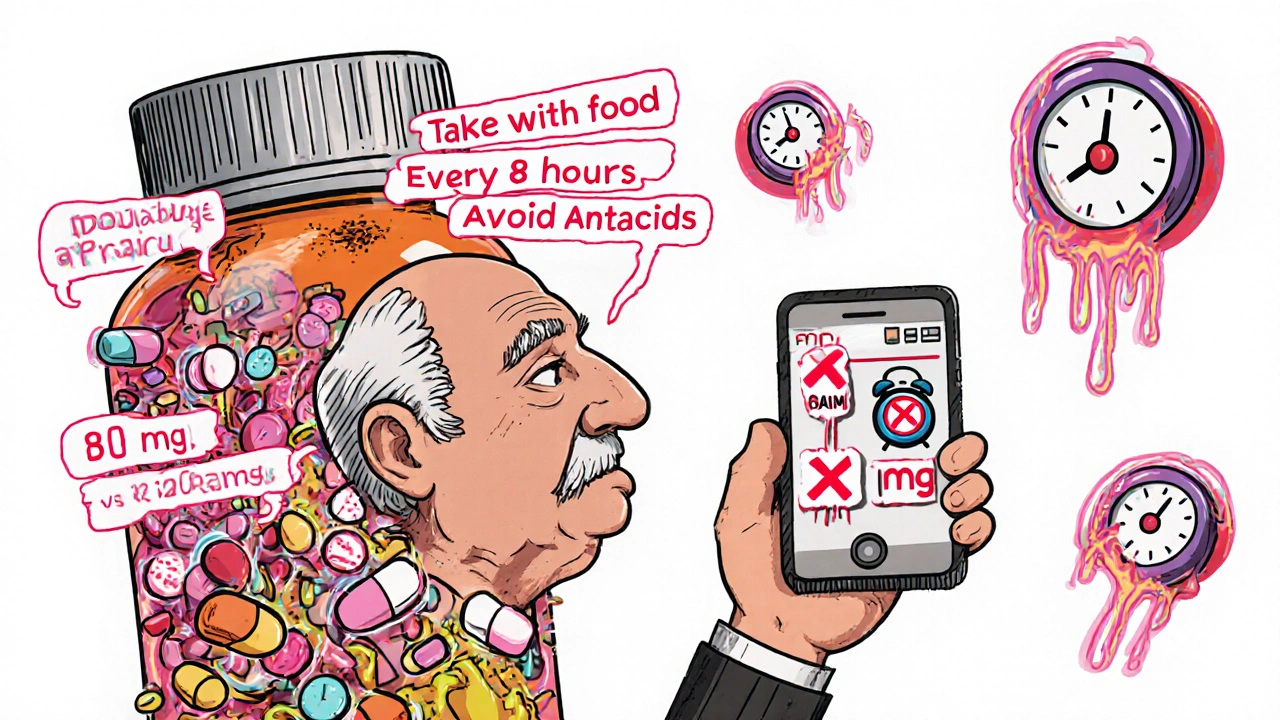
How to Use Label Information to Set Accurate Medication Reminders
Learn how to read your prescription label and use that information to set accurate medication reminders that prevent errors, avoid interactions, and improve adherence. Smart apps can turn tiny print into life-saving schedules.
How to Use FDA and WebMD Drug Interaction Checkers Safely
Learn how to safely use FDA and WebMD drug interaction checkers, understand their limits, compare features, and follow best practices to avoid harmful medication combos.