Medication Safety and Drug Management in November 2025: Stability Testing, Generics, and Drug Interactions
When you take a pill, you expect it to work—exactly as it should, every time. That reliability doesn’t happen by accident. It’s the result of stability testing, a regulated process that tracks how pharmaceuticals hold up over time under real-world conditions. Without it, drugs could lose potency, break down into harmful compounds, or fail when you need them most. This isn’t just lab work—it’s patient protection. And in November 2025, generic drugs, affordable versions of brand-name medications that must meet the same FDA standards were a major focus, especially around how to tell the difference between authorized generics, the exact same drug as the brand, just without the packaging and traditional generics that might have different fillers or release patterns.
But even the best drug won’t help if it interacts badly with something else you’re taking. That’s why drug interactions, unexpected and sometimes dangerous changes in how medications behave when combined were covered in depth. From antacids and antibiotics, where common heartburn meds can cut antibiotic effectiveness by up to 90%, to the deadly risk of eating aged cheese while on MAOI antidepressants, these aren’t hypotheticals—they’re real, life-threatening mistakes people make every day. And it’s not just about pills. Fiber supplements like psyllium, inhalers, patches, and injectables all need careful timing and handling. The same goes for medication adherence, the habit of taking your drugs exactly as prescribed, which drops sharply for complex regimens unless you have simple, proven systems in place.
Behind every safe medication use is a system—regulated by agencies like the FDA, shaped by patent laws that delay generics, and supported by pharmacists who guide patients through confusing labels and confusing options. November 2025’s content didn’t just list facts—it showed you how to read your prescription label, build an emergency go-bag, understand your coronary calcium score, and recognize when sticking with a brand drug is smarter than switching to a generic. These aren’t niche concerns. They affect anyone on long-term meds, managing chronic conditions, or just trying to avoid a bad reaction. Whether you’re on beta-blockers and need to adjust your workouts, dealing with keratoconus and rigid lenses, or monitoring liver cancer risk in cirrhosis, the tools to stay safe are right here. Below, you’ll find clear, no-fluff guides that turn complex medical info into actions you can take today—because knowing what to do matters more than just knowing what’s out there.
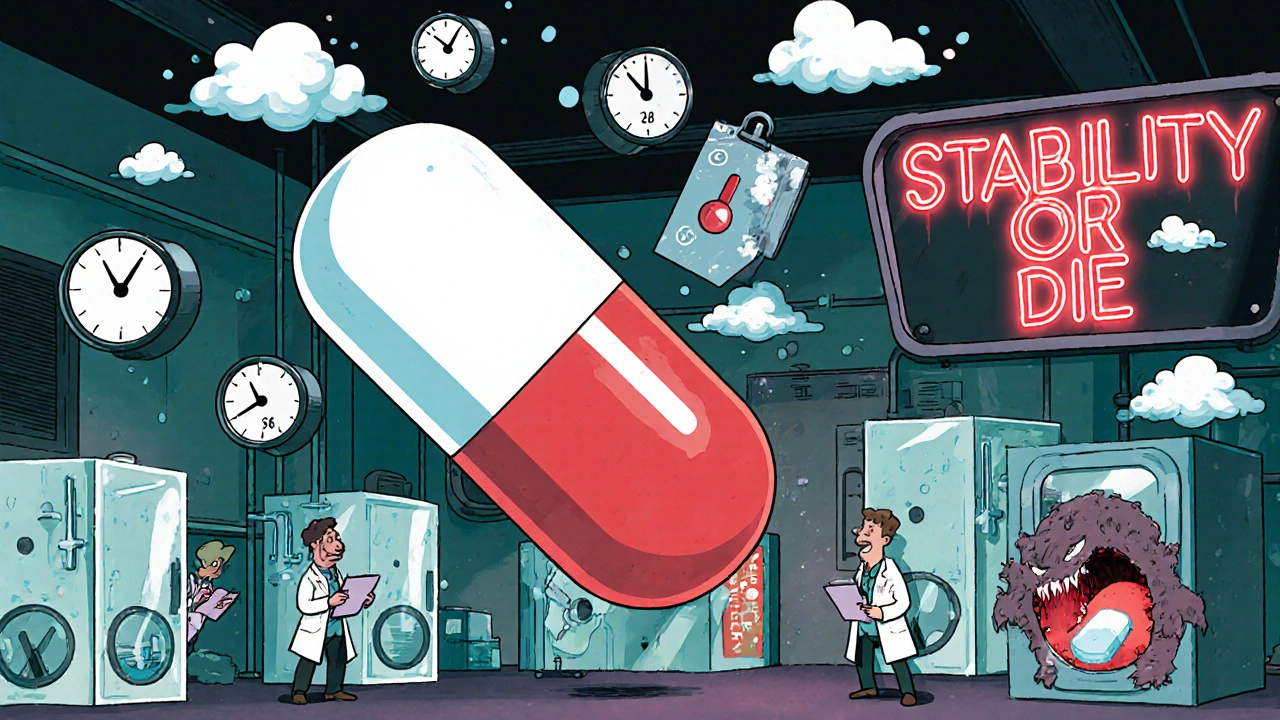
Stability Testing: Long-Term Quality Monitoring Post-Manufacture in Pharmaceuticals
Stability testing ensures pharmaceuticals remain safe and effective over time. It's a rigorous, regulated process that determines shelf life, prevents recalls, and protects patients - backed by ICH guidelines and real-world data.
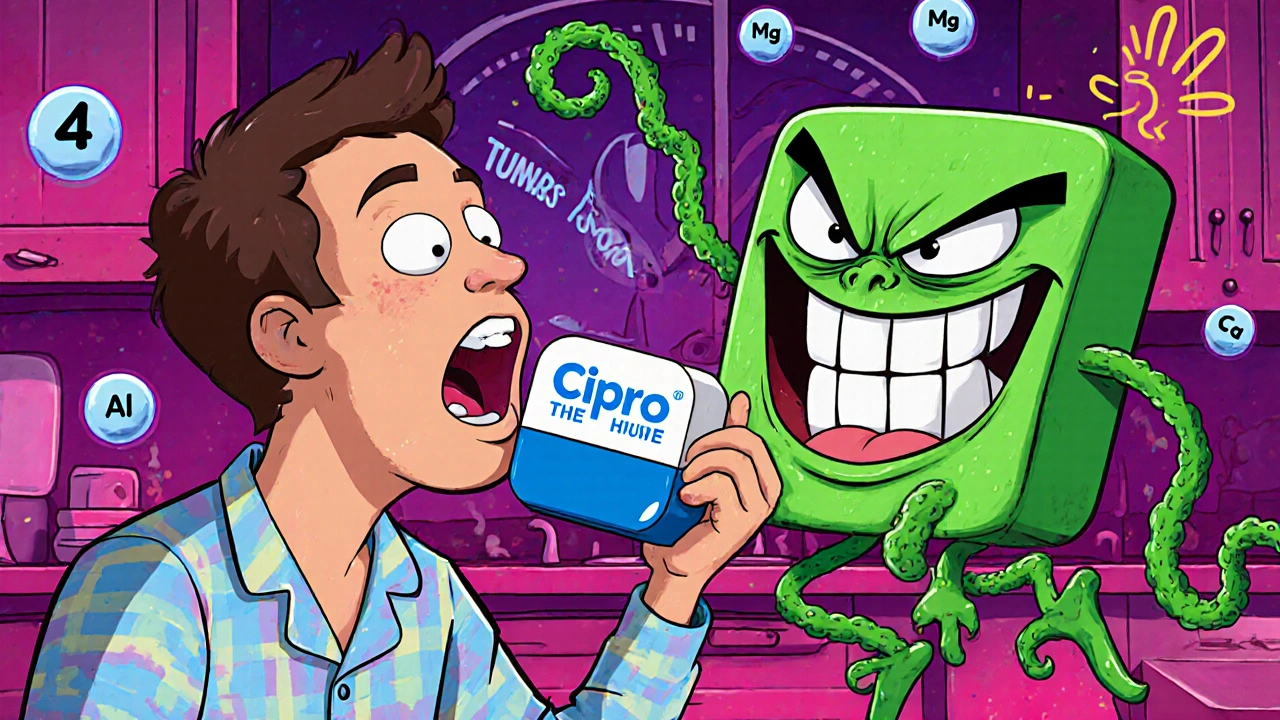
Antacids and Antibiotics: How to Time Your Doses to Avoid Dangerous Interactions
Taking antacids with antibiotics like ciprofloxacin or doxycycline can reduce their effectiveness by up to 90%. Learn the exact timing rules to avoid treatment failure and antibiotic resistance.
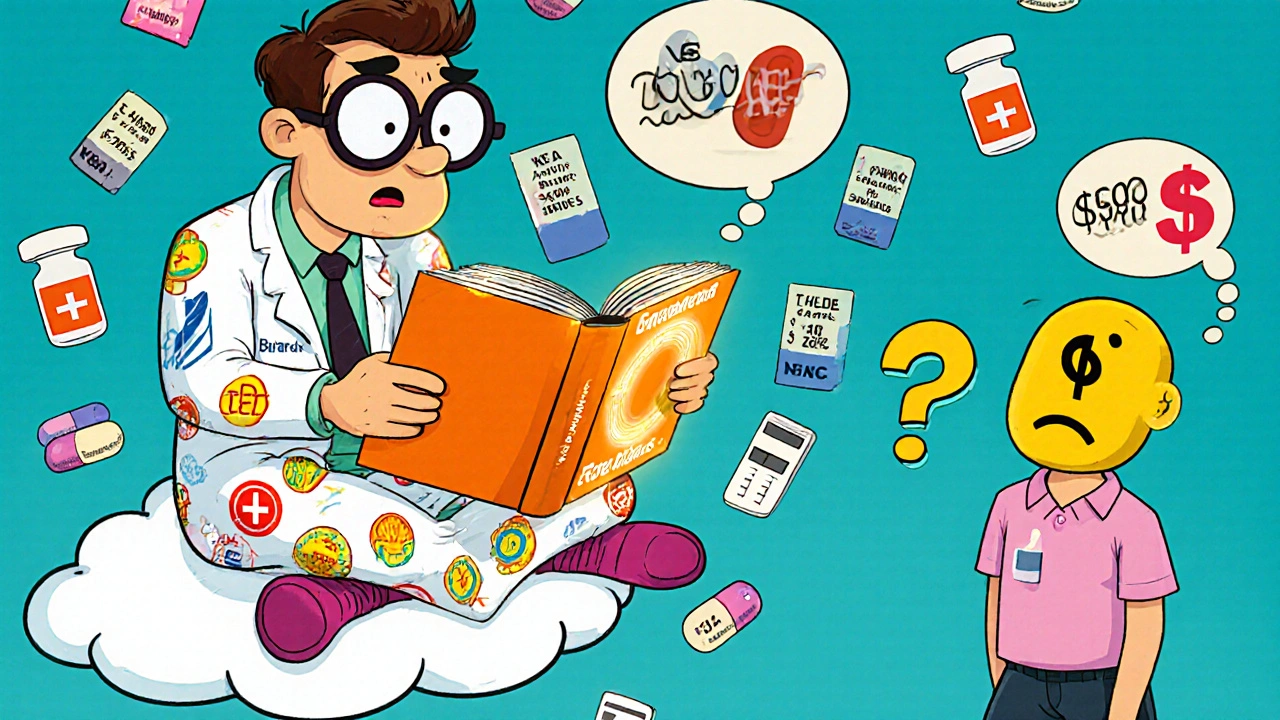
Medication Therapy Management: How Pharmacists Optimize Generic Drug Use for Better Outcomes
Pharmacists play a vital role in Medication Therapy Management by optimizing generic drug use to improve adherence, reduce costs, and prevent adverse events. Learn how MTM works and why it matters for patients on multiple medications.
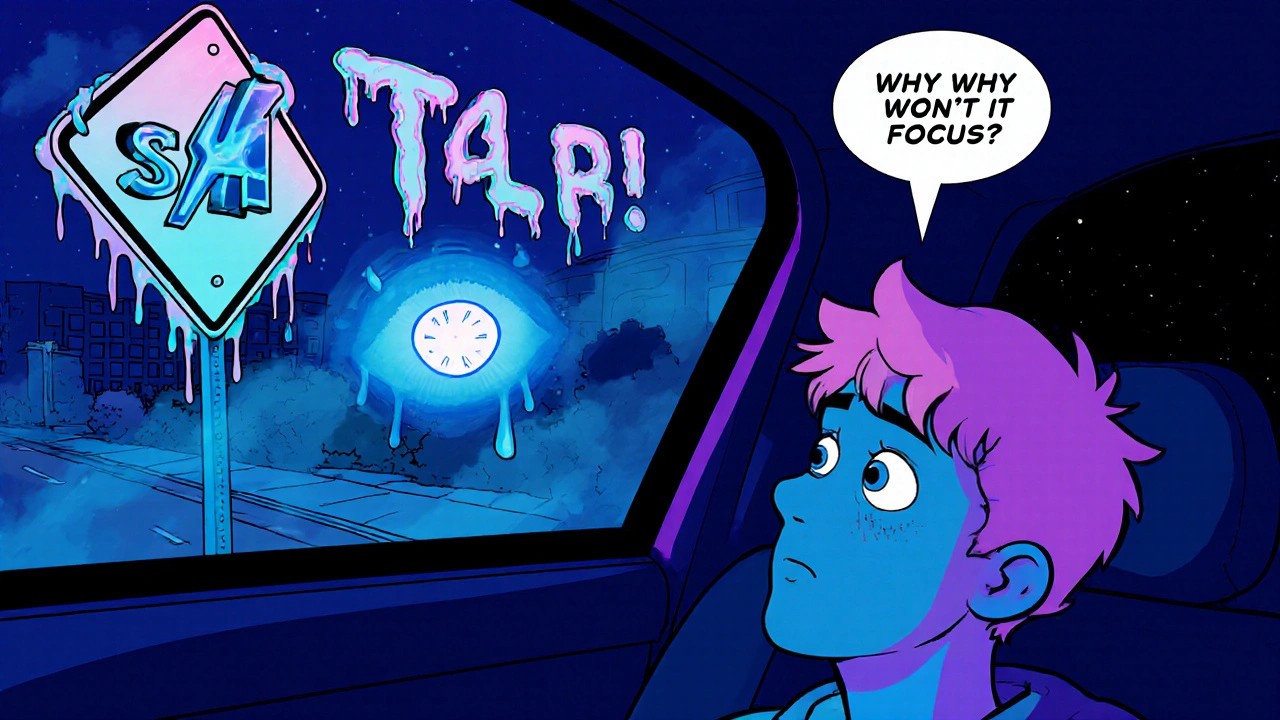
Keratoconus: How Rigid Lenses Restore Vision When the Cornea Thins
Keratoconus causes progressive corneal thinning, leading to blurred vision. Rigid gas permeable and scleral lenses restore sight by creating a smooth optical surface over the irregular cornea, offering a non-surgical solution for most patients.
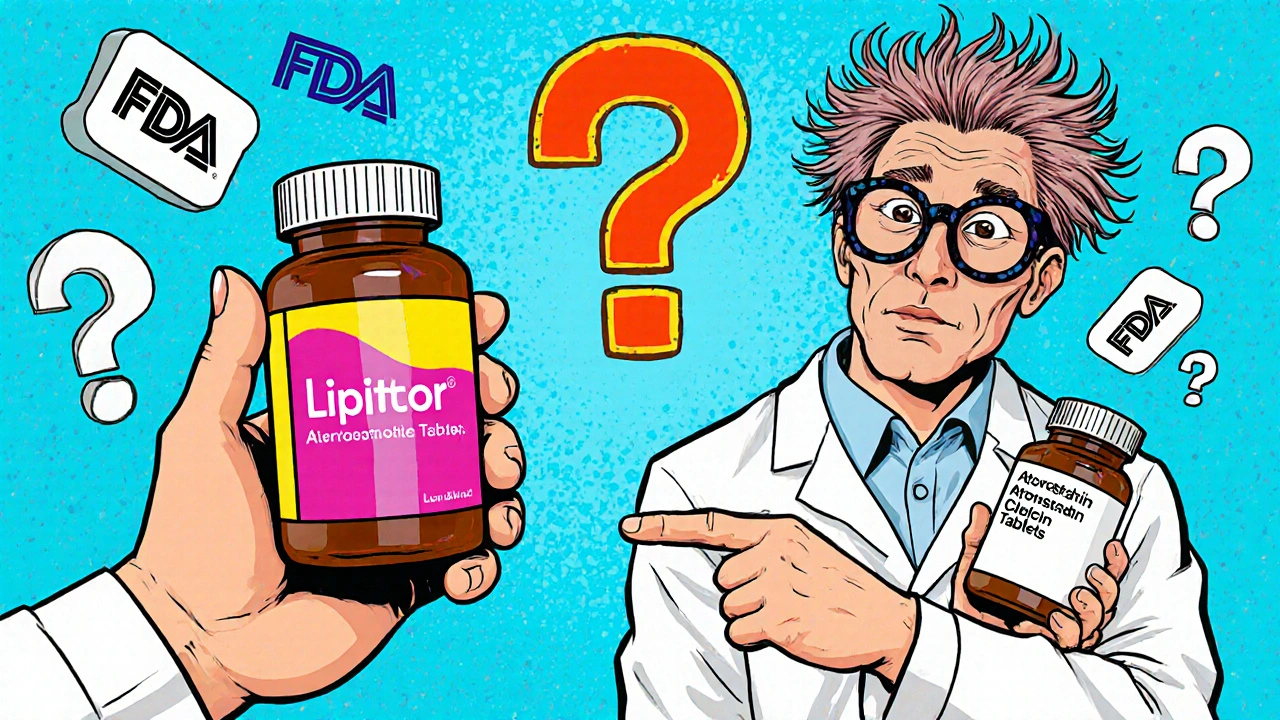
How to Understand Authorized Generics and How They Differ from Traditional Generics
Authorized generics are the exact same drug as brand-name medications, just without the brand label. Learn how they differ from traditional generics in ingredients, cost, insurance coverage, and how to identify them.
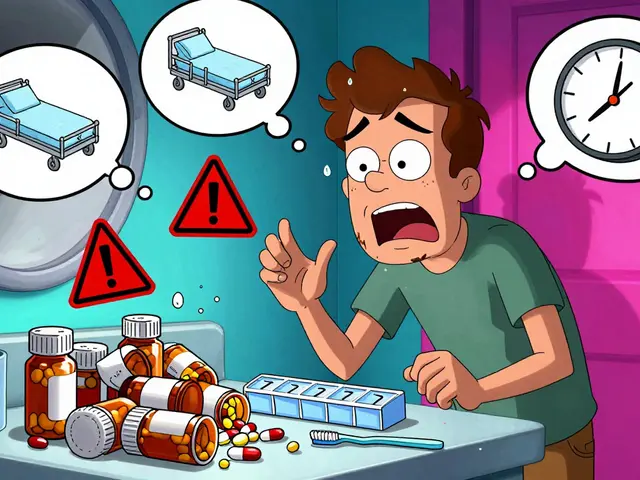
How to Read Medication Guides for Overdose Warnings and Antidotes
Learn how to find overdose warnings and antidotes in your medication guide. Know what to look for, how to act, and why skipping this step puts your life at risk.
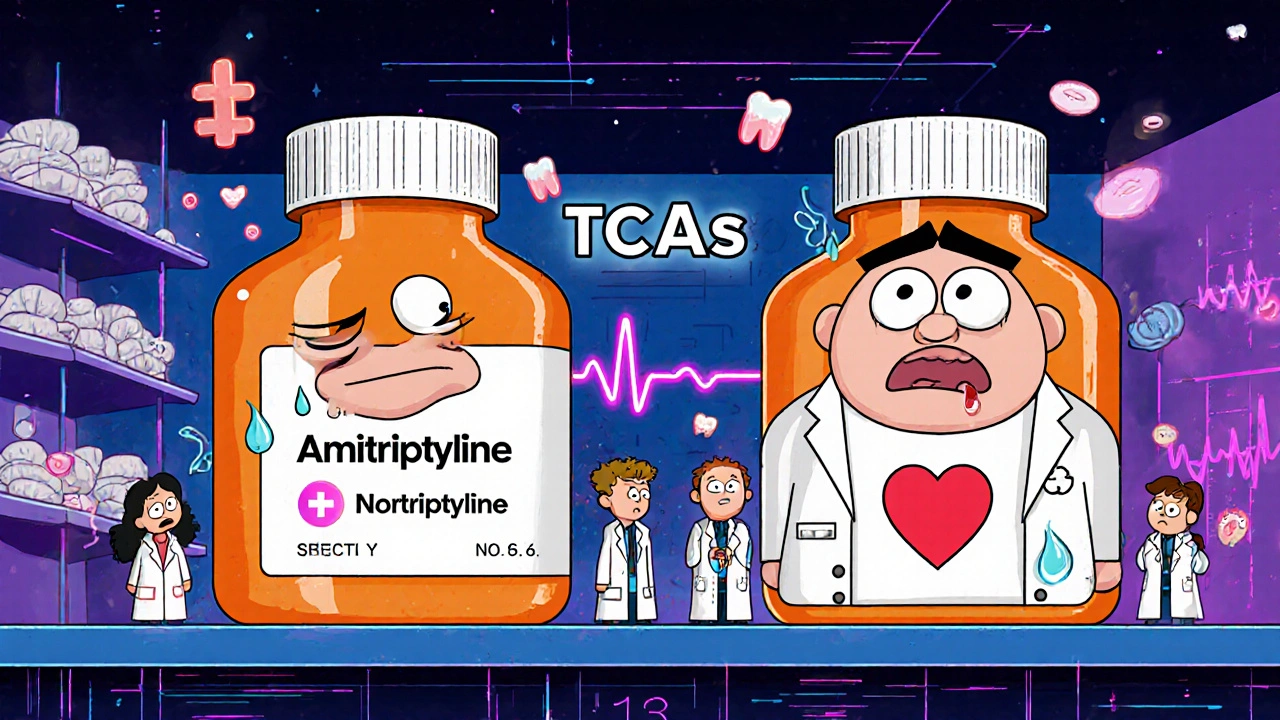
Tricyclic Antidepressant Side Effects: Amitriptyline, Nortriptyline, and Other TCAs Explained
Tricyclic antidepressants like amitriptyline and nortriptyline are still used for chronic pain and treatment-resistant depression, but they come with serious side effects including dry mouth, dizziness, heart risks, and cognitive decline-especially in older adults.
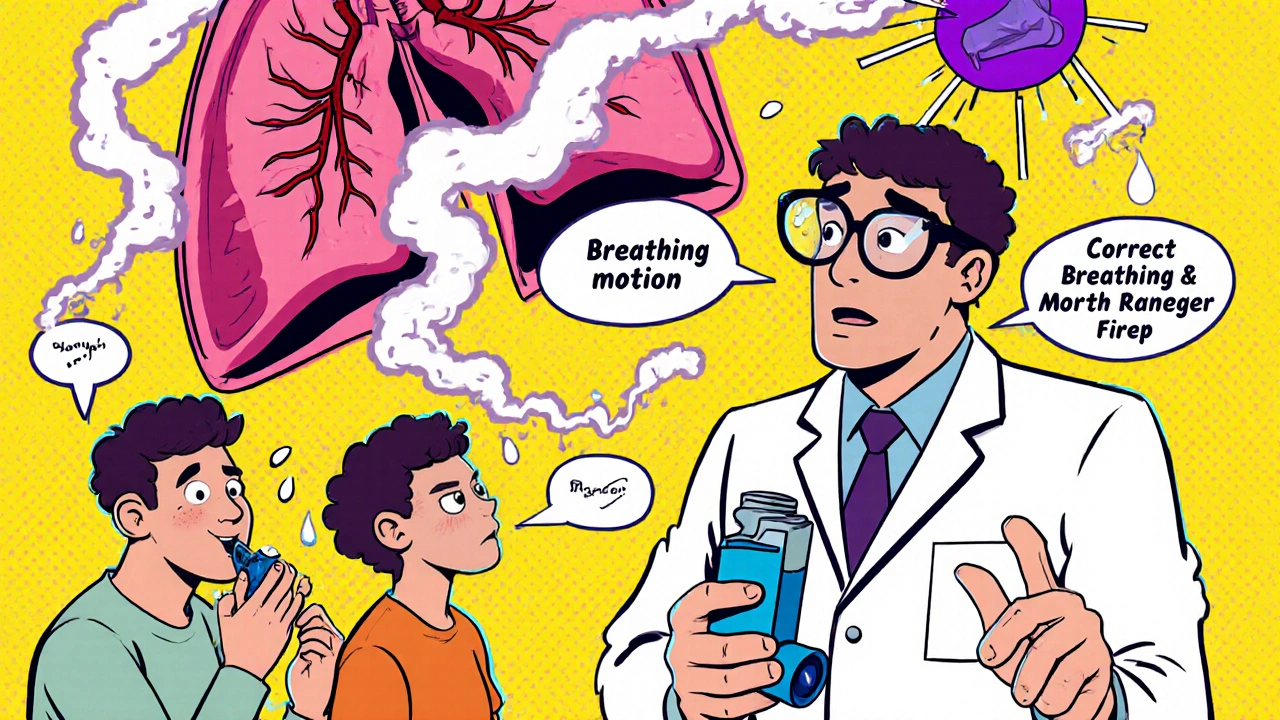
How to Improve Adherence for Inhalers, Patches, and Injectables
Learn practical, evidence-based ways to improve adherence for inhalers, patches, and injectables. From smart devices to simple routines, discover what actually works to stay on track with your medication.
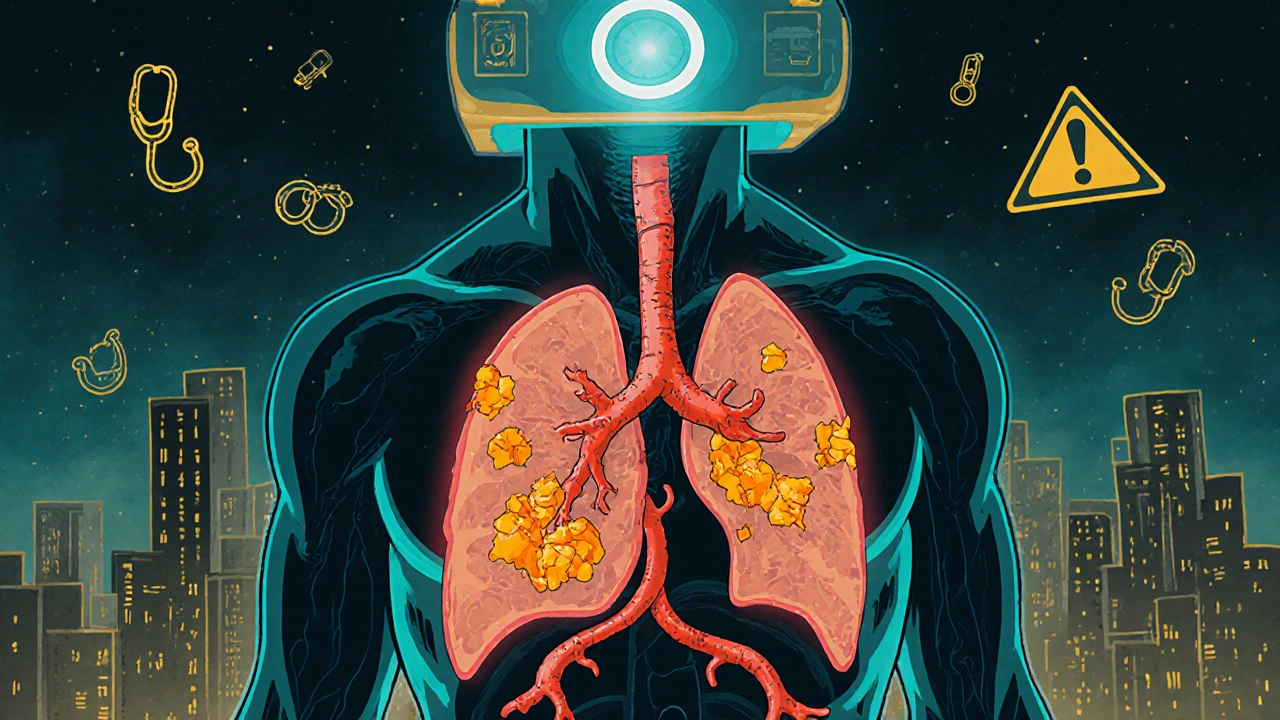
Coronary Calcium Score: What CT Scans Reveal About Plaque Buildup in Your Arteries
A coronary calcium score uses a quick CT scan to detect calcified plaque in heart arteries - revealing hidden heart disease risk before symptoms appear. Learn what the numbers mean and how it changes treatment.
Pharmacy Counseling Online: How to Get Professional Advice on Generic Medications
Learn how to get professional, safe advice on generic medications through online pharmacy counseling. Discover which services offer the best pricing, 24/7 pharmacist support, and transparent pricing-without insurance.
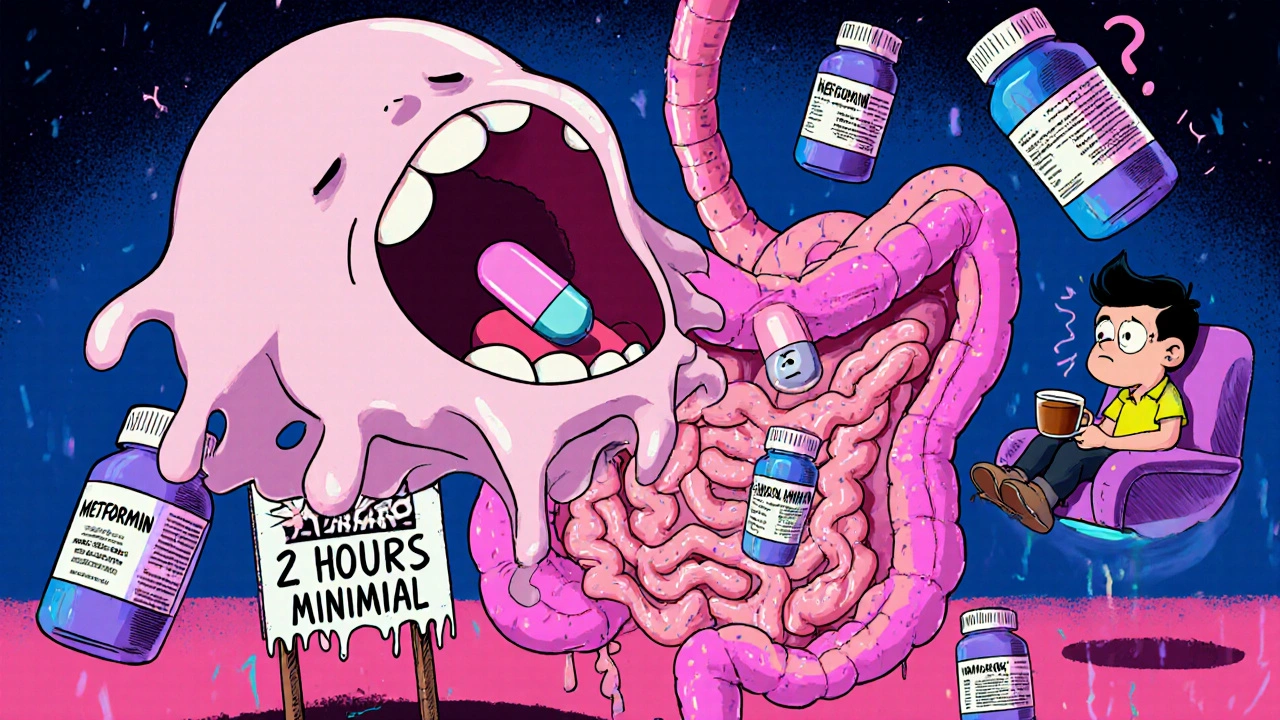
Fiber Supplements and Constipation: When to Take Them With Your Medications
Fiber supplements like psyllium help with constipation but can interfere with medications if taken at the wrong time. Learn the safest timing rules, dosing tips, and what to do if you accidentally mix them.

Medication Safety in Emergencies: What to Keep in Your Go-Bag
Build a medication go-bag with a 7- to 14-day supply of prescriptions, emergency contacts, and vital documents. Keep it accessible, check it twice a year, and protect temperature-sensitive drugs like insulin. Don't wait until it's too late.