Medication Safety: Avoid Harm, Prevent Errors, and Take Drugs Right
When you take a medication safety, the practice of using drugs correctly to avoid harm, errors, and dangerous interactions. Also known as drug safety, it’s not just about following the label—it’s about understanding how your body, other medicines, food, and even your daily habits interact with what’s in that pill bottle. Too many people think if a doctor prescribed it, it’s automatically safe. But medication safety is a daily choice, not a one-time action. A simple mix of your blood pressure pill and a common cold remedy can spike your blood pressure to dangerous levels. A fiber supplement taken too close to your thyroid med can block absorption entirely. These aren’t rare accidents—they happen every day, often because no one ever explained the why behind the instructions.
That’s why drug interactions, when two or more substances affect each other’s effects in the body, sometimes dangerously matter more than you think. Aged cheese and MAOI antidepressants? That combo can cause a life-threatening surge in blood pressure. Even something as simple as grapefruit juice can turn a normal dose of cholesterol medicine into an overdose. Then there’s medication timing, the precise schedule for taking drugs to maximize benefit and minimize risk. Taking your antibiotic with food when you should take it empty? It won’t work. Taking your thyroid pill with coffee or calcium? It might as well be water. And don’t forget pharmacist advice, professional guidance on how to use medications safely and effectively. Most people never ask. Pharmacists aren’t just the people who hand out pills—they’re your last line of defense against mistakes. They see your full list of meds, know the hidden risks, and can tell you if your new supplement could undo your heart medication.
Medication safety isn’t just for older adults on ten pills a day. It’s for anyone taking even one prescription, one OTC painkiller, or one supplement. It’s about reading your label like a detective, setting reminders that actually work, and knowing when to call your doctor instead of just pushing through side effects. It’s about realizing that a generic version might be fine for most people—but not for you. It’s about understanding that fatigue on beta-blockers isn’t just being tired—it’s your body signaling you need to adjust how you move. And it’s about knowing when to use tools like FDA interaction checkers without trusting them blindly.
Below, you’ll find real, practical guides that cut through the noise. Learn how to use your prescription label to build foolproof reminders. Find out why your pet’s eye drops might be the same as your grandma’s. See which foods can turn your antidepressant into a danger zone. Discover how to safely stop rebound nasal congestion from overused sprays. These aren’t theory pieces—they’re step-by-step fixes from people who’ve been there. Whether you’re managing chronic illness, helping a loved one, or just trying not to mess up your daily meds, this collection gives you the tools to stay safe, not just informed.

Pediatric Antihistamine Dosing: How to Prevent Common Medication Errors
Learn how to prevent pediatric antihistamine dosing errors. Expert tips on using oral syringes, weight-based dosing, and choosing the safest medications for children.
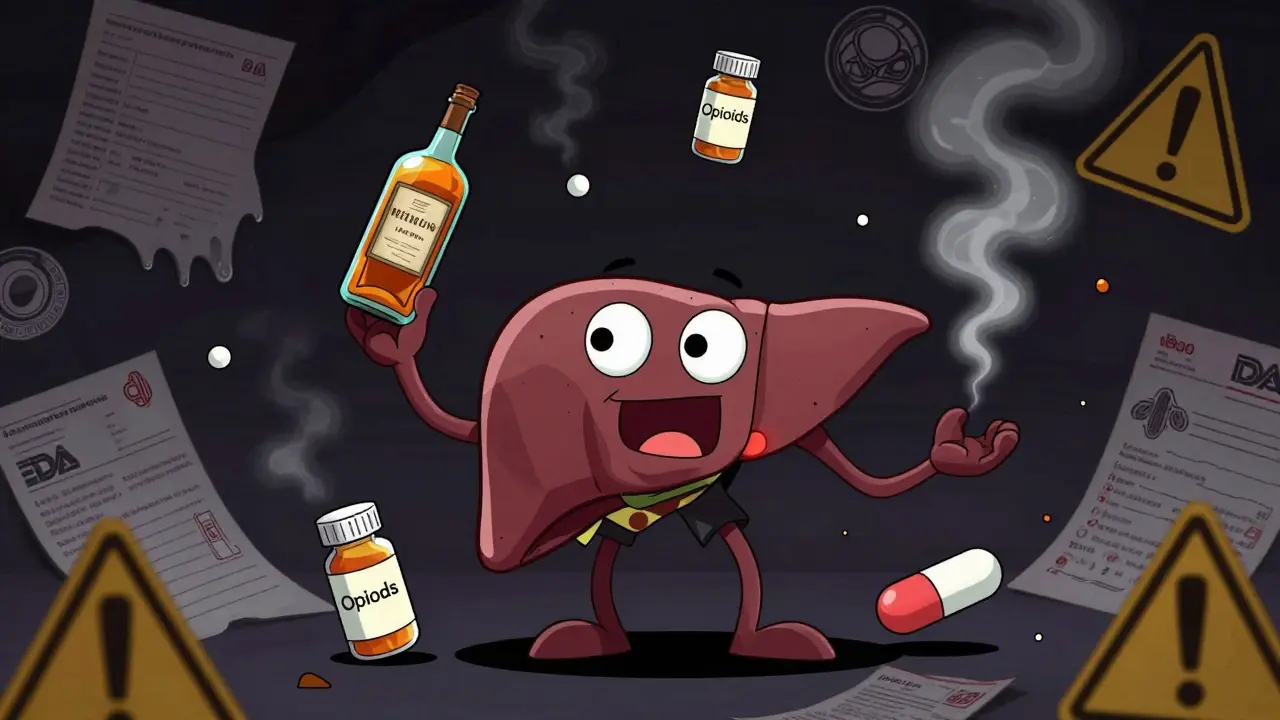
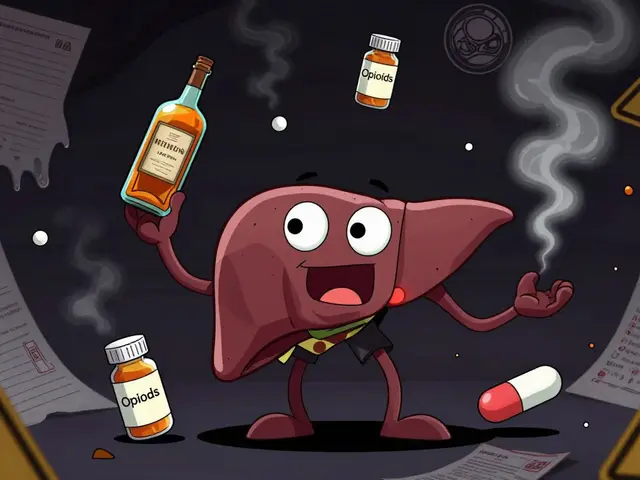
Alcohol and Medications: Dangerous Interactions and Health Effects
Mixing alcohol with medications can cause deadly side effects, liver damage, and overdose. Learn which drugs are most dangerous when combined with alcohol and how to protect your health.
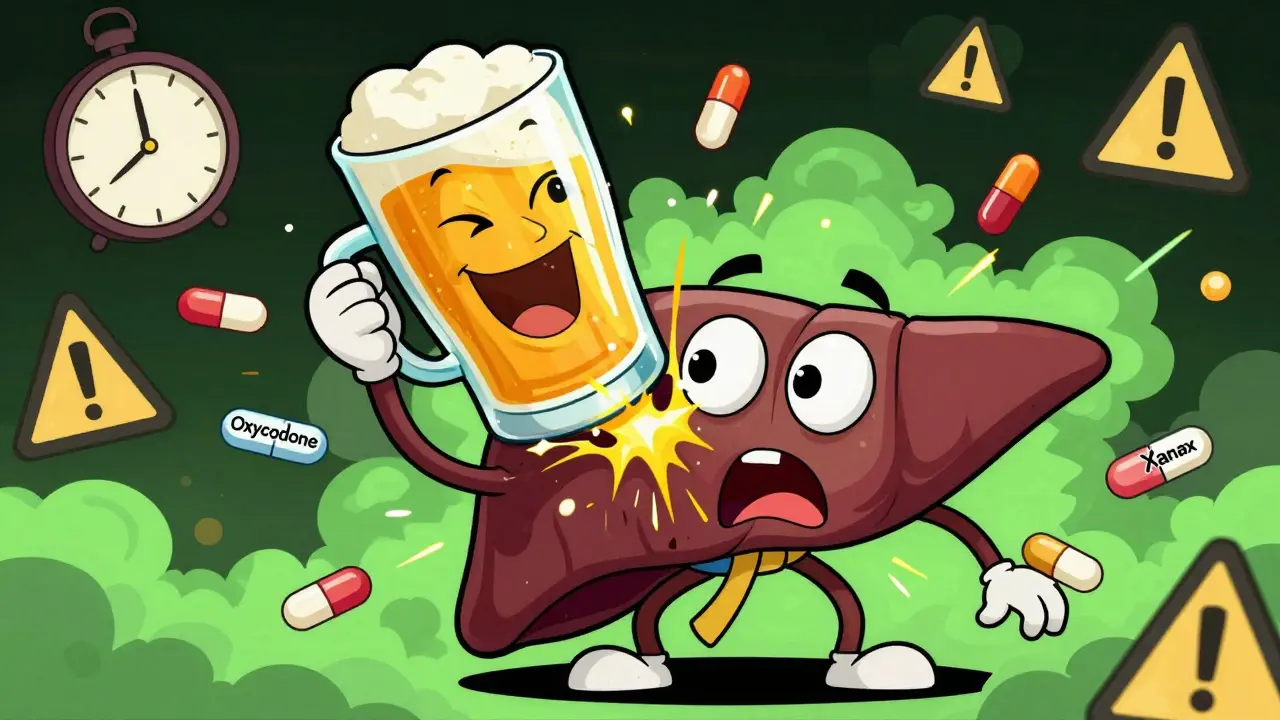
Alcohol and Medications: Dangerous Interactions and Health Effects
Mixing alcohol with medications can cause dangerous side effects, liver damage, or even death. Learn which drugs are most risky, who's most vulnerable, and how to stay safe.
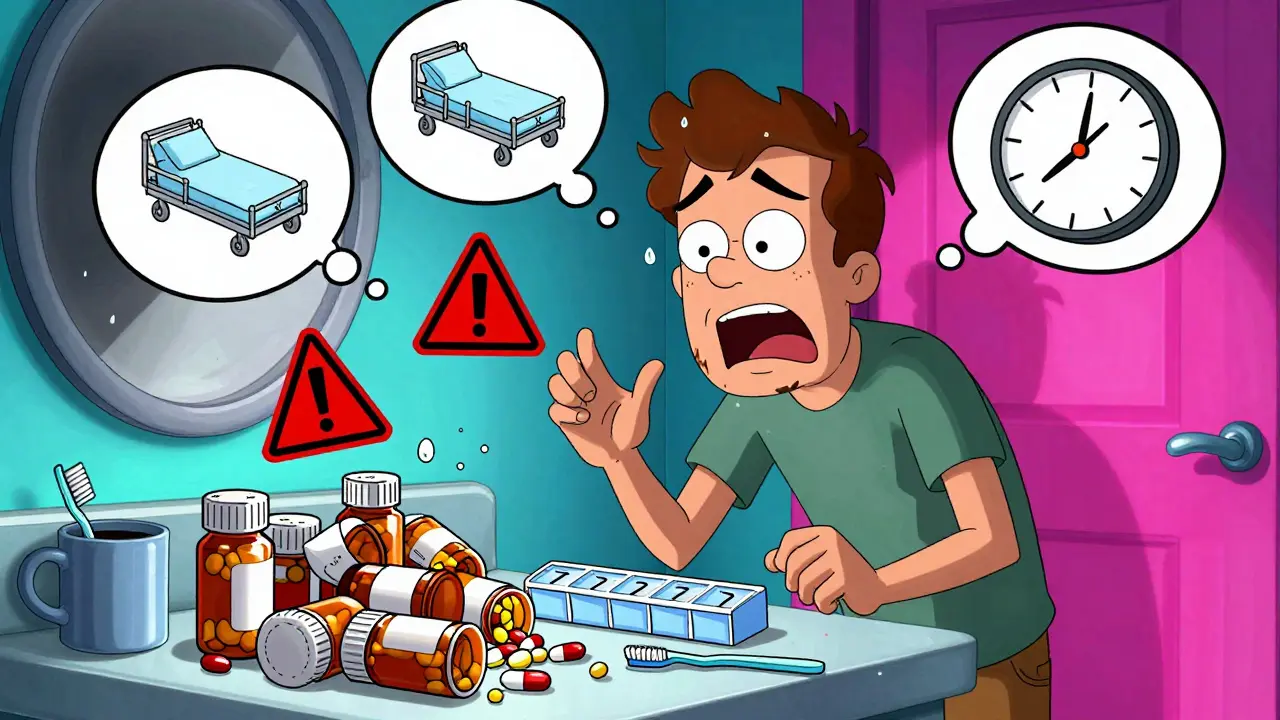
Organizing Your Medications: Pill Organizers and Tracking Methods for Better Safety
Organizing your medications with pill organizers and tracking methods improves safety, reduces errors, and boosts adherence. Learn how simple tools and smart systems can help you take the right pills at the right time.
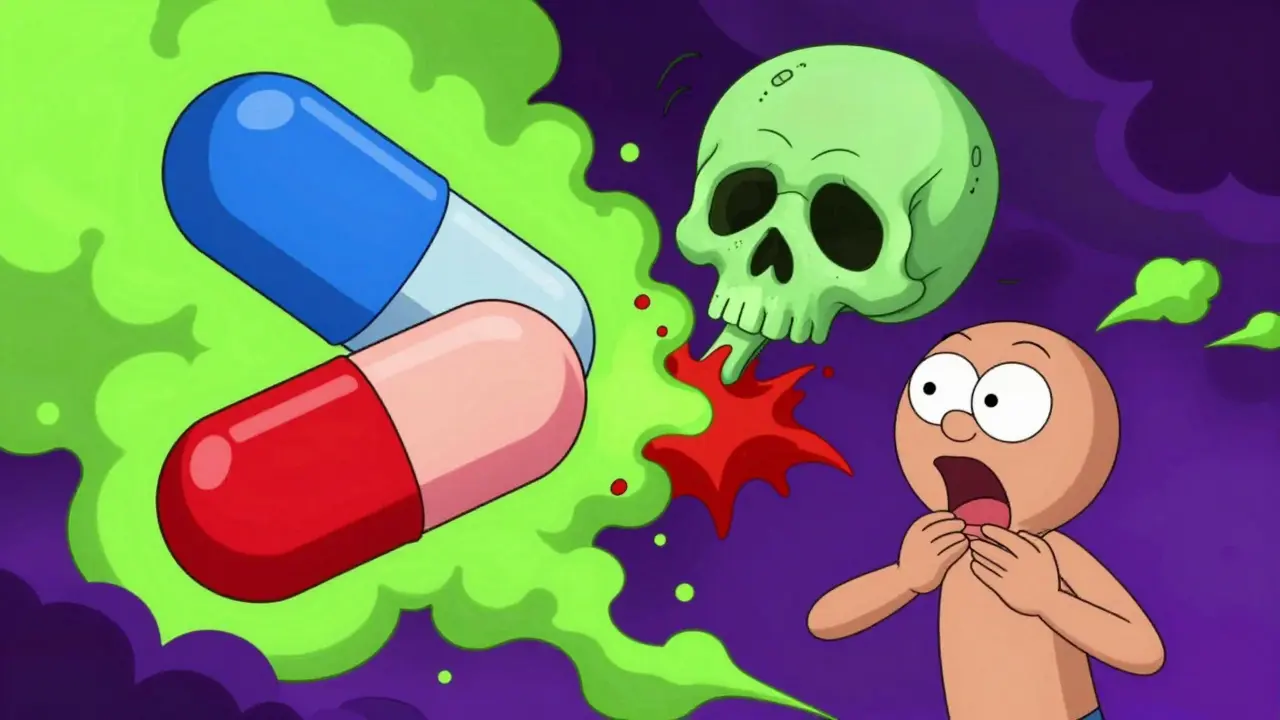
Benzodiazepines and Drug Interactions: What You Need to Know
Benzodiazepines treat anxiety but carry serious risks when mixed with opioids or alcohol. Learn about FDA warnings, real-world dangers, safer alternatives, and how to use these medications safely.

Medication Safety in Emergencies: What to Keep in Your Go-Bag
Build a medication go-bag with a 7- to 14-day supply of prescriptions, emergency contacts, and vital documents. Keep it accessible, check it twice a year, and protect temperature-sensitive drugs like insulin. Don't wait until it's too late.