Supplement Safety: What You Need to Know Before Taking Any Pill
When you pick up a supplement, a product taken to add nutrients or support health, often without a prescription. Also known as dietary supplement, it can be anything from vitamin D to herbal extracts—but unlike drugs, most aren’t tested for safety before they hit store shelves. That’s not a loophole. It’s the law. The FDA doesn’t approve supplements before sale. They only step in after someone gets hurt. So if you’re popping pills thinking they’re harmless, you might be wrong.
Supplement safety starts with understanding what’s actually in the bottle. Some products contain hidden drugs—like weight loss pills laced with stimulants or sexual enhancement supplements with hidden sildenafil. Others mix herbs that clash with your prescriptions. Think of supplement interactions, when a supplement changes how a medication works in your body. For example, St. John’s wort can make birth control fail or reduce the power of blood thinners. Fiber supplements like psyllium can block absorption of antibiotics or thyroid meds if taken too close together. Even something as simple as calcium in a multivitamin can interfere with antibiotics like ciprofloxacin. These aren’t rare cases. They’re common mistakes.
Then there’s quality. Just because a bottle says "100% natural" doesn’t mean it’s safe or even accurate. Studies have found supplements with wrong dosages, contaminants like lead or pesticides, or no active ingredient at all. FDA supplements, products regulated under the Dietary Supplement Health and Education Act, which allows sale without pre-market approval rely on manufacturer honesty. No third-party testing? No way to know. That’s why some people stick to brands that are NSF Certified or USP Verified—those labels mean someone outside the company checked the contents.
And let’s not forget who’s taking them. Older adults on five or more meds? High risk. Pregnant women? Some herbs can trigger contractions. Kids? Their bodies react differently. Even healthy people can get hurt—like the man who took green tea extract for weight loss and ended up in the hospital with liver failure. Supplement safety isn’t about avoiding all supplements. It’s about asking the right questions before you swallow anything.
You’ll find real stories here—like how dairy blocks antibiotics, how antacids can ruin your treatment, or why stability matters even for pills you buy off a shelf. These aren’t theoretical risks. They’re documented, preventable errors. The posts below cover what to watch for, who to trust, and how to spot the red flags before your next purchase. No fluff. No marketing. Just what you need to stay safe.
Questions to Ask Before Taking Any Supplement with Medicines
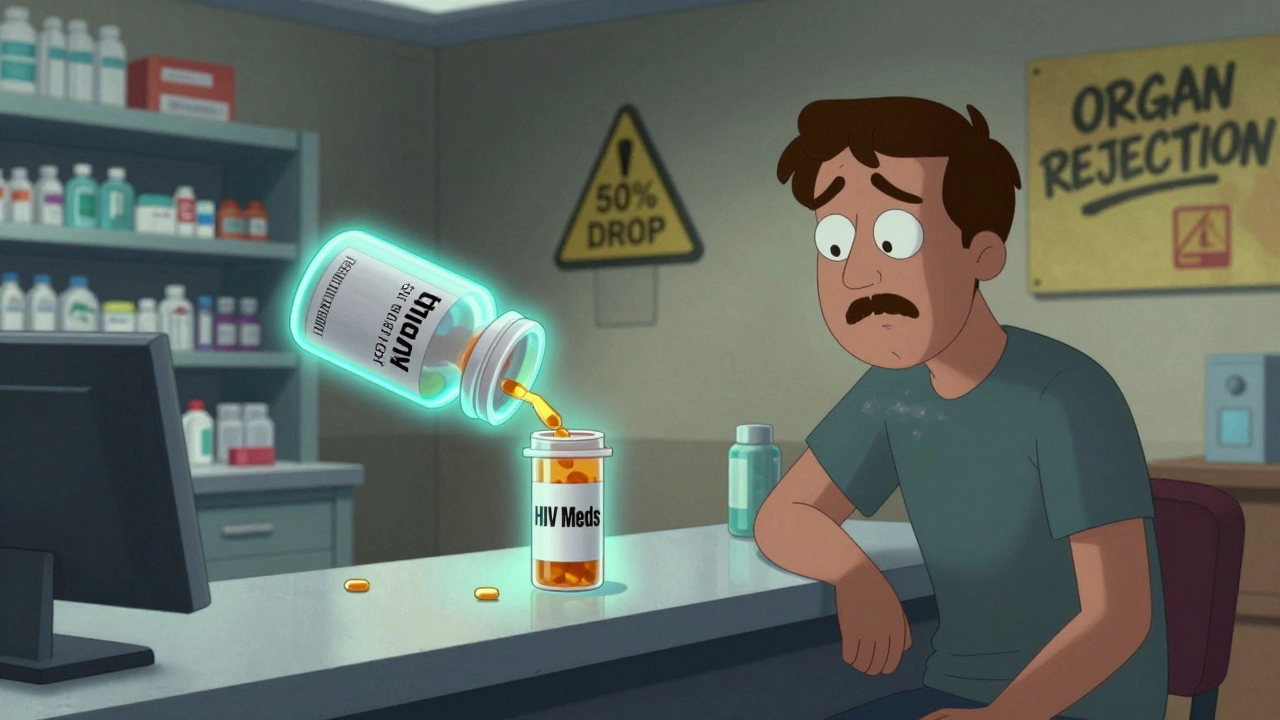
Many people take supplements with their medications without knowing the risks. St. John’s wort, ginkgo, and even vitamin E can interfere with drugs like blood thinners, birth control, and HIV meds. Learn the critical questions to ask before combining any supplement with medicine.