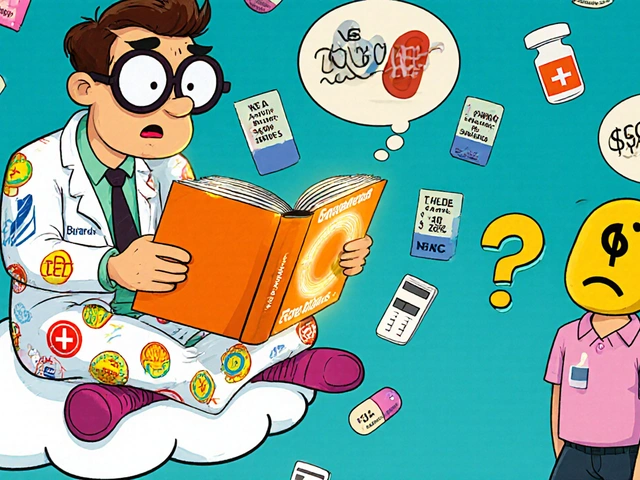
Orange Book: What It Is and Why It Matters for Generic Drugs
When you hear Orange Book, the official list of FDA-approved drug products with therapeutic equivalence evaluations. Also known as Approved Drug Products with Therapeutic Equivalence Evaluations, it’s the government’s public record of which drugs are approved, who owns the patents, and when generics can legally enter the market. This isn’t just a bureaucratic document—it’s the reason you can buy a $5 version of a drug that cost $300 last year.
The Orange Book doesn’t just list drugs. It tracks patent exclusivity and market exclusivity, two legal tools drugmakers use to delay generics. One comes from the patent office, the other from the FDA. A patent might expire in 2025, but if the FDA granted 12 months of market exclusivity for a new use, no generic can launch until 2026. That’s why some drugs stay expensive long after their patent dies. The Orange Book shows you exactly when the door opens for cheaper versions.
It also connects to real-world issues you face. If you’ve ever wondered why your pharmacy switched your prescription from brand to generic overnight, or why your insurance won’t cover a certain version, the answer’s in the Orange Book. It tells pharmacists which generics are considered bioequivalent—meaning they work the same way in your body. That’s why some generics are interchangeable and others aren’t. It’s why a pill labeled "authorized generic" costs less but acts exactly like the brand. And it’s why timing matters: if you take an antibiotic with an antacid, or a supplement with blood thinners, the Orange Book doesn’t list those interactions—but it does show you which versions of the drug are approved, so you can ask your pharmacist if your generic is truly equivalent.
You’ll find posts here about how generic drugs degrade over time, how stability testing ensures safety, and why some patients stick with brand-name meds even when generics are available. You’ll read about authorized generics versus traditional ones, how patent cliffs affect prices, and how pharmacists use this data to optimize your treatment. The Orange Book doesn’t tell you what to take—but it tells you what’s legally allowed, when, and why. That’s power. And now, you know where to look for it.
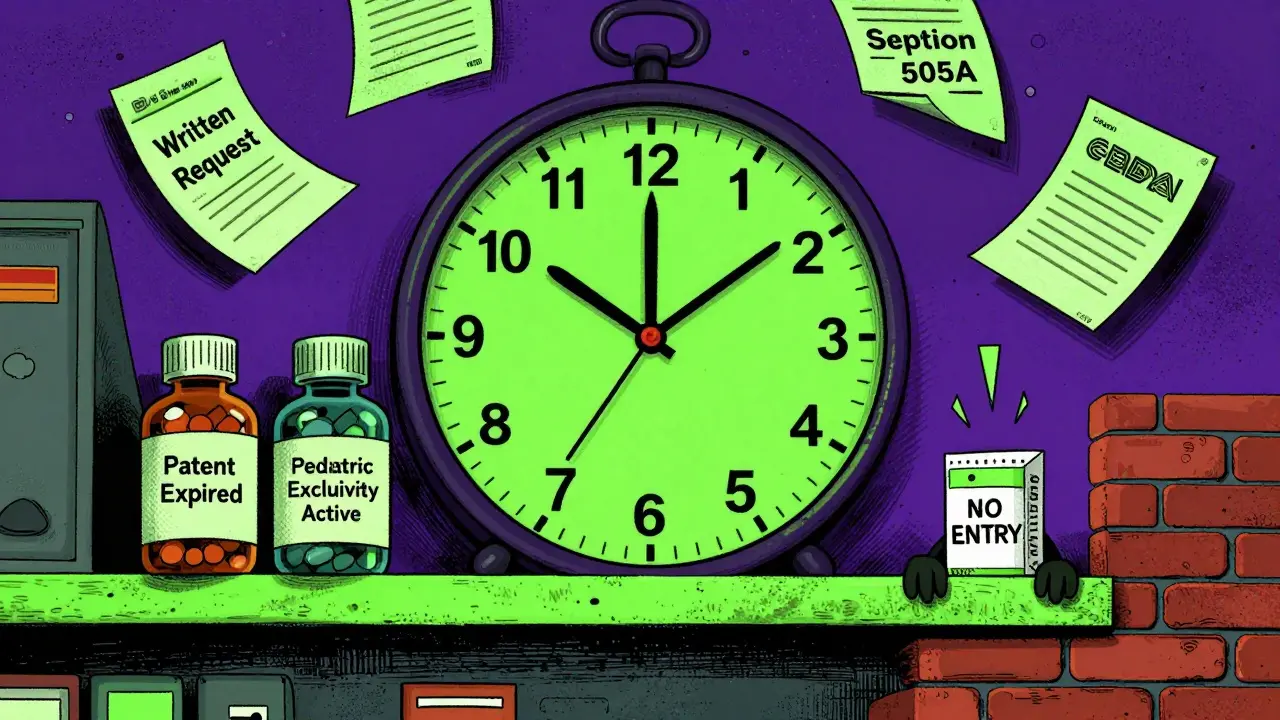
Pediatric Exclusivity: How the FDA Extends Market Protection Without Changing Patent Dates
Pediatric exclusivity gives drugmakers six extra months of market protection after completing pediatric studies, even if their patent has expired. It doesn't extend the patent-it blocks generics from being approved by the FDA. This rule has shaped how drugs reach children and how generics enter the market.

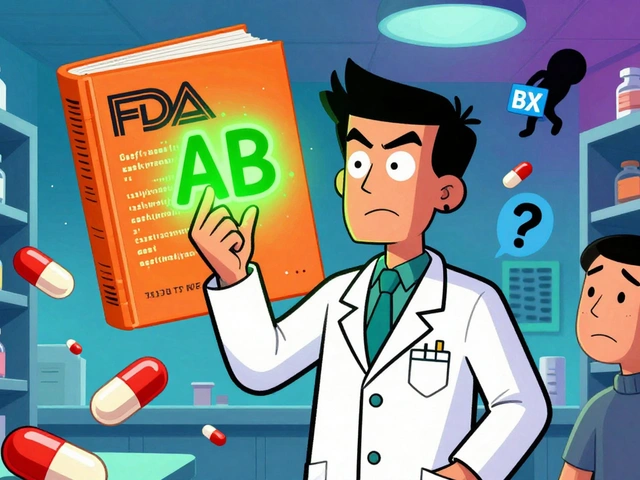
Therapeutic Equivalence Codes: How the FDA Determines Which Generic Drugs Can Be Substituted
The FDA uses therapeutic equivalence codes to determine which generic drugs can be safely substituted for brand-name medications. Learn how the A and B codes work, why some generics aren't interchangeable, and how this system saves billions in healthcare costs.