Generic Medications: What They Are, How They Work, and When to Choose Them
When you hear generic medications, pharmaceutical products that contain the same active ingredients as brand-name drugs but are sold under their chemical names. Also known as generic drugs, they are approved by the FDA to work the same way, in the same amount, and with the same safety profile as their brand-name counterparts. The big question isn’t whether they work—it’s why so many people still hesitate to use them. The answer isn’t science. It’s marketing, confusion, and old habits.
Most brand name drugs, medications originally developed and marketed by pharmaceutical companies under a proprietary name. Also known as innovator drugs, they are protected by patents that prevent others from making copies for a set time. Once that patent expires, other companies can make the same drug. But here’s the catch: the FDA doesn’t require them to run new clinical trials. They just need to prove their version delivers the same amount of active ingredient into your bloodstream at the same rate. That’s it. No extra steps. No hidden tricks. If your blood pressure drops with the brand, it’ll drop the same way with the generic. Same for cholesterol, diabetes, or depression meds.
Some people worry about differences in fillers or coatings. Sure, generics use different inactive ingredients—but those don’t affect how the drug works. They just change the pill’s color, shape, or how fast it dissolves. If you’re allergic to a dye or lactose, check the label. But if you’re just worried about effectiveness, that’s not a real concern. A 2018 analysis of over 100 studies found no meaningful difference in outcomes between generics and brand names for heart disease, epilepsy, and psychiatric conditions.
Then there’s the cost. A brand-name statin might cost $200 a month. The generic? $4. That’s not a small difference. It’s the difference between taking your medicine and skipping doses because you can’t afford it. For people managing chronic conditions, switching to generics isn’t a compromise—it’s a lifeline. Even Medicare Part D plans push generics because they know the savings help people stay on track.
But it’s not always that simple. Some drugs, like thyroid meds or blood thinners, need ultra-consistent dosing. That’s why some doctors recommend sticking with one brand—even if it’s more expensive. It’s not because generics don’t work. It’s because tiny variations in absorption matter more in these cases. But even then, switching between generics from different manufacturers is usually fine. The issue is switching back and forth between brand and generic too often.
What you’ll find in these articles isn’t just theory. You’ll see real comparisons: how FDA approval, the process by which the U.S. Food and Drug Administration evaluates whether a drug is safe and effective for public use. Also known as drug approval, it ensures both brand and generic versions meet the same high standards. works for generics, why drug equivalence, the scientific proof that two medications produce the same therapeutic effect in the body. Also known as bioequivalence, it’s the core requirement for any generic to enter the market. is proven, and when staying on brand actually makes sense. You’ll learn how to read labels to spot generics, how to talk to your pharmacist about switching, and why some insurance plans force you to try generics first.
There’s no magic here. Just facts. And money. And better health outcomes for people who can afford to take their meds. If you’ve ever wondered if generics are safe, effective, or worth the switch—this collection answers it, plainly and directly. No fluff. No hype. Just what you need to know to make smart choices for your body and your budget.
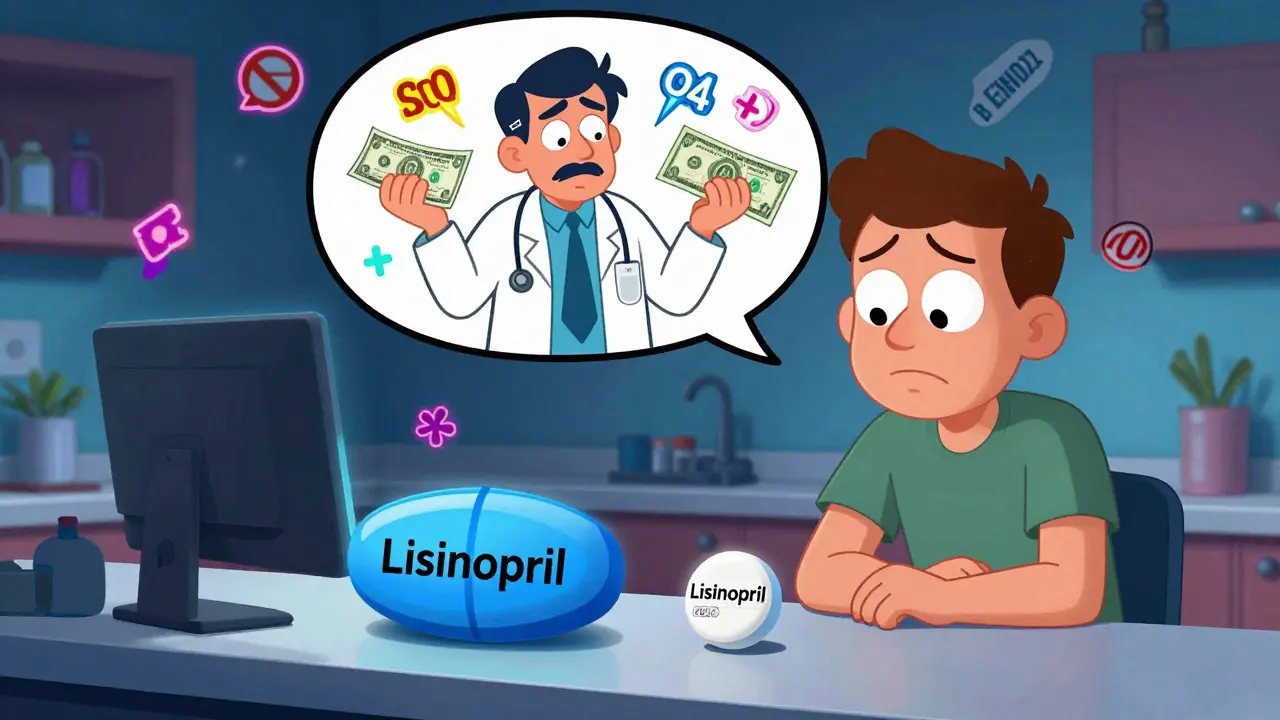
Why Doctors Recommend Generic Medications - And Why Patients Still Hesitate
Doctors overwhelmingly recommend generic medications because they're just as effective and save patients up to 90% on costs. Yet many still hesitate to use them. Here's why science and perception are at odds - and what you can do about it.
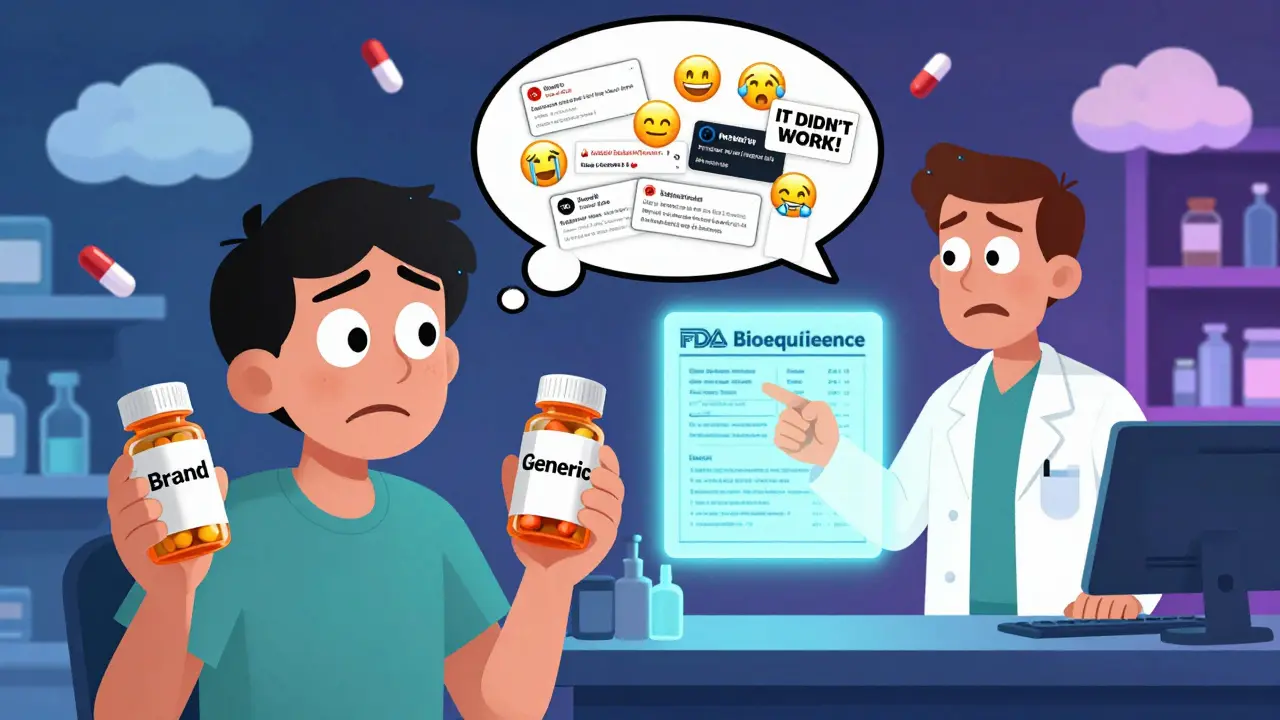
Online Reviews: How Patient Experiences Shape Trust in Generic Medications
Online reviews shape how patients view generic medications, even when science says they're just as effective. Learn why people doubt generics, how perceptions affect health outcomes, and what really matters when choosing between brand and generic drugs.
Pharmacy Counseling Online: How to Get Professional Advice on Generic Medications
Learn how to get professional, safe advice on generic medications through online pharmacy counseling. Discover which services offer the best pricing, 24/7 pharmacist support, and transparent pricing-without insurance.