Food-Drug Interactions: What You Need to Know Before You Eat
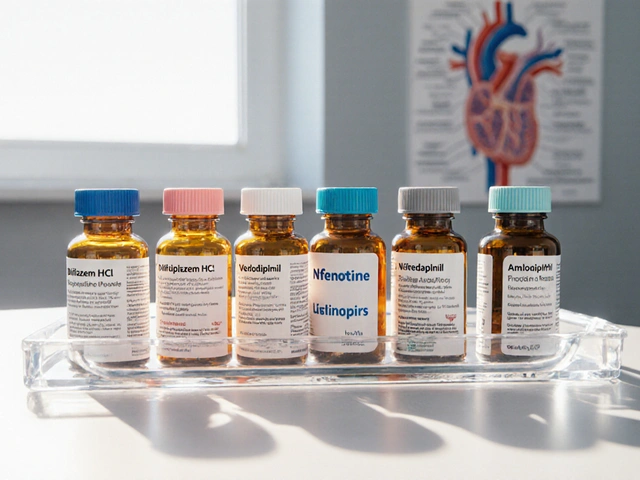
When you take a pill, it doesn’t just work in a vacuum. Your body processes it alongside everything else you’ve eaten or drunk—food-drug interactions, the way certain foods, drinks, or supplements change how a medication is absorbed, broken down, or eliminated by your body. Also known as dietary interactions, these aren’t just theoretical risks—they’re behind many avoidable hospital visits and medication failures. A grapefruit can turn a normal dose of blood pressure medicine into a dangerous overdose. A glass of wine can make your painkiller turn your stomach upside down. Even something as simple as a banana or a spinach salad can mess with your heart meds if you’re not careful.
These interactions happen because your liver and gut don’t treat meds like magic bullets. They see them as just another chemical to process—alongside caffeine, alcohol, calcium, vitamin K, or even fiber. That’s why drug interactions, the broader category that includes food, other drugs, and supplements affecting medication behavior are so tricky. You might think you’re doing everything right—taking your pills on time, skipping alcohol—but still miss that your daily orange juice is blocking your thyroid med. Or that your daily fish oil is making your blood thinner too strong. And don’t forget dietary supplements, products like St. John’s wort, calcium, or magnesium that can interfere with prescriptions even if labeled "natural". These aren’t harmless extras—they’re active chemicals that can change how your body handles medicine.
The good news? Most of these risks are easy to avoid once you know what to look for. You don’t need a pharmacy degree. You just need to know which foods and supplements are most likely to cause trouble with your specific meds. That’s why so many of the articles here focus on real-world tools—like using FDA and WebMD interaction checkers, reading prescription labels carefully, and spotting hidden risks in everyday meals. Whether you’re managing high blood pressure, depression, diabetes, or just taking a daily vitamin, the way you eat can make your meds work better—or stop them from working at all. Below, you’ll find practical guides that cut through the noise. No fluff. No guesswork. Just clear, tested advice on what to eat, what to skip, and how to keep your treatment on track.
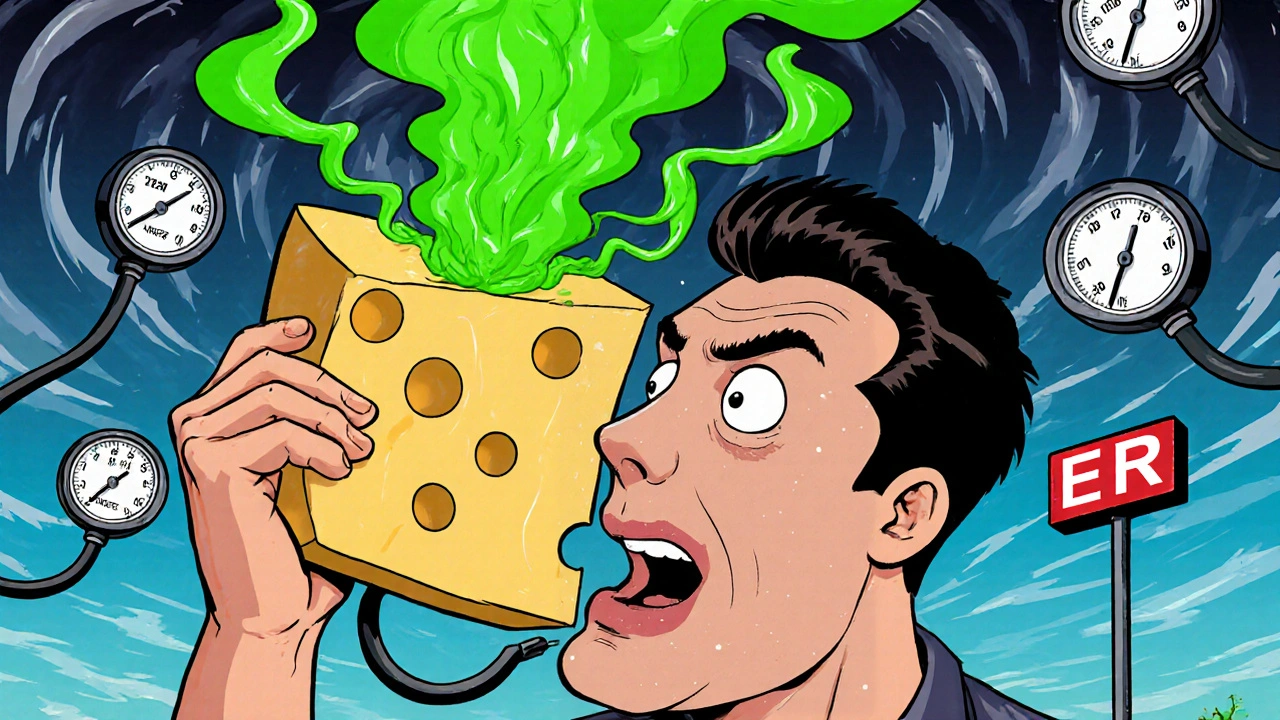
Aged Cheeses and Processed Meats: Dangerous Interactions with MAOI Medications
Aged cheeses and processed meats contain tyramine, which can cause life-threatening blood pressure spikes in people taking MAOI antidepressants. Learn which foods to avoid, safe alternatives, and how to manage this dangerous interaction.