Adverse Drug Reactions: What They Are, Why They Happen, and How to Avoid Them
When you take a medicine, you expect it to help—not hurt. But adverse drug reactions, unintended and harmful responses to medications at normal doses. Also known as drug side effects, they range from mild rashes to life-threatening collapses in blood pressure or liver failure. These aren’t rare accidents. Millions of people experience them every year, and many are preventable.
Adverse drug reactions often happen because of drug interactions, when two or more medicines, supplements, or foods change how a drug works in your body. For example, taking antacids with antibiotics like doxycycline can slash absorption by 90%. Or eating aged cheese while on an MAOI antidepressant can trigger a deadly spike in blood pressure. Even something as simple as dairy blocking antibiotic absorption can turn a treatment into a waste of time—and risk antibiotic resistance. These aren’t theoretical risks. They’re documented, measurable, and show up in real-world pharmacy data.
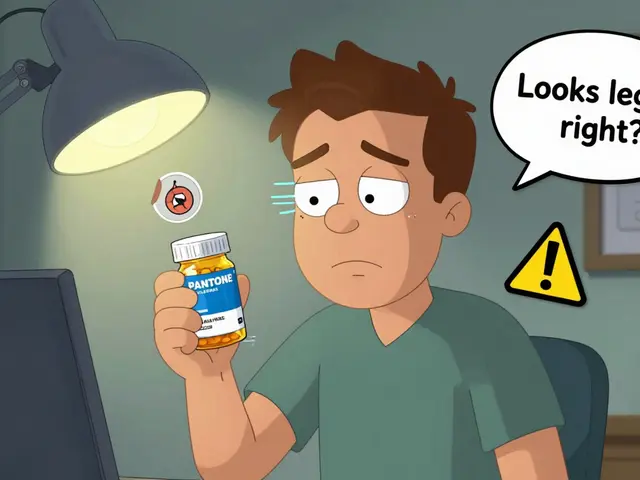
It’s not just about mixing pills. Your body’s chemistry, age, liver function, and even how you store your meds matter. Generic drugs might be cheaper, but if they’re not stored properly or have degraded over time, they can behave differently than expected. And supplements? Many people think they’re harmless, but St. John’s wort, vitamin E, and ginkgo can interfere with blood thinners, birth control, and even HIV meds. These aren’t edge cases—they’re common mistakes that pharmacists see every day.
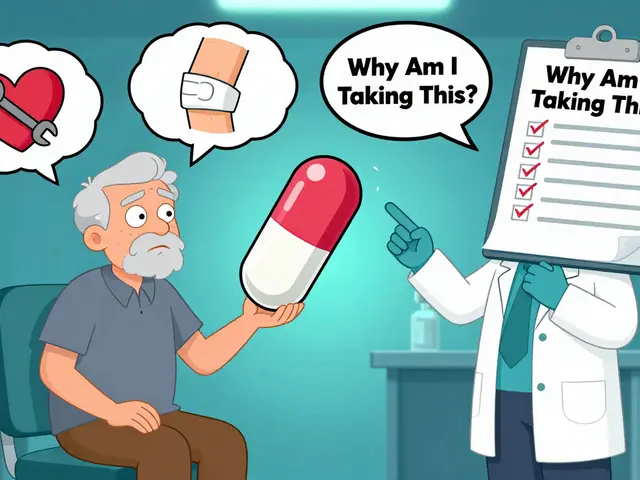
What makes this worse is that most people don’t know how to read their own medication guides. They skip the fine print about overdose warnings, antidotes, or timing instructions. That’s how a simple mistake—like taking fiber with a pill too close together—turns into a missed dose or a dangerous drop in drug levels. And when you’re on multiple meds, like for diabetes, high blood pressure, and depression, the chances of a hidden interaction grow fast.
That’s why medication safety, the practice of using drugs in ways that minimize harm and maximize benefit. isn’t just a buzzword. It’s a daily habit. It means asking your pharmacist about timing, checking labels for interactions, using blister packs to avoid double-dosing, and keeping a go-bag ready for emergencies. It means knowing that beta-blockers can hide fatigue signals during exercise, or that seizure meds can affect birth control and pregnancy outcomes.
Adverse drug reactions aren’t random. They’re predictable—and preventable—if you know what to look for. The articles below give you real, practical tools: how to spot dangerous combos, how to time your pills right, how to read labels like a pro, and when to stick with brand-name drugs instead of switching to generics. You won’t find fluff here. Just clear, direct advice from real cases—so you can take your meds with confidence, not fear.
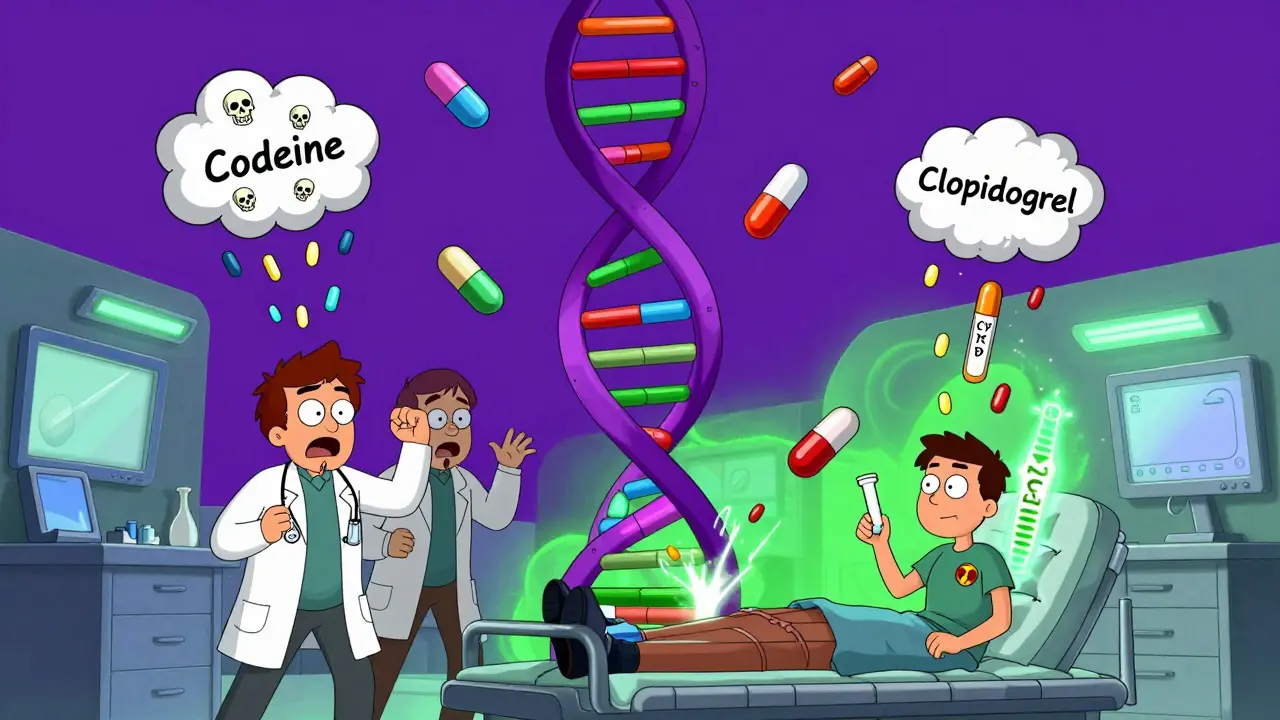
Preventing Adverse Drug Reactions with Pharmacogenetic Testing
Pharmacogenetic testing can prevent up to 30% of serious adverse drug reactions by using your genes to guide safer prescribing. Learn how it works, which drugs it affects, and why it’s becoming standard care.
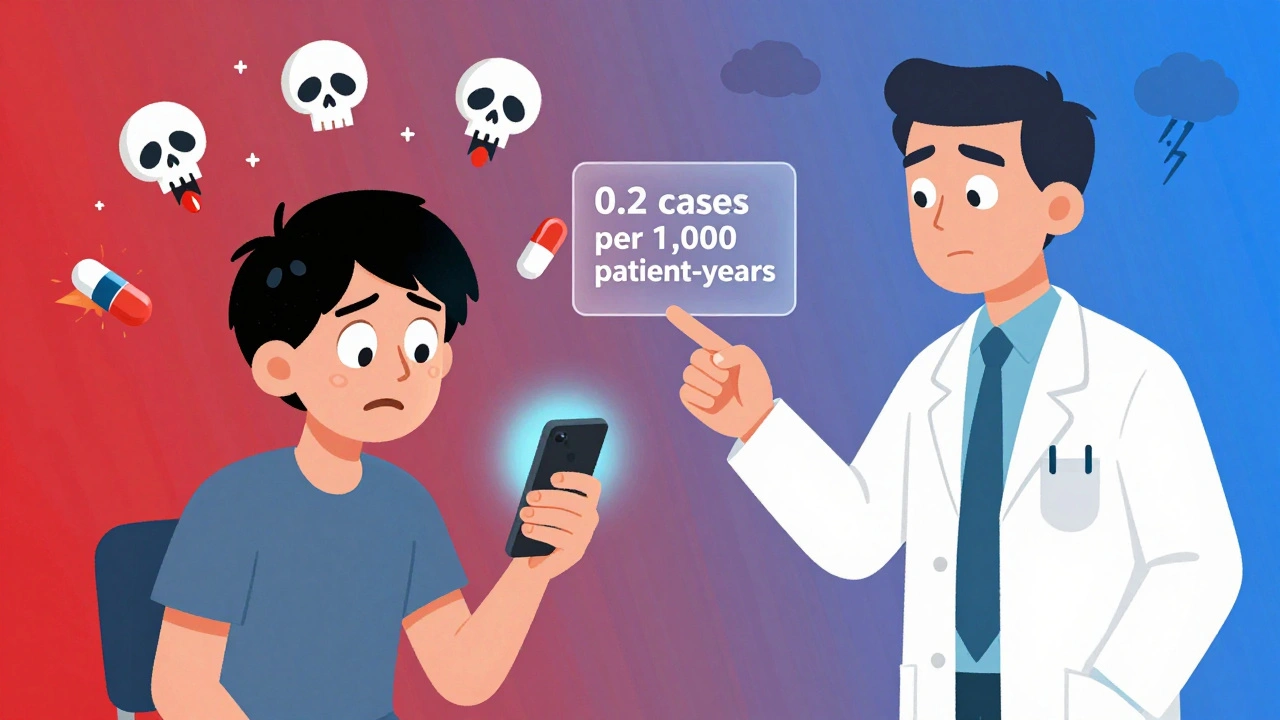
How to Interpret Risk vs. Benefit in FDA Safety Announcements
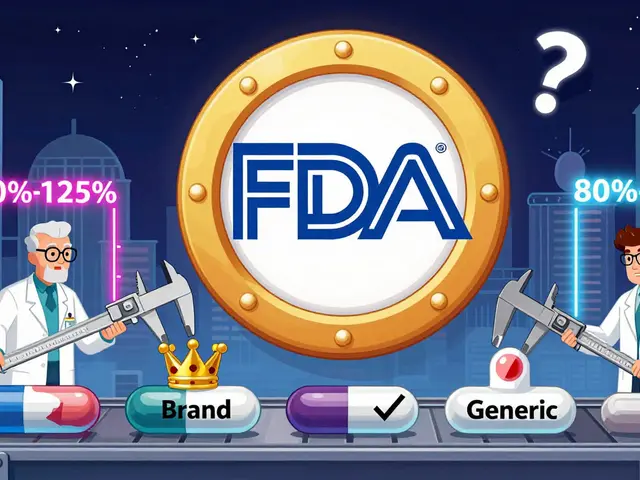
Learn how to read FDA safety announcements without panicking. Understand the difference between potential signals and confirmed risks, and how to weigh the real benefits against real dangers of your medication.