Pediatric Dosing Precision Checker
Dose Accuracy Simulator
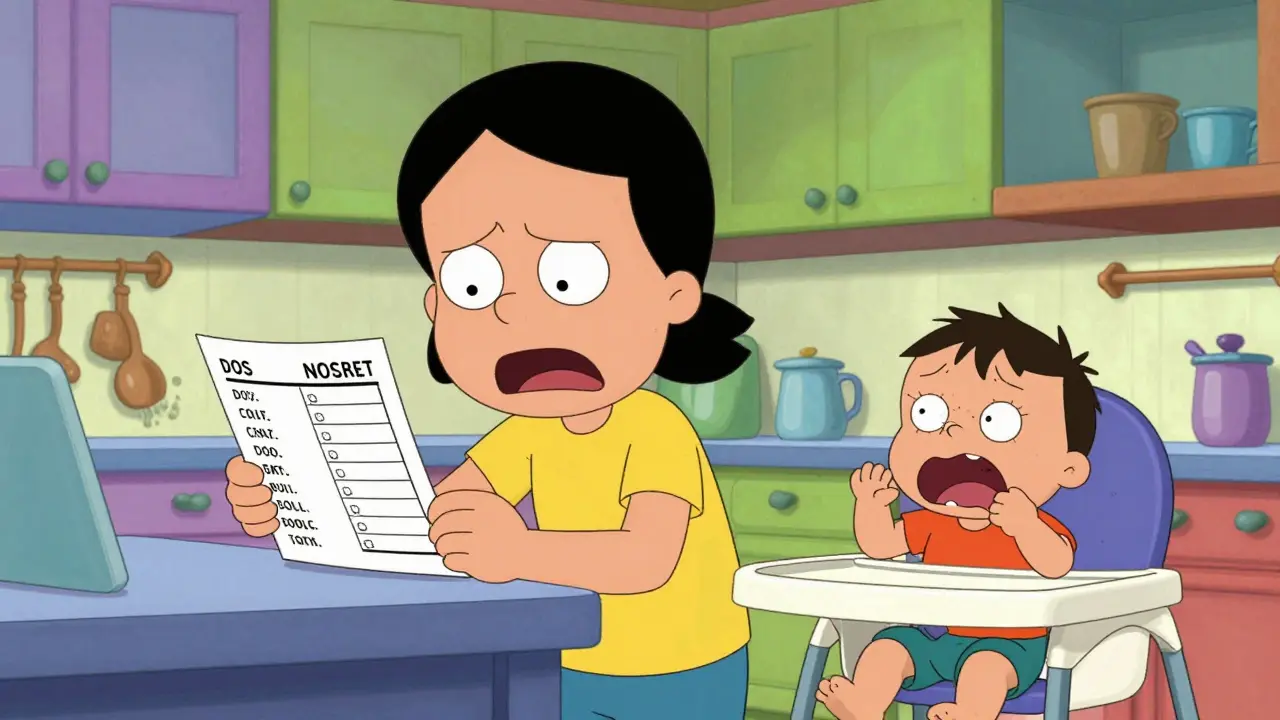
Giving a child medicine can be stressful, especially when you're staring at a confusing chart while a toddler is having a meltdown. But a simple mistake in measurement can lead to a dangerous situation. In 2022 alone, over 21,000 cases of antihistamine exposure in children under 6 were reported to the National Poison Data System. Whether it's a confusion between milliliters and teaspoons or using the wrong formula, these errors can lead to serious issues like respiratory distress or cardiac arrhythmias.
The goal here isn't to make you panic, but to give you a clear, practical system for getting the dose right every single time. Most errors happen because of a few common pitfalls that are actually very easy to avoid if you know what to look for.
The Danger of the "Kitchen Spoon"
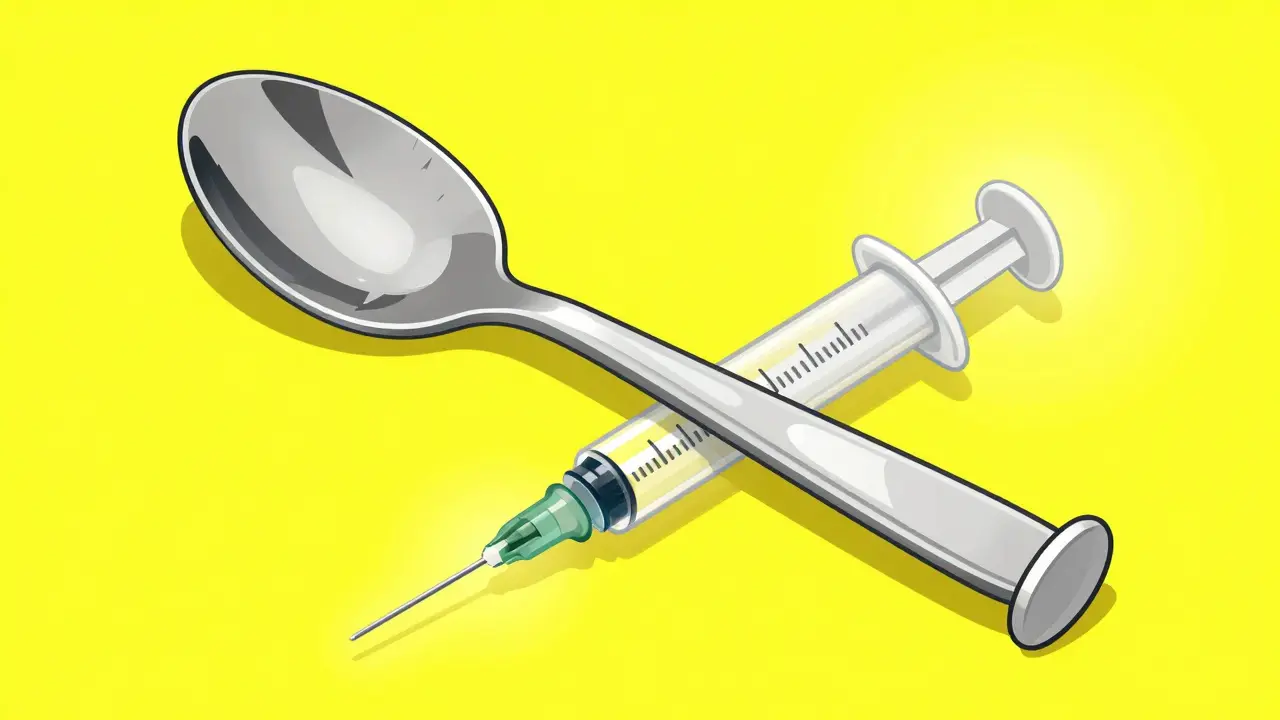
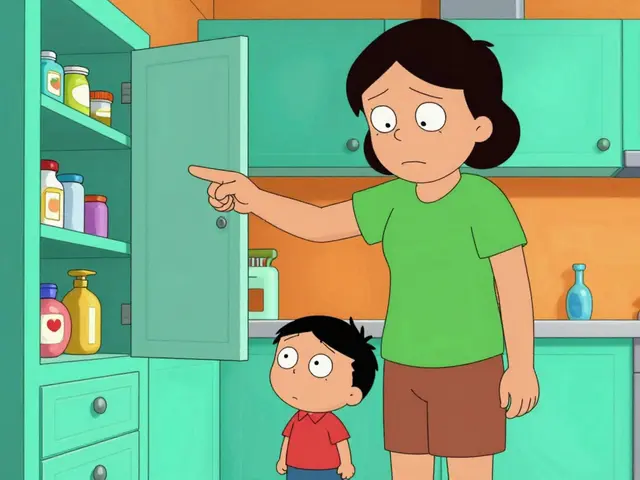
If you're still using a spoon from your silverware drawer to dose your child, stop immediately. It sounds harmless, but it's one of the biggest risks in pediatric care. pediatric antihistamine dosing is a precise science, and household spoons are not precise tools. Research shows that kitchen teaspoons can vary from 2.5mL to 7.5mL. That means you could accidentally give your child 300% more medicine than they actually need.
Since 2011, the FDA has required all liquid pediatric meds to come with an oral syringe or a dosing cup. These are the only tools you should use. A study published in the CDC's Morbidity and Mortality Weekly Report found that using a proper syringe reduces dosing errors by 62%. If you've lost the syringe that came with the bottle, don't wing it-go to your pharmacy and ask for a replacement oral syringe marked in milliliters (mL).
First-Generation vs. Second-Generation Antihistamines
Not all allergy meds are created equal. You'll generally see two types: first-generation and second-generation. Understanding the difference is key to preventing side effects.
Diphenhydramine is a first-generation antihistamine (commonly known as Benadryl) used for acute allergic reactions. While it works fast, it has a "narrow therapeutic index." In plain English, this means the gap between a dose that helps and a dose that is toxic is very small. Because of this, it accounts for 83% of antihistamine-related emergency room visits in children.
On the other hand, Loratadine (Claritin) and Cetirizine (Zyrtec) are second-generation antihistamines. These were developed specifically to reduce the sedative "drowsy" effects and provide a wider safety margin. For example, Cetirizine has a much larger therapeutic index, making it significantly safer if a small measurement error occurs.
| Feature | Diphenhydramine (1st Gen) | Loratadine/Cetirizine (2nd Gen) |
|---|---|---|
| Primary Use | Acute reactions, hives | Daily allergy management |
| Safety Margin | Narrow (Higher risk) | Wide (Lower risk) |
| Common Side Effect | Strong sedation/drowsiness | Minimal sedation |
| Dosing Frequency | Every 4-6 hours | Usually once daily |
Common Pitfalls and How to Avoid Them
Many parents find themselves confused by the instructions on the back of the box. Here are the most common mistakes and the professional way to handle them:
- Weight vs. Age: Many charts list doses by age, but weight is a much more accurate measure. A 22lb 18-month-old might be in a different weight bracket than a typical 2-year-old. Always prioritize weight-based dosing over age-based dosing.
- Concentration Confusion: Not all "Children's" versions are the same. For example, Children's Loratadine is typically 5mg/5mL. If you use a measuring device from a different medication with a different concentration, you will either underdose or overdose your child.
- The "Spit-Out" Reflex: It's common for kids to spit out their medicine. The instinct is to give another full dose. However, if they spat out half, you only need to replace that half. Re-dosing the full amount can lead to accidental overdose.
- Adult vs. Child Formula: This is a critical error often made by grandparents. Adult formulations are significantly stronger. An adult dose of diphenhydramine can be 50mg, while a child's dose might be under 10mg. Never use an adult bottle for a child.
Step-by-Step Guide to Safe Administration
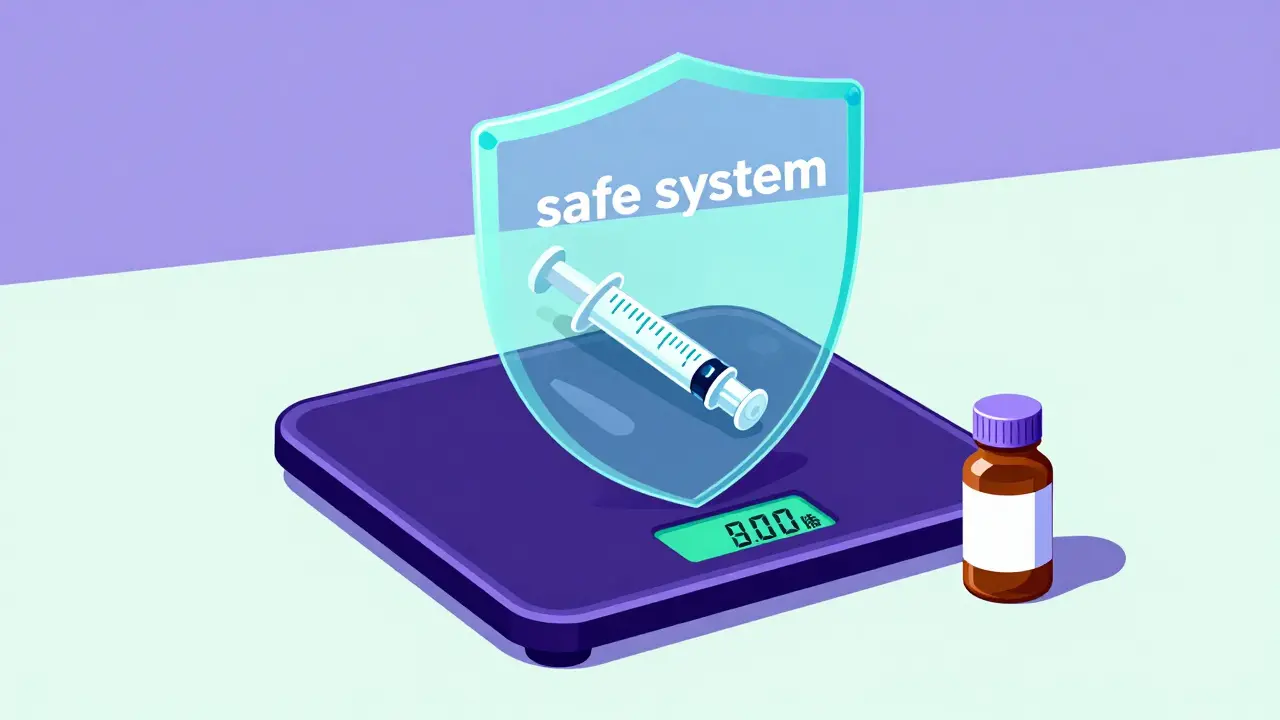
- Verify the Weight: Weigh your child on a digital scale right before dosing to ensure you are using the correct bracket on the chart.
- Check the Concentration: Read the bottle to see how many milligrams (mg) are in each milliliter (mL). For example, "12.5mg per 5mL."
- Use a Metric Syringe: Draw the liquid up to the exact milliliter line. Ignore "teaspoon" or "tablespoon" markings if they are available; stick to mL.
- Positioning: Place the syringe toward the inside of the cheek to reduce the chance of the child spitting it out or choking.
- Double-Check: If you are unsure, use a tool like the Poison Control app or call your pharmacist. A quick 2-minute check is better than a 48-hour hospital stay.
When to Seek Immediate Help
Even with the best precautions, mistakes happen. You need to know the warning signs of an antihistamine overdose in children. Because first-generation meds like diphenhydramine affect the central nervous system, keep an eye out for:
- Extreme drowsiness or inability to wake up.
- Rapid or irregular heartbeat (cardiac arrhythmias).
- Difficulty breathing or shallow breaths.
- Seizures or unusual muscle twitching.
- Extreme agitation or hallucinations.
If you suspect an overdose, don't wait for symptoms to worsen. Contact the Poison Control Center immediately. They provide instant, expert guidance that can prevent a trip to the emergency room.
Can I use a regular kitchen spoon if I don't have a syringe?
No. Kitchen spoons are not standardized measuring devices. Some hold 2.5mL while others hold up to 7.5mL. Using one can lead to a dosing error of 200% or more. Always use a proper oral syringe or dosing cup marked in milliliters.
Is Benadryl safe for children under 2?
The FDA and the American Academy of Pediatrics (AAP) strongly recommend against using first-generation antihistamines like diphenhydramine (Benadryl) for routine allergy management in children under 2 years old due to the higher risk of adverse effects and sedation.
What is the difference between a 1st and 2nd generation antihistamine?
First-generation meds (like diphenhydramine) cross the blood-brain barrier easily, causing sedation and a higher risk of toxicity. Second-generation meds (like loratadine or cetirizine) are designed to be non-drowsy and have a much wider safety margin (therapeutic index), making them safer for long-term use.
Should I dose by my child's age or weight?
Weight is always the more accurate measure. Children of the same age can vary significantly in weight, and medication doses are calculated based on how much drug the body can process per kilogram. Always use the weight-based chart if available.
What should I do if my child spits out their medicine?
Do not give a full second dose. Estimate how much was actually swallowed and only replace the missing portion. Giving a full second dose can lead to an accidental overdose, especially with medications that have a narrow safety margin.


Timothy Burroughs
April 10, 2026 AT 21:46imagine actually using a spoon in 2024 lol some people really cant follow basic instructions and then wonder why their kids end up in the er its just common sense really
Srikanth Makineni
April 11, 2026 AT 16:26Weight based is the only way to go
Toby Sirois
April 13, 2026 AT 07:39Everyone knows that weight-based dosing is the only real way to do this, but most parents are too lazy to actually weigh their kids. I've seen so many people just guess based on the box and it's honestly pathetic. You can't just trust a generic age chart because kids grow at different rates and the math doesn't lie. If you can't be bothered to use a digital scale, you're basically gambling with your child's health. It's simple science. Most people just want the easy way out instead of doing it right. Just use the syringe and check the mg per mL, it's not rocket science. Why is this even a struggle for people? It's a basic requirement of being a parent to read the label. Seriously, stop guessing and start measuring.
Dhriti Chhabra
April 14, 2026 AT 11:34It is truly commendable that such important safety information is being shared. Ensuring the well-being of children requires utmost precision and care, and providing these guidelines can certainly prevent unfortunate accidents in many households.
Sarabjeet Singh
April 15, 2026 AT 07:25Keep focusing on the safety tips everyone! Using the right tools makes a huge difference in the long run.
Alexander Idle
April 15, 2026 AT 21:52Oh my god, the drama of a toddler meltdown during medicine time is literally the worst thing ever. I can't even imagine the stress of trying to read a tiny chart while a tiny human is screaming in your face. It's practically a battlefield in the kitchen! But seriously, the part about the 'spit-out' reflex is so real. I've definitely felt the panic of wondering if they swallowed enough or if I'm about to overdose them by giving it again. It's a total nightmare scenario!
charles mcbride
April 17, 2026 AT 02:12I appreciate the clarity of these instructions. It's wonderful to see a guide that simplifies the process for everyone while keeping safety as the top priority.