Traditional Generics: What They Are, When They Work, and When They Don’t
When you hear traditional generics, copycat versions of brand-name drugs approved by the FDA after patents expire. Also known as generic drugs, they’re meant to save you money without cutting corners on safety or effectiveness. But here’s the thing — not all generics are the same. Some work just like the brand name. Others? They might make you feel off, even if the active ingredient matches. Why? Because generics don’t have to be identical in every way — just close enough to be considered bioequivalent.
That’s where FDA approval, the process that ensures a generic drug performs the same way in your body as the original comes in. The FDA doesn’t require generics to have the same inactive ingredients — think fillers, dyes, coatings — and that’s where problems can pop up. For example, someone on traditional generics for epilepsy might have a seizure if the absorption rate shifts even slightly. Or a person with chronic pain might notice their brand-name drugs, the original medications developed by pharmaceutical companies before generics enter the market feel more reliable, even if the science says they’re the same.
It’s not about distrust — it’s about biology. Your body reacts to the whole pill, not just the active part. That’s why some people stick with the brand, even when the generic costs half as much. And it’s why online pharmacy counseling, like the kind covered in our posts, matters so much. A pharmacist can help you spot if a switch is working — or if you need to go back.
What you’ll find below isn’t just a list of articles. It’s a practical guide to navigating the real-world messiness of generics. We cover when switching to a generic medications, lower-cost alternatives to brand-name drugs that contain the same active ingredient is smart, when it’s risky, and how to talk to your pharmacist about it. You’ll read about people who had bad reactions, others who saved hundreds a month, and the hidden rules that control whether a generic gets approved at all. We also dig into why some drugs — like antidepressants or seizure meds — are trickier than others, and what the difference between patent exclusivity and market exclusivity really means for your prescription.
There’s no one-size-fits-all answer. But with the right info, you can make choices that keep you safe, save you money, and stop the guesswork. These posts are your shortcut to understanding what’s really in your pill bottle — and when it’s okay — or not okay — to switch.
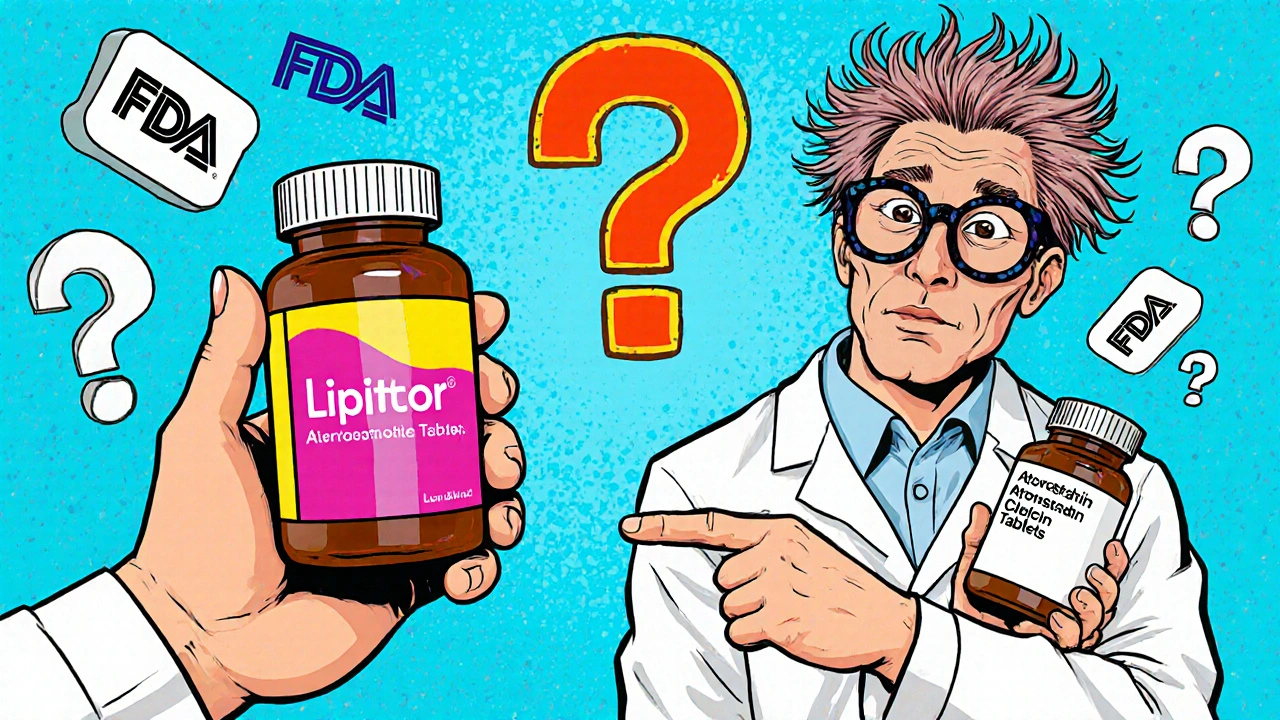
How to Understand Authorized Generics and How They Differ from Traditional Generics
Authorized generics are the exact same drug as brand-name medications, just without the brand label. Learn how they differ from traditional generics in ingredients, cost, insurance coverage, and how to identify them.