Supplement and Medicine Interactions: What You Need to Know Before Mixing Them
When you take a supplement and medicine interaction, a potentially harmful or ineffective combination of a dietary supplement and a prescription or over-the-counter drug. Also known as food-drug interactions, it can turn a safe treatment into a health risk—without you even realizing it. This isn’t theoretical. People mixing vitamin K with blood thinners, calcium with antibiotics, or St. John’s wort with antidepressants end up in the ER every year. And most don’t even tell their doctor they’re taking supplements because they assume they’re harmless.
Supplements aren’t regulated like drugs. That means no one checks if they interfere with your prescriptions. A herbal supplement, a plant-based product used for health purposes, often marketed as natural and safe. Also known as botanicals, it like goldenseal or garlic can thin your blood just like aspirin—so if you’re on warfarin, you’re doubling your risk of bleeding. Or take medication safety, the practice of using drugs correctly to avoid harm, including understanding how substances interact. Also known as drug safety, it —it’s not just about getting the right dose. It’s about timing, food, and what else is in your body. For example, antacids like Tums can block antibiotics like doxycycline by up to 90%, and fiber supplements like Metamucil can stop your thyroid medicine from working if you take them too close together. These aren’t rare edge cases. They’re common, avoidable mistakes.
The problem isn’t the supplements themselves—it’s the lack of awareness. You might think your multivitamin is harmless, but if you’re on a statin, high doses of niacin can raise your risk of liver damage. Or if you’re taking a seizure drug, magnesium supplements can reduce its absorption and trigger breakthrough seizures. Even something as simple as grapefruit juice can wreck the metabolism of dozens of medications, from cholesterol drugs to blood pressure pills. And while your pharmacist knows this stuff, most people don’t ask. They assume the label says everything, or that their doctor would have warned them. But doctors don’t always ask about supplements, and labels rarely list every possible interaction.
What you’ll find in the posts below isn’t a list of scary warnings. It’s a practical guide to what actually matters. You’ll learn how dairy ruins antibiotic absorption, why aged cheese is dangerous with certain antidepressants, and how fiber supplements can quietly sabotage your treatment. You’ll see real examples—like how calcium in milk cuts doxycycline effectiveness by 92%, or why MAOI antidepressants can cause a deadly spike in blood pressure if you eat blue cheese. These aren’t guesses. They’re backed by clinical data, FDA guidelines, and real patient outcomes. You won’t find vague advice like "talk to your doctor." You’ll find exactly what to avoid, when to take things apart, and how to spot the red flags before something goes wrong.
Questions to Ask Before Taking Any Supplement with Medicines
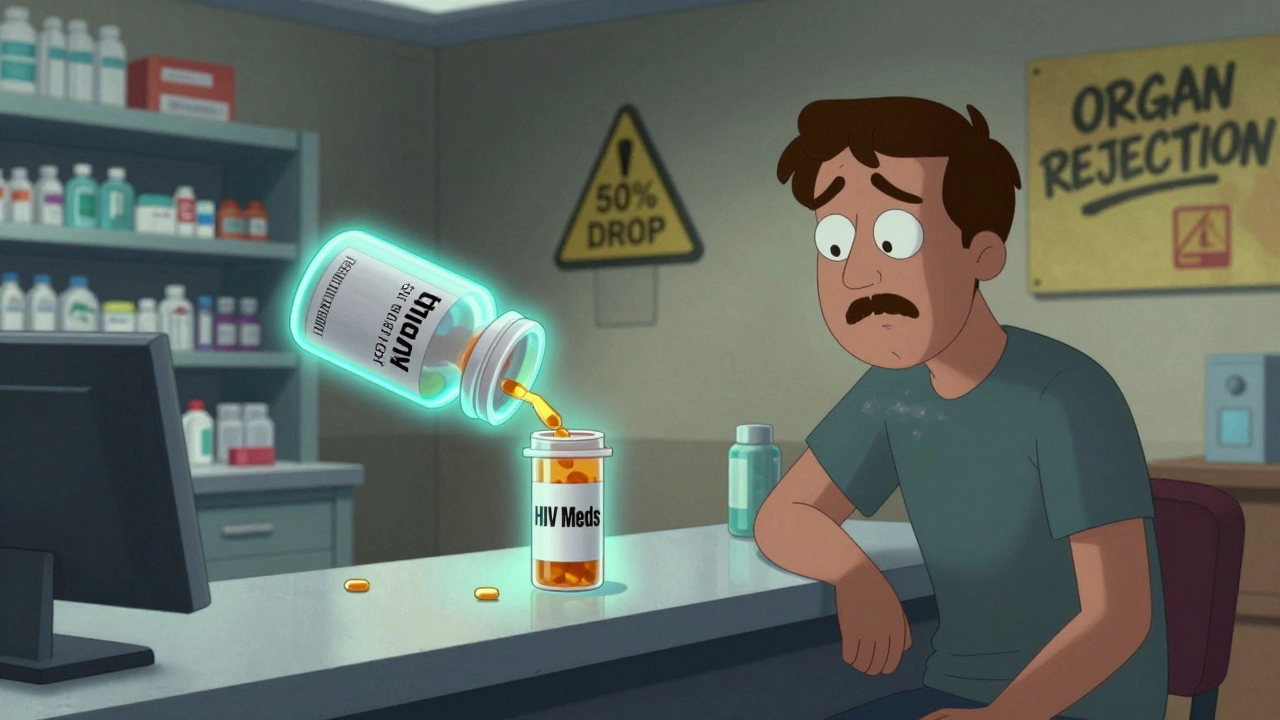
Many people take supplements with their medications without knowing the risks. St. John’s wort, ginkgo, and even vitamin E can interfere with drugs like blood thinners, birth control, and HIV meds. Learn the critical questions to ask before combining any supplement with medicine.