Psyllium: What It Is, How It Works, and Why It Matters for Digestive Health
When you hear psyllium, a natural soluble fiber derived from the seeds of the Plantago ovata plant, commonly used to support bowel regularity and digestive health. Also known as ispaghula, it’s one of the most trusted ingredients in over-the-counter laxatives and heart-healthy supplements. Unlike synthetic fibers, psyllium swells up in water to form a gel that moves smoothly through your gut—no harsh chemicals, no stimulants. It’s not magic, but it’s close.
Psyllium works by absorbing water and adding bulk to stool, which helps your intestines push waste out naturally. This makes it a go-to for people dealing with occasional constipation, but it’s also used to manage diarrhea by thickening loose stools. It’s not just about regularity—studies show it helps lower LDL (bad) cholesterol by binding to bile acids and removing them from the body. Your liver then uses cholesterol to make more bile, which lowers overall levels in your blood. And if you’re watching your blood sugar, psyllium slows down how fast carbs are absorbed, helping keep spikes under control.
People use psyllium in powders, capsules, and even added to breads and cereals. It’s often mixed with water or juice and taken once or twice a day. But here’s the catch: if you don’t drink enough water with it, psyllium can cause bloating or even blockages. It’s simple—drink up, or it won’t work right. You’ll also want to start slow. Jumping into a full tablespoon can lead to gas and discomfort. Most people find 1 teaspoon a day, gradually increased, works best.
Psyllium isn’t a cure-all, but it’s one of the few supplements that actually does what it claims—without side effects that scare people off. It’s been around for decades, trusted by doctors, and backed by real data. You’ll find it referenced in posts about managing IBD with mesalamine, avoiding drug interactions with MAOIs, or even using fiber to ease medication-induced digestive issues. It’s not flashy, but it’s foundational.
Whether you’re trying to get more fiber without pills, support heart health, or just feel better in your gut, psyllium offers a straightforward, science-backed option. Below, you’ll find real stories and practical guides on how people use it safely, when to skip it, and what else to pair it with for the best results. No hype. Just what works.
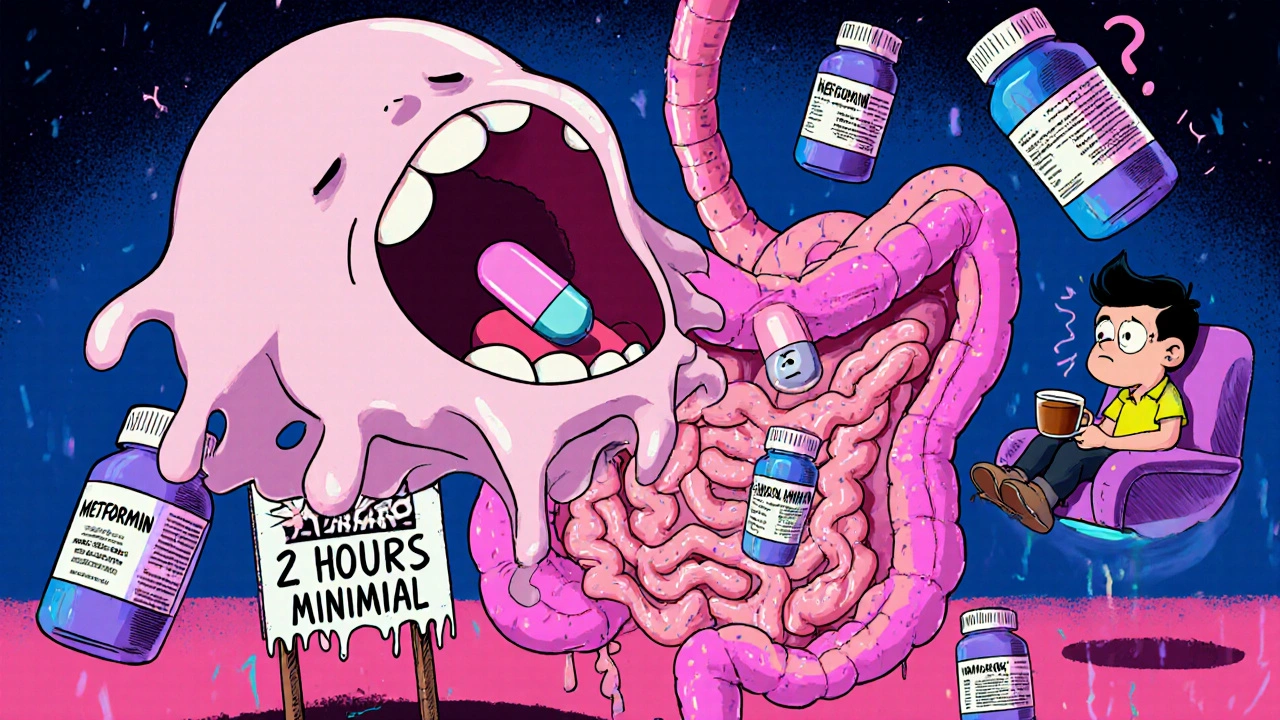
Fiber Supplements and Constipation: When to Take Them With Your Medications
Fiber supplements like psyllium help with constipation but can interfere with medications if taken at the wrong time. Learn the safest timing rules, dosing tips, and what to do if you accidentally mix them.