Prevent Itching: Practical Ways to Stop the Scratch
When you want to prevent itching, stop or lessen that annoying urge to rub skin. Also known as itch relief, it is a common goal for anyone dealing with dry skin, allergies, or skin conditions. prevent itching often starts with understanding what triggers the sensation and then applying the right tools. One of the first tools many turn to is antihistamines, oral or topical drugs that block histamine receptors, which helps calm the nerve signals that tell you to scratch. Another key player is topical steroids, prescription creams that reduce skin inflammation, especially useful for eczema or psoriasis flare‑ups. Finally, moisturizers, emollient lotions that repair the skin barrier keep the skin hydrated so the itch receptors stay quiet. Identifying common triggers—such as harsh soaps, wool fabrics, heat, sweat, or certain foods—lets you dodge the biggest culprits. In some cases, allergy testing pinpoints specific allergens so you can eliminate them entirely. Together these three categories create a solid foundation: prevent itching encompasses antihistamines, includes topical steroids, and relies on moisturizers to protect the barrier.
How to Build an Itch‑Free Routine
Start by swapping irritating products for gentler alternatives; fragrance‑free cleansers and cotton clothing reduce surface irritation. After a shower, apply a thin layer of moisturizer while the skin is still damp; this locks in moisture and strengthens the barrier within minutes. If the itch persists, an over‑the‑counter antihistamine taken as directed can break the itch‑scratch cycle, but be aware that some formulations cause drowsiness, so bedtime dosing often works best. For chronic flare‑ups, a doctor may prescribe a low‑potency topical steroid; use it strictly for the recommended short course to avoid thinning the skin. Keeping nails short limits damage if a sudden itch breakthrough occurs, and a cool compress on the affected area can provide immediate, temporary relief by numbing nerve endings. Lifestyle tweaks also matter: a humidifier during dry winter months, drinking plenty of water, and short mindfulness breaks lower stress, which is a hidden itch amplifier. By combining trigger avoidance, barrier repair, and targeted medication, you create a multi‑layered approach that not only stops the current itch but also reduces the chance of future flare‑ups.
Below you’ll find a curated set of articles that dive deeper into each of these methods, compare specific antihistamines, review the latest steroid formulas, and share expert tips on choosing the right moisturizer for your skin type. Explore the collection to see which solution fits your situation and start feeling relief today.
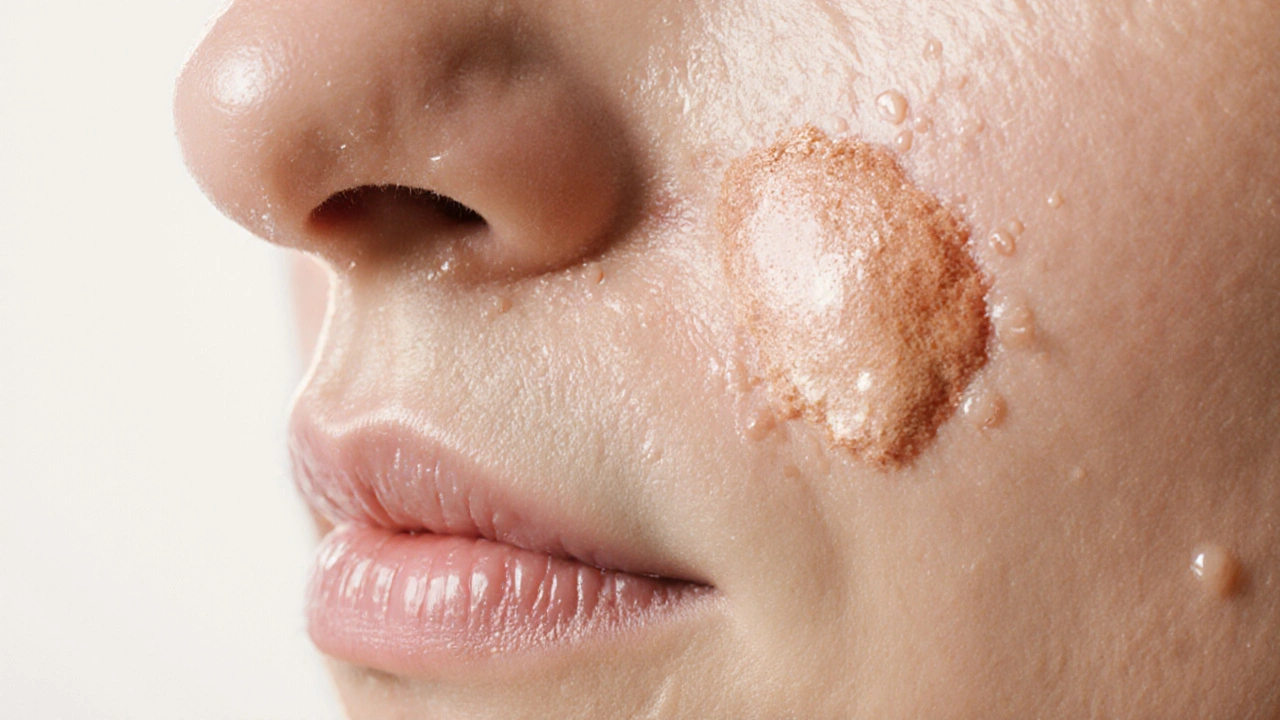
Why Regular Skin Exfoliation Stops Itching - Essential Guide
Learn why regular skin exfoliation prevents itching, how often to do it, which methods suit different skin types, and ways to avoid irritation for smoother, itch‑free skin.