Pregnancy: Your Guide to Medication Safety and Health Basics
When navigating Pregnancy, the condition of carrying a developing fetus. Also known as gestation, it demands careful attention to what you take and how your body reacts.
One of the biggest challenges during pregnancy is managing antiretroviral therapy, medication used to control HIV infection safely. Expectant mothers on these drugs need regular lab checks and dose adjustments to protect both baby and mom. Likewise, families with a history of autism, a neurodevelopmental condition affecting communication and behavior often wonder how prenatal factors influence outcomes. While genetics play a role, maternal health, stress levels, and nutrition also matter.
Eye health is another area that shouldn’t be overlooked. Conditions like postoperative eye inflammation eye inflammation, redness and pain after eye surgery can arise in pregnancy due to hormonal shifts. Spotting early signs—pain, swelling, vision changes—lets you get prompt care and avoid lasting damage. Likewise, digestive health, how well your gut absorbs nutrients is critical because pregnancy boosts nutrient demands. Enzyme deficiencies or gut upset can lead to malabsorption, which means less iron, folate, and other essentials for fetal growth.
Key Health Areas to Watch
First, medication safety is a juggling act. Apart from antiretrovirals, many common drugs—like antihistamines, pain relievers, and mood stabilizers—need dosage tweaks. The rule of thumb: always check with your provider before starting or stopping any pill. Second, mental health matters. Anxiety can worsen breathing patterns, making it feel like you’re short‑of‑breath, which can be mistaken for asthma. Simple breathing exercises and counseling can keep panic at bay and protect both you and the baby.
Third, skin and hair changes often signal hormonal shifts. If you notice excessive itching, consider regular skin exfoliation—this helps keep the barrier strong and reduces discomfort. For hair loss worries, know that options like minoxidil are generally avoided during pregnancy; instead, focus on nutrition and gentle hair care. Fourth, weight management is a delicate balance. Supplements like hoodia or over‑the‑counter appetite suppressants are not recommended; a balanced diet and safe, doctor‑approved exercise plans work best.
Fifth, chronic conditions such as hypertension require close monitoring. Drugs like Diltiazem have pregnancy‑specific guidelines, and switching to safer alternatives may be needed. Similarly, if you have a history of fungal infections like ringworm, keep the skin clean and dry; topical treatments are usually safe but confirm with your clinician.
Sixth, consider the role of pets. Animal companionship can lower stress hormones and even ease tremors in conditions like Parkinson’s. While research is still emerging, many expectant mothers find that a calm pet environment supports emotional wellbeing—just keep hygiene top of mind.
Seventh, eye care after surgery in children is a reminder that pediatric health also intersects with pregnancy planning. Understanding signs of postoperative inflammation helps you support family members who might need care while you’re focusing on your own pregnancy.
Finally, remember that each pregnancy is unique. Some women juggle multiple issues—like HIV, autism in the family, and digestive concerns—all at once. The common thread is informed decision‑making: talk to specialists, track your labs, and stay proactive about symptom changes. Below you’ll find a curated collection of articles that dive deeper into each of these topics, offering practical tips, dosage guides, and safety checklists to help you navigate your journey with confidence.
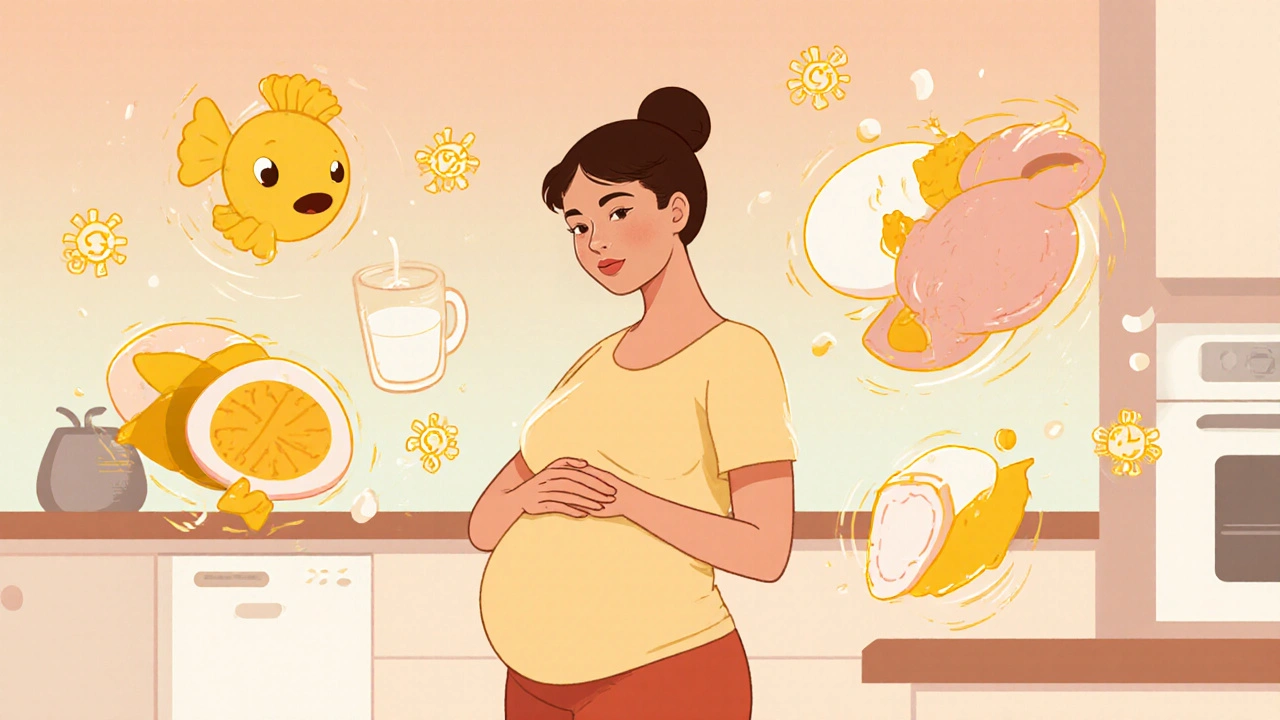
Salmonellosis During Pregnancy: Risks, Symptoms & Safe Treatment
Learn how salmonellosis affects pregnancy, spot symptoms, understand risks to the baby, and get safe treatment and food‑safety tips.
Recent Post
-

GMP for Generics: FDA Requirements for Manufacturing
Dec, 17 2025