Pharmaceutical Safety: What You Need to Know About Drugs, Interactions, and Side Effects
When you take a pill, you’re trusting that it will help—not hurt. That trust is built on pharmaceutical safety, the system of testing, labeling, and monitoring that ensures medicines work as intended without causing harm. Also known as drug safety, it covers everything from how a drug is made to how it reacts with food, other pills, or even your genetics. It’s not just about the brand name or price. It’s about whether that tablet in your hand is truly safe for you right now.
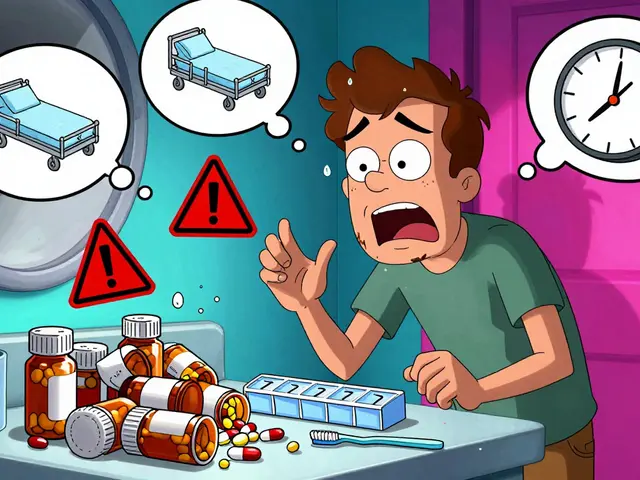
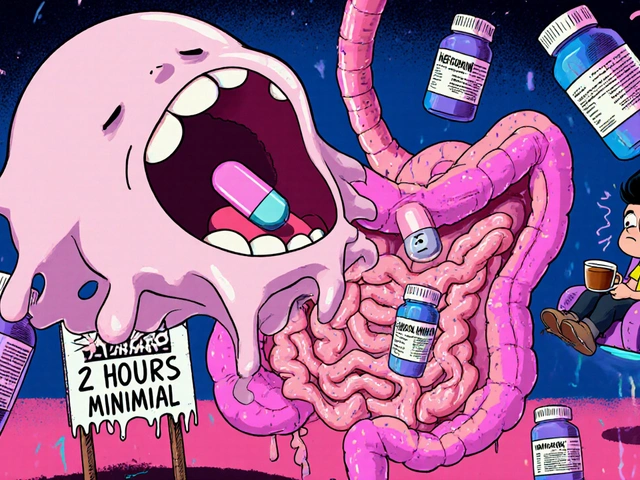
Drug interactions, when one medicine changes how another works in your body, are one of the most common—and preventable—risks. Think of milk blocking your antibiotic, or St. John’s wort canceling out your birth control. These aren’t myths. Studies show some interactions reduce drug effectiveness by up to 92%. Even something as simple as taking an antacid with ciprofloxacin can cut its power by 90%. And it’s not just pills. Supplements, vitamins, and even aged cheese can trigger dangerous spikes in blood pressure if you’re on MAOIs. Medication safety, the daily practice of using drugs correctly to avoid harm means knowing when to take things, what to avoid, and when to ask your pharmacist.
Generic drugs, lower-cost versions of brand-name medicines approved by the FDA as equally safe and effective are a big part of pharmaceutical safety too. Not all generics are the same. Some carry an AB code, meaning they’re interchangeable. Others aren’t. And then there are authorized generics—exact copies of the brand, just without the label. Knowing the difference keeps you from accidentally taking something that won’t work. And it’s not just about cost. It’s about consistency. If your seizure medication or heart drug behaves differently after a switch, that’s not normal. That’s a safety issue.
Stability testing, shelf life, and how drugs are stored aren’t just factory concerns. If your insulin gets too hot or your antibiotics sit in a damp bathroom for months, they can lose power—or turn toxic. That’s why pharmaceutical safety includes how you store and carry your meds, especially during travel or emergencies. Your go-bag should have a 7-day supply, not just a list.
And let’s not forget the people who help you navigate this: pharmacists. Their role in Medication Therapy Management, a service where pharmacists review all your meds to catch risks and improve outcomes is critical. They’re the ones who spot that your blood pressure pill clashes with your new supplement, or that your fiber powder is stopping your thyroid med from absorbing.
Pharmaceutical safety isn’t a one-time check. It’s an ongoing conversation—with your body, your meds, and the people who help you take them. The articles below cover real cases: how dairy ruins antibiotics, why timing your antacids matters, what to keep in your emergency kit, and how to read your label so you don’t miss a warning. These aren’t theoretical risks. They’re everyday situations that change outcomes. You don’t need a medical degree to protect yourself. You just need to know what to look for.

Stability and Shelf Life: How Generic Products Degrade and Why Safety Matters
Stability and shelf life determine whether generic medications remain safe and effective over time. Learn how degradation happens, why storage matters, and what you need to know to protect your health.