Nicotex Alternatives – Find the Right Quit Aid for You
When you look for Nicotex alternatives, other products that can replace Nicotex gum or patches to help you stop smoking. Also known as non‑Nicotex quit aids, they aim to curb cravings and ease withdrawal while you cut the habit. One major class is nicotine replacement therapy (NRT), over‑the‑counter options such as patches, lozenges, gum and inhalers that supply controlled nicotine doses. Another widely used prescription aid is varenicline, a partial nicotine receptor agonist that reduces cravings and blocks the pleasurable effects of smoking, marketed under brand names like Chantix. Bupropion, an atypical antidepressant also sold as Zyban for smoking cessation, works by influencing dopamine and norepinephrine pathways. These entities together form the core of the Nicotex alternatives landscape. Choosing the right one requires matching your smoking pattern, health status, and lifestyle. For example, heavy smokers often prefer a patch for steady nicotine delivery, while intermittent smokers may find gum or lozenges easier to dose on demand. Prescription options like varenicline and bupropion typically suit those who need a stronger neurochemical push to quit and can tolerate the modest side‑effect profile. Understanding dosage schedules, potential side effects, and how each product fits into a quit plan is essential; a well‑chosen alternative can dramatically increase the odds of long‑term abstinence.
Key Factors to Consider When Picking an Alternative
Smoking cessation programs, structured support services that combine counseling, medication guidance and behavioral strategies influence the success of any Nicotex alternative you select. The therapeutic trio—product choice, proper dosing, and behavioral support—creates a synergy that many quit attempts miss. When you start a new NRT patch, the recommended start‑dose usually mirrors the number of cigarettes you smoke daily; dropping the dose gradually helps your body adjust without a rebound in cravings. With varenicline, a typical regimen begins with a low dose for three days, then ramps up to the full dose, a pattern that eases side effects while maintaining efficacy. Bupropion requires a two‑week lead‑in before the quit date to build steady plasma levels. Side‑effect profiles differ: NRT can cause skin irritation (patch) or throat soreness (gums), varenicline may lead to vivid dreams or nausea, and bupropion carries a small risk of seizure in susceptible individuals. Knowing these attributes lets you weigh pros and cons against your health history. Moreover, many users combine a low‑dose NRT with a prescription aid for added support—this combination therapy is a recognized strategy that can boost quit rates. Even emerging alternatives like e‑cigarettes appear in some discussions, but their long‑term safety remains unclear, making FDA‑approved aids a more reliable choice for most users.
Beyond the meds themselves, practical considerations shape your decision. Cost plays a big role; over‑the‑counter NRT can add up over weeks, while insurance often covers prescription options after a doctor’s approval. Accessibility matters too—if you travel frequently, a portable lozenge may be easier than a bulky patch. Your personal motivation style is another clue: visual timers, mobile apps, and quit‑line hotlines all complement the pharmacologic tools. By aligning the right product with your daily routine, health profile, and support network, you give yourself the best shot at staying smoke‑free. Below you’ll find a curated list of articles that dive deeper into each alternative, compare their effectiveness, and share real‑world tips to help you decide which route fits your quit journey.
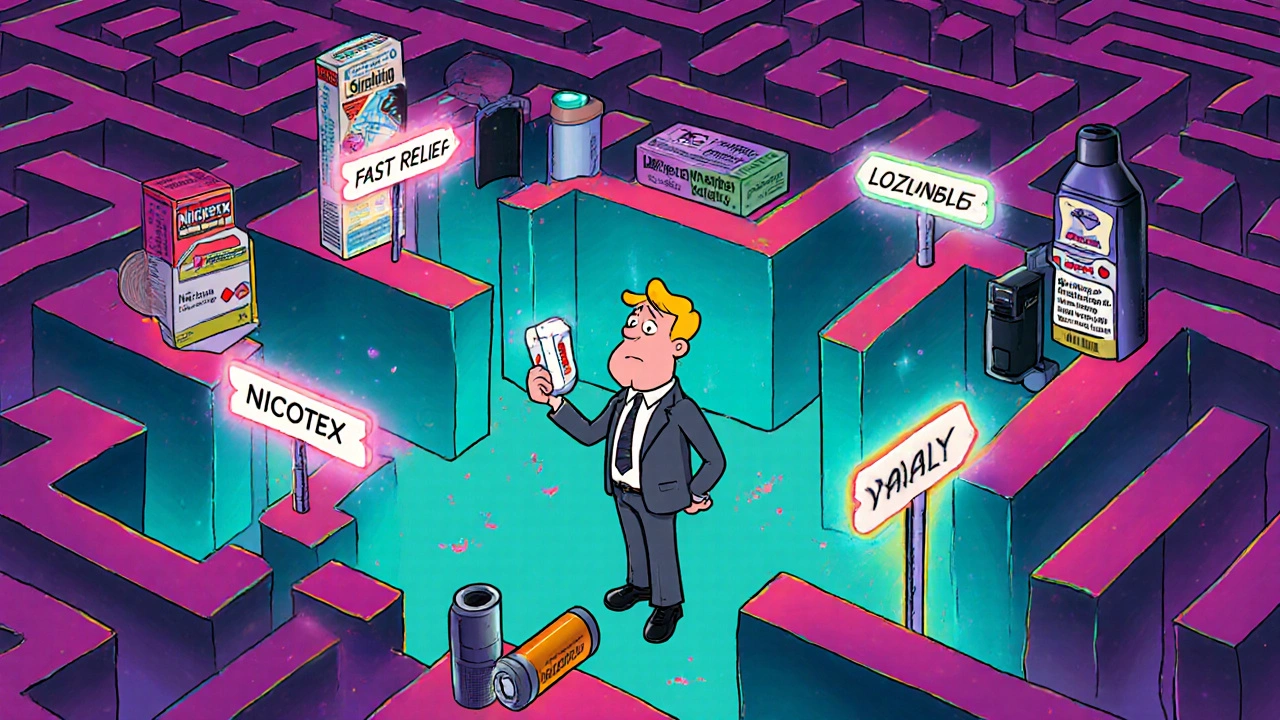
Nicotex vs Other Nicotine Replacement Options: Full Comparison 2025
A detailed 2025 comparison of Nicotex nicotine gum with patches, lozenges, vaping, and prescription aids, covering cost, side effects, and best-fit scenarios.