Melanoma Prevention: How to Reduce Risk and Spot Early Signs
When it comes to melanoma, the most dangerous form of skin cancer that starts in pigment-producing cells. Also known as malignant melanoma, it spreads fast if not caught early—but it’s also one of the most preventable. Most cases aren’t genetic. They’re caused by too much sun exposure, especially sunburns. You don’t need to live on a beach to be at risk. A single bad burn in childhood can raise your chances decades later.
UV protection, the practice of shielding your skin from harmful ultraviolet rays is your first line of defense. It’s not just about sunscreen. Wide-brimmed hats, UV-blocking sunglasses, and seeking shade between 10 a.m. and 4 p.m. matter just as much. And no, tanning beds aren’t safer—they’re just as bad as the sun, maybe worse. The WHO classifies them as carcinogens. If you’re using one, you’re increasing your melanoma risk by 75% before age 35.
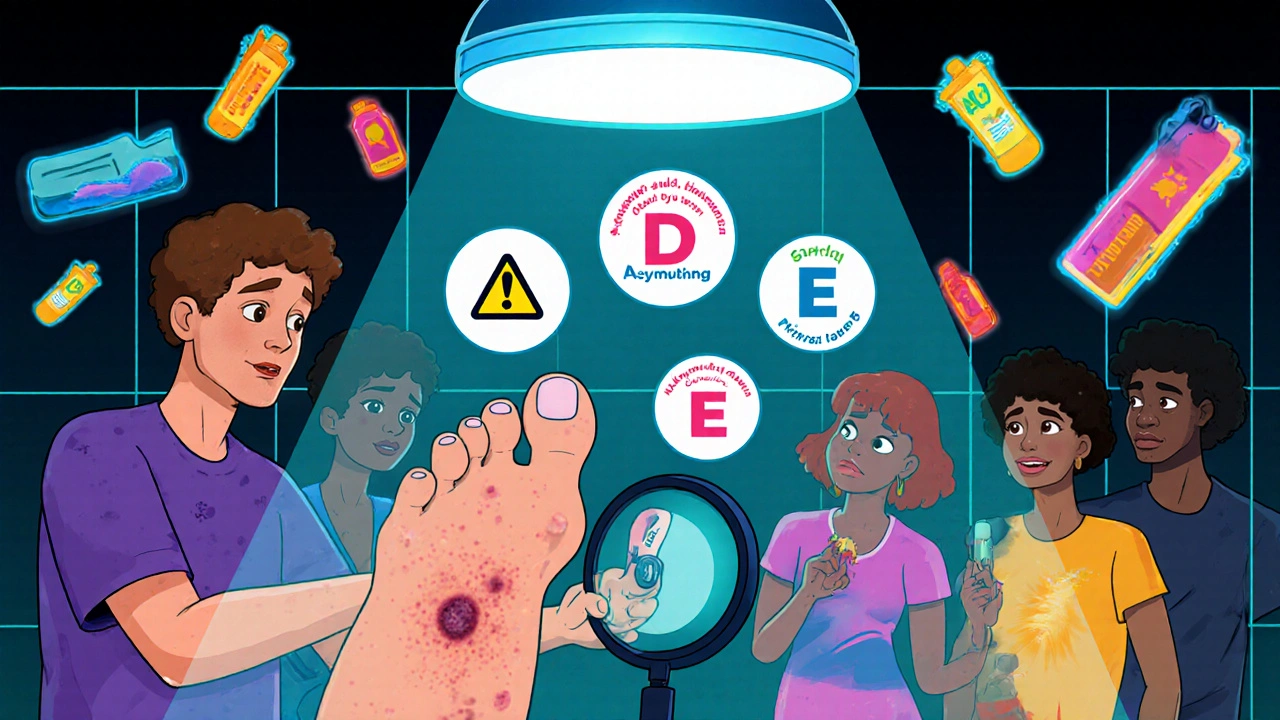
Skin checks, regular self-exams and professional screenings to find abnormal moles can save your life. You don’t need to be a doctor to spot trouble. Use the ABCDE rule: Asymmetry, irregular Borders, Color that changes, Diameter bigger than a pencil eraser, and Evolving shape or texture. If something looks new, growing, or weird—get it checked. Dermatologists use dermatoscopes to see what the naked eye misses. Most insurance covers a full-body skin exam once a year if you’re at higher risk.
People with fair skin, lots of moles, or a family history of melanoma should be extra careful. But even darker-skinned people get it—often on palms, soles, or under nails. Melanoma doesn’t care about your skin tone. It cares about damage. And damage adds up. That daily walk to your car? That weekend hike? They count. Daily sunscreen with SPF 30 or higher, reapplied every two hours, is non-negotiable. And don’t forget your ears, lips, and the back of your neck.
There’s no magic pill or supplement that prevents melanoma. No vitamin D boost will undo UV damage. The only proven methods are protection, awareness, and early action. You can’t control your genes, but you can control how much sun your skin takes. You can control whether you check your moles every month. You can control whether you wear a hat when it’s bright out.
What you’ll find below are real, practical guides on how to use sunscreen right, what to look for in a mole, how often to see a dermatologist, and what to do if you’ve had a sunburn. No fluff. No fearmongering. Just clear steps you can take today to lower your risk and catch problems before they turn serious.
Melanoma: How to Prevent, Detect, and Treat Skin Cancer Early
Melanoma is the deadliest skin cancer, but early detection can lead to a 99% survival rate. Learn how to prevent it with UV protection, spot warning signs using the ABCDE rule, and understand modern treatments that are saving lives.