Market Exclusivity: What It Means for Drug Prices and Patient Access
When a drug company gets market exclusivity, a legal period during which no other company can sell a similar version of the drug. Also known as data exclusivity, it’s the clock that starts ticking the moment a new medicine hits the market—and it’s the reason some pills cost hundreds of dollars while others cost pennies. This isn’t the same as a patent, though they often overlap. Patents protect the invention; market exclusivity protects the data the company spent years and millions collecting to prove the drug works and is safe. The FDA gives this to encourage innovation, but it also means patients can’t switch to cheaper versions until that clock runs out.
Think of it like a temporary monopoly. During this time, no generic version can even file for approval, no matter how simple the formula. That’s why you see brands like Levitra or Omnacortil priced high for years—even after their patents expire. The exclusivity period keeps generics off shelves. But once it ends? Prices drop fast. That’s why posts about generic Zyrtec or clomipramine alternatives suddenly pop up after exclusivity ends. It’s not just about cost—it’s about access. People with chronic conditions like inflammatory bowel disease or Parkinson’s disease rely on these switches to keep treatment affordable long-term.
Market exclusivity isn’t the same across all drugs. For new chemical entities, it’s usually five years in the U.S. But for orphan drugs (used for rare diseases), it’s seven years. Pediatric exclusivity adds six more months. And for biologics? That’s a whole different game—twelve years of exclusivity before generics, called biosimilars, can even start the approval process. That’s why you see posts comparing Eukroma Cream to alternatives, or Flunarizine vs. other migraine drugs—those are often the first alternatives that become available after exclusivity ends. Meanwhile, drugs like ezetimibe or cyproheptadine might be used off-label for years before generics appear, because their original use cases weren’t the ones that triggered the longest exclusivity periods.
It’s not perfect. Some companies stretch exclusivity by making tiny changes to a drug—like switching from a tablet to a capsule—and call it a new product. That’s called evergreening, and it keeps prices high longer than many believe is fair. But when exclusivity ends, it’s a win for patients. More choices. Lower prices. More people getting the meds they need. The posts here cover exactly that transition: what happens when a brand loses its shield, how alternatives step in, and why some patients still stick with the original—even when generics are available. You’ll find real examples of how this plays out in daily treatment decisions, from eye drops to antidepressants to pain meds. This isn’t theory. It’s what’s on your prescription label, in your pharmacy drawer, and in your budget.
Patent Exclusivity vs Market Exclusivity: What’s the Real Difference in Drug Protection?
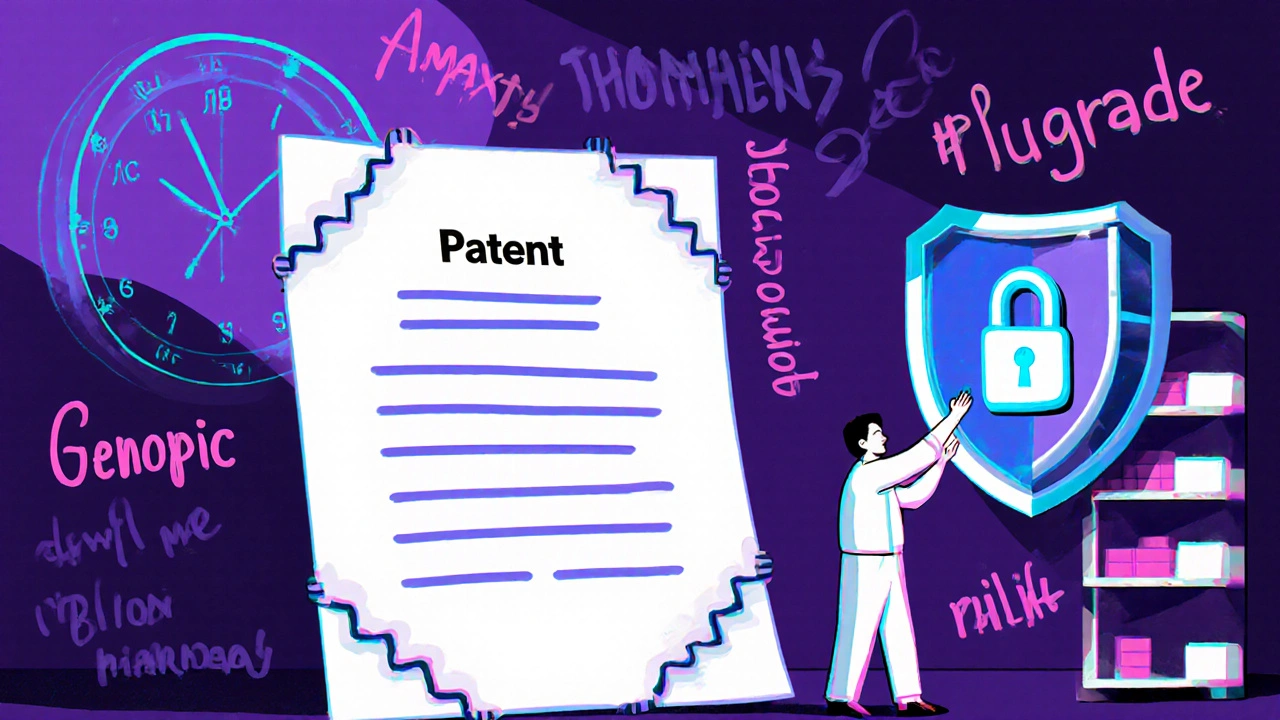
Patent exclusivity and market exclusivity are two separate legal protections for drugs. One comes from the patent office, the other from the FDA. Understanding the difference helps explain why some drugs stay expensive long after patents expire.
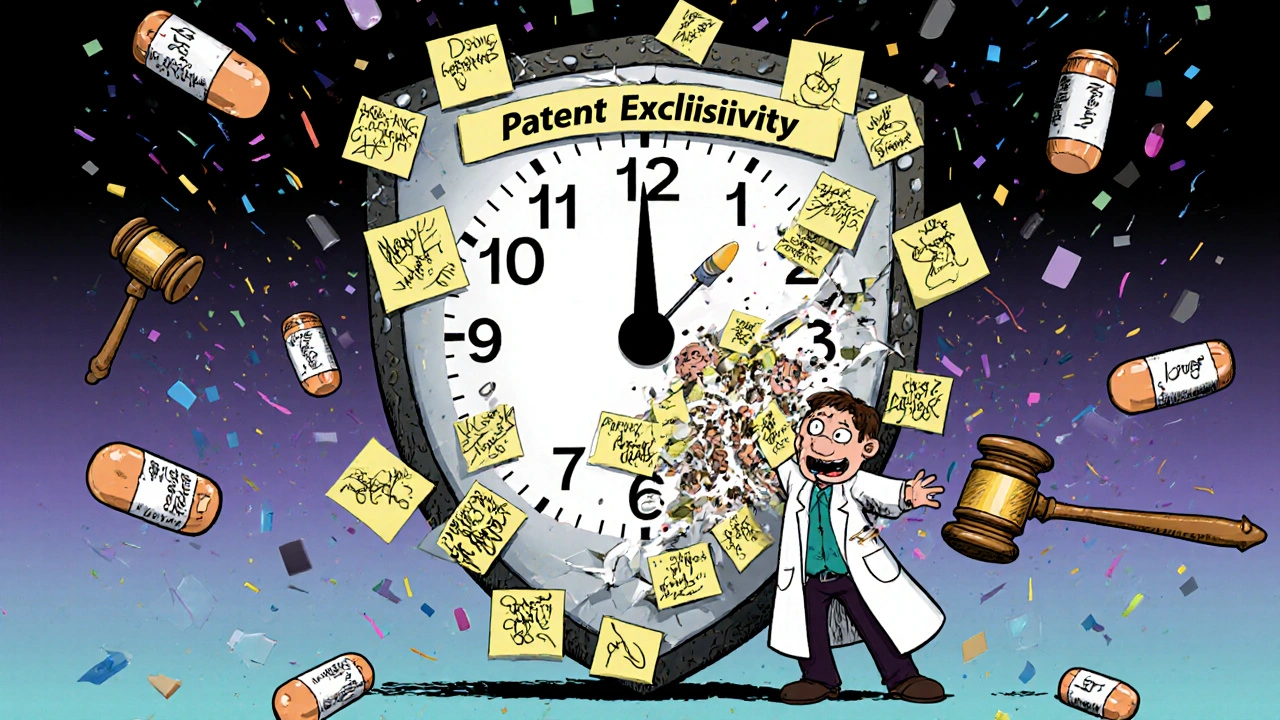
Patent Exclusivity vs Market Exclusivity: What’s the Real Difference for Drug Prices?
Patent exclusivity protects inventions, while market exclusivity blocks generic approvals based on clinical data. Understanding both is key to knowing why drug prices stay high-even after patents expire.