Heart Disease Risk: What You Need to Know About Medications, Lifestyle, and Prevention
When we talk about heart disease risk, the likelihood of developing conditions like coronary artery disease, heart failure, or arrhythmias due to lifestyle, genetics, or medications. Also known as cardiovascular risk, it’s not just about cholesterol or blood pressure—it’s also about what you take daily, what you eat, and how your body reacts to common prescriptions.
Many people don’t realize that some of the drugs meant to help them—like tricyclic antidepressants, medications used for depression and chronic pain that can slow heart rhythm and raise blood pressure—can actually increase heart disease risk, especially in older adults. beta-blockers, commonly prescribed after a heart attack or for high blood pressure, help reduce strain on the heart but can also mask symptoms like fatigue or rapid heartbeat, making it harder to know when something’s wrong. And then there’s food-drug interactions, like eating aged cheese while on MAOI antidepressants, which can trigger dangerous spikes in blood pressure and stress the heart. These aren’t rare edge cases. They’re everyday realities for millions.
Heart disease risk isn’t just about what’s in your veins—it’s also about what’s on your pill organizer. Skipping medication guides, mixing fiber supplements with your heart meds at the wrong time, or not knowing how your painkiller affects your rhythm can all add up. Even something as simple as how you take your inhaler or whether you keep your emergency meds in a go-bag matters. The posts below don’t just list risks—they show you how to spot them, avoid them, and talk to your pharmacist about them before it’s too late.
You’ll find real advice on how medications like amitriptyline, beta-blockers, and even over-the-counter supplements quietly influence your heart. You’ll learn how to read labels so you don’t accidentally trigger a dangerous interaction. You’ll see how exercise changes when your meds slow your heart rate, and why a simple food choice could be the difference between a routine checkup and an ER visit. This isn’t theory. It’s what people are actually dealing with—and what you need to know to protect yourself.
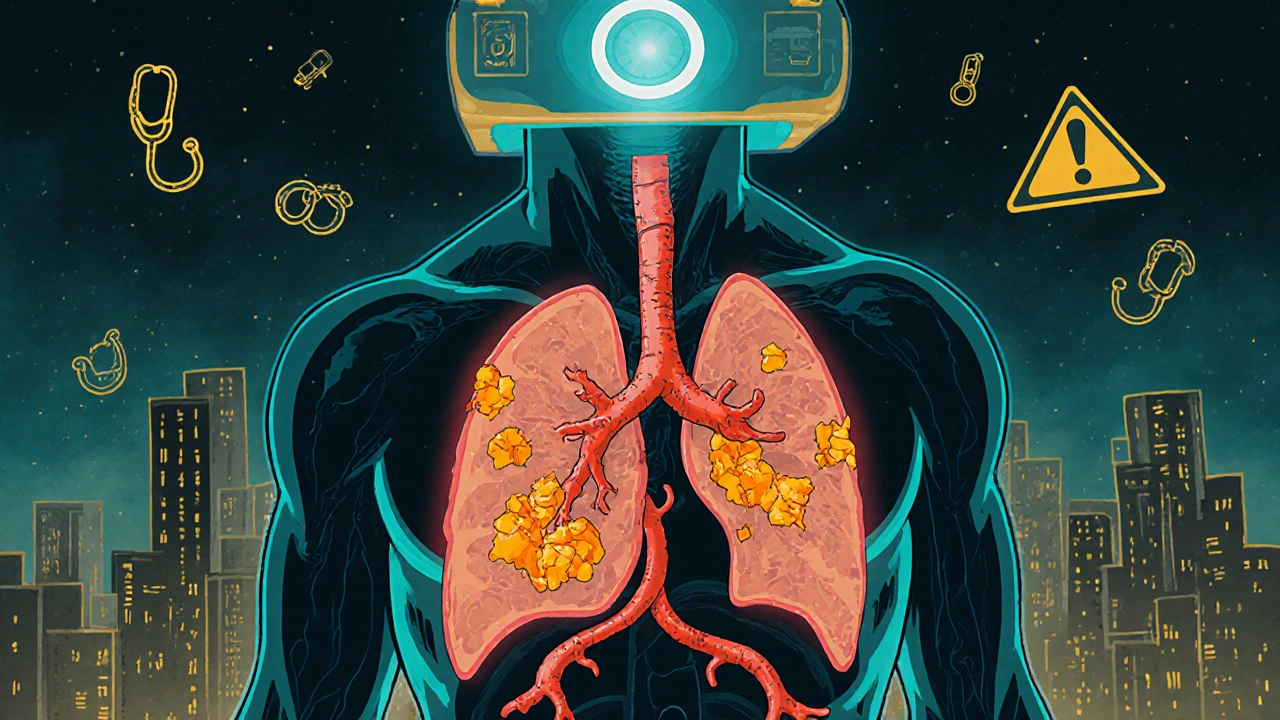
Coronary Calcium Score: What CT Scans Reveal About Plaque Buildup in Your Arteries
A coronary calcium score uses a quick CT scan to detect calcified plaque in heart arteries - revealing hidden heart disease risk before symptoms appear. Learn what the numbers mean and how it changes treatment.