FDA Generic Substitution: What It Means and When It Matters
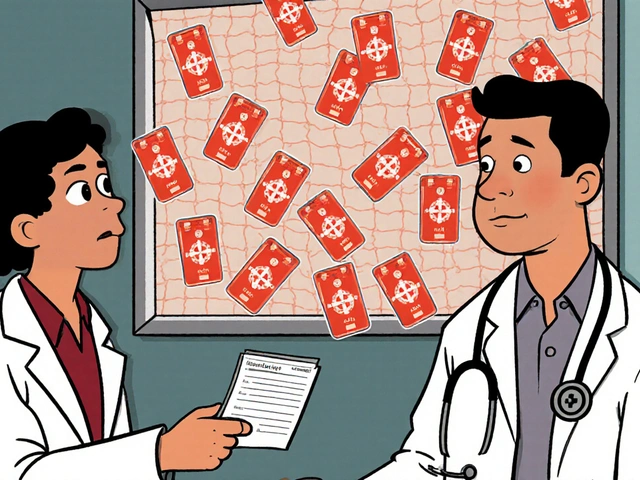
When your pharmacist hands you a pill with a different name than what your doctor wrote, it’s likely FDA generic substitution, the process where a generic version of a brand-name drug is dispensed because it’s chemically identical and approved by the FDA. Also known as generic drug switching, it’s one of the most common ways people save money on prescriptions without sacrificing quality. The FDA doesn’t just approve these drugs lightly—they must prove they work the same way, in the same amount, and with the same safety profile as the brand-name version. That’s not just marketing. It’s science.
But not all generics are the same. Authorized generics, are made by the original brand company and are identical in every way to the brand-name drug, just without the branding. Also known as same-drug generics, they’re often the closest thing to the original you can get. Then there are traditional generics, made by other manufacturers. These are still safe and effective, but sometimes, small differences in inactive ingredients can affect how quickly a drug dissolves in your body. That’s why some people notice a change when switching—especially with drugs like seizure meds or blood thinners, where tiny differences matter. Drug equivalence, the measure of whether two drugs produce the same effect in the body, is the key standard the FDA uses to approve every generic. If it doesn’t meet that bar, it doesn’t get sold.
Stability matters too. A generic drug might work perfectly on day one, but if it degrades too fast under heat or humidity, it won’t stay effective by the time you finish the bottle. That’s why generic drugs, must pass the same stability testing as brand-name drugs to ensure they remain safe and potent through their labeled shelf life. Storage isn’t optional—it’s part of the deal. Keep them in a cool, dry place. Don’t leave them in your car or bathroom.
And here’s the thing: FDA generic substitution isn’t always automatic. Your doctor can write "dispense as written" or "no substitution" on the prescription. Some pharmacies will still switch unless you say otherwise. That’s why you need to ask. If you’re on a medication where even small changes can cause problems—like thyroid meds, epilepsy drugs, or blood thinners—stick with the same version unless your doctor says otherwise. Don’t assume the new bottle is the same just because it’s cheaper.
Pharmacists are your best allies here. They know which generics have had issues, which ones are preferred by your insurance, and which ones might interact with your other meds. That’s why medication therapy management, a service where pharmacists review all your meds to catch problems before they happen is so valuable. It’s not just about filling prescriptions—it’s about making sure they work together safely.
Below, you’ll find real, practical guides on what to watch for when switching generics, how to spot authorized versions, why some people do better on brand-name drugs, and how to talk to your pharmacist about your options. No fluff. No jargon. Just what you need to know to make smart, safe choices with your meds.

Therapeutic Equivalence Codes: How the FDA Determines Which Generic Drugs Can Be Substituted
The FDA uses therapeutic equivalence codes to determine which generic drugs can be safely substituted for brand-name medications. Learn how the A and B codes work, why some generics aren't interchangeable, and how this system saves billions in healthcare costs.
Recent Post
-
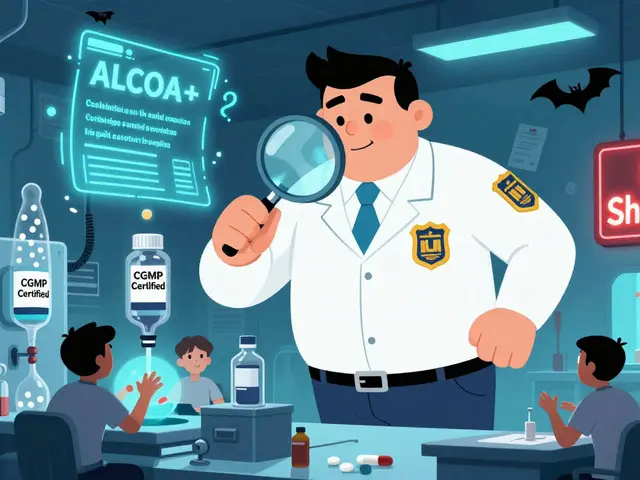
GMP for Generics: FDA Requirements for Manufacturing
Dec, 17 2025