For millions of low-income Americans on Medicaid, the cost of medicine can mean the difference between staying healthy and going without. But here’s the thing: generics are the quiet hero keeping these drugs affordable. In 2023, 90% of all prescriptions filled through Medicaid were for generic drugs. And yet, those same generics made up just 18% of total Medicaid drug spending. That’s not a mistake. It’s the result of a system designed to stretch every dollar further.
Why Generics Are So Much Cheaper
Generic drugs aren’t cheaper because they’re lower quality. They’re cheaper because they don’t need to recoup the billions spent on research and marketing that brand-name drugs do. Once a brand-name drug’s patent expires, other manufacturers can make the same medicine. That competition drives prices down-sometimes by 80% or more.Medicaid takes advantage of this. Under the Medicaid Drug Rebate Program, drugmakers must give states a cut of the price for every generic sold. In 2023, those rebates saved Medicaid $53.7 billion-more than half of what was originally spent on prescriptions. For non-specialty generics, the average rebate was 86% of the retail price. That means if a pill costs $10 at the pharmacy, Medicaid pays less than $1.40 after the rebate.
What Patients Actually Pay at the Pharmacy
You might think low-income patients still struggle to afford even generics. But the numbers tell a different story. The average copay for a generic drug under Medicaid in 2023 was $6.16. For a brand-name drug? $56.12. That’s nearly nine times more. Most generic prescriptions cost under $20 at the counter-93% of them, according to the Association for Accessible Medicines. For someone on a fixed income, that’s manageable. It’s not free, but it’s not a financial emergency either.Some patients report even bigger wins. One mother in Ohio said her daughter’s asthma inhaler switched from brand to generic, and her copay dropped from $25 to $3. That’s not just savings-that’s peace of mind. No more choosing between medicine and groceries.
The Hidden Costs: PBMs and Prior Authorization
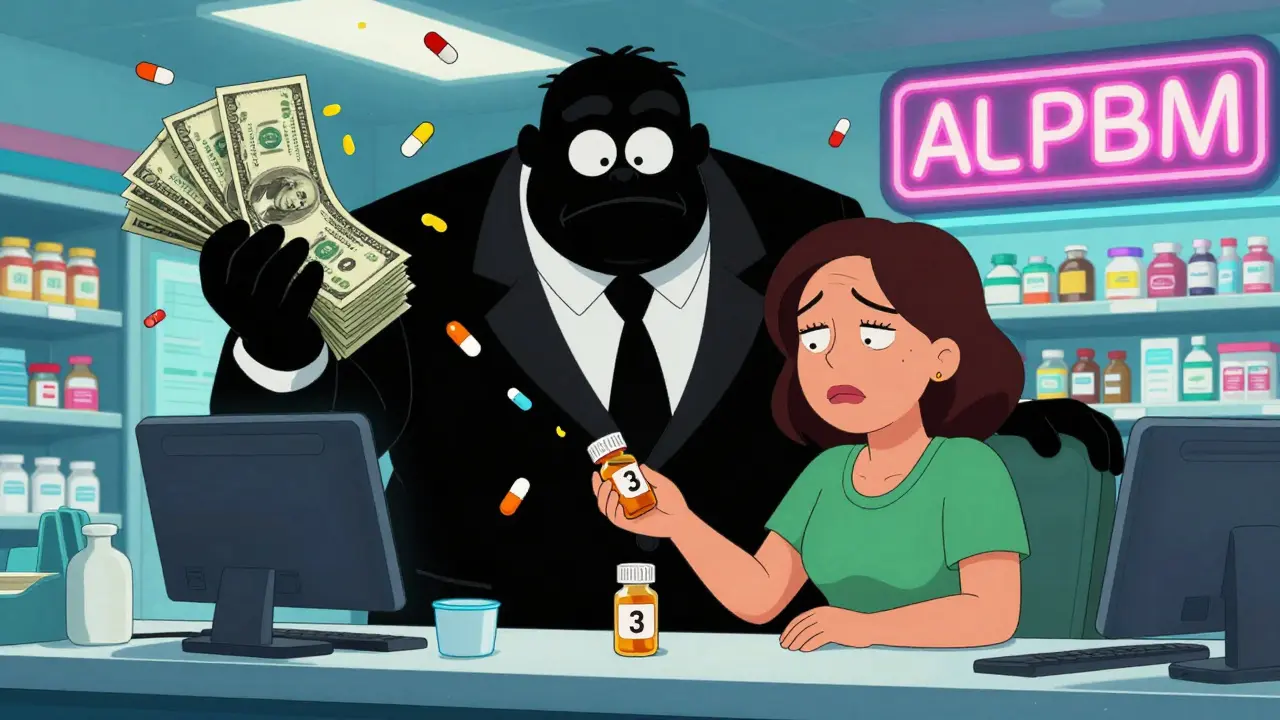
But it’s not all smooth sailing. Behind the scenes, Pharmacy Benefit Managers (PBMs) take a cut. A 2025 report from the Ohio Auditor found that PBMs collected 31% in fees on $208 million worth of generic drugs in just one year. That’s $64 million in fees paid to middlemen, not the manufacturer or the state. Those fees don’t always translate to lower prices for patients.Another hurdle: prior authorization. Even if a drug is generic, Medicaid may require doctors to jump through hoops before approving it. One Reddit user described waiting three weeks and making multiple calls to get approval for a generic inhaler. That delay can be dangerous for someone with asthma or diabetes. About 15-20% of Medicaid prescriptions require this step, and it’s worse in states using managed care plans.
Medicaid vs. Other Programs
Medicaid gets better prices than almost any other government health program. A 2021 Congressional Budget Office study found Medicaid’s net drug prices-after rebates-are lower than even the Department of Veterans Affairs. For brand-name drugs, Medicaid gets an average rebate of 77%. For specialty drugs, it’s 60%. That’s because Medicaid negotiates aggressively, and states can refuse to cover drugs that don’t offer good deals.Compare that to private insurance. Some patients on commercial plans pay more for generics than Medicaid patients. A 2023 study found that uninsured people could save money by buying generics directly from Mark Cuban’s Cost Plus Drug Company-but only 11.8% of prescriptions were cheaper that way. Medicaid patients, meanwhile, rarely pay more than $10 for a month’s supply of a common generic.
Why Spending Is Still Rising
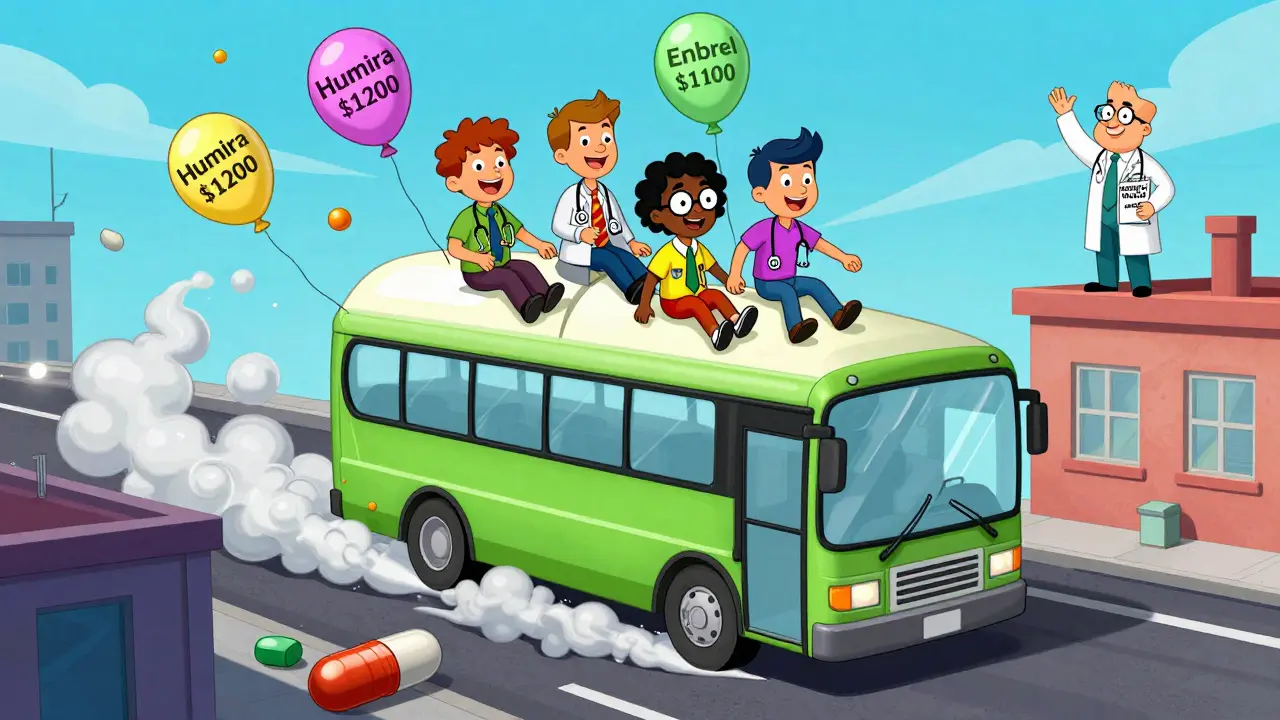
Here’s the paradox: Medicaid fills 90% of prescriptions with generics, yet overall drug spending keeps climbing. Why? Because a tiny fraction of drugs are insanely expensive. In 2021, less than 2% of prescriptions were for drugs costing over $1,000 per claim-but those drugs made up more than half of Medicaid’s total spending. These are specialty drugs for rare diseases, cancer, or autoimmune conditions. They’re often biologics-complex molecules that can’t be easily copied like regular generics.Net Medicaid drug spending jumped from $30 billion in 2017 to $60 billion in 2024. That’s a 100% increase. The rise isn’t from pills like metformin or lisinopril. It’s from drugs like Humira or Enbrel, which cost thousands per dose. Even with generics dominating volume, these high-cost drugs are pulling the budget upward.
What’s Being Done About It
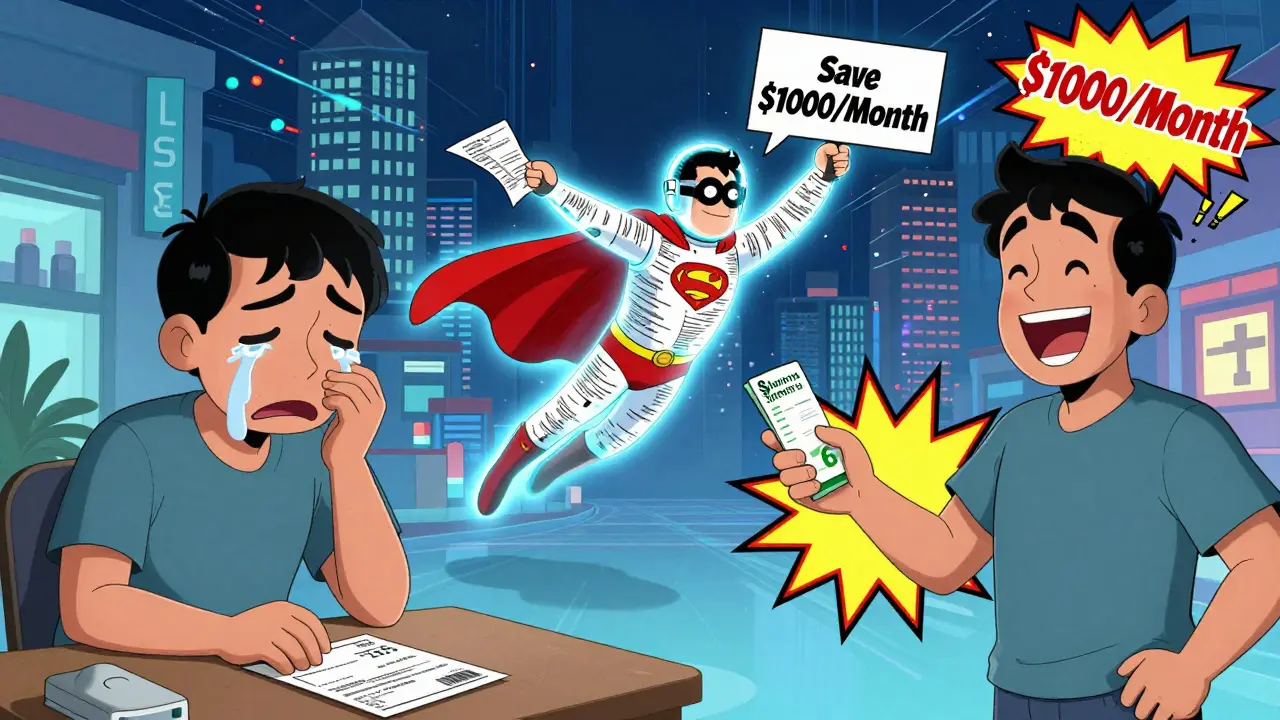
In 2024, the Centers for Medicare & Medicaid Services (CMS) launched the GENEROUS Model to tackle this problem. It’s a pilot program testing new ways to control spending-like limiting which high-cost drugs are covered, encouraging the use of biosimilars (cheaper versions of biologics), and tightening prior authorization rules.Biosimilars are the next big hope. They’re not generics, but they’re close. When a biologic’s patent expires, biosimilars can enter the market. Experts estimate they could save Medicaid $100 billion a year by 2027. Already, biosimilars for drugs like Humira are starting to appear. One patient in Texas switched to a biosimilar for her rheumatoid arthritis and cut her monthly cost from $1,200 to $120.
What Patients Need to Know
If you’re on Medicaid, here’s what you can do:- Always ask if a generic is available-even if your doctor prescribed a brand.
- Know your state’s formulary. Some states have lists of approved drugs and which tier they’re on. Generics are almost always Tier 1-the cheapest.
- If you’re denied a drug, ask for a prior authorization appeal. Many denials get overturned with a simple letter from your doctor.
- Check if your pharmacy is in-network. Some pharmacies charge more than others, even for the same generic.
States vary. In some, pharmacies automatically substitute generics. In others, you have to ask. The National Association of Medicaid Directors gave states an average transparency score of 7.2 out of 10 in 2024. That means some programs make it easy to understand your coverage. Others don’t.
The Bigger Picture
Since 2009, generic drugs have saved the U.S. healthcare system $2.9 trillion. Medicaid’s share of that? Massive. Without generics, the program would be unaffordable. But the system is under strain. PBMs are taking bigger cuts. Specialty drugs are getting pricier. And not all patients benefit equally.Still, the core truth hasn’t changed: for low-income patients, generic drugs are the most reliable path to affordable care. They’re not perfect. But they’re the best tool we have right now to keep people alive and healthy without bankrupting them-or the system.
Are generic drugs safe for Medicaid patients?
Yes. Generic drugs must meet the same FDA standards as brand-name drugs. They contain the same active ingredients, work the same way, and are tested for safety and effectiveness. The only differences are in inactive ingredients like fillers or color, which don’t affect how the drug works. Millions of Medicaid patients take generics every day without issue.
Why do some Medicaid patients pay more for generics than others?
It depends on the state, the pharmacy, and whether the plan is fee-for-service or managed care. Some states have increased copays for generics in recent years, even as drug prices fell. PBMs may also set different prices at different pharmacies. Always compare prices-some pharmacies offer generics for under $5, while others charge $15 for the same pill.
Can I switch from a brand-name drug to a generic without my doctor’s permission?
In most cases, yes. Pharmacists are allowed to substitute a generic unless the doctor writes "Do Not Substitute" on the prescription. If you’re unsure, ask your pharmacist. They can tell you if a generic is available and if it’s appropriate for your condition.
Do Medicaid plans cover all generic drugs?
No. Each state has a formulary-a list of covered drugs. While most common generics are covered, some newer or less common ones may not be. If a drug isn’t on the list, your doctor can request an exception. This is common for drugs used to treat rare conditions.
Will Medicaid cover biosimilars in the future?
Yes, and they already do. Many states are actively adding biosimilars to their formularies because they’re significantly cheaper than the original biologics. The GENEROUS Model encourages their use. As more biologics lose patent protection over the next few years, expect biosimilars to become the new standard for high-cost treatments.
Ashley Viñas
January 5, 2026 AT 23:34Let’s be real-generics aren’t just ‘cheaper,’ they’re a moral imperative. If you’re paying more than $10 for a month’s supply of metformin in 2025, you’re either being scammed or you’re not asking the right questions. Medicaid’s system isn’t perfect, but it’s the only thing standing between people and rationing insulin. Stop romanticizing brand-name drugs-they’re corporate profit machines dressed up as healthcare.
Joseph Snow
January 7, 2026 AT 12:0990% generics? That’s not efficiency-that’s control. Who decides which generics get approved? Who’s behind the rebate calculations? The same PBMs that charge $64 million in fees? This isn’t saving money-it’s a shell game where the state thinks it’s winning but the patient still gets stuck with prior auth nightmares. And don’t get me started on how the FDA ‘approves’ generics with different fillers that cause side effects no one talks about.
melissa cucic
January 9, 2026 AT 01:14It’s fascinating how the structural economics of pharmaceuticals reveal a deeper truth: that market competition, when properly harnessed, can serve public welfare-without requiring moral heroism. The rebate model, though imperfect, demonstrates that systemic incentives, not individual charity, are what sustain equitable access. And yet, the rise of PBMs as opaque intermediaries-extracting value without adding therapeutic utility-undermines this very mechanism. We must ask: Is the goal affordable drugs, or merely lower administrative costs? The two are not synonymous.
The data on biosimilars is especially promising; if we can replicate the generic model for biologics, we may finally break the monopoly cycle that has driven specialty drug costs into the stratosphere. But only if transparency and patient-centric policy replace profit-driven gatekeeping.
Akshaya Gandra _ Student - EastCaryMS
January 9, 2026 AT 20:56i read this and i was like wow… but wait, what is p b m? is that like a pharmacy thing? also i live in india and we have generics too but they are super cheap like 10 rupees for a pill… is it same here? sorry for bad spelling
Angie Rehe
January 10, 2026 AT 03:04Let me cut through the noise: PBMs are the cancer of this system. They don’t manufacture, distribute, or dispense-they extract. Their fee structures are deliberately opaque because they’re designed to exploit asymmetry. And prior authorization? That’s not a safeguard-it’s a bottleneck engineered to delay care until patients give up. This isn’t healthcare-it’s a compliance theater where bureaucrats profit from your suffering. If you’re not outraged, you’re not paying attention.
Enrique González
January 11, 2026 AT 19:18Generics saved my dad’s life. He’s on lisinopril, metformin, and a statin-all generics. Copays under $5. He’s 72, on SSDI, and still walks two miles a day. This system works-for people who know how to navigate it. Stop complaining. Start asking your pharmacist. Call your state Medicaid office. Change starts with you.
Aaron Mercado
January 12, 2026 AT 10:51They say generics are safe-BUT DID YOU KNOW THE FDA LETS THEM USE DIFFERENT INERT INGREDIENTS THAT CAN TRIGGER AUTOIMMUNE FLARES? I’VE SEEN IT. MY SISTER SWITCHED TO A GENERIC AND GOT RASHES, FATIGUE, HOSPITALIZED. NO ONE TOLD HER. NO ONE TOLD ANYONE. AND NOW THEY’RE PUSHING BIOSIMILARS LIKE THEY’RE MAGIC? HA. IT’S THE SAME GAME. CORPORATE GREED IN A NEW LABEL. YOU THINK YOU’RE SAVING MONEY? YOU’RE JUST BEING EXPERIMENTED ON.
Shanna Sung
January 12, 2026 AT 19:14Generics are fine. But the real story? Medicaid’s budget is being gamed by states that overbill federal matching funds. The ‘$53.7 billion saved’? That’s just the tip. The real savings vanished into state coffers while patients got stuck with $15 copays for the same pill that costs $2 at Walmart. This isn’t healthcare reform-it’s accounting fraud dressed in a lab coat.