FDA Exclusivity: What It Means for Drug Access and Pricing
When you hear FDA exclusivity, a period of market protection granted by the U.S. Food and Drug Administration to brand-name drugmakers, separate from patents. Also known as market exclusivity, it stops generics from entering the market—even if the patent has expired. This isn’t about owning the drug formula. It’s about control. The FDA gives this to reward innovation, but it also means you might pay more for months—or years—longer than you think.
FDA exclusivity shows up in different flavors. Orphan drug exclusivity, a seven-year period for drugs treating rare diseases affecting fewer than 200,000 Americans, is one. It’s why some ultra-expensive meds for tiny patient groups stay exclusive so long. Then there’s new chemical entity exclusivity, five years for drugs with no active ingredient ever approved before. That’s the big one. Even if a patent is broken, generics can’t launch until those five years are up. And pediatric exclusivity, an extra six months added if a company studies a drug in children, can stretch that timeline even further. These aren’t loopholes. They’re official tools built into the system.
Look at the posts here. You’ll see real-world examples. One article talks about how generic Zyrtec became available after exclusivity ended. Another explains why clomipramine and prednisolone still have brand-name versions floating around—sometimes because exclusivity delayed generics. Even MAOI drugs and hydroquinone creams were once protected under this system. These aren’t random drugs. They’re the ones that hit the market when exclusivity rules were in full force.
Here’s the thing: FDA exclusivity doesn’t mean better medicine. It means fewer choices. It means higher prices. And it means patients wait longer for affordable options. The system was meant to balance innovation and access. But in practice, it often leans hard toward the companies. The posts below dig into how this plays out—from the pharmacy shelf to the doctor’s office. You’ll find guides on comparing brand drugs to generics, spotting when exclusivity ends, and understanding why some meds stay stubbornly expensive. No fluff. Just what you need to know when you’re trying to save money or understand your treatment options.
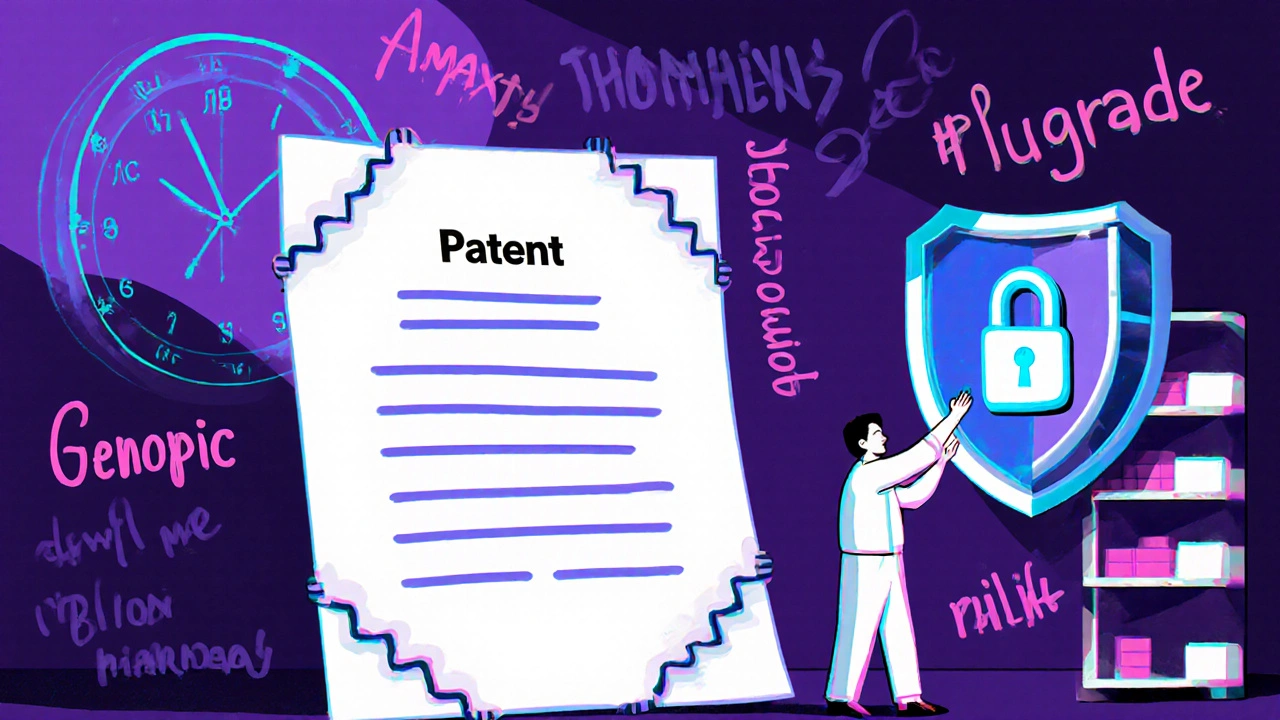
Patent Exclusivity vs Market Exclusivity: What’s the Real Difference in Drug Protection?
Patent exclusivity and market exclusivity are two separate legal protections for drugs. One comes from the patent office, the other from the FDA. Understanding the difference helps explain why some drugs stay expensive long after patents expire.
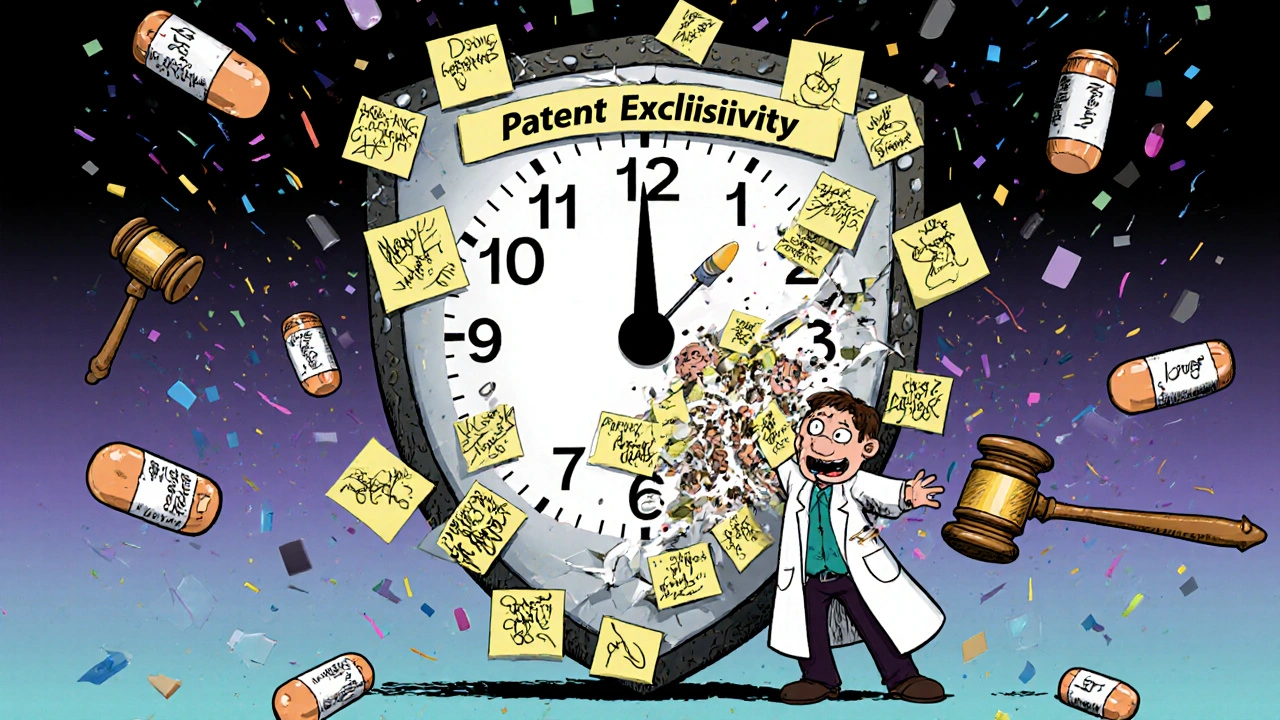
Patent Exclusivity vs Market Exclusivity: What’s the Real Difference for Drug Prices?
Patent exclusivity protects inventions, while market exclusivity blocks generic approvals based on clinical data. Understanding both is key to knowing why drug prices stay high-even after patents expire.
Recent Post
-
Hoodia Supplement: Natural Weight Loss Solution
Sep, 21 2025