Exercise Tips for Heart Patients: Safe Ways to Stay Active
When you have heart disease, exercise, physical activity that improves heart function and circulation. Also known as cardiac rehabilitation, it’s not about pushing hard—it’s about staying consistent and smart. Many people think they need to run marathons or lift heavy weights to stay healthy, but that’s not true. For heart patients, even walking 20 minutes a day can lower blood pressure, improve circulation, and reduce the chance of another heart event. The goal isn’t to exhaust yourself—it’s to keep your heart working efficiently over time.
Cardiac rehab programs are built around safe workouts for heart patients, structured, monitored activity plans designed for people recovering from heart surgery, heart attack, or heart failure. These plans start slow—maybe just sitting and moving your legs, then standing and taking a few steps—and gradually increase as your strength improves. You don’t need a gym. You don’t need fancy equipment. A pair of comfortable shoes and a flat, safe path are enough. What matters most is doing something every day, even if it’s just pacing around your living room while watching TV. Your heart responds to regular movement, not to intensity.
One of the biggest mistakes heart patients make is stopping when they feel tired or short of breath. That’s normal—but it doesn’t mean you should quit. Instead, learn to recognize the difference between normal exertion and warning signs. If you feel chest pain, dizziness, or your heart races out of control, stop and rest. If symptoms don’t go away in a few minutes, call your doctor. But if you’re just breathing harder than usual? Slow down, take a breath, then keep going. Over time, your body will adapt. Studies show that people who stick with light daily activity after a heart event live longer and feel better than those who stay sedentary, even if they’re on the same medications.
Don’t wait for perfect conditions. Rainy day? Walk indoors. Too tired in the morning? Try an evening stroll. Feeling stiff? Stretch before you move. The key is to make movement part of your routine, not a chore. Many patients find that walking with a friend or listening to music helps them stay on track. Others use a simple step counter to track progress—not to compete, but to see how far they’ve come.
Below, you’ll find real advice from people who’ve been there—how to time your activity around medications, what to avoid, how to listen to your body, and which simple routines make the biggest difference. These aren’t theoretical tips. They’re from patients who learned the hard way—and now help others avoid the same mistakes.
Exercise Modifications for Fatigue on Beta-Blockers and Other Drugs
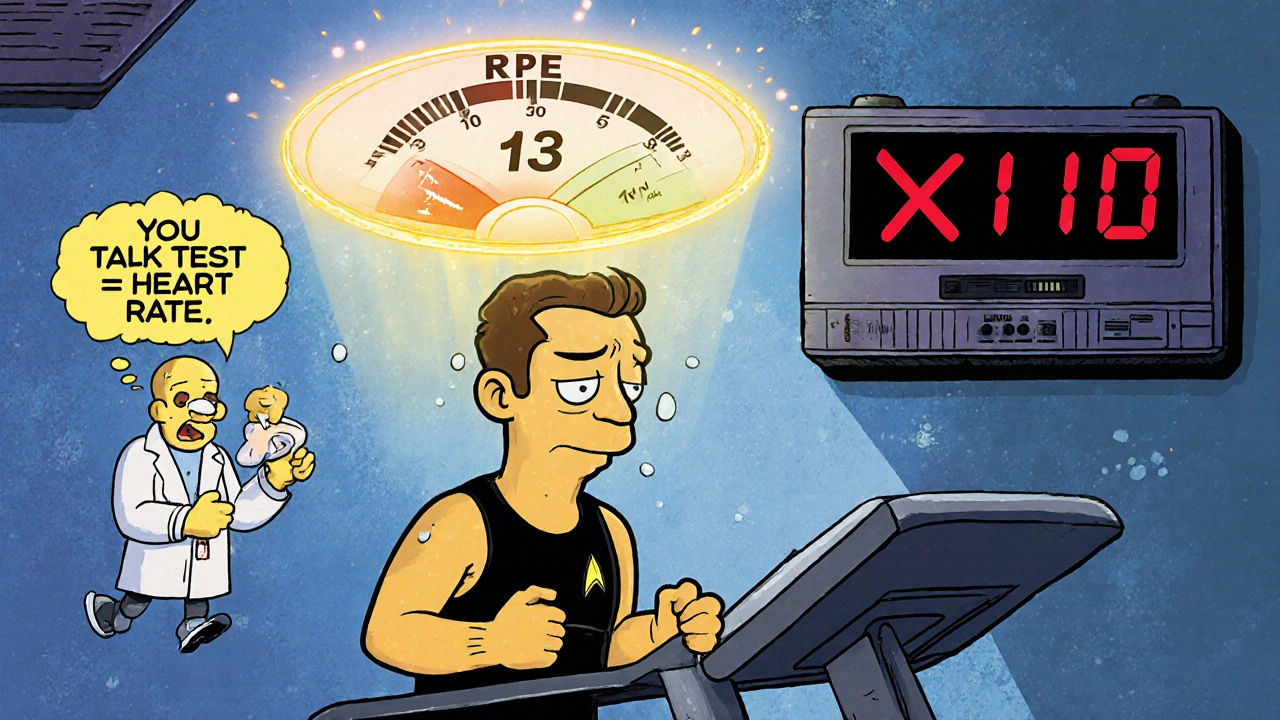
Learn how to exercise safely when taking beta-blockers. Discover why heart rate monitors don't work, how to use perceived effort instead, and practical tips to beat fatigue without stopping your routine.