Drug Safety: Protect Yourself from Interactions, Errors, and Hidden Risks
When it comes to your health, drug safety, the practice of using medications correctly to avoid harm, errors, or dangerous interactions. Also known as medication safety, it’s not just about following the label—it’s about understanding how your body reacts to what you take, when you take it, and what else you’re mixing it with. Every year, hundreds of thousands of people end up in the ER because of simple mistakes: taking an antacid with an antibiotic, swallowing a supplement that cancels out their blood thinner, or missing a dose because their pills weren’t organized. These aren’t rare accidents—they’re preventable.
Drug safety involves more than just the pill in your hand. It includes how generic drugs, medications approved by the FDA as equivalent to brand-name versions. Also known as therapeutic equivalents, they save money but aren’t always interchangeable. The FDA uses codes like AB to tell you which generics can be swapped without risk. But if a drug’s stability is compromised by heat or moisture, even an AB-rated generic can become ineffective—or unsafe. That’s why storage matters as much as the label. And then there’s medication interactions, when two or more substances—drugs, supplements, even food—affect each other’s absorption or action. Also known as drug-drug interactions, they’re behind many of the most dangerous outcomes. St. John’s wort can make birth control fail. Dairy can block antibiotics. Aged cheese can trigger a hypertensive crisis if you’re on an MAOI. These aren’t theoretical risks. They’re documented, frequent, and often ignored.
That’s why tools like pill organizers, devices that sort daily or weekly doses to reduce confusion and missed doses. Also known as medication dispensers, they’re not just for seniors matter. Blister packs, smart reminders, and even simple timing rules—like waiting two hours between antacids and antibiotics—can be lifesavers. And knowing how to read a medication guide isn’t optional. It’s your last line of defense against overdose risks and hidden antidotes. Drug safety isn’t about being perfect. It’s about being aware. It’s about asking the right questions before you swallow anything. And it’s about recognizing that what seems like a small choice—like grabbing a yogurt with your doxycycline—can have real consequences.
Below, you’ll find real, practical guides that break down exactly how to avoid these mistakes. From how to spot unsafe generic substitutions to how to build a medication go-bag for emergencies, every article here is built from real cases, real data, and real patient experiences. No fluff. No theory. Just what works.

Questions to Ask Your Doctor About Medication Side Effects
Knowing what to ask your doctor about medication side effects can prevent serious harm. Learn the key questions backed by medical research to stay safe, avoid hospital visits, and take control of your treatment.
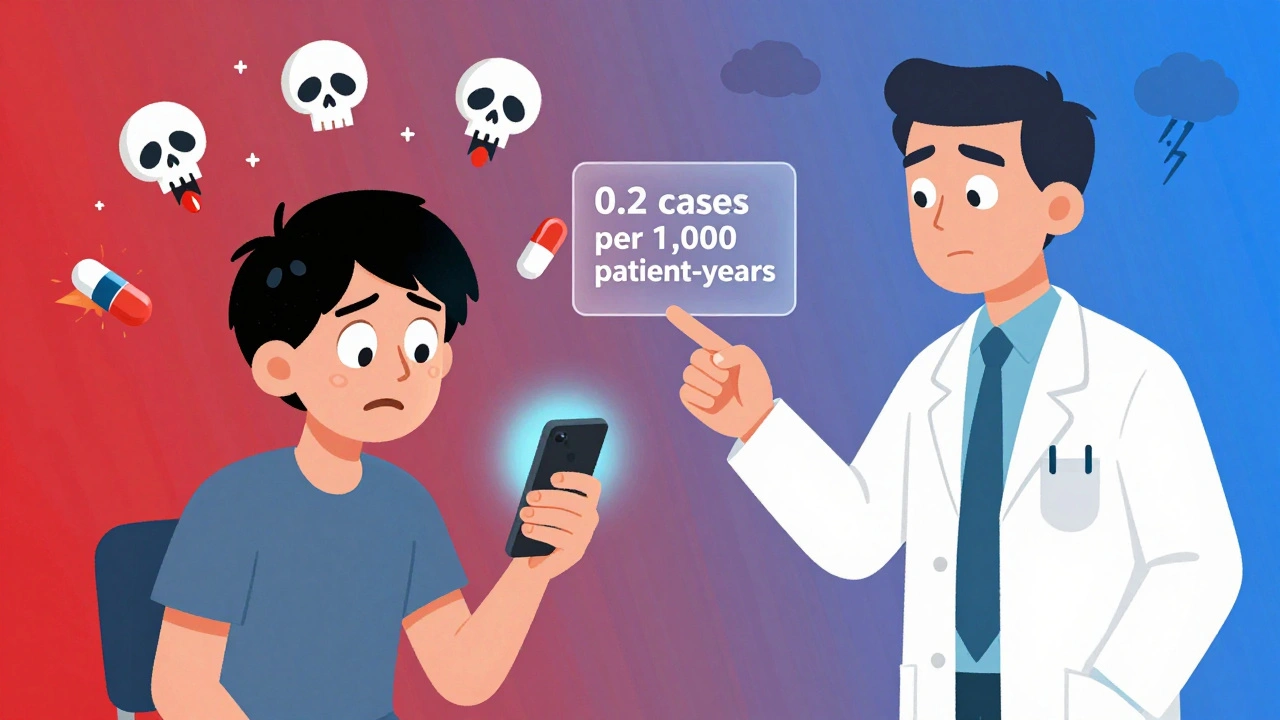
How to Interpret Risk vs. Benefit in FDA Safety Announcements
Learn how to read FDA safety announcements without panicking. Understand the difference between potential signals and confirmed risks, and how to weigh the real benefits against real dangers of your medication.
Recent Post
-
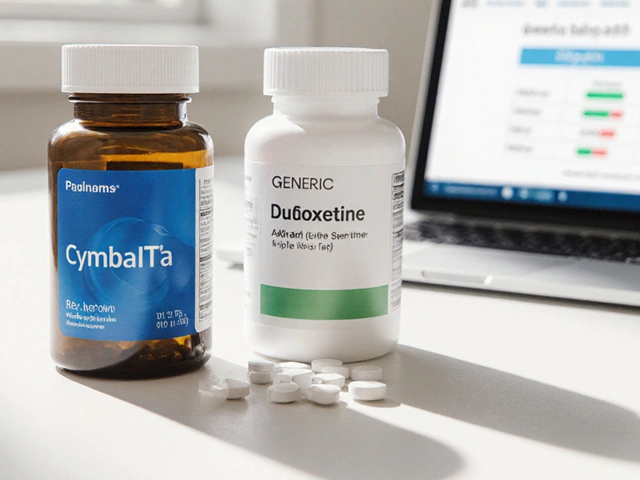
Buy Cheap Generic Cymbalta Online - Guide & Tips
Oct, 6 2025