Drug Protection: Safeguarding Medications from Interactions, Misuse, and Environmental Harm
When we talk about drug protection, the practices and systems designed to ensure medications are used safely, stored correctly, and disposed of responsibly. Also known as medication safety, it's not just about locking up your pills—it's about stopping life-threatening mix-ups before they happen. Think about someone on MAOI antidepressants who eats aged cheese without knowing the risk. Or a person using nasal spray too long and ending up with rebound congestion. These aren’t accidents—they’re failures of drug protection.
Drug interactions, when two or more medications, foods, or supplements change how a drug works in the body. Also known as food-drug interactions, they’re one of the most common causes of preventable hospital visits. The post on MAOI drugs and tyramine isn’t an outlier—it’s a warning sign. Same with how hydroquinone creams like Eukroma need careful handling, or how naloxone co-prescribing saves lives by reversing opioid overdoses. Drug protection means knowing what not to mix, not just what to take. And it’s not just about humans—pharmaceutical waste, the environmental impact of drug production, use, and disposal. Also known as drug production carbon footprint, it’s a growing concern, as seen in the breakdown of ezetimibe’s lifecycle. Flushing old pills down the toilet or tossing them in the trash doesn’t just hurt the planet—it can contaminate water and harm wildlife.
Drug protection also means making sure people actually take their meds right. That’s where medication adherence, the degree to which patients follow their prescribed treatment plan. Also known as medication compliance, it ties directly to reading labels clearly, setting reminders, and avoiding generic switches when consistency matters. The article on using prescription labels to set reminders isn’t just a tech tip—it’s a survival tool. For someone with Parkinson’s taking cyproheptadine off-label, or a pet owner using chloramphenicol eye drops, getting the timing and dosage right isn’t optional.
What you’ll find here isn’t a list of random articles. It’s a real-world guide to how people are surviving the hidden dangers of modern medicine. From liver cancer screening in cirrhosis to avoiding steroid rebound in the nose, every post here answers one question: How do you keep your meds working—without letting them hurt you?
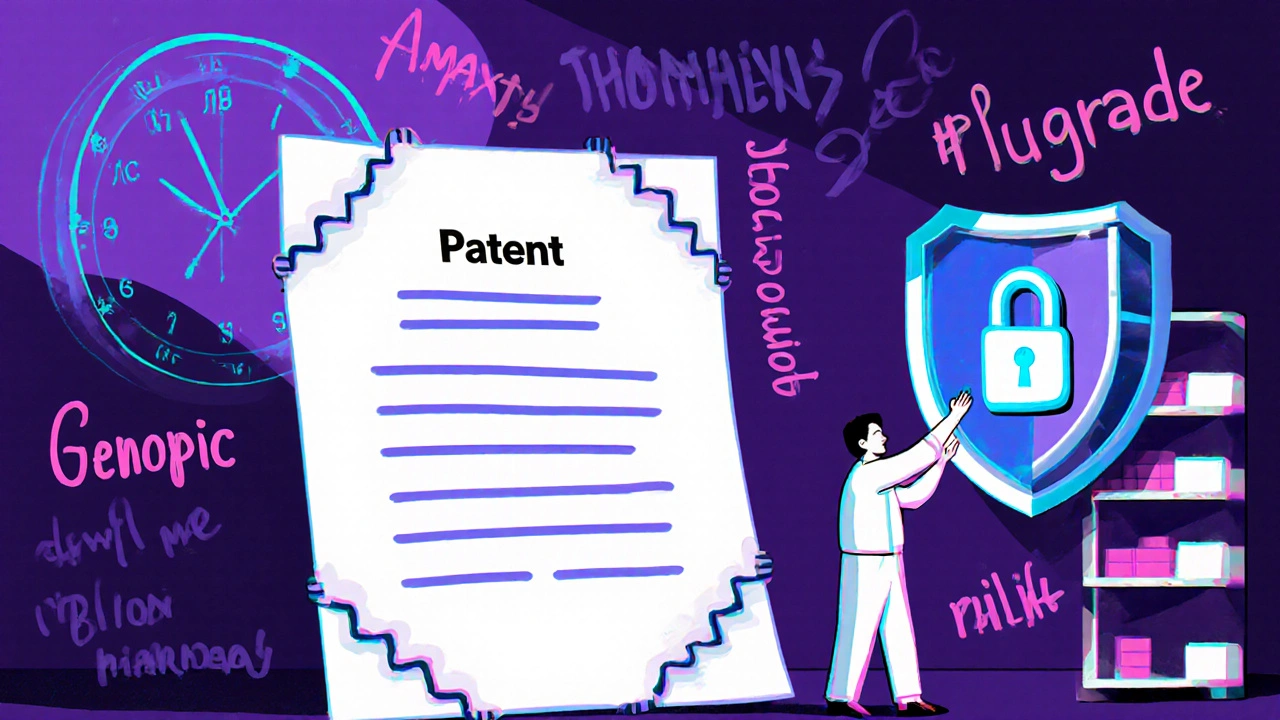
Patent Exclusivity vs Market Exclusivity: What’s the Real Difference in Drug Protection?
Patent exclusivity and market exclusivity are two separate legal protections for drugs. One comes from the patent office, the other from the FDA. Understanding the difference helps explain why some drugs stay expensive long after patents expire.
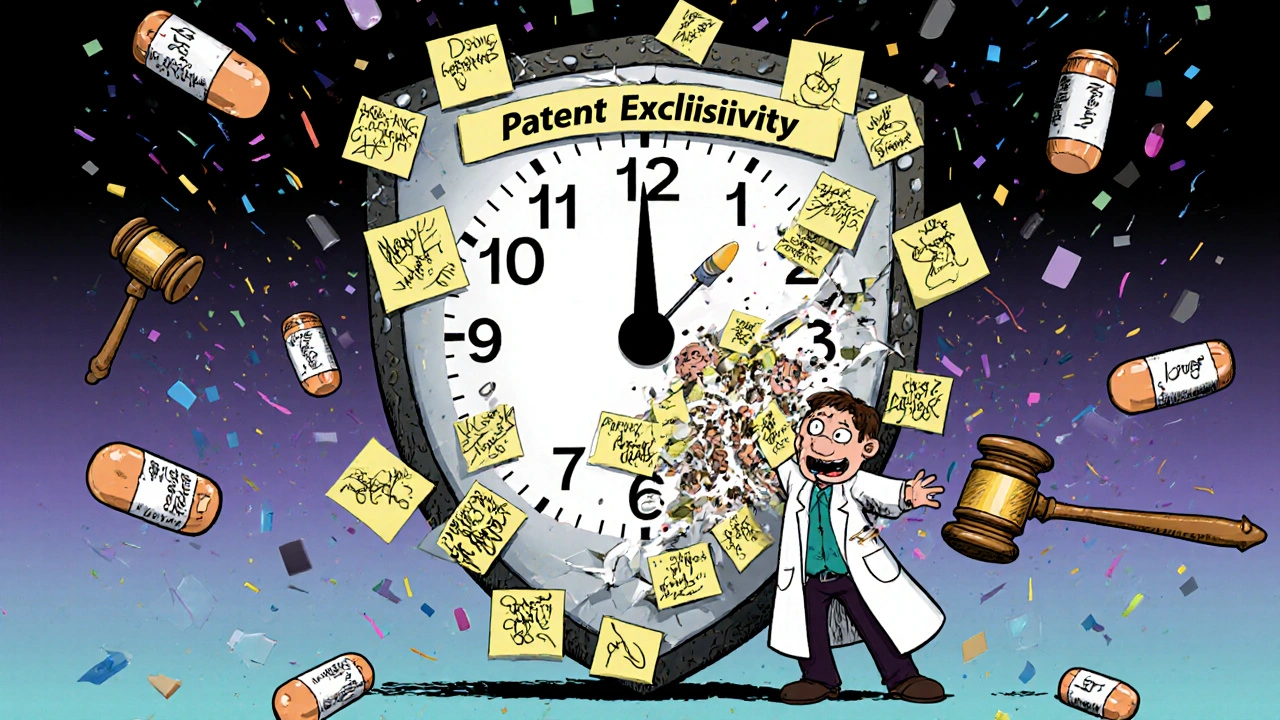
Patent Exclusivity vs Market Exclusivity: What’s the Real Difference for Drug Prices?
Patent exclusivity protects inventions, while market exclusivity blocks generic approvals based on clinical data. Understanding both is key to knowing why drug prices stay high-even after patents expire.
Recent Post
-
Hoodia Supplement: Natural Weight Loss Solution
Sep, 21 2025