Compare Alternatives: Your Guide to Smarter Health Choices
When you compare alternatives, you weigh the pros and cons of different treatments, products, or strategies to find the best fit for your needs. Also known as alternative comparison, this process is essential whether you’re choosing a prescription, a supplement, or a lifestyle tweak. Compare alternatives helps you balance efficacy, safety, and cost before making a decision.
Take Minoxidil, a topical solution widely used for hair loss that works by widening blood vessels and stimulating follicles. Its key attributes include a moderate success rate, low cost, and possible scalp irritation. When you compare alternatives like finasteride, laser therapy, or PRP, you’re looking at efficacy (how well it regrows hair), side‑effects (dryness, shedding), and price per month. This kind of medication comparison empowers you to pick a plan that matches your budget and tolerance.
Antibiotic choices illustrate another layer of comparison. Flagyl ER, an extended‑release form of metronidazole used for bacterial and protozoal infections offers once‑daily dosing but can cause metallic taste and GI upset. Alternatives such as tinidazole or clindamycin differ in dosing frequency, spectrum of activity, and insurance coverage. By assessing these attributes—dose schedule, side‑effect profile, and cost—you can avoid unnecessary side effects and ensure the infection is cleared efficiently.
Why a systematic comparison matters
Beyond pills, wake‑fulness aids like Modvigil, a brand of modafinil that promotes alertness without the jitter of caffeine compete with armodafinil, adrafinil, and even over‑the‑counter stimulants. Here the comparison leans on mechanisms (dopamine reuptake vs orexin activation), legal status, and potential for dependence. Understanding these differences lets you choose a safe option for work or study without compromising health.
All these examples share a common thread: effective comparison requires clear criteria, reliable data, and a realistic view of personal tolerance. Whether you’re looking at a cheap generic antibiotic, a hair‑growth treatment, or a prescription stimulant, the same steps apply—list the options, weigh efficacy, side effects, and cost, then decide. Below you’ll find a curated set of articles that walk through each of these scenarios in detail, giving you the tools to make informed choices.
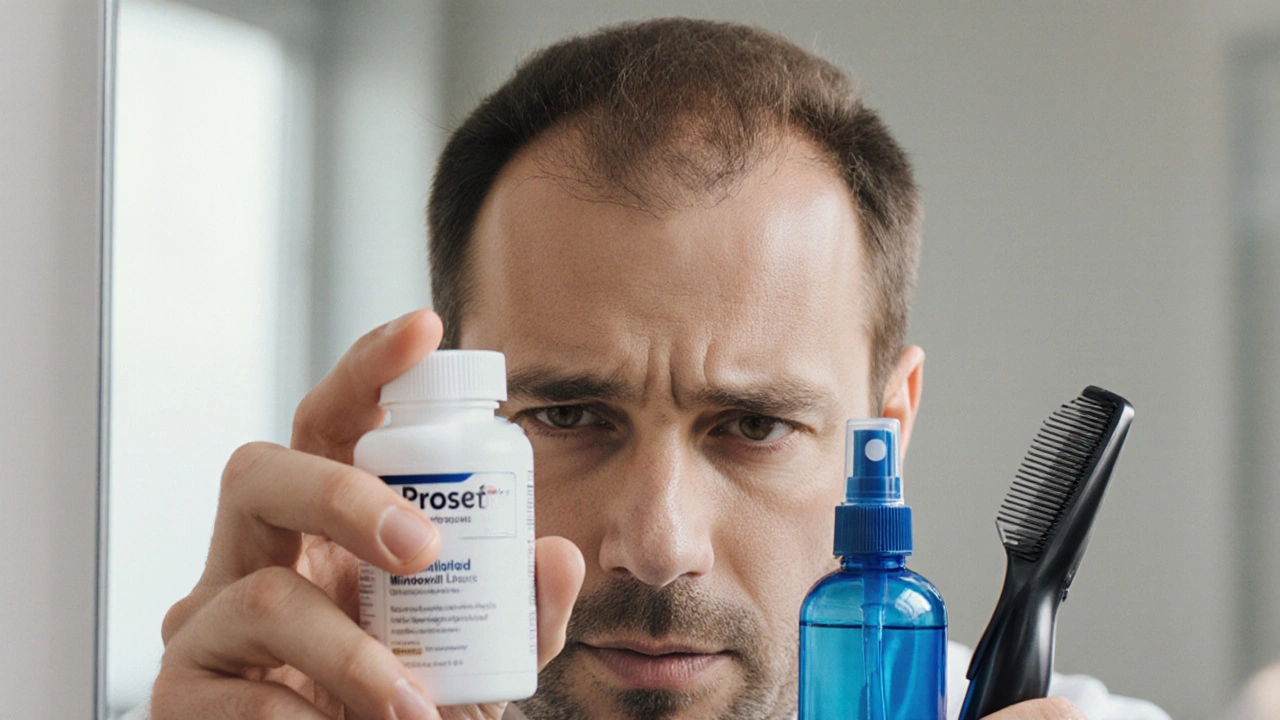
Proscare (Finasteride) vs Other Hair‑Loss Treatments: A Detailed Comparison
A comprehensive side‑by‑side comparison of Proscare (finasteride) and its main hair‑loss alternatives, covering cost, effectiveness, side‑effects, and how to pick the right option.