Adherence Tools: Simple Ways to Stay on Track with Your Medications
When you’re managing a chronic condition, adherence tools, practical systems designed to help people take their medications as prescribed. Also known as medication management aids, they’re not just nice-to-haves—they’re often the difference between feeling better and ending up in the hospital. Too many people stop taking their meds because they forget, get overwhelmed, or don’t understand why it matters. But the problem isn’t laziness. It’s usually a lack of simple, reliable systems.
Think about pill organizers, physical containers divided by day and time to sort pills. They’re cheap, easy to use, and work even when your phone dies. Or consider reminder apps, digital tools that send alerts for doses, refills, or doctor visits. Apps like Medisafe or MyTherapy aren’t fancy, but they track what you’ve taken and even notify family members if you miss a dose. Then there’s dosing schedules, clear, written plans that match your daily routine—like taking blood pressure meds with breakfast. When your meds fit into your life instead of forcing your life to fit around them, sticking to the plan becomes easier.
These tools don’t just help you remember. They reduce stress. If you’re on five different pills for diabetes, high blood pressure, and cholesterol, juggling them without a system feels impossible. That’s why so many of the posts here focus on real-life fixes—like how to manage side effects from lamivudine-zidovudine, or how to safely stop rebound nasal congestion from overusing sprays. Both situations demand consistency. And consistency? It starts with a tool that works for you.
You’ll find posts here that cover everything from using drug interaction checkers to avoid dangerous combos, to how naloxone co-prescribing helps opioid patients stay safe. Every one of them ties back to the same truth: taking your meds right isn’t about willpower. It’s about having the right system in place. Whether you’re helping a parent manage MAOI food restrictions, tracking daily doses for Parkinson’s, or just trying not to forget your statin, the right adherence tool makes the difference between confusion and control.
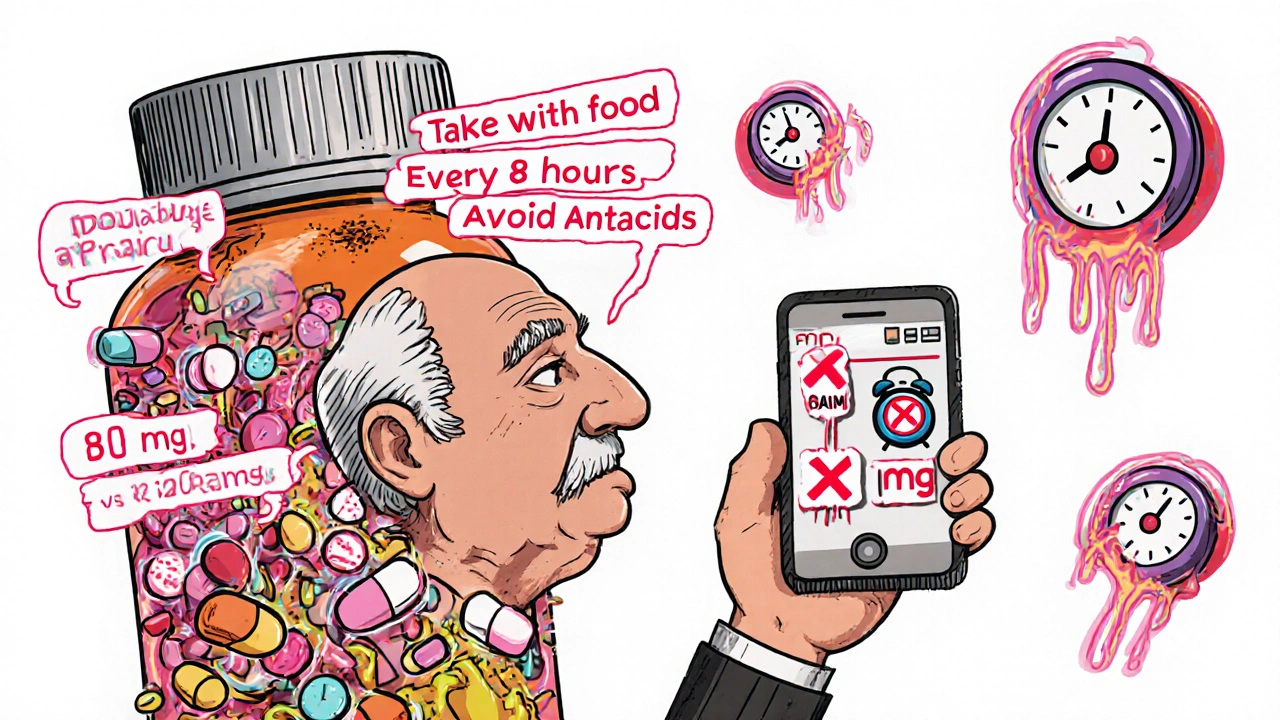
How to Use Label Information to Set Accurate Medication Reminders
Learn how to read your prescription label and use that information to set accurate medication reminders that prevent errors, avoid interactions, and improve adherence. Smart apps can turn tiny print into life-saving schedules.
Recent Post
-

Voucher Codes for Online Drug Store Genglob.com
Mar, 21 2025