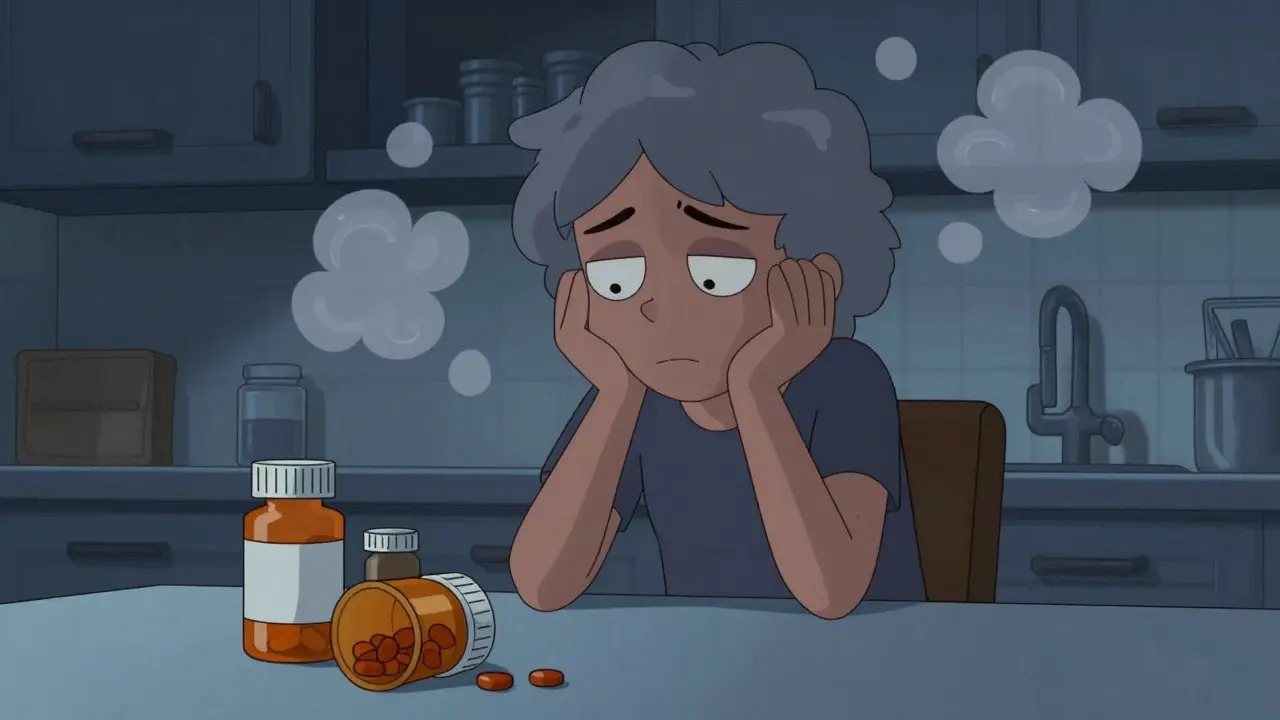
Imagine spending months finding the perfect balance of medications to finally feel stable. You’ve got your morning antidepressant, your evening mood stabilizer, and maybe a small dose of something else to keep anxiety at bay. It works. Then, one day, you pick up your prescription, and the pharmacy hands you a different bottle. Same name, same dosage, but it’s from a different manufacturer. Within two weeks, the fog rolls back in. The sleep returns. The stability vanishes.
This isn’t just bad luck. It’s a growing crisis for people managing complex mental health conditions through psychiatric medication combinations. While combining drugs is often necessary to treat stubborn conditions like treatment-resistant depression or bipolar disorder, switching between brand-name drugs and generic alternatives-or even between different generic manufacturers-can destabilize that delicate chemical balance.
Why do psychiatric medication combinations fail when switched to generics?
Combinations rely on precise blood levels of multiple drugs interacting correctly. Generics are allowed a 20-125% bioequivalence range, meaning absorption can vary significantly. In combination therapy, a slight drop in one drug’s effectiveness can cascade, causing the entire regimen to fail or side effects to emerge.
The Science Behind Combination Therapy
Treating mental health isn’t always as simple as taking one pill. For many, a single medication doesn’t touch all the symptoms. This is where combination therapy comes in. It involves pairing medications from different classes to target multiple pathways in the brain simultaneously.
The most common evidence-based pairing is an SSRI (like escitalopram) combined with a low-dose atypical antipsychotic (like aripiprazole). This approach was validated by major studies, including the STAR*D trial conducted by the National Institute of Mental Health. They found that about 30-40% of patients didn’t respond well to their first antidepressant alone. Adding a second agent boosted remission rates by 15-20%.
Other common combos include:
- SSRI + Buspirone: Used for anxiety. Buspirone helps with residual anxiety without the addiction risk of benzodiazepines.
- Bupropion + SSRI: Bupropion is added to counteract sexual side effects caused by SSRIs, improving quality of life while maintaining depression control.
- Olanzapine + Fluoxetine (Symbyax): A fixed-dose combo approved specifically for treatment-resistant depression.
These aren’t random guesses. They are calculated strategies based on how drugs interact with serotonin, dopamine, and other neurotransmitters. But this precision is exactly what makes them fragile when you introduce variables like generic substitution.
The Generic Dilemma: Bioequivalence vs. Reality
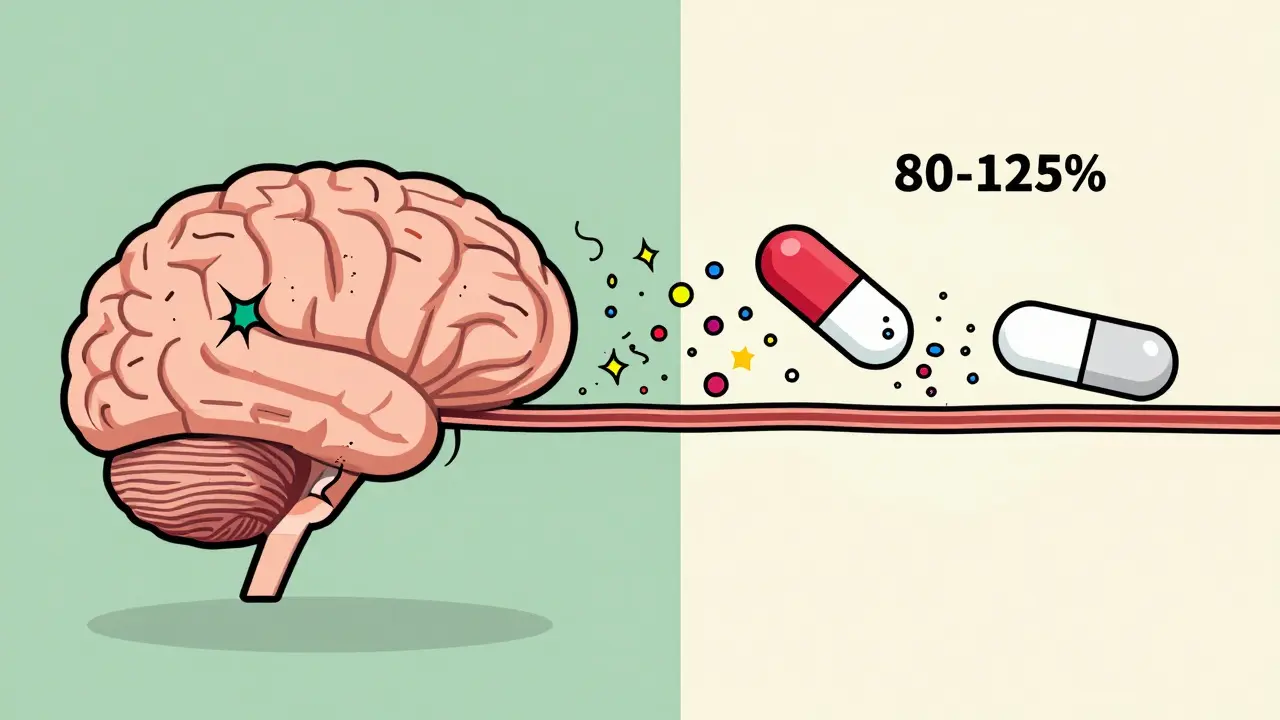
Here is the core issue: The FDA requires generic drugs to be "bioequivalent" to brand-name drugs. This means the generic must deliver between 80% and 125% of the active ingredient into your bloodstream compared to the brand. For most drugs, this range is fine. If you take painkillers, a 20% variance won’t ruin your day.
But for psychiatric meds, especially in combinations, this window is too wide. Dr. Charles Popkin, a psychiatrist at New York-Presbyterian Hospital, has called this standard "unacceptable" for psychotropics. Why? Because small changes in one drug’s level can alter how it interacts with the other drug in your stack.
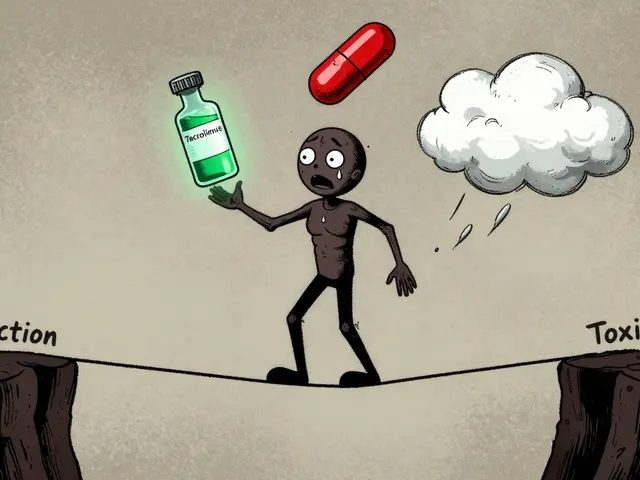
Consider lithium. It has a "narrow therapeutic index," meaning the difference between a helpful dose and a toxic or ineffective dose is tiny. Blood levels need to stay between 0.6 and 1.2 mmol/L. A 2018 case series from the University of British Columbia documented three bipolar patients who relapsed into mania within 14 days of switching from brand-name lithium to a generic. Their blood levels dropped significantly despite the dose staying the same.
| Factor | Brand-Name Consistency | Generic Variability |
|---|---|---|
| Bioequivalence Range | N/A (Reference Standard) | 80-125% of brand reference |
| Release Technology | Consistent across batches | Varies by manufacturer (e.g., bead size, coating) |
| Clinical Failure Rate (Switching) | Baseline | 22.3% higher failure rate (Hao et al., 2019) |
| Cost Impact | Higher out-of-pocket | 14.3% reduction in costs (Alexander, 2019) |
A landmark 2019 study published in the Journal of Clinical Psychiatry analyzed nearly 29,000 patients. Those switched from brand-name SSRIs to generics had a 22.3% higher rate of treatment failure. That’s not a rounding error; that’s a quarter of patients losing their stability.
Specific Drugs Where Generics Cause Trouble
Not all generics are created equal, and some drugs are more sensitive than others. If you are on a combination therapy, pay close attention to these specific medications:
- Bupropion XL (Wellbutrin): The FDA issued a warning in 2012 because some generic versions released the drug too quickly or inconsistently. This caused breakthrough depression and anxiety spikes. Patients reported mood swings that weren’t there before the switch.
- Venlafaxine ER (Effexor XR): This drug balances serotonin and norepinephrine. Different generic manufacturers use different technologies to release the drug over time. Changing manufacturers can shift this balance, potentially destabilizing a combo with other meds.
- Lamotrigine (Lamictal): Often used in bipolar combos. Users frequently report that switching generic brands causes rashes or return of depressive symptoms.
- Aripiprazole (Abilify): When used as an add-on to antidepressants, even slight variations in absorption can reduce its efficacy in blocking dopamine receptors, leading to a return of obsessive thoughts or depression.
The problem isn’t just brand-to-generic switches. It’s also generic-to-generic. If Pharmacy A uses Teva and Pharmacy B uses Mylan, you might get two different experiences from the same "generic" name.
Real-World Patient Experiences
Data tells one story, but patient voices tell another. Online communities like Reddit’s r/depression and PatientsLikeMe are filled with accounts of "med cocktails" falling apart after a pharmacy switch.
In a highly-upvoted 2023 thread, users described scenarios like switching from brand-name Lamictal to a generic and watching their Zoloft stop working within two weeks. Another user noted that after a generic switch of Abilify, their obsessive thoughts returned with full force, despite the dosage being identical.
On PatientsLikeMe, 38.7% of patients using combination therapies reported worsened symptoms after a generic substitution, compared to only 12.3% of those on single medications. This gap highlights the complexity of polypharmacy. When you’re juggling multiple drugs, the margin for error shrinks dramatically.
However, it’s not all negative. Some patients, like "Michael T." on Drugs.com, reported that switching from brand Effexor XR to a generic Teva version actually reduced nausea without affecting efficacy. The key takeaway? Individual biology varies. What fails for one person might work for another. But the risk of failure is high enough that it demands caution.
How to Protect Your Stability
If you are on a psychiatric medication combination, you cannot afford to be passive about your prescriptions. Here is a practical protocol to minimize risks:
- Know Your Manufacturer: Ask your pharmacist which manufacturer they are dispensing. Write it down. If you feel stable, try to stick with that specific manufacturer.
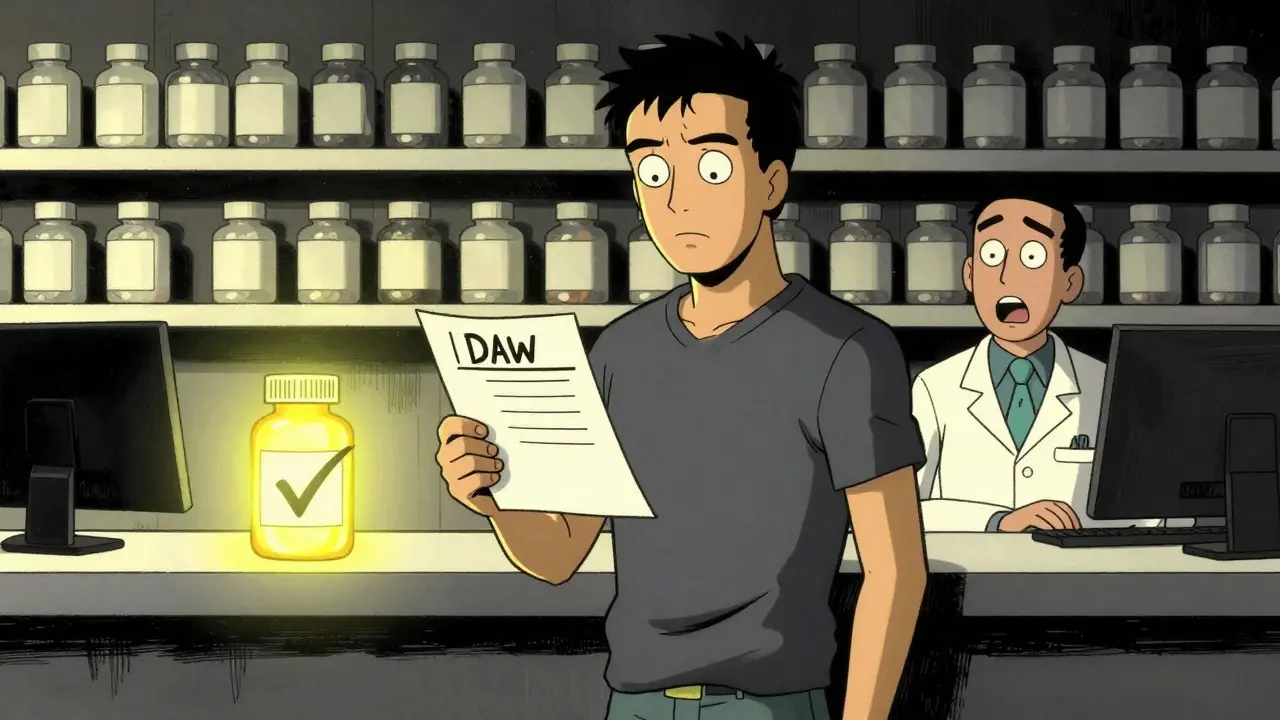
- Request "Dispense as Written": If you find a generic that works, ask your doctor to mark your prescription "DAW" (Dispense As Written) or "Brand Medically Necessary" if insurance allows. This prevents automatic substitutions.
- Monitor During Transitions: If you must switch, do it during a period of clinical stability, not during an acute crisis. Use a rating scale like the MADRS (Montgomery-Åsberg Depression Rating Scale) to track baseline symptoms before and after the switch.
- Schedule Early Follow-ups: Don’t wait six weeks. Schedule a check-in 7-10 days after any substitution. Look for subtle changes: sleep patterns, energy levels, side effects.
- Use One Pharmacy: Switching pharmacies often leads to switching manufacturers. Stick to one pharmacy to ensure consistency in the supply chain.
The Massachusetts General Hospital recommends documenting baseline severity before any change. The University of Toronto has even developed a risk assessment tool that flags high-risk combinations (like those involving lithium) for closer monitoring.
The Future of Generic Psychotropics
The landscape is shifting. Regulators are starting to acknowledge the unique needs of psychiatric patients. California passed AB 1477 in 2023, requiring pharmacists to notify prescribers when substituting generics for patients on multiple psychotropic drugs. Similar laws have shown a 22% reduction in emergency room visits in Michigan.
The FDA is also considering narrower bioequivalence ranges (90-111%) for complex extended-release antidepressants. Additionally, "authorized generics"-brand-name drugs sold without the brand label at lower prices-are becoming more common. These offer the consistency of the original formulation at a generic price point.
For now, the burden falls on patients and clinicians to communicate. The consensus among experts is clear: a one-size-fits-all approach to generic substitution in psychiatric polypharmacy is clinically inappropriate. Your mental health stability is worth the extra conversation with your pharmacist and doctor.
Can I ask my pharmacist to give me the same generic manufacturer every time?
Yes. You can request a specific manufacturer by name. However, insurance plans may override this if they have preferred suppliers. Discussing this with your doctor to write "Dispense as Written" is often more effective.
Are authorized generics safer than regular generics?
Yes. Authorized generics are made by the original brand-name company and contain the exact same formulation. They offer the consistency of the brand at a lower cost, making them a safer alternative for sensitive patients.
What should I do if I feel worse after a generic switch?
Contact your prescriber immediately. Do not stop taking the medication abruptly. Your doctor may recommend switching back to the previous manufacturer or adjusting the dose temporarily to regain stability.
Does insurance cover brand-name psychiatric meds if generics fail?
Many plans require prior authorization. Your doctor will need to document that you failed on generic alternatives due to adverse effects or lack of efficacy. Keep records of your symptoms and previous manufacturers to support this request.
Which psychiatric drugs have the narrowest therapeutic index?
Lithium, carbamazepine, and clozapine have very narrow therapeutic indices. Small changes in blood levels can lead to toxicity or treatment failure. These drugs require the highest caution when considering generic substitution.


Ashley Loera
July 4, 2026 AT 05:37omg this is so true!!! i switched my lamictal once and felt like crap within days. why do they let this happen?? its literally dangerous. people are suffering because of cheap generics. it makes me so angry that big pharma gets away with this. you should never trust the generic version if you have bipolar or depression. its a scam. 😡💊
Lorena Suarez
July 4, 2026 AT 16:37i totally get where you are coming from. it really sucks when your meds dont work right. i try to keep things simple and just talk to my doctor about it. hope everyone finds what works for them though. staying positive is key i guess. no stress over the pills themselves.
Isis Fleming
July 6, 2026 AT 12:46It is imperative that patients advocate for their own care in this context. The bioequivalence standards, while statistically acceptable for broad populations, fail to account for the narrow therapeutic windows inherent in psychiatric polypharmacy. One must consult with their healthcare provider regarding the specific pharmacokinetic profiles of their prescribed regimen. Documentation of adverse effects upon substitution is critical for future medical records. This ensures continuity of care and mitigates the risk of relapse due to formulation variances.
Ben Murphy
July 7, 2026 AT 22:40The ethical implications of allowing such variance in bioequivalence for narrow-therapeutic-index drugs are profound. It reflects a systemic failure to prioritize patient safety over cost-saving measures by insurance entities. One must question the moral compass of regulatory bodies that permit a 20-125% absorption range for substances affecting neurotransmitter balance. This negligence endangers vulnerable populations who rely on precise chemical equilibrium for mental stability. It is an affront to the sanctity of individual well-being.
Fred Stone
July 8, 2026 AT 14:53hey man yeah i had issues with wellbutrin too. different generic made me jumpy as hell. just tell ur doc to write daw on the script. helps a lot. dont fight the system alone though. good luck bro.
Brett Aungst
July 8, 2026 AT 23:05I can confirm this from a clinical perspective. We see patients crashing after switches all the time. Lithium and carbamazepine are the worst offenders. Always check the NDC code on the bottle. If it changes, call your prescriber immediately. Do not wait for your next appointment. Track your symptoms daily during any switch period. Knowledge is power here.
Vinay Bairagi
July 9, 2026 AT 01:13In India we understand the struggle with medicine quality but at least our doctors monitor us closely. You Americans rely too much on self-management without proper supervision. The system here is broken because you expect consistency from a capitalist model that only cares about profit margins. Fix your healthcare first then complain about pills.
Blythe Ward
July 10, 2026 AT 11:36only the elite can afford brand name meds these days 🙄 it’s a class issue plain and simple. if you’re poor you get the garbage generics and suffer. meanwhile the rich get authorized generics or straight up brands. it’s disgusting how the system is rigged against normal people. wake up sheeple 💅✨