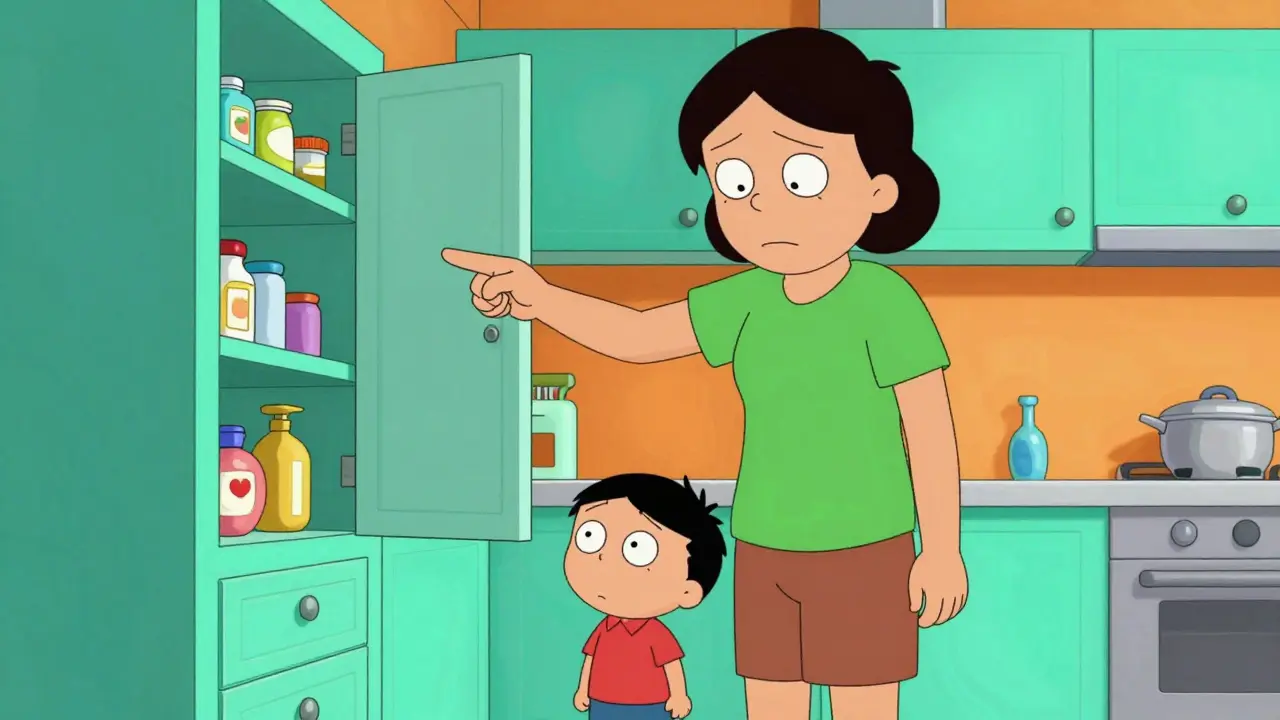
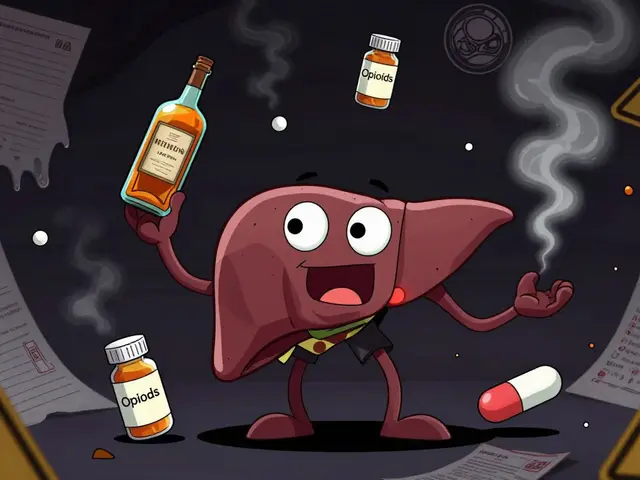
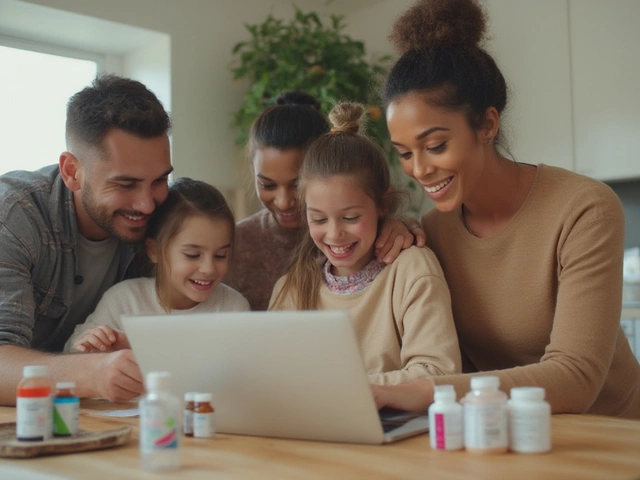
Most parents think the biggest danger to their kids is a mysterious pill on the playground, but the real risk often starts in the family medicine cabinet. Teaching children about medicines isn't just about telling them "don't touch"; it's about giving them the tools to understand what a medicine is, why some look different but do the same thing, and how to stay safe in a world where prescription drugs are everywhere. Whether you're a parent or an educator, the goal is to move from fear-based warnings to pediatric drug education that actually sticks.
Quick Tips for Talking to Kids About Medicine
- Keep it age-appropriate: Use simple terms like "helpful medicine" versus "dangerous chemicals."
- Focus on safety: Always emphasize that medicine should only come from a trusted adult.
- Be honest: Explain that different medicines (like generics) can look different but work the same way.
- Practice refusal: Role-play how to say no if a peer offers them a pill.
What Exactly is Pediatric Drug Education?
At its core, Pediatric Drug Education is a set of age-appropriate instructional programs designed to teach children about medication safety, substance abuse prevention, and healthy decision-making . It isn't just one lesson in a health class; it's a lifelong process. In the past, we saw programs like the DARE program, which focused heavily on abstinence. However, modern research shows that scare tactics can actually backfire, sometimes increasing curiosity by as much as 18%.
Today, the focus has shifted toward evidence-based methods. Programs like Generation Rx, developed at The Ohio State University College of Pharmacy, provide free resources that reach millions of students. Instead of just saying "drugs are bad," these programs teach kids how to identify medicines and understand the risks of misuse. By focusing on critical thinking, we can reduce the rates of substance initiation by 20-40%.
Teaching the Concept of Generic Drugs to Children
One of the most confusing parts for children is why their medicine changes color or shape. This is the perfect time to introduce the concept of Generic Drugs, which are medications created to be the same as brand-name drugs in dosage, safety, strength, and quality, but often at a lower cost . To a child, a blue pill and a white pill might seem like two different medicines entirely, which can lead to confusion or fear.
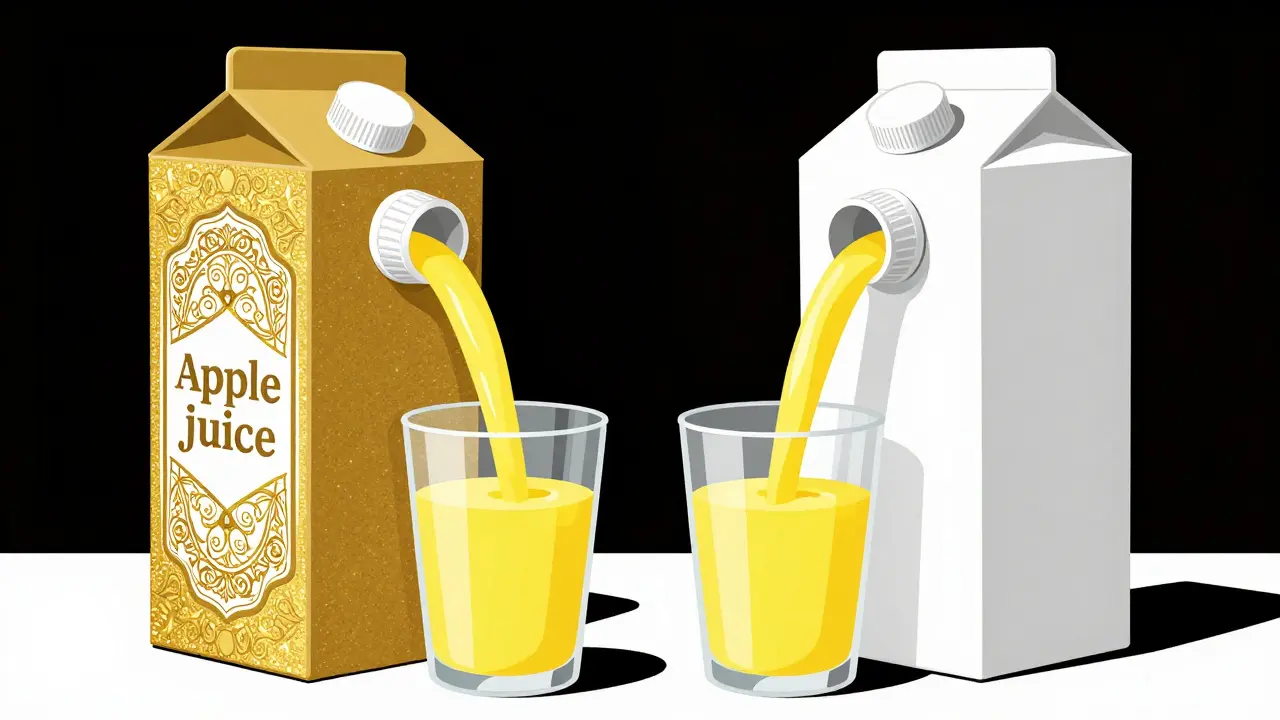
You can explain this using a simple analogy: "Imagine two different brands of apple juice. One has a fancy label and a colorful box, and the other has a plain label. Even though the boxes look different, the juice inside is exactly the same and does the same thing for your body." By framing generic drugs this way, children learn that the appearance of a medicine isn't what makes it work. This reduces the likelihood of them being tricked by the "look" of a drug or feeling anxious when a pharmacy provides a generic alternative.
Age-Appropriate Safety Strategies
You can't teach a first-grader the same way you teach a high schooler. The approach needs to evolve as their brain develops. For younger children, the focus is purely on safety and recognition. For teens, it's about navigating social pressure and understanding the science of addiction.
| Age Group | Primary Focus | Key Methodology | Example Tool |
|---|---|---|---|
| Elementary (K-5) | Medication Safety | Interactive activities | Medication Safety Patrol |
| Middle School (6-8) | Peer Resistance | Role-playing scenarios | NIDA Science of Addiction |
| High School (9-12) | Critical Thinking | Honest risk analysis | Safety First Curriculum |
Elementary School: The Safety Patrol Phase
For kids in grades K-5, the goal is to prevent accidental ingestion. They are curious and like to mimic adults. Using tools like the "Medicine Science and Safety" project book, educators teach kids that medicine is not candy. The most important rule here is: "Never take anything that isn't given to you by a parent, doctor, or school nurse." When kids understand the difference between a vitamin and a prescription drug, they are much less likely to experiment on their own.
Middle School: Building the Shield
By middle school, the risk shifts from accidental ingestion to social influence. This is where NIDA (National Institute on Drug Abuse) focuses on the science of addiction. Instead of vague warnings, students learn how substances affect the brain's reward system. Teaching "refusal skills"-the actual words to use when a friend pressures them-has been shown to increase resistance to peer pressure by 30%.
High School: Real-World Analysis
High schoolers can spot a "lecture" from a mile away. They respond best to transparency. Programs like "Safety First" avoid exaggerations and instead provide honest data about risks, including the normalization of cannabis. When students feel they are being told the truth rather than being manipulated by fear, they are more likely to engage. Interestingly, messaging that emphasizes how many teens *don't* use drugs actually reduces initiation rates by 22% because it corrects the misconception that "everyone is doing it."
Common Pitfalls in Pediatric Education
Not all education is created equal. Some methods can actually do more harm than good. For instance, bringing in a "recovering addict" to speak to a class can sometimes normalize drug use, making it seem more common than it actually is. Research from the Australian National University found this approach increased experimentation rates by 12% in some groups.
Another mistake is the "abstinence-only" approach. When adults demand a total pledge of abstinence without explaining the why or providing tools to handle pressure, teenagers often become cynical. They stop trusting the information coming from adults entirely. The most effective programs are those that are interactive, delivered over multiple sessions, and updated to reflect current trends-like the recent surge in fentanyl awareness for middle schoolers.
The Role of Technology and Modern Trends
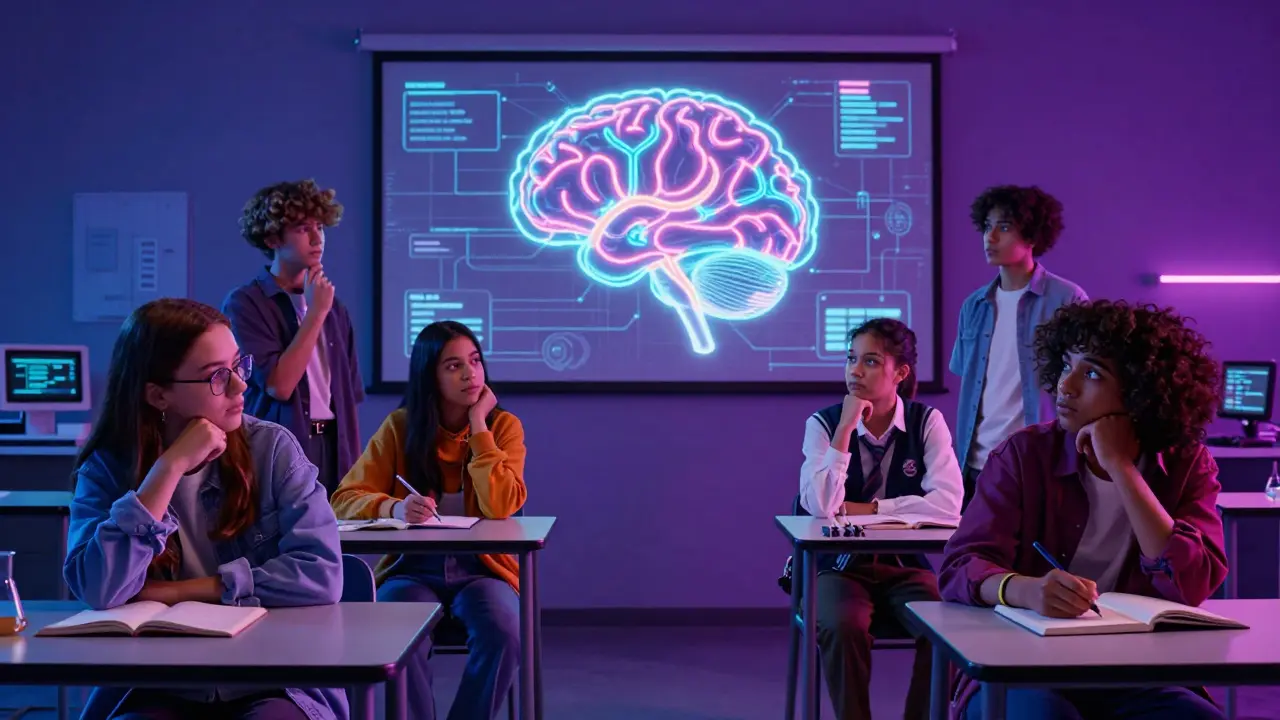
The way kids encounter drugs has changed, so the way we teach them must change too. Social media "challenges" involving medications have increased significantly. Modern curricula now include modules on "Medication Safety in the Digital Age" to help kids identify when a social media trend is actually a dangerous drug risk. Some schools are even experimenting with virtual reality to simulate peer pressure scenarios, which has led to 35% higher skill retention compared to traditional classroom lectures.
We are also seeing a shift toward integrating drug education with Social-Emotional Learning (SEL). By teaching kids how to manage stress, anxiety, and emotions, we address the root causes of why some people turn to substances in the first place. About 75% of the most successful current programs now include these mental health components.
How do I explain the difference between a brand-name drug and a generic drug to a child?
Use a food analogy. Tell them it is like two different brands of the same snack; one might have a fancy box (the brand name), while the other has a plain box (the generic), but the ingredients and the way they taste are exactly the same. Emphasize that the generic version is just as safe and works the same way in the body.
At what age should I start talking to my children about drug safety?
Start as soon as they are curious about the world, typically in preschool or kindergarten. Start with basic safety (don't touch medicines) and gradually move toward more complex topics like peer pressure and the science of addiction as they enter middle and high school.
Why are scare tactics considered ineffective in drug education?
Scare tactics often create a "forbidden fruit" effect, increasing curiosity rather than decreasing use. Additionally, when the "scary" outcomes don't happen immediately or exactly as described, children lose trust in the educator, making them less likely to listen to genuine warnings later on.
What are the best free resources for teaching kids about medicine?
Generation Rx is highly recommended for elementary-aged children, offering toolkits and the "Medication Safety Patrol." For older students, NIDA (National Institute on Drug Abuse) provides comprehensive, evidence-based lesson plans and webinars that are free for educators and parents.
How can I help my teen handle peer pressure regarding vaping or pills?
Focus on "refusal skills." Instead of just saying "no," help them practice specific phrases they can use to exit a situation without feeling socially isolated. Encourage critical thinking by asking them to analyze why the other person is pushing the substance, which shifts the power dynamic in their favor.
Next Steps for Parents and Educators
If you are looking to implement these strategies, start by auditing your current approach. Are you relying on "just say no," or are you providing factual, interactive information? For parents, a great first step is to secure all medications in a locked cabinet and have a casual conversation about why those locks are there.
For educators, look into the SAMHSA guidelines to ensure your curriculum is evidence-based. If you're facing parental objections to drug education, remember that most districts find success with a clear opt-out policy and by sharing the specific, science-backed materials with parents beforehand to alleviate concerns about age-appropriateness.
dallia alaba
April 21, 2026 AT 17:16Adding to the part about generic drugs, I've found that showing kids the actual pharmacy packaging of both the brand and generic can help them visualize the "different box, same juice" analogy much better. It turns a theoretical conversation into a tangible learning moment, which is huge for younger kids who still think in very concrete terms. Also, it's worth mentioning that some generic medications might have different inactive ingredients, like dyes, which is why the color changes, though the active part that helps them get better is identical. It's all about building that trust and transparency from the start so they don't feel like they're being tricked by a cheaper version of a medicine. If we empower them with the actual science, they become active participants in their own health rather than just passive followers of rules. It's a shift from "don't do this" to "here is how this works," and that's where the real growth happens in pediatric education.
Valorie Darling
April 22, 2026 AT 03:18pfft just lock the cabinet and call it a day lol why make it a whole science project
Bob Collins
April 22, 2026 AT 16:04Fair point about the locks, but kids are clever. They'll find a way if they're curious enough, so the education part is a solid backup plan.
Tokunbo Elegbe
April 24, 2026 AT 00:12I strongly agree with the emphasis on Social-Emotional Learning... it is the foundation upon which all other safety measures are built!!!
Shalika Jain
April 24, 2026 AT 05:04Imagine thinking a juice box analogy is "cutting edge" education. Honestly, the level of simplification here is almost insulting to the intelligence of a modern middle schooler who can just Google everything in two seconds anyway.
Mike Beattie
April 25, 2026 AT 13:32The cognitive dissonance here is palpable. We're talking about pharmacological efficacy and bioavailability in a simplified framework, but the pedagogical methodology remains essentially heuristic. It's a basic failure of systemic integration if we don't address the neurochemical drivers of addiction first.
Lucy Kuo
April 27, 2026 AT 10:26Oh, what a marvelous perspective on fostering trust between generations! It is truly heartwarming to see evidence-based strategies replacing the crude terror of the past!
Grace Grace
April 28, 2026 AT 10:27I totaly agree with the part about roleplaying! My daughter trieed out a few phrases we practicd and she felt way more confidant when her friends were vaping at the park. It's just so importnat to give them the actual words to use!
Olushola Adedoyin
April 29, 2026 AT 10:30The VR stuff is just a way to track their brains! First they simulate peer pressure, then they're plugging our kids into a digital hive mind to control how they think about "safety" while the big pharma companies laugh all the way to the bank with their fancy new pills!
Brigid Prosser
April 29, 2026 AT 10:39Get a grip on the conspiracy theories. The VR is just a tool to help kids not be terrified of saying no in a social setting, it's not a brain-chip.
Charlotte Boychuk
May 1, 2026 AT 03:28I love how this brings in the mental health side of things. If a kid is actually happy and coping well, the "forbidden fruit" isn't even that tempting to begin with. It's all about that vibe of stability at home.
Tanya Rogers
May 2, 2026 AT 00:28The juxtaposition of a food analogy against the complex reality of pharmaceutical chemistry is laughably reductive. One wonders if we are educating children or merely reciting a simplified script to appease parental anxieties regarding the concept of generics.
Cynthia Didion
May 3, 2026 AT 00:19USA has the best medical standards. This is the only way to do it.
Lynn Smith
May 3, 2026 AT 11:30I think this is such a helpful guide for all of us!