The Real Risk Behind Cheap Pills
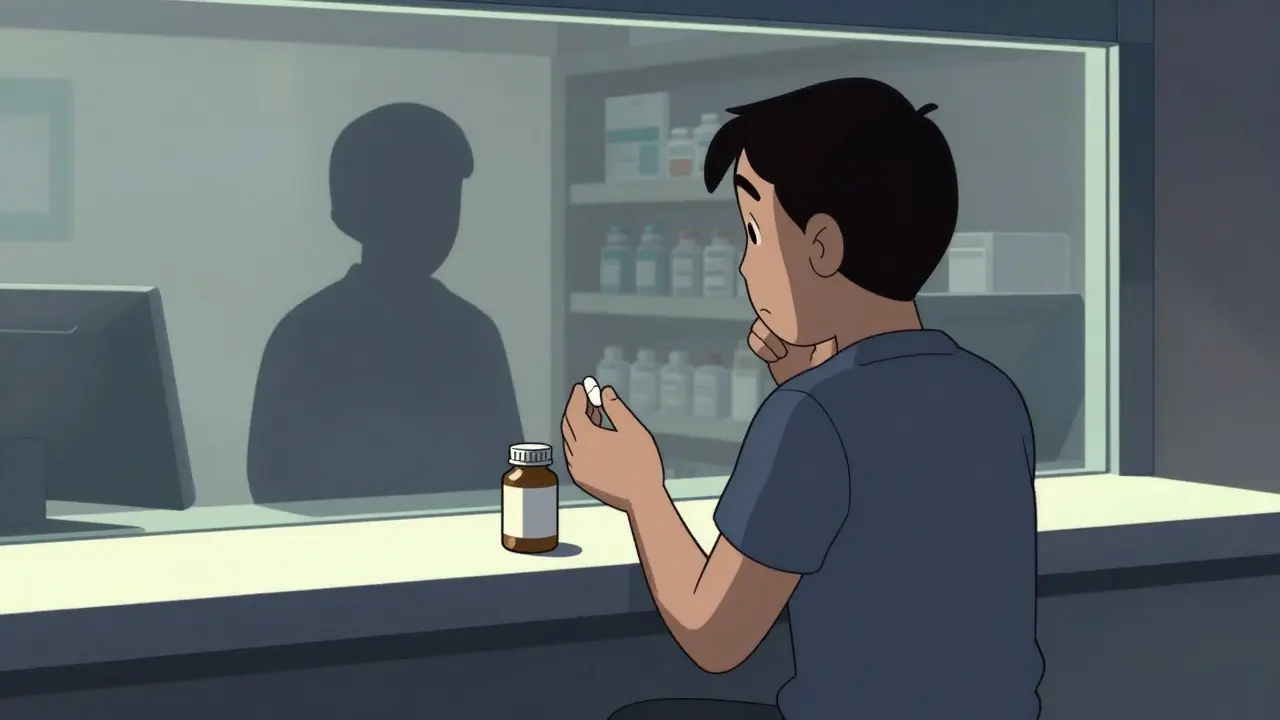
You stand at the counter holding a prescription. The pharmacist hands you a small white tablet. It looks different from the brand-name pill you took last year, and it cost thirty dollars less. Is this a win for your wallet or a gamble with your health? That question keeps many people awake at night.
We trust pharmacists, but supply chains are complex. In 2026, technology helps, but you still need to use your eyes. A legitimate Generic Drug is safe and effective, but a counterfeit version can be dangerous. Knowing the difference isn't rocket science. It comes down to checking specific details on the packaging and the pill itself.
This isn't about paranoia; it's about protection. You deserve medicine that works exactly as prescribed without hidden risks.
What Actually Makes a Drug "Generic"?
First, let's clear up confusion. People often think generic means "cheap quality." That is false. A legitimate generic contains the exact same Active Ingredient as the brand-name version. When a patent expires, other companies manufacture the same molecule.
Regulatory bodies like the FDA (in the US) or the MHRA (in the UK) require proof of Bioequivalence. This means the body absorbs the generic medicine at the same rate and strength as the original. The math is strict: the absorption must fall within a specific range, typically 80% to 125% of the brand drug's performance.
Why do they look different? Trademarks protect appearance, not chemistry. Colors and shapes are often proprietary branding. A generic might look distinct but act the same. However, a fake drug will not pass these tests. It might have the wrong dose or harmful fillers. Understanding this distinction is your first defense.
The Physical Inspection Checklist
When you get home from the Pharmacy, inspect the product immediately. Do not wait until you take the next dose. Here is what to look for:
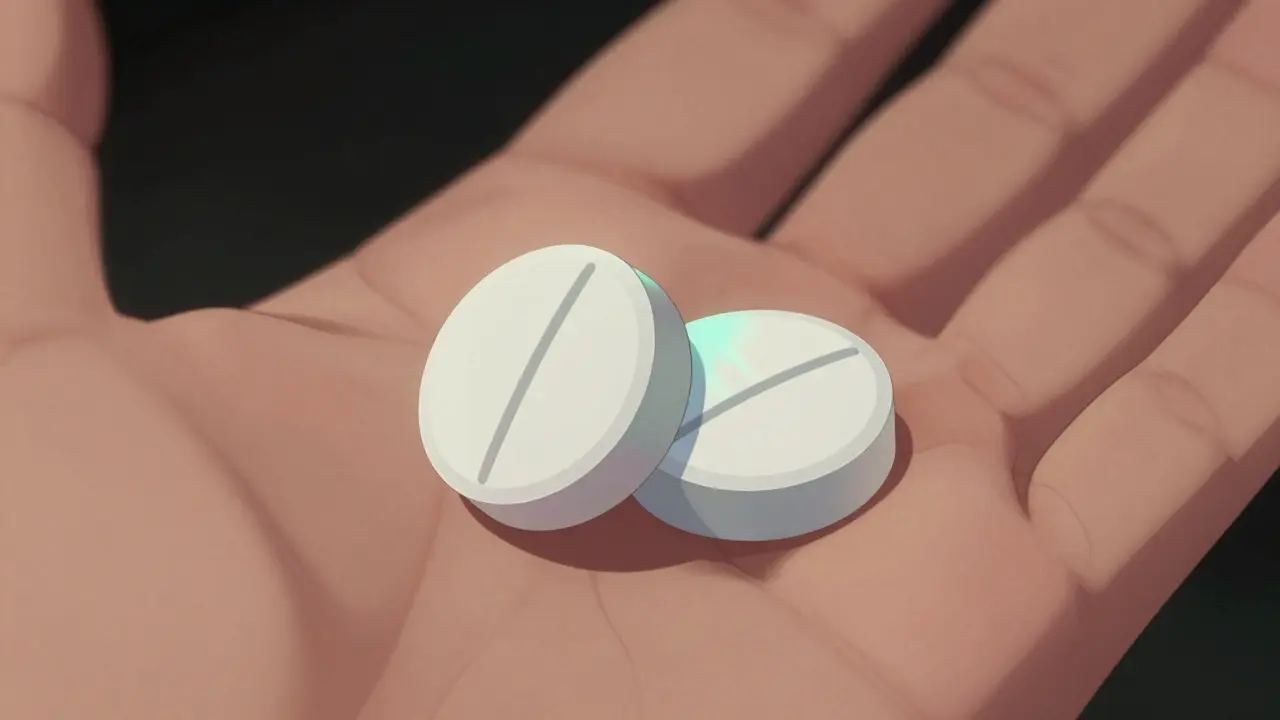
- Imprint Code: Every legitimate pill has a code stamped on it. This identifies the manufacturer and dosage. Fakes often lack this or have blurry markings.
- Color Consistency: While colors change between brands, one bottle should look uniform. If some pills are darker than others, something is wrong.
- Texture: Run your thumb over a tablet. It should feel smooth and factory-made. Cracked surfaces, excessive powder in the bottle, or crumbling edges signal poor manufacturing.
- Odor: Most medicines smell neutral. A strong chemical smell or vinegar scent is a major warning sign.
I've seen patients ignore these signs because the savings were too good. Don't let price blind you. A crack in the coating could mean moisture damage during storage. Moisture ruins stability. If the tablet crumbles, the active ingredient might have degraded.
Packaging Tells Its Own Story
The bottle matters just as much as the pill. Fake manufacturers often skip proper labeling to save money. Check the label for five key things:
- Manufacturer Name: The name must match a known company.
- Drug Name and Strength: Spelling errors are common in fakes.
- Lot Number: This tracks the batch. Without it, recalls are impossible.
- Expiration Date: Legit drugs always have one. Missing dates are suspicious.
- Seal Integrity: Tamper-evident bands on bottles should be intact, not cut or glued back on.
In the UK, check if the pharmacy is registered with the General Pharmaceutical Council (GPhC). In the US, verified sites belong to the NABP (National Association of Boards of Pharmacy). If you order online, look for the VIPPS seal. It costs extra effort now, but it saves trouble later.
| Feature | Legitimate Generic | Counterfeit/Fake |
|---|---|---|
| Appearance | Consistent color and shape | Inconsistent, cracked, or powdery |
| Labeling | Clean font, no typos | Misspellings, blurry text |
| Source | Registered pharmacy | Unverified website or dark web |
| Effectiveness | Matches clinical expectations | Sudden loss of effect or side effects |
Digital Verification Tools
Technology has made verification easier in 2026. Many boxes now come with unique serial numbers or QR codes. These are part of safety laws designed to trace drugs from factory to shelf. In the US, the Drug Supply Chain Security Act mandates electronic records. Scanning a code with apps like MediSafe can confirm the drug's identity instantly.
If you cannot find a digital link, search the government database. In the US, the FDA Orange Book lists all approved products. Enter the drug name and strength. If it doesn't show up there, ask your doctor. In Europe, the EUDRAG system provides similar checks. These public logs exist specifically for your peace of mind.
Recognizing Substandard Channels
Where you buy dictates what you get. Most fake drugs enter via unauthorized internet pharmacies. Statistics show that nearly 97% of websites selling dangerous counterfeits operate outside legal supply chains. They offer prices that sound too good to be true. If a site sells controlled substances without a prescription, stop. It is illegal and unsafe.
Brick-and-mortar pharmacies follow strict inventory controls. Pharmacists check chain-of-custody documents before accepting stock. When you walk into a high street chemist or a verified mail-order service, multiple layers of security have already cleared the product. Stick to these channels.
When Something Feels Wrong
Sometimes the drug feels wrong even if the bottle looks okay. Maybe you feel drowsy when you shouldn't, or a chronic condition suddenly spikes. Document these changes. Keep the empty bottle. Contact your doctor immediately.
Report it. Programs like the FDA MedWatch allow consumers to report suspected issues. In the UK, the Yellow Card Scheme captures adverse reactions. Reporting helps investigators track bad batches before they harm others. Your observation could protect neighbors in Manchester or worldwide.
Frequently Asked Questions
Can a generic drug work differently than the brand name?
Yes, sometimes. While active ingredients are identical, inactive ingredients (like fillers) can differ. For most people, this causes no issue. However, if you have allergies or sensitive digestion, inform your pharmacist so they can source a specific manufacturer's version.
Is it safe to buy generic drugs online?
Only from verified pharmacies. Look for accreditation marks like VIPPS in the US or GPhC registration in the UK. Avoid sites offering discounts without requiring a prescription, as these are likely illegal operations selling unregulated products.
What should I do if I suspect my medicine is fake?
Stop taking the medication immediately. Save the container and any remaining pills. Contact your prescribing doctor and report the incident to the local regulatory authority, such as the MHRA or FDA, to help prevent others from getting harmed.
Do all generic pills have to look the same?
No. Different manufacturers produce different appearances. As long as the prescription label matches the pill inside and the pharmacy is reputable, color and shape variations are normal and expected.
How long do generic drugs last?
Check the expiration date printed on the bottle. Properly stored medications are stable until that date. Once expired, efficacy may decline, though immediate danger varies by drug type. Never use expired medication.
Staying safe is a shared responsibility. Pharmacists handle the bulk of verification, but you hold the final power by watching the product. A quick check at home takes less than a minute and gives you confidence in your treatment. Remember, your health is worth the few seconds spent looking at that imprint code.
Sophie Hallam
March 27, 2026 AT 15:09This is really helpful information especially for people managing chronic conditions. It's important to trust the process but also stay vigilant. We all want safety without unnecessary fear. Thank you for breaking down the bioequivalence standards so clearly. I appreciate the checklist section at the bottom of the post. It gives actionable steps rather than just vague warnings. Health literacy is something we should all prioritize moving into the next decade. Keeping an eye on those imprint codes is smart advice. I hope pharmacies continue investing in these verification tools. Safety shouldn't be a gamble regardless of the price. We need systems that work for everyone. Thanks for sharing this resource here.
gina macabuhay
March 27, 2026 AT 22:13Honestly people are still too lazy to check their own pills and then blame the system when things go wrong. You pay extra for quality control because the cheap option usually means cutting corners somewhere. Trusting random internet sources is where most of the stupidity starts. If you cannot afford branded medicine maybe save up instead of risking your life. The responsibility lies with the consumer not the supply chain. Stop acting surprised when you buy poison from sketchy websites. Wake up and check the seal before opening it yourself. Do not make excuses for negligence.
Monique Louise Hill
March 28, 2026 AT 14:37Wow 🤯 totally agree! 😡 People need to stop being so lazy about checking their meds 💊🚫 Safety first always! 🔒 Don't let big corp exploit us but also don't be stupid! 👀 Stay vigilant family! 🙏💖
Sarah Klingenberg
March 28, 2026 AT 23:08Great read for anyone worried about their medication safety :) It is nice to know what signs to look for physically. Checking the texture and smell is something simple we can all do. Community support helps keep everyone informed during changes like this. Let's look out for each other when dealing with health issues :) Knowledge is power after all. We want peace of mind taking our prescribed treatments. Thanks for putting together such a solid guide here.
walker texaxsranger
March 30, 2026 AT 21:43people think the FDA actually regulates anything meaningful in this climate the data integrity is compromised by proprietary algorithms that hide the real supply chain routes from public view i have seen manifests that dont match the blockchain ledgers at all the serial numbers are recycled from older batches to fake compliance markers the QR codes are often generated by third party scripts easily spoofed by bad actors who run shadow manufacturing plants offshore there is a systematic rot in the oversight protocols itself the DSCSA is just theater for public consumption while the real movement happens through dark web nodes nobody checks the active pharmaceutical ingredient purity levels properly the excipients used in generics are often sourced from unregulated regions in eastern europe or asia where labor laws are non existent regarding chemical waste disposal you get what you paid for which is basically sludge in a bottle pretending to be hydrochloride salts the absorption rates mentioned in the text are theoretical numbers that ignore human metabolic variance entirely we are playing russian roulette with our biology because politicians care more about shareholder value than patient outcomes the visual inspection tricks listed here barely scratch the surface of actual contamination vectors you are trusting a broken gatekeeper system that profits from selling you safety theater instead of real security measures the regulatory frameworks are fundamentally designed to fail under market pressure trust is not a valid strategy in this environment
Debra Brigman
April 1, 2026 AT 01:57The essence of trust lies in the tangible manifestation of our collective well-being. When we gaze upon the pill we see a microcosm of societal reliability or decay. It is a dance between commerce and mortality played out on the tongue. We must question the nature of authenticity in a digital age. Perhaps the imperfection is the only truth we can hold. Beauty in a capsule is subjective but efficacy is absolute. We navigate the currents of risk with every swallow. May we find grace in the verification process itself. The journey from factory to flesh is sacred ground. Respect the vessel that carries our hope.
Aaron Olney
April 2, 2026 AT 04:44OMG I almost bought some stuff online last year and saved me literally my LIFE!!! They never taught us this in school. Its so scary how many fake ones are out there now. My aunt got sick because the pills were chalky and she didn't know better. WE NEED TO BE CAREFUL OR WE DIEEEE!! Please share this everywhere bc its life saving info fr fr. I am shaking thinking about what could happen if I ignored the label warning signs. The thought of ingesting toxic fillers is absolutely devastating to comprehend. Someone tell my doctor about this ASAP please help!!!!!
Jordan Marx
April 3, 2026 AT 00:41Hey buddy take a deep breath you are doing the right thing by researching. Pharmacovigilance is indeed critical for maintaining therapeutic outcomes. Bioavailability markers are the key metric we need to validate stability profiles. Always verify the lot number against the manufacturer batch records before ingestion. It is great you are engaging with the material so proactively. Your safety profile matters more than any discount offered. Stick to verified channels and cross reference with official databases regularly. You are showing excellent health literacy skills here. Keep up the advocacy for safe medication access. We are all in this health ecosystem together.
Sabrina Herciu
April 3, 2026 AT 20:00You are correct that the packaging integrity is paramount for preventing tampering incidents.!!! The expiration date serves as a critical anchor point for chemical stability testing.,,;; Lot numbers allow regulatory bodies to trace adverse events back to specific production runs.,; Quality control laboratories must maintain rigorous documentation logs throughout the entire distribution chain.,, Do not overlook the importance of tamper-evident bands on prescription bottles.,.! These indicators provide the first line of defense against unauthorized access.,;; Serial verification via QR codes offers an additional layer of digital authentication.,,, Always consult your local pharmacist if discrepancies arise during inspection.,! Reporting suspicious findings to the FDA MedWatch program is a civic duty.,!! Never hesitate to contact medical professionals regarding formulation inconsistencies.,, Your diligence contributes directly to the broader public safety network.,! Thank you for highlighting these essential verification checkpoints.,,
Shawn Sauve
April 4, 2026 AT 07:43Thanks for sharing this info :)