
Imagine treating your seasonal allergies without a single needle stick. That is the promise of Sublingual Immunotherapy, commonly known as SLIT. It is a needle-free allergy treatment method that builds immune tolerance by administering allergens under the tongue through specialized tablets or droplets. For years, patients had to choose between daily antihistamines that masked symptoms or weekly allergy shots that required office visits and caused anxiety for those with needle phobia. Now, there is a third path.
The first FDA-approved SLIT tablet launched in 2014, changing the landscape for grass pollen sufferers. Since then, the market has expanded to include treatments for ragweed and dust mites. But not everyone is a candidate, and the results vary depending on what you are allergic to. This guide breaks down who qualifies for these tablets, how they actually work inside your body, and whether they are more effective than traditional shots.
Who Is the Ideal Candidate for SLIT Tablets?
You cannot just walk into a pharmacy and buy these tablets over the counter. They are prescription medications designed for specific conditions. The ideal candidate has moderate-to-severe allergic rhinitis (hay fever) confirmed by skin prick tests or blood tests showing elevated IgE levels against specific allergens.
Currently, the Food and Drug Administration (FDA) has approved SLIT tablets for only three main triggers:
- Ragweed: Specifically for adults aged 18 to 51 with symptomatic seasonal allergic rhinitis due to ragweed.
- Northern Pasture Grasses: Including timothy grass, for children as young as five and adults up to 65.
- Dust Mites: For individuals aged 12 to 65 suffering from perennial allergic rhinitis caused by house dust mites.
If your primary trigger is cat dander, dog hair, or mold, you are likely not a candidate for current FDA-approved SLIT tablets in the United States. While some countries have different approvals, US patients with these allergies usually look toward subcutaneous immunotherapy (SCIT), also known as allergy shots, which can be customized for virtually any allergen.
Contraindications matter too. You should generally avoid SLIT if you have severe, uncontrolled asthma, eosinophilic esophagitis, or anatomical issues in the mouth that prevent holding a tablet under the tongue. The goal is safety; if your airways are already compromised, introducing an allergen-even in a controlled way-carries higher risks.
How SLIT Works: The Science Under the Tongue
It sounds simple: place a pill under your tongue, wait two minutes, swallow. But biologically, it is a complex process. When you hold the tablet under your tongue, the allergen crosses the sublingual mucosa within 15 to 30 minutes. This area is rich in Langerhans' cells, which act as sentinels.
These cells capture the antigen and migrate to regional lymph nodes within 12 to 24 hours. There, they present the processed allergen to T cells. Instead of triggering an attack, this exposure encourages the production of anti-inflammatory cytokines like IL-10 and TGF-β. Essentially, you are retraining your immune system to stop attacking harmless particles like grass pollen.
This mechanism differs from SCIT. Shots inject allergens directly into subcutaneous tissue, bypassing the oral mucosa's "immuno-privileged" status. Research published in PMC notes that SLIT induces selective apoptosis (cell death) of certain allergen-specific T cells while boosting regulatory T cells (Tregs). This leads to a state of tolerance rather than just suppression.
Efficacy: Do SLIT Tablets Actually Work?
Yes, but with caveats. A 2016 study in the Annals of Agricultural and Environmental Medicine documented that SLIT provides a symptom reduction of 30% to 50% compared to placebo. In contrast, traditional allergy shots (SCIT) typically show a 40% to 60% reduction. Direct head-to-head studies are limited, but experts generally agree that SCIT might offer slightly higher efficacy for the same allergen.
However, "efficacy" isn't just about numbers. It is about consistency. A 2022 patient survey in the Journal of Allergy and Clinical Immunology: In Practice found that 68% of SLIT patients adhered to their treatment after 12 months. Compare that to 52% adherence for SCIT. Why? Convenience. If you skip doses because you hate needles or lack time for clinic visits, the treatment fails. SLIT wins on compliance because you take it at home.
| Feature | SLIT Tablets | SCIT (Allergy Shots) |
|---|---|---|
| Administration | Home use (after initial doctor visit) | Clinic visits required |
| Allergen Coverage | Limited (Grass, Ragweed, Dust Mite) | Customizable (Any allergen) |
| Safety Profile | Mild local reactions (itching); rare systemic | Higher risk of systemic reactions/anaphylaxis |
| Efficacy Range | 30-50% symptom reduction | 40-60% symptom reduction |
| Treatment Duration | 3-5 years daily | 3-5 years weekly/monthly |
| Adherence Rate | ~68% | ~52% |

Safety and Side Effects
Safety is one of SLIT's biggest selling points. Dr. Richard F. Lockey, an immunologist at the University of South Florida, noted in a 2017 publication that SLIT has no reported fatalities, whereas SCIT caused 20-40 annual deaths in the US between 1990 and 2004. Anaphylaxis from SLIT is rare, occurring in approximately 0.14% of doses according to post-marketing surveillance.
Most side effects are local and mild. About 43% of users report oral itching, swelling, or throat irritation. These symptoms usually resolve within weeks as your body adjusts. However, the FDA requires a Black Box warning for all SLIT tablets due to the potential for anaphylaxis. This is why you must take the very first dose under a doctor's supervision. After that, you self-administer at home.
If you experience difficulty breathing, wheezing, or widespread hives, you need emergency care immediately. Keep epinephrine auto-injectors nearby if your allergist recommends them.
Cost and Insurance Coverage
Money is often the dealbreaker. SLIT tablets are expensive. Out-of-pocket costs average $85 to $120 per month per allergen, according to GoodRx data from 2023. Over a typical three-year course, that adds up quickly. Annual costs range from $1,200 to $1,800, compared to $800 to $1,200 for SCIT when factoring in office visits.
Insurance coverage varies wildly. Medicare covers 80% of costs for approved indications, but many private insurers require "step therapy." This means you must prove that antihistamines and nasal steroids failed before they will pay for immunotherapy. Some plans exclude SLIT entirely, forcing patients to pay cash. Always check with your provider before starting treatment to avoid surprise bills.
Practical Implementation: Getting It Right
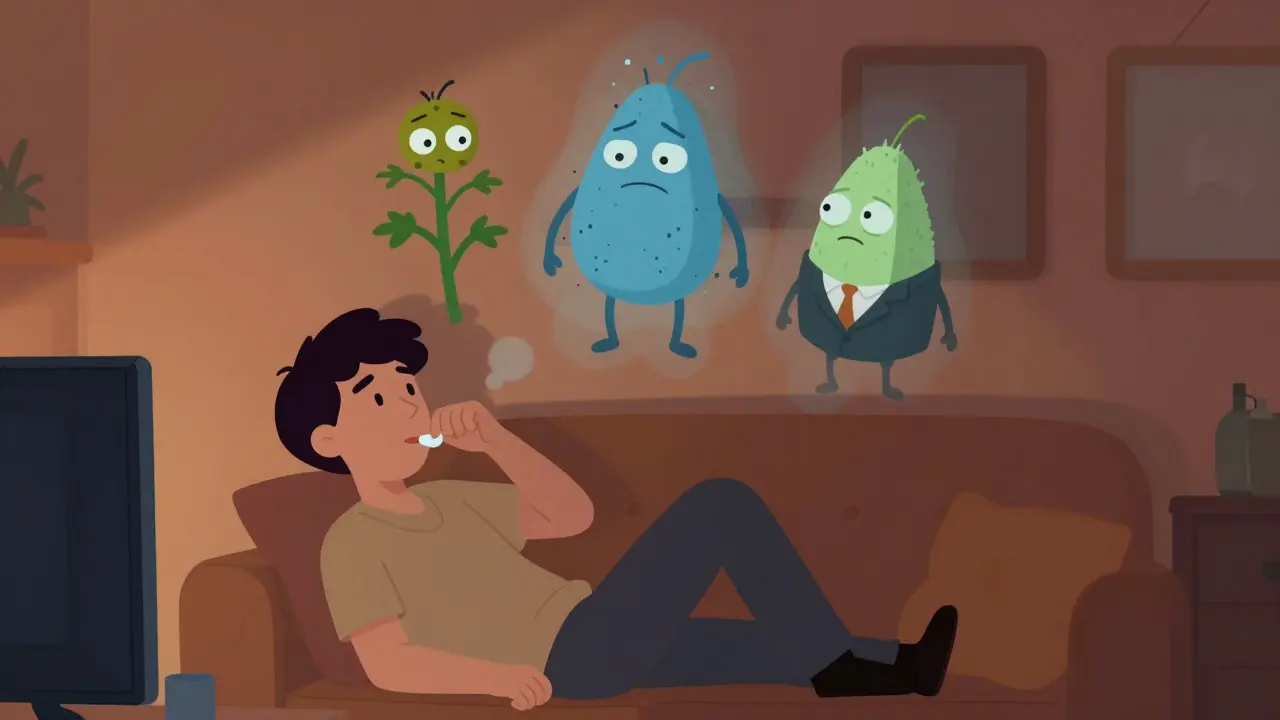
Proper technique is crucial. If you swallow the tablet too quickly, you lose up to 40% of the allergen absorption, rendering the dose less effective. Here is the protocol:
- Place the tablet under your tongue.
- Hold it there for 1 to 2 minutes without swallowing saliva excessively.
- Swallow the dissolved tablet.
- Avoid eating or drinking for 5 minutes afterward.
The learning curve is minimal. Ninety-five percent of patients master this after the first supervised dose. To help with adherence, many manufacturers provide mobile apps. For example, Grastek’s adherence app is used by 42% of its patients to track doses and set reminders. Consistency is key; missing doses disrupts the immune modulation process.
Future Outlook and New Approvals
The field is moving fast. In 2023, the FDA approved Pollenguard for grass pollen, adding competition to the existing Grastek option. Meanwhile, phase 3 trials for peanut SLIT tablets showed promising results, with 67% of participants achieving tolerance to 600mg of peanut protein after 44 weeks. This could revolutionize food allergy treatment.
Europe has already approved multi-allergen SLIT tablets combining grass, birch, and olive pollen. Experts predict similar approvals in the US by 2026. Researchers are also exploring biomarker-guided dosing. Preliminary data suggests that measuring IL-10 levels at week 8 could predict long-term efficacy with 82% accuracy, allowing doctors to tailor doses more precisely.
Can I use SLIT tablets for pet allergies?
Currently, no FDA-approved SLIT tablets exist for cat or dog dander in the United States. You would need to consult an allergist about subcutaneous immunotherapy (shots) or off-label compounded SLIT drops, though the latter carries higher risks and lacks standardized regulation.
How long does it take for SLIT to work?
Most patients notice improvement within the first year, but full benefits often take 3 to 5 years of consistent daily use. It is a long-term commitment, not a quick fix. About 32% of users expect faster results and may become discouraged early on.
Is SLIT safe for children?
Yes, for specific allergies. Grastek is approved for children as young as five for grass pollen, and Odactra is approved for ages 12 and up for dust mites. Always follow pediatric allergist guidelines for dosing and monitoring.
What happens if I miss a dose?
If you miss a single dose, take it as soon as you remember unless it is close to your next scheduled dose. Do not double up. Frequent missed doses reduce efficacy. Use apps or alarms to maintain the daily routine required for immune tolerance.
Does insurance cover SLIT tablets?
Coverage varies. Medicare covers approved indications, but many private insurers require step therapy (proving other meds failed) or may exclude SLIT entirely. Check your plan's formulary and prior authorization requirements before starting treatment.




Desirea Gaona
May 16, 2026 AT 01:07It is truly fascinating to observe how medical advancements continue to prioritize patient comfort and accessibility in such a profound manner. The detailed explanation regarding the immunological mechanisms, specifically the role of Langerhans' cells and the subsequent migration to regional lymph nodes, provides a robust scientific foundation for understanding why this method induces tolerance rather than merely suppressing symptoms. Furthermore, the emphasis on safety profiles, noting the absence of reported fatalities compared to subcutaneous immunotherapy, offers significant reassurance to those who may have previously hesitated due to fear of anaphylaxis or systemic reactions. It is imperative that individuals consult with qualified healthcare professionals to determine eligibility, as contraindications such as severe asthma must be carefully evaluated before initiating treatment.
Yuvraj Singh
May 17, 2026 AT 13:48This is a very comprehensive overview of SLIT therapy and its current standing in the US market. I would like to add some context from other regions since the FDA approvals are quite limited compared to Europe. In many European countries, multi-allergen SLIT tablets are already available, which allows patients allergic to grass, birch, and olive pollen to take a single tablet instead of three separate ones. This significantly improves compliance and reduces cost per allergen covered.
The mechanism described here aligns well with clinical data we see globally where regulatory T cells (Tregs) play a crucial role in establishing long-term tolerance. One thing often overlooked is the importance of consistent daily use during peak allergy seasons versus year-round usage depending on the specific allergen profile. For dust mites, year-round is essential, whereas for seasonal grasses, starting 4-8 weeks before the season begins yields better results.
If anyone is considering this route, ensure your allergist discusses both FDA-approved options and potentially compounded drops if you have non-approved allergies like pet dander, though the latter lacks standardized regulation.
Dana Ellington
May 18, 2026 AT 01:47OMG this is so helpful!!! I have been suffering from ragweed allergies for years and my nose feels like it is constantly running into a towel 🤧 The idea of not having to go to the clinic every week sounds like a dream come true honestly. I am super scared of needles so the thought of shots makes me want to cry 😭 But wow $120 a month is steep right?? My insurance probably wont cover it either sigh. Does anyone know if they actually work fast enough for this coming season or do you have to wait months? I need relief NOW lol. Also does it taste bad? I heard something about a weird aftertaste that made people gag.
victoria catharinaa
May 19, 2026 AT 00:24You need to stop complaining about the cost and look at the bigger picture here. If you cannot afford proper treatment then maybe you should budget better instead of whining online. These tablets save lives and improve quality of life massively. People who skip doses because they are lazy deserve their allergies. Just get the shot if you are broke. Stop being weak.
Glen Speck
May 19, 2026 AT 08:24the philosophical implication of retraining our immune systems is quite profound really we are essentially negotiating peace treaties with our own biology instead of waging war against harmless environmental factors like pollen or dust mites it forces us to consider how much of our suffering is self inflicted by our own biological responses rather than the external stimuli themselves perhaps this mirrors broader societal conflicts where dialogue and tolerance yield better outcomes than aggressive suppression or avoidance strategies
Sam Mackellar
May 21, 2026 AT 03:05I respectfully disagree with the notion that one should simply dismiss financial concerns as trivial matters of personal budgeting. The economic burden of chronic health management is a systemic issue that affects millions of individuals regardless of their personal fiscal discipline. While the efficacy of Sublingual Immunotherapy is undeniable, the accessibility barriers created by high out-of-pocket costs and restrictive insurance policies remain significant hurdles. It is important to advocate for broader coverage and more affordable alternatives rather than attributing treatment adherence solely to individual character traits or laziness. We must foster a supportive environment that encourages open dialogue about these challenges without resorting to derogatory language or judgmental attitudes towards those seeking relief from debilitating conditions.
Lori Wildrick
May 22, 2026 AT 15:27I totally get the hesitation about the cost but honestly trying to live with constant sneezing and itchy eyes is worse than paying for the tablets in the long run. I started mine last year and while it took a few months to really notice a difference now i barely need antihistamines anymore. It feels amazing to wake up without congestion. Just stick with it even if it feels like nothing is happening at first. You got this! 💪
Emma Olliff
May 22, 2026 AT 21:12Let us be clear about one thing: relying on anecdotal evidence from internet forums is intellectually lazy and scientifically unsound. The post correctly identifies that SLIT requires strict adherence and medical supervision yet here we are reading unqualified opinions from individuals who likely lack any formal training in immunology. The pretension of claiming success based on subjective feeling rather than objective IgE level reduction or symptom score metrics is laughable. If you cannot commit to a rigorous three-to-five-year protocol with daily administration and regular follow-ups then you are not a candidate for serious medical intervention. Do not waste your time or money expecting miracles from a pill that works through complex cellular apoptosis mechanisms which require precision and consistency to achieve meaningful tolerance.
Diana Wiechecka
May 23, 2026 AT 02:50Interesting points everyone 🤔 I wonder if the taste varies between brands? I tried Grastek and it had a slight salty flavor but nothing too bad. Curious if Odactra tastes different since it is for dust mites instead of grass. Has anyone noticed if taking it with food ruins the absorption rate? I usually eat breakfast right after putting it under my tongue and hope it still works 😅
Kathryn Byrd
May 24, 2026 AT 14:44The distinction between local mucosal immunity and systemic immunity is critical here. Many patients misunderstand why swallowing the tablet immediately renders it ineffective. The sublingual area contains specialized dendritic cells that sample antigens without triggering strong inflammatory responses initially. By holding the tablet there for two minutes you allow sufficient time for antigen uptake before salivary enzymes break down the proteins or gastric acid destroys them upon swallowing. This targeted delivery system is what makes SLIT distinct from oral ingestion of allergens which can sometimes exacerbate gastrointestinal issues like eosinophilic esophagitis. Understanding this physiological nuance helps explain the strict instructions provided by manufacturers.
Christina Moran
May 26, 2026 AT 03:03hey guys i just wanted to say thanks for sharing all this info. i was so confused about why my doctor said i cant get the tablet for my cat allergy. turns out its only for grass ragweed and dust mites here in the us. sucks but at least i know why. also does anyone know if the app mentioned in the article is free or paid? i forget things all the time so i would need reminders lol