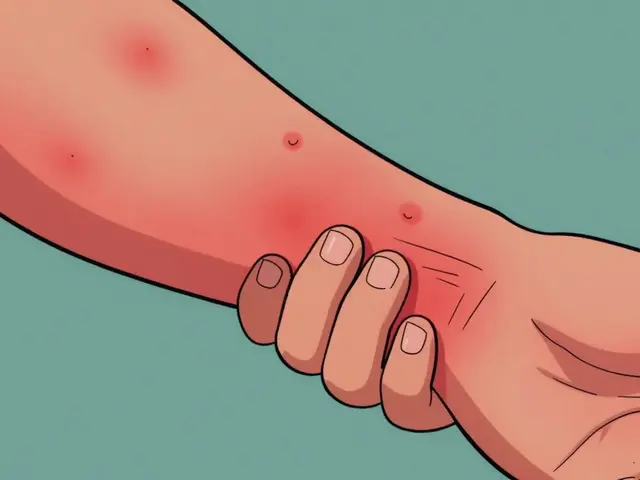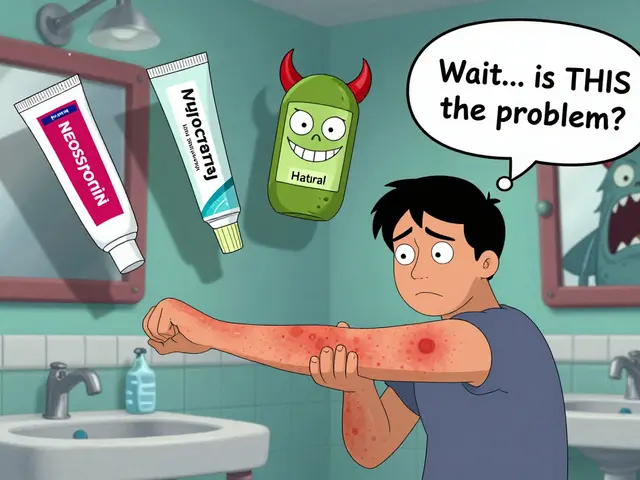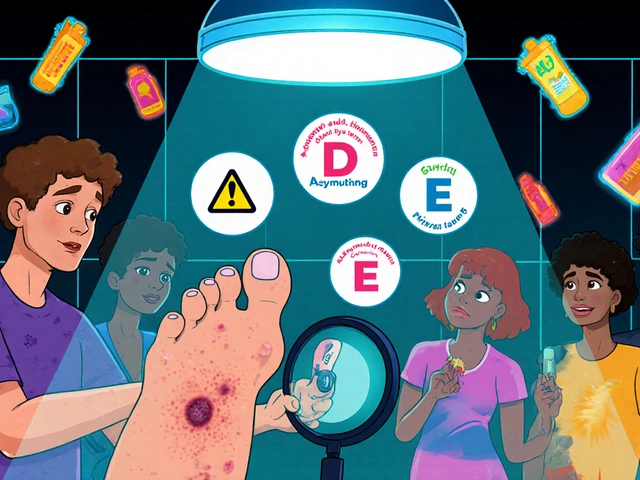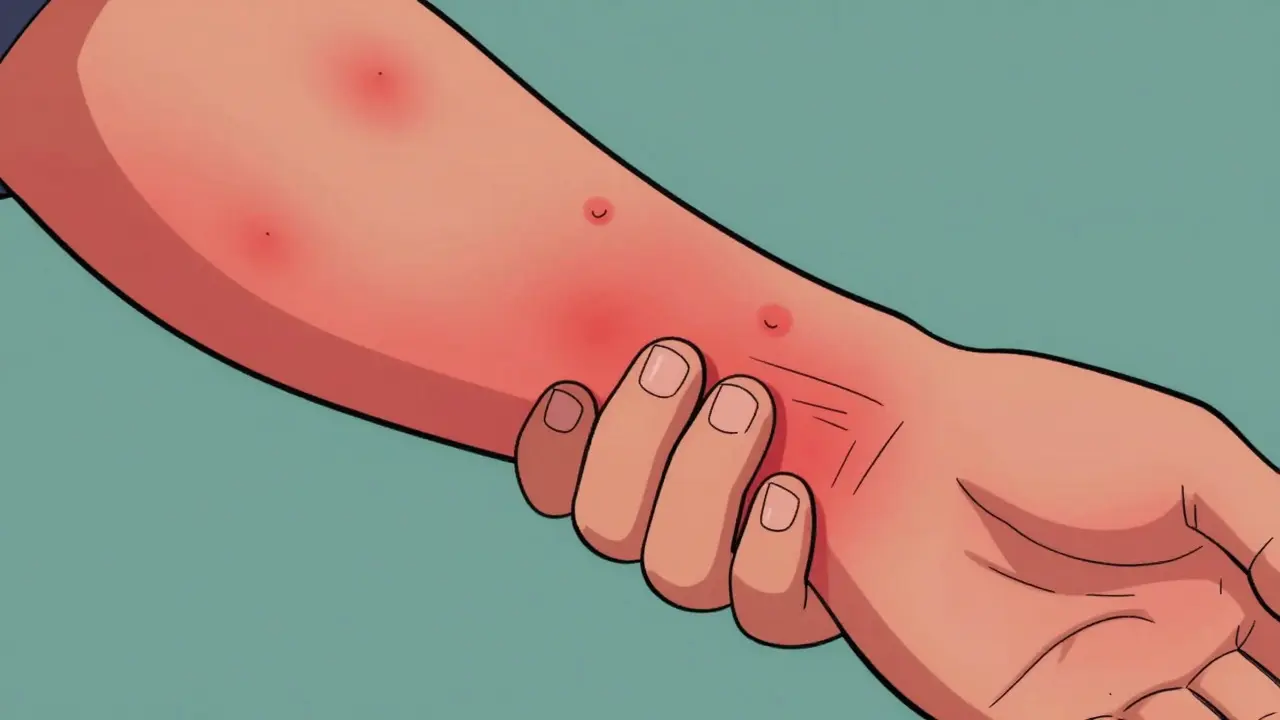
Itchy, red, and inflamed skin that won't go away? You might be dealing with Contact Dermatitis is a common skin condition caused by an allergic reaction or irritant exposure to a specific substance. Unlike hives or food allergies, this reaction doesn't happen instantly. It takes days for the immune system to recognize the culprit, which makes finding the source frustratingly difficult. If you've been battling unexplained rashes on your hands, face, or wrists, knowing how to identify and avoid the trigger is the only way to get lasting relief.
The good news is that once you find the allergen, managing it is straightforward. You don't need expensive treatments or lifelong medication; you just need to know what to stay away from. This guide breaks down exactly how doctors pinpoint these hidden triggers and gives you practical steps to protect your skin daily.
Key Takeaways
- Patch testing is the gold standard for diagnosing allergic contact dermatitis, taking about three visits over four days.
- Nickel is the most common contact allergen, affecting nearly 15% of tested patients in North America.
- Avoidance works: 82% of patients see significant improvement after removing the specific trigger from their routine.
- Hidden sources are tricky; fragrances and preservatives often hide in 'scent-free' products.
- Workplace exposures account for 90% of cases in industrial settings, making occupational health checks crucial.
Understanding the Reaction: Why Your Skin Reacts
To fix the problem, you first have to understand what's happening under the surface. Allergic Contact Dermatitis (ACD) is a delayed-type hypersensitivity reaction. Think of it like a security guard who remembers a specific face. The first time your skin touches a chemical called a hapten, nothing happens. But if you touch it again, your immune system recognizes it as a threat and launches an attack, causing inflammation.
This process involves Langerhans cells in your epidermis picking up the allergen and carrying it to lymph nodes. There, T-Helper cells activate and send inflammatory signals back to the skin site. This is why the rash appears days after exposure, not minutes. According to data from the Centers for Disease Control and Prevention (CDC), this condition affects an estimated 13.7 million workers annually in the United States alone. It’s not just a cosmetic issue; it can severely impact quality of life, sleep, and work productivity.
The Gold Standard: How Patch Testing Works
If you suspect ACD, seeing a dermatologist is step one. They will likely recommend Patch Testing is the primary diagnostic method used to identify specific substances causing allergic contact dermatitis. Unlike skin prick tests that check for immediate reactions (like pollen or dust mites), patch testing looks for the delayed response typical of contact allergies.
The procedure usually follows a strict schedule:
- Application (Day 1): Small amounts of potential allergens are placed on adhesive patches and taped to your back. The standard TRUE Test includes 29 common antigens.
- First Reading (Day 2): Patches are removed, and the doctor checks for early signs of reaction.
- Final Reading (Day 4): This is the critical step. Most allergic reactions peak at 48 to 96 hours. The doctor evaluates the skin for redness, swelling, or blistering.
Dr. Matthew Zirwas, Director of the Ohio Dermatology Association Contact Dermatitis Center, notes that patch testing changes management in 60-70% of cases when performed correctly. However, interpretation requires expertise. Non-specialists may miss subtle reactions, so seeking a board-certified dermatologist experienced in contact dermatitis is vital.

Common Culprits: What Triggers the Rash?
Thousands of chemicals can cause ACD, but a few stand out significantly. Knowing these helps you narrow down your search before even getting tested.
| Allergen | Common Sources | Prevalence Rate |
|---|---|---|
| Nickel Sulfate | Jewelry, belt buckles, phone cases, coins | 14.7% |
| Thimerosal | Vaccines, some eye drops, preserved cosmetics | 5.0% |
| Cobalt Chloride | Dyes, paints, cement, diet (chocolate/coffee) | 4.8% |
| Fragrance Mix | Perfumes, lotions, soaps, detergents | 3.4% |
| Balsam of Peru | Flavors, dyes, plants (mangoes, lemons), resins | 3.0% |
Nickel remains the top offender globally. Dr. Jacob Thyssen from Copenhagen University Hospital highlights that while EU regulations have reduced nickel prevalence by 25% since 2004, it still affects 17.4% of women and 3.0% of men in North America. Fragrance is another sneaky one. It affects 1-4% of the general population, but because it hides in hundreds of product types, identifying the specific fragrance molecule often requires expanded testing beyond the standard panel.
Occupational Hazards: When Work Causes the Problem
If your job involves hands-on work, your risk skyrockets. Occupational exposures account for approximately 90% of ACD cases in industrial settings. Certain professions are high-risk zones:
- Hairdressers: 42.3% prevalence due to hair dyes, shampoos, and gloves.
- Healthcare Workers: 25.7% prevalence from latex gloves, disinfectants, and adhesives.
- Construction Workers: 18.9% prevalence from cement (chromium), paints, and solvents.
In these scenarios, OSHA guidelines often mandate employer cooperation in identifying allergens. If you suspect work-related dermatitis, document your symptoms and product exposures. An occupational health specialist can help distinguish between home-based and workplace triggers, which is crucial for effective avoidance strategies.

Building Your Avoidance Strategy
Once you have your results, the real work begins. Avoidance isn't just about throwing away the offending product; it's about reading labels and understanding cross-reactivity.
1. Read Labels Like a Detective
Ingredients lists can be confusing. For example, 'fragrance' or 'parfum' can hide dozens of different chemicals. If you're allergic to a specific fragrance mix component, you need to know its INCI name (International Nomenclature of Cosmetic Ingredients). The American Contact Dermatitis Society provides the Contact Allergen Replacement Database (CARD), which lists safe alternatives for 27 common allergens. As of 2024, this database covers over 18,000 consumer products.
2. Watch for Cross-Reactivity
Allergens often come in families. If you react to Balsam of Peru, you might also react to mangoes, lemon peels, or certain spices like cinnamon. Similarly, nickel allergy sufferers often react to cobalt and chromium. Your dermatologist will provide a personalized list of these related substances to avoid.
3. Create Barrier Protection
For hand dermatitis, wearing nitrile gloves (if not allergic to them) during chores can prevent direct contact. Apply a thick emollient or barrier cream before exposure to water or cleaning agents. This creates a physical shield that reduces penetration of irritants.
4. The Elimination Challenge
Your doctor may ask you to strictly avoid the suspected allergen for 2-4 weeks. Studies show 68% of patients see measurable improvement within this timeframe. If your skin clears up, you've confirmed the diagnosis. If not, further testing may be needed.
When Standard Tests Miss the Mark
The standard TRUE Test covers 29 antigens, but there are thousands of potential allergens. About 33% of patients require expanded testing to find their specific trigger. This can be costly and time-consuming. Patient reports indicate that missing an allergen like formaldehyde or cocamidopropyl betaine can lead to years of misdiagnosis.
If your standard patch test comes back negative but your symptoms persist, ask your dermatologist about:
- Expanded Series: Testing for additional occupational or hobby-specific allergens (e.g., epoxy resins for mechanics, specific plant oils for gardeners).
- Product Testing: Bringing the actual product causing the rash to the clinic for direct testing.
- Laboratory Analysis: In complex cases, gas chromatography-mass spectrometry (GC-MS) can identify unknown chemicals in a product.
Living with Contact Dermatitis: Practical Tips
Managing ACD is a lifestyle adjustment, not a cure. Here’s how to make it easier:
- Simplify Your Routine: Switch to hypoallergenic, fragrance-free soaps and moisturizers. Look for products labeled 'for sensitive skin' or those specifically formulated without common allergens.
- Check Jewelry: If you’re nickel-allergic, stick to gold, platinum, or titanium. Ensure any new jewelry is marked as hypoallergenic.
- Maintain Skin Barrier: Healthy skin is better at blocking allergens. Use gentle cleansers and moisturize frequently, especially after washing hands.
- Stay Educated: New products launch constantly. Learn the INCI names of your known allergens so you can spot them on new labels.
Remember, consistency is key. One slip-up-wearing a cheap watch band or using a new shampoo-can reignite the cycle. Keep a log of products you use and any flare-ups to help identify patterns over time.
How long does it take for patch test results to appear?
Patch testing typically requires three visits over four days. The patches are applied on Day 1, removed on Day 2, and the final reading occurs on Day 4 (96 hours) because allergic contact dermatitis is a delayed reaction.
Is contact dermatitis contagious?
No, contact dermatitis is not contagious. It is an individual immune response to a specific substance. However, if you share the same environment or products as someone else, they might develop the same allergy independently.
Can I cure contact dermatitis permanently?
There is no medical 'cure' in the sense of a pill that resets your immune system. The treatment is avoidance. If you successfully avoid the allergen, the condition will not return. Some people may lose sensitivity over many years, but this is unpredictable.
There is no medical 'cure' in the sense of a pill that resets your immune system. The treatment is avoidance. If you successfully avoid the allergen, the condition will not return. Some people may lose sensitivity over many years, but this is unpredictable.
What is the difference between irritant and allergic contact dermatitis?
Irritant contact dermatitis is a non-immune reaction caused by direct damage to the skin (e.g., strong acids, repeated soap use). It affects anyone exposed to enough of the irritant. Allergic contact dermatitis is an immune-mediated reaction that only affects people sensitized to that specific allergen.
Do I need to test every product I use?
Not necessarily. Start with the standard patch test panel. If results are negative, your doctor will guide you toward targeted testing based on your history. Testing every single product is impractical and often unnecessary.