CKD Antacid Safety Checker
⚙ Your Details
Select your details and click "Check Safety" to see if an antacid is safe for your condition.
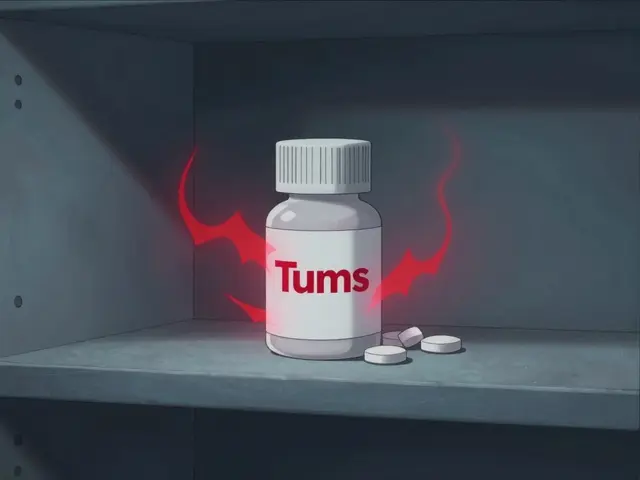
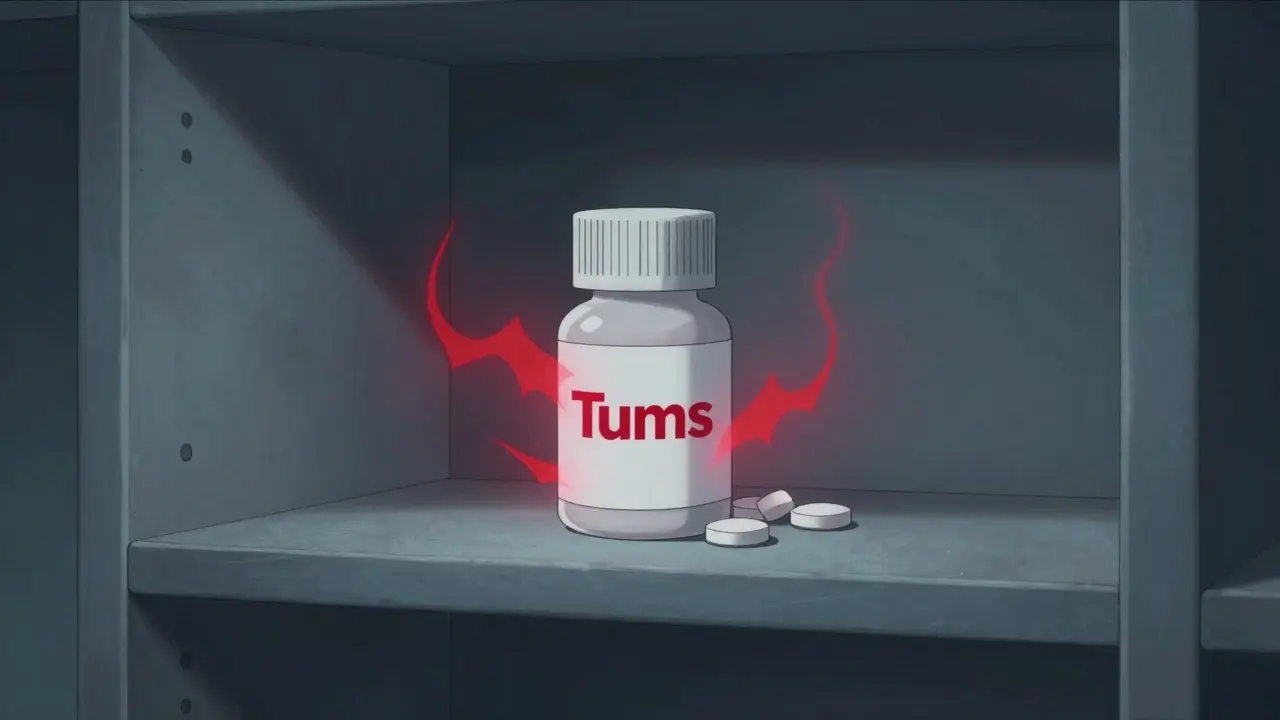
That bottle of Tums or Rolaids in your medicine cabinet is a lifesaver for heartburn. But if you have chronic kidney disease (CKD), that same bottle could be quietly damaging your blood vessels or stopping your other life-saving medications from working. It sounds counterintuitive, right? We’re told antacids are safe, over-the-counter basics. Yet for the millions of people managing kidney issues, these common drugs act as double-edged swords.
The relationship between antacids and kidney function is complex. On one hand, certain antacids are repurposed by doctors to treat high phosphate levels-a deadly complication of advanced kidney failure. On the other hand, the ingredients in standard antacids (calcium, magnesium, aluminum) can build up to toxic levels when your kidneys can't filter them out. Getting this balance wrong doesn't just cause an upset stomach; it can lead to hospitalization, bone disease, or even cardiac arrest.
This guide cuts through the medical jargon to explain exactly which antacids are dangerous for your specific stage of kidney disease, how they interact with your prescription meds, and what safer alternatives exist.
Why Your Kidneys Change the Rules for Antacids
To understand the risk, you first need to understand what healthy kidneys do that yours might not. Healthy kidneys act as a precision filtration system. They keep electrolytes like calcium, magnesium, and phosphate in a tight, balanced range. When you eat, your body absorbs minerals. Your kidneys then excrete the excess into your urine.
In chronic kidney disease, particularly stages 3 through 5, this filtration slows down significantly. The glomerular filtration rate (GFR)-the measure of how well your kidneys clean your blood-drops below 60 mL/min/1.73m². As GFR falls, minerals start stacking up in your bloodstream. This is where antacids become tricky. Most antacids work by neutralizing stomach acid using metal salts: calcium carbonate, magnesium hydroxide, or aluminum hydroxide.
When you take these pills, your body absorbs some of those metals. In a person with normal kidney function, the excess is peed out within hours. In someone with reduced kidney function, that excess stays in the blood. Over time, this leads to conditions like hypercalcemia (too much calcium), hypermagnesemia (too much magnesium), or aluminum toxicity. These aren't minor side effects; they alter your heart rhythm, weaken your bones, and confuse your brain.
The Double Life of Antacids: Heartburn Relief vs. Phosphate Binders
Here is the confusing part: Nephrologists (kidney specialists) actually prescribe certain antacids to CKD patients. Why? Because failing kidneys also struggle to remove phosphate. High phosphate pulls calcium out of your bones and deposits it in your arteries, making them hard and brittle. This process, called vascular calcification, drastically increases the risk of heart attack and stroke.
To stop this, doctors use "phosphate binders." These are pills taken with meals that grab onto dietary phosphate in the gut so it leaves the body in stool instead of entering the blood. Guess what many phosphate binders are made of? Calcium carbonate and aluminum hydroxide-the exact same ingredients in cheap antacids.
| Ingredient | Common Brand Examples | Risk in CKD | Safety Verdict |
|---|---|---|---|
| Calcium Carbonate | Tums, Caltrate | Hypercalcemia, Vascular Calcification | Use with caution in Stage 3; Avoid in Stage 4-5 unless prescribed as a binder. |
| Magnesium Hydroxide | Milk of Magnesia, Maalox | Hypermagnesemia (Heart/Respiratory Failure) | Avoid entirely if GFR < 30 mL/min. |
| Aluminum Hydroxide | AmJell, AlternaGest | Aluminum Toxicity (Brain/Bone Damage) | Strictly contraindicated in most CKD patients. |
| Sodium Bicarbonate | Baking Soda | Fluid Retention, High Blood Pressure | Avoid due to sodium load. |
The key difference is dosage and intent. When used as a phosphate binder, calcium carbonate is dosed precisely to match your meal's phosphate content. When used casually for heartburn, you might pop two tablets after dinner without thinking about your total daily calcium intake. This unmonitored accumulation is what causes harm.
Danger Zones: Which Antacids to Avoid Completely
Not all antacids are created equal when your kidneys are compromised. Based on guidelines from the National Kidney Foundation and KDIGO (Kidney Disease: Improving Global Outcomes), here is who needs to stay away from what.
1. Magnesium-Based Antacids
If you have Stage 4 or Stage 5 CKD (GFR less than 30 mL/min), magnesium-containing antacids like Milk of Magnesia are off-limits. Your kidneys cannot clear magnesium efficiently. Levels above 4 mg/dL can cause muscle weakness and low blood pressure. Above 10 mg/dL, it can stop your breathing and halt your heart. There are documented cases of dialysis patients ending up in the emergency room with temporary paralysis after taking magnesium for constipation or heartburn.
2. Aluminum-Based Antacids
Aluminum was once a popular treatment for ulcers, but it has largely been abandoned for general use because it is neurotoxic. In kidney patients, aluminum builds up in the bones and brain. It causes "dialysis dementia," a condition characterized by confusion, speech problems, and seizures. It also causes severe bone pain and anemia. The FDA mandates warning labels on aluminum antacids, limiting their use to short-term therapy (max 2 weeks) only for people with *normal* kidney function. If you have CKD, avoid these completely.
3. Calcium Carbonate (The Tricky One)
Calcium carbonate is the most common antacid. For Stage 3 CKD patients (GFR 30-59), it is often acceptable for occasional heartburn, provided your serum calcium levels are monitored monthly. However, for Stage 4 and 5 patients, unrestricted use is dangerous. Excess calcium combines with phosphate to form crystals in your arteries. Studies show that calcium levels above 10.2 mg/dL increase the risk of cardiovascular events by 30-50%. If you are in late-stage CKD, do not take Tums for heartburn without explicit approval from your nephrologist.
Drug Interactions: The Silent Saboteur
Beyond the mineral buildup, antacids interfere with how your body absorbs other medications. Antacids change the pH level of your stomach. Many drugs require a specific acidity to dissolve and enter your bloodstream. If you neutralize that acid, the drug passes through you unused.
This is critical for CKD patients who often manage multiple conditions like diabetes, hypertension, and anemia. Here are common interactions:
- Phenytoin (Seizure medication): Antacids can decrease absorption by up to 40%, potentially leading to breakthrough seizures.
- Iron Supplements: Essential for CKD patients with anemia. Calcium and aluminum binders block iron absorption. You must separate these doses by at least 2 hours.
- Thyroid Medication (Levothyroxine): Calcium binds to thyroid hormone in the gut, rendering it ineffective. Take thyroid meds in the morning on an empty stomach, and wait at least 4 hours before taking any antacid.
- Fluoroquinolone Antibiotics: Drugs like Cipro or Levaquin lose effectiveness when taken with calcium, magnesium, or aluminum. Separation by 2-4 hours is required.
The Cleveland Clinic recommends a strict rule: Take other medications one hour before or at least four hours after antacids. This window ensures your vital prescriptions get absorbed before the antacid changes your stomach chemistry.

Prescription Alternatives: Beyond the Drugstore Aisle
If you have advanced CKD and need help with high phosphate or frequent heartburn, there are better options than OTC antacids. Prescription phosphate binders are designed to be more effective and safer for long-term use.
- Sevelamer (Renagel/Renvela): This is a non-calcium, non-aluminum polymer. It binds phosphate without adding extra minerals to your blood. While it costs more ($1,800-$2,500 monthly) and requires taking several large pills per meal, it avoids the risks of hypercalcemia and vascular calcification. Clinical trials (like the BLOCK study) show it reduces phosphate by 25-35%.
- Lanthanum Carbonate (Fosrenol): Another non-calcium option. It is highly potent, meaning you take fewer pills, but it is expensive ($2,500-$3,500 monthly). It carries its own risks if lanthanum accumulates in organs, so monitoring is essential.
- Sucroferric Oxyhydroxide (Velphoro): An iron-based binder. It has a lower pill burden (1-2 tablets per meal) and may help with anemia since it contains iron, though the iron isn't well-absorbed. Cost is approximately $4,000 monthly.
- Tenapanor (Xphozah): Approved by the FDA in May 2023, this is a newer type of drug. Instead of binding phosphate, it inhibits a protein (NHE3) in the gut that absorbs phosphate. It offers a novel mechanism that doesn't rely on heavy metals, reducing pill burden and interaction risks.
For heartburn specifically, proton pump inhibitors (PPIs) like omeprazole or H2 blockers like famotidine are generally safer choices for CKD patients than antacids, as they don't introduce heavy metals. However, long-term PPI use has its own debates regarding kidney health, so discuss frequency with your doctor.
Action Plan: How to Stay Safe
Navigating this landscape requires vigilance. Here is a practical checklist to protect your kidneys and your overall health.
- Know Your Stage: Check your latest lab report for your eGFR. If it is below 60, you are in the danger zone for casual antacid use.
- Read Labels, Not Just Front Packaging: Look for "active ingredients." If you see Magnesium, Aluminum, or high-dose Calcium, pause and call your pharmacist.
- Monitor Electrolytes: Ensure your nephrologist checks your serum calcium, phosphate, and magnesium levels every 1-3 months. Ask to see the numbers. Target phosphate for CKD is typically 2.7-4.6 mg/dL.
- Separate Doses: Set alarms if needed. Keep a 2-hour gap between antacids/binders and other meds.
- Educate Your Care Team: Tell every doctor you see (cardiologist, primary care, dentist) that you have CKD. They may prescribe interacting drugs otherwise.
- Watch for Symptoms: Nausea, confusion, excessive thirst (hypercalcemia); muscle weakness, drowsiness, slow pulse (hypermagnesemia); bone pain, cognitive decline (aluminum toxicity). Report these immediately.
The intersection of antacids and kidney disease is a minefield of unintended consequences. By understanding the mechanics of how these drugs work-and fail-in the context of reduced filtration, you can make informed choices. Don't let a simple heartburn remedy turn into a hospital visit. Talk to your kidney specialist before popping that next pill.
Can I take Tums if I have stage 3 kidney disease?
Yes, usually, but with caution. For Stage 3 CKD (GFR 30-59), occasional use of calcium carbonate (Tums) for heartburn is often acceptable. However, you must monitor your blood calcium levels regularly. If your calcium runs high, or if you have evidence of vascular calcification, your doctor may advise against it. Never exceed the recommended dose without consulting your nephrologist.
Is Milk of Magnesia safe for kidney patients?
Generally, no. Milk of Magnesia contains magnesium hydroxide. In patients with Stage 4 or 5 CKD (GFR < 30), the kidneys cannot filter out magnesium effectively. This can lead to hypermagnesemia, a condition that causes muscle weakness, low blood pressure, and potentially fatal heart or respiratory failure. Avoid magnesium-based laxatives and antacids unless explicitly approved by your doctor.
What is the difference between an antacid and a phosphate binder?
Chemically, they can be identical. Both often contain calcium carbonate or aluminum hydroxide. The difference lies in usage and intent. Antacids are taken for heartburn relief, often between meals. Phosphate binders are taken *with* meals to bind dietary phosphate. In kidney disease, using antacids as binders requires precise dosing and monitoring to prevent mineral toxicity, whereas casual antacid use lacks this control.
How long should I wait to take my other medications after an antacid?
You should wait at least 2 hours, and preferably 4 hours, after taking an antacid before taking other medications. Antacids change the stomach's pH, which can prevent drugs like antibiotics, thyroid medication, and iron supplements from being absorbed properly. Taking them too close together renders the other medication ineffective.
Are there any antacids safe for end-stage renal disease (ESRD)?
Options are limited. Aluminum and magnesium antacids are strictly contraindicated. Calcium carbonate is risky due to vascular calcification concerns. Proton pump inhibitors (PPIs) like omeprazole or H2 blockers like famotidine are generally safer alternatives for heartburn in ESRD patients, as they do not add heavy metals to the blood. Always consult your nephrologist before starting any new medication.